
Experts Matter. Find Yours.
Connect for media, speaking, professional opportunities & more.

Expert Q&A - Craig Albert, PhD, talks election interference
Going into the final days of the 2024 election cycle there is a very real concern about election interference from both foreign and domestic actors, and it's something that will continue to be monitored even after the final votes are tallied. Craig Albert, PhD, graduate director of the PhD in Intelligence, Defense, and Cybersecurity Policy and Master of Arts in Intelligence and Security Studies programs at Augusta University, is a leading expert on propaganda, information warfare and national security studies. Albert has answered key questions about who is trying to interfere in the U.S. elections and why it matters. Q: How and when should someone vote and does it protect you more to avoid interference? The access to instantaneous news or events could affect people and their understanding of whom they want to vote for all the way up until the day they vote. Because of this ease of access, this election cycle has especially shown us how cautious we need to be in regards to scams. It's also why I know there has been a big push for early voting and mail-in voting, and it's necessary in some cases, but I prefer to vote on Election Day because you never know what type of news might come out about one of the candidates or parties. If something comes out that proves to be true, it could affect how someone might vote, but if you voted before Election Day, it's too late. At the same time, a very serious deepfake could be released that could manipulate how people choose to vote and it could mislead people, as well. Q: What are the consequences of the optics of an 'unfair' election? What the U.S. needs to be cautious about is preserving and maintaining the legitimacy of the election cycle. After the election, no matter who wins, narratives of interference and how it impacted the election are going to be shared and that's just irresponsible. Unless there's damning information and very clear evidence, you shouldn't mess around with the idea that the election was interfered with, because that could threaten the very structure of the United States. Q: What's the potential for post-election meddling? We have domestic bad actors as well as foreign maligned actors that are going to say the election was delegitimized no matter who wins. They have social media campaigns ready to post no matter which side wins, they're going to circulate false videos of ballot boxes burning or news that not all the the votes were counted and things of that nature. They're going to do all kinds of things because anybody can fake a ballot box being burned or mail in votes not being counted properly on video or something like that. The problem is if it goes out there or becomes viral, so many people will believe it and that sows discord. So, that creates distrust in the public system on a pretty big swath of the American population. Q: Who benefits from post-election doubts and chaos? You have foreign actors that really build on the type of anger that the political candidates and their parties already use through their propaganda and rhetoric. We have already seen Russia amplifying the message that somebody cheated or elections were hacked, and you have China, Iran, Venezuela, ISIS and Al Qaeda doing that, as well. You also have regular cyber criminals that just want to sew discord and distress so they can manipulate people later on and get into our banking systems and things of that nature. You have potentially hundreds, if not thousands of attack vectors coming at the United States between election night and January 20 when the new President will be sworn in. And then afterwards, they will all still be trying to create chaos, rebellion, civil unrest, or in the case of Iran, China and Russia, open civil war in the United States. Looking to know more and covering the election, Augusta University can help. Albert is available to speak with media – simply click on his name to arrange an interview today.


Enhancing environmental governance in the Caribbean
The University of Delaware's Island Policy Lab has launched a first-of-its kind initiative to ensure that future development projects in the Caribbean are equipped to adapt to climate risks effectively. When completed, this work will set a new benchmark for sustainable development across the region. The research initiative is led by Professor Kalim Shah, Director of the UD Island Policy Lab, with colleagues at the University of the West Indies. The collaborative effort, which kicked off this month in Barbados, will integrate climate services into Environmental Impact Assessments (EIA) and bring together key stakeholders from public agencies, academic institutions and private organizations. Funded by NOAA and the U.S. Department of State, the project aims to strengthen environmental governance by embedding scientific climate data into regulatory frameworks. The work will cover multiple Caribbean islands chosen for their contrasting regulatory frameworks, with the aim of addressing critical gaps in how climate risks are incorporated into EIA processes, which often lack consistent and actionable climate data. On this first Barbados leg, the project has drawn support from the Barbados Meteorological Services, the Ministry of Environment and National Beautification, the Coastal Zone Management Unit and international financial institutions such as the Caribbean Development Bank and the Inter-American Development Bank. Private sector project developers are working alongside regulatory bodies and academic institutions to ensure the success of the initiative. Minister of Planning and Development William Duguid emphasized the importance of the project during the launch event, held at the Savannah Beach Club in Christ Church. “Our very survival as a nation depends on building climate resilience,” Duguid said, highlighting the vulnerability of Barbados’ key infrastructure — such as airports, seaports, and hospitals — located along the coast. He stressed the significance of using climate data in EIA processes to mitigate risks such as sea-level rise and storm surges, which threaten the island’s long-term sustainability. The initiative follows a phased approach, beginning with assessments of the existing institutional frameworks in Barbados, Dominica, Trinidad and Tobago, with other countries following in the future. The research team will evaluate how well current climate services align with the needs of both public agencies and private developers. In subsequent phases, stakeholders will participate in co-designing tailored climate tools to enhance EIA processes, leading to the development of Climate Services Implementation Plans. These plans will provide a roadmap for integrating climate services sustainably across sectors and jurisdictions. “This project is about more than just collecting data – it’s about turning scientific insights into practical tools for decision-makers,” Shah explained. The co-design process, which involves collaboration with local stakeholders and international partners, aims to reduce conflicts between regulators and developers by embedding climate considerations early in the project approval process. This alignment will ensure that new developments are both environmentally sound and climate-resilient. The research is expected to deliver several key outcomes, including enhanced coordination among regulatory bodies, improved access to climate data, and greater institutional capacity to manage environmental risks. Dr. Sylvia Donhert, Chief of the Inter-American Development Bank’s Compete Caribbean program, endorsed the project saying that it reflects the growing urgency for climate action across the region. “Embedding climate science into development planning is essential not just for policy but for the economic well-being of the region."


#ExpertSpotlight - Remembering the invasion of Grenada
The U.S. invasion of Grenada in 1983 stands as a key moment in Cold War history, reflecting the complex dynamics of American foreign policy in the Caribbean. Known as Operation Urgent Fury, this military action was a response to political instability on the island and perceived threats to U.S. citizens and interests. The invasion not only shaped Grenada’s future but also influenced global perceptions of U.S. interventionism, raising questions about sovereignty, international law, and regional geopolitics. The significance of this event continues to resonate, offering numerous story angles for journalists. Key sub-topics include: Cold War Geopolitics and U.S. Foreign Policy: Exploring the broader Cold War context, the U.S.’s strategic interests in the Caribbean, and how the invasion shaped subsequent American foreign policy decisions. Debates on Sovereignty and International Law: Investigating the legal and ethical implications of the invasion, including debates about military intervention, national sovereignty, and international diplomacy. Impact on Grenada’s Political and Social Landscape: Examining the long-term effects of the invasion on Grenada’s political stability, economy, and society, and how the event is remembered locally. Media Coverage and Public Opinion: Analyzing how the invasion was covered by the media at the time, the public’s reaction in the U.S. and globally, and how it shaped perceptions of U.S. military power. The Role of Regional Powers and Alliances: Looking at the involvement of regional organizations like the Organization of Eastern Caribbean States (OECS), and how the invasion impacted relationships between the U.S., Latin America, and the Caribbean. Lessons for Modern U.S. Military Interventions: Reflecting on the invasion’s legacy and what it teaches about the risks, justifications, and consequences of U.S. military interventions in other nations. As the anniversary of the U.S. invasion of Grenada approaches, this event offers an opportunity to revisit critical discussions on international intervention, geopolitical strategy, and the balance between national interests and global governance. Connect with an expert about the 1983 U.S. invasion of Grenada : To search our full list of experts visit www.expertfile.com Photo credit: Encyclopedia Britannica

Vice President and Democratic presidential nominee Kamala Harris has been accused of plagiarizing her 2009 book, “Smart on Crime: A Career Prosecutor’s Plan to Make Us Safer,” that was released while she was district attorney of San Francisco. Dr. Meena Bose discussed this with FOX news radio affiliates around the country, including WBAP in Dallas, TX; WFRK in Florence, SC; WFLA in Orlando, FL; KFTK in St. Louis, MO; WTVN in Columbus, Oh; and WILS in Lansing, MI. Dr. Bose is professor of political science, executive dean of the Public Policy and Public Service program, and executive director of the Kalikow Center for the Study of the American Presidency.



Patients undergoing radiation therapy for certain types of cancer at ChristianaCare’s Helen F. Graham Cancer Center & Research Institute will be the first in Delaware to benefit from a cutting-edge treatment system that increases accuracy and precision, enhances patient comfort and minimizes side effects. ChristianaCare expects to begin scheduling patients in early 2026 to receive treatment with the Varian Ethos™ system equipped with HyperSight. The innovative radiotherapy system leverages artificial intelligence and the fastest on-table imaging in the field to enhance precision and increase the likelihood of effectively treating tumors. “As leaders in cancer treatment and care, we continually strive to stay at the forefront of medicine for our patients, and this new technology is a game-changer,” said Thomas Schwaab, M.D., Ph.D., Bank of America endowed medical director of ChristianaCare’s Helen F. Graham Cancer Center and Research Institute. “Adaptive radiation therapy enables members of the patient’s treatment team to create a new treatment plan every day in real-time based on the patient’s needs and anatomy in that moment as well as any changes observed during their therapy.” In traditional radiotherapy, a plan is established at the beginning of treatment and followed through the treatment course. Adaptive radiotherapy allows for real-time modifications to the plan based on periodic assessments while the patient is on the radiation table. Human anatomy changes quickly through normal bodily function even during treatment. In the context of radiation therapy, even slight shifts or alterations in the body while being treated can significantly impact effectiveness. The advanced technology in the system enables real-time imaging on the radiation table to be completed in seconds, rather than minutes – a dramatic improvement that transforms targeting accuracy and patient comfort. “This advancement will allow us to deliver personalized treatments, enabling radiation oncologists to make necessary treatment decisions even more quickly and accurately,” said Lindsay Romak, M.D., radiation oncologist at the Graham Cancer Center. “This will provide clinically meaningful benefits for patients who require radiotherapy for a wide range of cancers, including those of the prostate, bladder, abdomen and head and neck.” Artificial intelligence powers patient treatments Leveraging the power of artificial intelligence to capture and analyze rapid images in real time, the technology quickly detects changes in the patient’s anatomy and tumor size, shape or position. Using real-time imaging data, the system automatically suggests adjustments to the treatment plan to account for these changes, which is key to achieving better patient outcomes. The system also uses artificial intelligence when determining the distribution of the radiation dose, ensuring the tumor receives the optimal amount of radiation. This streamlines the workflow making the entire process of adaptive radiotherapy more efficient. "The integration of artificial intelligence into our treatment processes underscores our dedication to incorporating the most innovative treatments for our patients. With this technology, our patients can anticipate shorter treatment times and potentially fewer sessions, significantly enhancing their overall experience,” Laura Doyle, Ph.D., chief clinical physicist at the Graham Cancer Center said. Adaptive radiation therapy is covered by Medicare and most insurance carriers. The system will be located in the radiation oncology suite at the Graham Cancer Center. Equipment installation is expected in the fall of 2025 with patient use starting in early 2026. ChristianaCare’s Radiation Oncology Department is recognized by the American Society of Radiation Oncology Accreditation Program for Excellence. Its radiation oncologists are leaders in adapting the very latest imaging and treatment advances into clinical practice. The team also helps write the standards for best practices in care delivery and teaches other doctors and health care professionals in this specialty. With this latest advancement, ChristianaCare’s Helen F. Graham Cancer Center and Research Institute continues to solidify its position at the forefront of cancer care in Delaware and beyond, underscoring its commitment to improving patient outcomes and quality of life.


ExpertSpotlight: A Look Back at the First American Election
The first U.S. election, held in 1789, marks a pivotal moment in the founding of American democracy, establishing a framework that has shaped the nation's political landscape for centuries. As the world’s first modern constitutional republic, this election not only elected George Washington as the first president but also introduced a new system of governance that emphasized the balance of power and individual rights. The significance of this event reaches far beyond the political sphere, touching on issues of civic engagement, representation, and the evolution of democratic ideals. Key sub-topics that may interest journalists and the public include: The Founding Fathers’ Vision for Democracy: Exploring the role of key figures like George Washington, John Adams, and Thomas Jefferson in shaping the U.S. political system, and how their ideas still influence governance today. Evolution of the Electoral Process: Examining how the original electoral system was structured, including the Electoral College, and how it has changed over time in response to shifting political dynamics. Voter Rights and Representation: Analyzing who was eligible to vote in 1789 compared to today, shedding light on the ongoing struggle for voting rights and representation for marginalized groups. Impact on Modern Democracies: Investigating how the U.S. election model influenced other nations' democratic structures and how it continues to serve as both an inspiration and a subject of debate. The Role of Media and Public Discourse: Looking at how the first election was communicated to the public and the early role of newspapers, pamphlets, and public speeches in shaping voter opinion. Legacy of George Washington’s Presidency: Reflecting on George Washington’s leadership style, his decision to step down after two terms, and the precedent it set for future presidential transitions. The history of the first U.S. election offers a lens through which to explore broader questions about governance, the role of leadership, and the ongoing evolution of democracy, providing journalists with numerous story angles relevant to both historical analysis and contemporary political discourse. Connect with an expert about the history of US elections: To search our full list of experts visit www.expertfile.com

AU expert talks Hurricane Helene’s impact on the supply chain
Hurricane Helene tore a path of destruction beginning at Florida’s Big Bend region and stretching up through Georgia, South Carolina, North Carolina, Tennessee and Virginia. As those affected have slowly been able to grasp the scope, a different form of trouble in the aftermath is creating a ripple effect that will be felt around the region, country and even the world. Western North Carolina is at the heart of the problem leading to sourcing, transportation and disruption issues. While still trying to understand the full scope of the impact in the most remote areas, ongoing recovery efforts continue following the storm where the death toll has risen to over 250 as of Oct. 14. According to Rick Franza, PhD, professor in the James M. Hull College of Business and an expert on operations and supply chain management, said lessons learned from the COVID-19 pandemic and the collapse of the Francis Scott Key Bridge at the Port of Baltimore incident earlier this year can help with mitigation of risk and recovering during these problematic times. “The biggest thing you’re always dealing with in situations like this is uncertainty,” said Franza. “You can’t expect everything. You can’t anticipate everything, but we learned a lot from COVID and then the Baltimore bridge collapse and the supply chain disruptions those caused.” Franza said North Carolina is a case study in disruption to the supply chain at three different points: the source, manufacturing and transportation. “When we think about supply chain disruptions, people don’t typically think about it affecting the physical supply, but rather the transportation and logistics,” said Franza. “This one’s a little trickier because you have one industry affected by the supply of raw materials, another affected by the manufacturing of supplies and so many more will be affected by transportation problems.” Problems in manufacturing One industry that has been heavily impacted by the storm is the medical field, particularly the manufacturing of IV fluid bags. Baxter International, one of the largest producers of IV fluid bags in the country, has a manufacturing plant located in Marion, North Carolina. According to the American Hospital Association, the Marion plant produces 1.5 million IV bags per day, which equates to 60% of the country’s supply. “There are two big questions affecting the supply chain for those IV fluid bags,” said Franza. “If you lose a manufacturing facility, like the one in Marion, does another facility or a competitor have the ability to add capacity, even if it’s just a short term? The other piece of it is, even if they have the capacity, do they have the raw material inputs? So it’s a ripple effect.” In the wake of the storm, Baxter announced its other manufacturing facilities would increase their capacity. Thanks to its new Mount Carmel Mega Distribution Center located in Mississippi, the company feels confident it will be able to meet the needs of hospitals across the country. Baxter plans to increase allocation levels for direct customers from 40% to 60% and for distributors from 10% to 60%. They are also increasing allocations for designated children’s hospitals by 100%. Problems at the source Just outside the town of Spruce Pine, a town of less than 2,200 people located in the Blue Ridge Mountains, are two mines that produce an estimated 80% to 90% of the world’s most pure quartz. The quartz found in those mines is used in the manufacturing of semiconductors for microchips for everything from smartphones to cars to medical devices and more. The two companies that manage those two mines, Sibelco and The Quartz Corp, shut down operations on Sept. 26 ahead of the storm. As recovery efforts continue in the region, there remains more uncertainty as the full scope of the damage continues to be realized, and there is no certain timeline for when things will get started again. “The issue with natural resources like quartz is, unless you’ve come up with some method of producing an artificial version of it, you can’t really make it somewhere else,” said Franza. “Since there isn’t currently an alternative, it then becomes a question of is the mine accessible or how long until it is accessible and people can get back to regular operations?” Problems with transportation In Western North Carolina, entire roads along with buildings and other structures were wiped out as streams and rivers surged and mudslides occurred. On top of getting the mine back up and running, there is also the problem of getting the raw quartz where it needs to go. “Once you are able to access the ability of the mine to get back online, you then have the problem of whether the raw material can get where it needs to go to be processed,” said Franza. “A big problem in western North Carolina is entire roads are gone, and it’s not a simple repave. On top of that, Interstate 40 is estimated to be shut down until sometime next year, so transportation in that area is going to be extremely difficult for quite a while.” The good news is that quartz and the microchips that it is used in are not perishable items, and some chip manufacturers may have several weeks’ worth of quartz supply built up to be able to continue production. But an extended shutdown will likely mean even more chip shortages, similar to the global chip shortage that began in 2020 and lasted through 2023 due to the COVID-19 pandemic and the tightened restrictions in the countries that manufacture those chips. The loss of roads is not the only source of recent transportation problems, as immediately following the during the storm there was a three-day disruption in imports at 36 ports, including shutting 14 down stretching from Maine to Texas, as 45,000 dockworkers went on strike over pay. While that disruption could have caused serious issues, particularly for the upcoming holiday season, Franza said many companies have learned from previous disruptions, and most of the goods needed for Cyber Monday, Black Friday and preparing for the holiday season were already in the country. “I have heard that somewhere between 80% to 90% of the items for the holidays are already here, so the dock workers’ strike would not have been as much of an issue for the holidays, but there would definitely have been things you’d run out of.” Franza said the biggest problem during situations such as this is misinformation. “One of the biggest problems is most people are uninformed,” Ranza said. “Look at the toilet paper shortage at the beginning of COVID. If all of a sudden people rush to buy everything up and hoard it all, you can’t meet that demand so it causes even more problems. People need to be better informed because rumors start and then more problems are caused.” But Franza reiterated that companies have learned from past events, and that planning has made the supply chain stronger. “I think we’re better than we were four years ago because each of these crises builds our toolbox on how to plan for and deal with disruptions. It has built resiliency.”


Dr. Meena Bose, professor of political science, executive dean of the Public Policy and Public Service program, and director of the Kalikow Center for the Study of the American Presidency, was interviewed by WNYW Fox 5 to give a recap of the October 1 vice presidential debate between Tim Walz and J.D. Vance. Bose is a professor of political science, executive dean of the Public Policy and Public Service program, and executive director of the Kalikow Center for the Study of the American Presidency.

Biden to Highlight Foreign Affair Policies During UN Address
Newsday talked to Dr. Meena Bose about President Joe Biden’s September 24 speech to the United Nations General Assembly, marking one of his last appearances on an international stage. Dr. Bose said that Biden’s speech “will be a capstone opportunity for highlighting his administration’s global accomplishments and addressing challenges for the United States in the world.” She is professor of political science, executive dean of the Public Policy and Public Service program, and executive director of the Kalikow Center for the Study of the American Presidency.
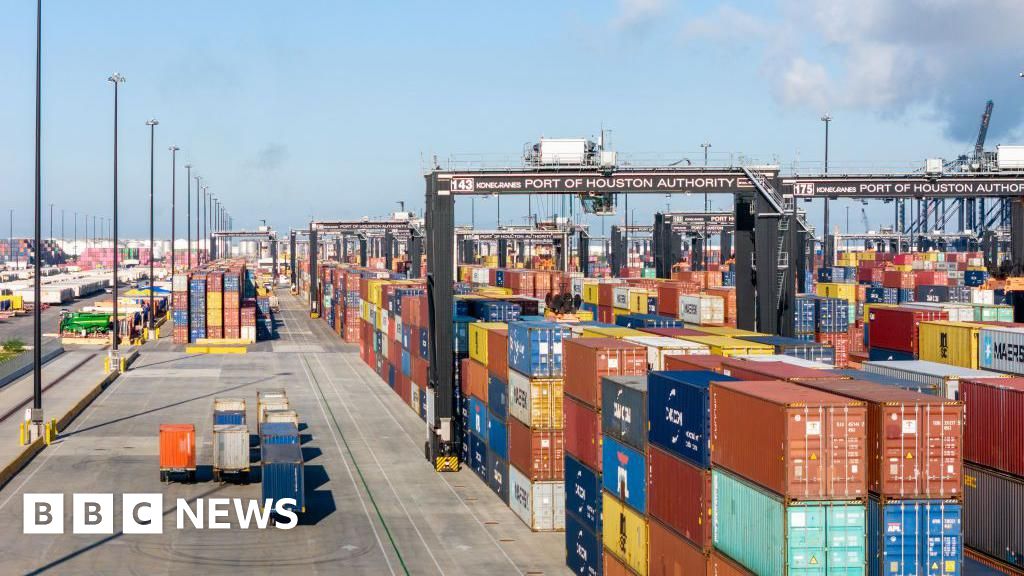
ExpertSpotlight: US ports are on strike and shutdown for the first time in 50 years
Thousands of dock workers are on the picket line and 14 major US ports have closed and the havoc to the supply chain and the ripples across the American economy are already starting to show. This strike will be dominating the news cycle and its impacts will be felt in almost every community in one way or another across the country. And if you're covering we have supply chain and labor experts who are here to help with your stories, questions and ongoing coverage. Connect with an expert about the dockworker's strike: To search our full list of experts visit www.expertfile.com