
Experts Matter. Find Yours.
Connect for media, speaking, professional opportunities & more.

Head trauma and long-term impacts
Last week, NFL great Brett Favre revealed publicly that he has Parkinson's disease. It was an announcement that has also put the devastating affliction back in the media spotlight, and has experts and the public wondering if there's a link between high-impact sports like football and Parkinson's. It's why researchers like Christopher Watts from TCU are getting contacted by national media looking for answers. Head trauma alone is not the sole risk factor for Parkinson’s. Experts say the disease has also been linked to environmental factors, like exposure to certain pesticides or chemicals, and genetic mutations. “If all the ingredients in the recipe come together, you may develop Parkinson’s disease,” said Christopher Watts, Texas Christian University's Dean of the Harris College of Nursing & Health Sciences, who researches the disease. “The reason why we know is because not every boxer develops Parkinson's disease… it has to be other things that are acting along with that exposure to head trauma.” The median age for a Parkinson’s diagnosis is about 65, Watts said. At 54, Favre is on the younger end of that spectrum. Parkinsonism – an umbrella term for brain conditions that cause slow movement, rigidity and tremors – has been well studied in boxers, Watts said. One of history’s most legendary boxers, Muhammad Ali, was diagnosed with the disease. However, the research among football players isn't as robust. A 2023 study published in JAMA found participants with a history of playing organized football had higher odds of Parkinsonism or Parkinson's disease compared with those involved in other organized sports. But other studies have reported mixed findings, Watts said. He said researchers must determine if there is a link. “Football is such a big part of American society,” he said. “We need to know the answers to this.” September 25 - USA Today With the NFL season in full swing - this will be a subject that will be receiving ongoing coverage throughout the season. And if you're a journalist looking to know - then let us help with your stories, questions and coverage. Chris Watts is the Marilyn & Morgan Davies Dean of Harris College of Nursing & Health Sciences at Texas Christian University and is an expert in the areas of neurological disorders. Chris is available to speak with media about this important topic - simply click on his icon now to arrange an interview today.


Calls to Cool Political Rhetoric
The apparent assassination attempt recently on former President Trump – the second in two months – is raising questions about whether the rhetoric against him is going too far, and if politicians need to take steps to cool tensions. Dr. Meena Bose discussed this with FOX news radio affiliates around the country, including WBAP in Dallas, TX; WHO in Des Moines, IA; WFRK in Florence, SC; KLIF in Dallas, TX; WERC in Birmingham, AL; and WJR in Detroit, MI. Dr. Bose is professor of political science, executive dean of the Public Policy and Public Service program, and executive director of the Kalikow Center for the Study of the American Presidency.


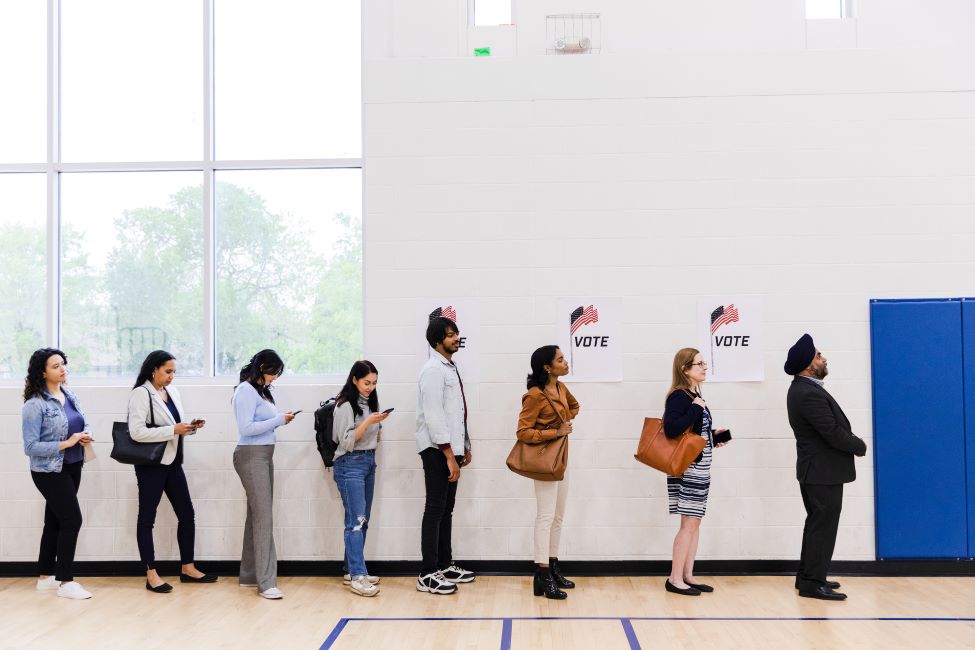
It's neck and neck and our expert is here to help with your election coverage
The tight race for the White House is approaching the home stretch as U.S. Vice President Kamila Harris and former U.S. President Donald Trump appeal to voters across the country. With assassination attempts and U.S. President Joe Biden dropping out of the race, this election has already proven to be a unique historical event in American politics. If you’re covering the race, how do you make sense of the twists and turns? How do you know what issues are driving voters in this tight race? What is going on with the “down ticket” races? Can polls help you predict what’s coming? We have an expert who can help. Kevin Wagner, Ph.D., is Florida Atlantic University’s renowned political science expert and co-executive director of Florida Atlantic University Political Communication and Public Opinion Research Lab (PolCom Lab)—the university’s extensive and nationally covered polling operation. View some of Kevin Wagner's recent media here: Newsweek: "Kevin Wagner, a political science professor at Florida Atlantic University, told Newsweek via email on September 2: "Both Harris and Trump have some potential to attract independents or voters from the opposing party, though this cross-party appeal is likely to be limited given the high levels of partisan polarization in recent elections." Forbes: “If they’re going to hit that 60%, the supporters of the amendment are probably going to have to reach a few more Republicans or have a particularly Democratic-leaning electorate, which sees a challenge in a presidential election year,” said Kevin Wagner, a Florida Atlantic University political scientist, according to a report from the South Florida SunSentinal." New York Post: "On the whole, there does appear to be a solid base of support for Harris in the Democratic Party,” said Kevin Wagner co-director of FAU’s PolCom Lab and professor of political science. “But there is still substantial uncertainty. Some Democratic voters are still looking for another candidate. Harris has time to unify the party before the convention, but she needs to move quickly, or this could potentially spin out of control for the Democrats.” Looking to connect? He is here to answer all your questions and is available for interviews. Simply click on his icon now to arrange an interview today.


Media Covers Hofstra Debate Watch Party
Media covered a student watch party for the first debate between Vice President Kamala Harris and former President Donald Trump on September 10. There were additionally interviews pre- and post-debate with Meena Bose, executive director of the Kalikow Center for the Study of the American Presidency; Larry Levy, associate vice president and executive dean of the National Center for Suburban Studies; Mark Lukasiewicz, dean of the Herbert School of Communication; Rosanna Perotti, political science professor; and James Sample, constitutional law professor.


You’ve probably heard of – or experienced for yourself – that women crave chocolate due to PMS (premenstrual syndrome) before or even during their cycle. Some attribute this craving to a loss of riboflavin during this time. But it could also be a response to the body’s increase in hormones that contribute to cravings for sweets and fats, and chocolate has both! Ignoring those cravings isn’t going to work. However, there are ways to satisfy your body’s needs without breaking the calorie bank, overindulging in food or reaching for unhealthy options. The cycle There are essentially two phases in the menstrual cycle — follicular and luteal — which are triggered by hormonal changes. “Cycle syncing” is the process of altering diet and activity according to a woman’s naturally occurring menstrual phases each month. When you consider nutrition “cycle syncing,” which is tailoring your nutrition with your menstrual cycle throughout the month, it’s helpful to break it into four separate components: Menstruation (beginning of menstruation). Follicular. Ovulation (1st day of luteal). Luteal. What does this mean? It means this complex cycle is controlled by female hormones that cause regular bleeding (periods). Estrogen is one of the major players that helps regulate a woman’s menstrual cycle and is produced mainly by the ovaries, the same two small glands that store hundreds of thousands of tiny eggs for release over a woman’s lifetime. Eating for PMS in cycle stages Phase 1: Menstruation – “Aunt Flo” comes to visit (3-7 days) During the menstrual period, the most work happens during the first three days. This is when a woman’s flow arrives and pain onsets in the pelvis, legs, back and other areas. This is also when the most blood is lost. The cramps a woman feels serve a purpose. They are a symptom of the uterus contracting, helping to shed the endometrium (the lining of the uterus), which you may know as Aunt Flo coming to visit, also known as menstrual bleeding. Focusing on good sources of nutrition with magnesium in them may help reduce the severity of symptoms for better sleep, headaches, muscle soreness in the uterus and cramping, swelling and bloating and mood changes. Healthy fats can be useful during this phase since levels of estrogen and progesterone are typically low. We need healthy fats to help generate any kind of hormones. Look for good sources of healthy fats in seafood rich in omega-3 fatty acids, avocados, olive oil, sardines in oil, nuts and seeds, fiber, apples, berries, ground flax seed and oatmeal. Phase 2: Follicular – release the kraken! (7-10 days) Let’s face it, during the second stage of a woman’s cycle, your body is about to drop the mic! Well, not the mic per se, but your body is preparing to release an egg. That’s a lot of work. During this phase, hormones are released to signal the production of follicles on the surface of an ovary. A handful will enlarge, but only the largest and strongest follicle will ultimately release an egg during ovulation. This plays the biggest role in the length of your cycle. At the very same time, the endometrium starts to thicken in case you’re getting ready to have a baby. The last five days of this phase, plus the ovulation day (the day the egg drops), are your fertile window (baby-making time!). This is when you are most likely to become pregnant if you have sexual intercourse without using birth control. Focus on complex carbohydrates during this phase. Complex carbohydrates keep the insulin-glucagon ratio even and can help manage depression, fatigue and insomnia. Pro Tip: Between cycling, zinc can be helpful for ovulation and potentially help to support the egg quality. For women who are looking to conceive, they may want to consider using more zinc in their diet or with a supplement leading up to the follicular phase. Talk with your health care provider to see if this is a helpful option for you. Phase 3: Ovulation phase – there can be only one! (2-4 days) The three to five days leading up to ovulation and the day of ovulation itself are the most fertile. Ovulation begins on the day the egg is released from the egg follicle on the ovary. Remember when you were little and found a dandelion seedling in the grass? You grabbed it and blew on the seedlings to release them into the wind. This is similar except it’s just one egg being released. Protein is your friend during this phase. Protein will help keep your blood sugars steady, keep you feeling full and prevent cravings. Phase 4: Luteal (premenstrual) phase – winter is coming! (10-14 days) The luteal phase starts on the day the egg drops, also known as ovulation day. This happens anytime from day 7 to day 22 of a normal menstrual cycle. After the teen years and before perimenopause (the time before menopause), the luteal phase is very predictable. It normally lasts 13 to 15 days from ovulation until menstrual bleeding starts a new cycle. These two weeks are also known as the premenstrual period. It’s very common to have symptoms during all or part of the luteal phase. You may feel irritable and cranky, gain water weight and feel bloated. A day or more before your period, you may start to have pain (cramps) in your belly, back or legs. It’s normal to have less energy at this time. Don’t panic, and don’t get down on yourself for needing to rest or nap. You may also have headaches, diarrhea or constipation, nausea or dizziness. When premenstrual symptoms make your daily life difficult, you are said to have premenstrual syndrome (PMS). Good dietary sources during the luteal phase should include calcium. Calcium can help reduce the severity of PMS symptoms, including bloating, depression, pain, mood swings and food cravings. Pro tip: It may be difficult to get all the calcium necessary to help with general PMS symptoms. While we recommend getting as much calcium as possible in your diet, check with your health care provider for guidance on nutrition and supplementation. According to the American College of Obstetricians and Gynecologists, 1,200 milligrams of magnesium is usually recommended to help reduce the physical and mood symptoms of PMS. Everyone metabolizes food and supplementation differently. Results will vary. The role of iron Consider increasing iron and iron sources, especially during the luteal phase leading up to the menstruation phase. The leading cause of iron deficiency and anemia is a woman’s cycle. The more that women boost their iron stores before their menstruation cycle, the better. Look to increase iron consumption through animal sources, legumes or fortified cereals. Some women might need supplementation or other medical interventions. Sometimes, other conditions cause heavy menstrual cycles or reasons for medical intervention. Follow up with your health care provider Women may have menstrual-related conditions needing treatment beyond lifestyle changes alone. Seek care for: Irregular periods (not due to medication or breastfeeding). Heavy menstrual bleeding or severe menstrual pain. Significant depression and/or anxiety around the menstruation cycle. Menstrual cycles can have many different symptoms and associated medical conditions. Making lifestyle modifications is helpful, but if you’re experiencing severe or concerning symptoms, these should always be discussed with a health care provider.



Covering the Fed's Interest Rate Decision? Our Expert can Help
The Federal Open Market Committee has three meetings left in 2024 and markets expect interest rates to be cut. This could have a serious impact on the economy as inflation trends downward and restrictive monetary policies are now ready to be loosened. There will be a lot of media attention and speculation around the September 18 decision and its anticipated effects on the global economy. It's why experts like Florida Atlantic's William Luther are ready to help with any questions or coverage. William J. Luther, Ph.D., is an associate professor of economics at Florida Atlantic University, director of the American Institute for Economic Research’s Sound Money Project, and an adjunct scholar with the Cato Institute’s Center for Monetary and Financial Alternatives. The Social Science Research Network currently ranks him in the top five percent of business authors. *** Recent Media: Fox News: GOBankingRates: Newsweek: William Luther, Ph.D., an assistant professor in FAU’s Economics Department, has expertise in economic growth, monetary policies, business cycles and cryptocurrencies. Luther’s research has obtained media interest across the nation, including recent coverage by The Wall Street Journal, Politico and Florida Trend. If you're looking to know more - let us help. Simply click on William's icon now to set up an interview today.


Trending News: Women in Politics
Gender and politics - it's a trending topic these days as Kamala Harris' surging in the polls may put her in the position to be America's first female president. And, when media are covering the topic, it's the experts from University of Mary Washington they're contacting. Rosalyn Cooperman is an Associate Professor of Political Science at the University of Mary Washington in Fredericksburg, VA. Cooperman’s research focuses on the relationship between political parties, PACs, and women candidates, as well as elite attitudes regarding women’s political participation. Recently she has been featured in and the Arizona Mirror, the Centre for American Women in Politics. View profile *** Recent Media Arizona Mirror “I don’t know that there’s any real fidelity to any stance on an issue unless it’s perceived to be useful — abortion being one of a very long list,” said Rosalyn Cooperman, who studies Republican candidates and political leaders at the University of Mary Washington. “If you look at what he has said over time, it is what is politically expedient.” Marketplace "They are a political action committee, but they can raise unlimited amounts of money from corporations, unions, individuals, but they can’t coordinate directly with the parties or candidates." CAWP "Progressive PACs are continuing to use abortion-related messages in fundraising appeals while conservative women’s PACs are not" - Rosalyn Cooperman Dr. Cooperman is available to speak to media – simply click on her icon to arrange an interview today.



ExpertSpotlight: The History of American Football
American football holds a special place in the cultural fabric of the United States, evolving into one of the most popular and celebrated sports in the country. Its history, marked by innovation, athleticism, and deep-rooted rivalries, reflects broader societal changes such as commercialization, media influence, and evolving notions of teamwork and competition. As one of the most-watched sports globally, its impact on American culture, from college football Saturdays to Super Bowl Sundays, goes beyond the field. This story matters because it highlights the connection between sports, community identity, and the evolution of American pastimes. Key story angles of interest include: The origins and early development of American football The impact of college football rivalries on American sports culture The rise of the NFL and its influence on modern sports entertainment The role of football in fostering a sense of community and national identity The effects of media and technology on the commercialization of football Health concerns and how they’ve shaped the future of the sport, particularly in relation to player safety and concussions Connect with an expert about the The History of American Football: To search our full list of experts visit www.expertfile.com


The race for the White House is on - and Georgia Southern experts are here to help
The upcoming election has been dominating headlines for months. With the recent change at the top of the Democratic ticket from Joe Biden to Kamala Harris has reenergized the campaign and put several states like Georgia and North Carolina back 'in-play' for the Democrats. Georgia has been identified as a key battle ground state for any candidate looking to win in November and it's why both Democrats and Republicans are frequent fliers to the Peach State with rallies and visits already. Those visits are also getting a lot of media attention and Georgia Southern University's experts are front and center assisting with the coverage. Joshua Kennedy, Ph.D. Associate Professor Department of Political Science and International Studies Areas of Expertise : Political Institutions, Congress, Presidential Power, Federal Bureaucracy, American Politics, American Presidency, Inter-Branch Relations, State Politics. The principal area of study and teaching for Joshua Kennedy, Ph.D., is in American politics, with a more particular focus on the presidency and the federal bureaucracy. Kennedy has presented his work at numerous conferences, including the Annual Meeting of the American Political Science Association and the Annual Meeting of the Midwest Political Science Association. His research has appeared in such outlets as American Politics Research, Research and Politics and Presidential Studies Quarterly. View profile and connect here Recent media: Joshua Kennedy has recently been interviewed by media such as WTOC 11, ABC News and Fox 28 in Savannah, Georgia, as well as various other local and regional media outlets when covering politics in Georgia. *** Kimberly Martin Tecklenberg, Ph.D. Assistant Professor Department of Political Science and International Studies Areas of Expertise: American Politics, Research Methods, Leadership, Public Policy, Education Policy, State Politics, LGBTQ+ Policy. Kimberly Martin Tecklenberg, Ph.D., teaches courses in American politics, research methods, leadership and public policy. Before pursuing her graduate degree, she worked as the Special Assistant for Secretary of Education Belle Wheelan and former Gov. Mark Warner of Virginia. While at the University of Florida, she worked with former Senator and Gov. Bob Graham to establish the Bob Graham Center for Public Service. After graduation, she moved to Tennessee where she served as Assistant Director of Research at the Tennessee Higher Education Commission. Her past experiences have influenced her current research interests, which focus on education policy, political leadership, state politics and LGBTQ+ policy. View profile and connect here Recent media: Kimberly Martin Tecklenberg has recently been interviewed by media such as NBC, FOX, Al- Jazeera and Courthouse News Service, in addition to various other local, regional and national outlets when covering politics in Georgia. If you're covering the election - our experts are here to help all the way to Nov. 5 and beyond. Visit our Expert Center for a full directory of Georgia Southern experts. Simply click on any expert's icon now to arrange an interview today.


NarrA.I.tive empowers storytellers by merging AI and traditional artistic crafts
Irvine, Calif., Aug. 26, 2024 — Beall Applied Innovation at the University of California, Irvine has announced the launch of NarrA.I.tive, a groundbreaking initiative that blends the university’s academic strengths with the global entertainment industry and the innovative spirit of Orange County to harness artificial intelligence as a force for good across creative industries. “As AI’s influence expands, the opportunity and responsibility to steer it in positive directions is crucial,” said Errol Arkilic, UC Irvine’s chief innovation officer. “Through NarrA.I.tive, we redirect doom-and-gloom scripts to scripts of inspiration, education and enthusiastic support for creators as artificial intelligence increasingly influences the industry.” NarrA.I.tive’s action plan includes establishing UC Irvine and Orange County as global leaders in reshaping the artistic and technological ecosystem surrounding storytelling, attracting partners and collaborators to support the state-of-the-art initiative, creating revenue-generating content and tools, unifying academic excellence with emerging content production methods, and developing a structure for efficient project execution and student involvement. Supporting NarrA.I.tive’s impact, Beall Applied Innovation has established a strategic collaboration with Apples and Oranges Arts, an Orange County-based nonprofit entertainment and education studio co-founded by UC Irvine alumnus Tim Kashani ’86, MBA ’88, and his wife, actress Pamela Winslow Kashani. Started in 2008, Apples and Oranges Arts empowers storytellers to become creative entrepreneurs by combining educational platforms, technological integration, and a thriving community of new and existing voices. “Through NarrA.I.tive, we blend the magic of storytelling with the power of technologies such as artificial intelligence and extended reality, creating narratives that touch hearts and minds in ways previously unimaginable,” Tim Kashani said. “This collaboration marks a new era of creativity and technology alignment that requires ethical stewardship placing the human front and center.” In July, Apples and Oranges Arts and Beall Applied Innovation finalized plans for the NarrA.I.tive Story Studio, to be located at the Cove@UCI in the campus’s Research Park. Apples and Oranges Arts will lead the studio’s charge through training in new technologies that drive the entertainment industry’s future and through collaboration with UC Irvine schools, involving students and faculty in tool development and content production. “We invite storytellers, technologists, philanthropists, investors and the global community to join us in reshaping the future of storytelling,” said Stuart Mathews, director of industry alliances at Beall Applied Innovation. “Together, we will explore the expanding possibilities that AI and technology bring to the narrative arts, redefining how stories inspire, entertain and elevate the human experience.” About the University of California, Irvine: Founded in 1965, UC Irvine is a member of the prestigious Association of American Universities and is ranked among the nation’s top 10 public universities by U.S. News & World Report. The campus has produced five Nobel laureates and is known for its academic achievement, premier research, innovation and anteater mascot. Led by Chancellor Howard Gillman, UC Irvine has more than 36,000 students and offers 224 degree programs. It’s located in one of the world’s safest and most economically vibrant communities and is Orange County’s second-largest employer, contributing $7 billion annually to the local economy and $8 billion statewide. For more on UC Irvine, visit www.uci.edu. Media access: Radio programs/stations may, for a fee, use an on-campus studio with a Comrex IP audio codec to interview UC Irvine faculty and experts, subject to availability and university approval. For more UC Irvine news, visit news.uci.edu. Additional resources for journalists may be found at https://news.uci.edu/media-resources.
