
Experts Matter. Find Yours.
Connect for media, speaking, professional opportunities & more.

Newly Announced Debates are Uncharted Territory - Our Experts can Help Explain Why?
Dr. Meena Bose, professor of political science, executive dean of the Public Policy and Public Service program, and executive director of the Kalikow Center for the Study of the American Presidency, appeared on WNYW Fox 5 to discuss the debates agreed upon by President Biden and former President Trump and and how they will differ from those that have been produced by the Commission on Presidential Debates since 1988. Covering the June 27 debate? Let our experts help. Dr. Meena Bose is Executive Dean of Hofstra University’s Peter S. Kalikow School of Government, Public Policy and International Affairs. She is available to speak with media - simply click on her icon now to arrange an interview today.

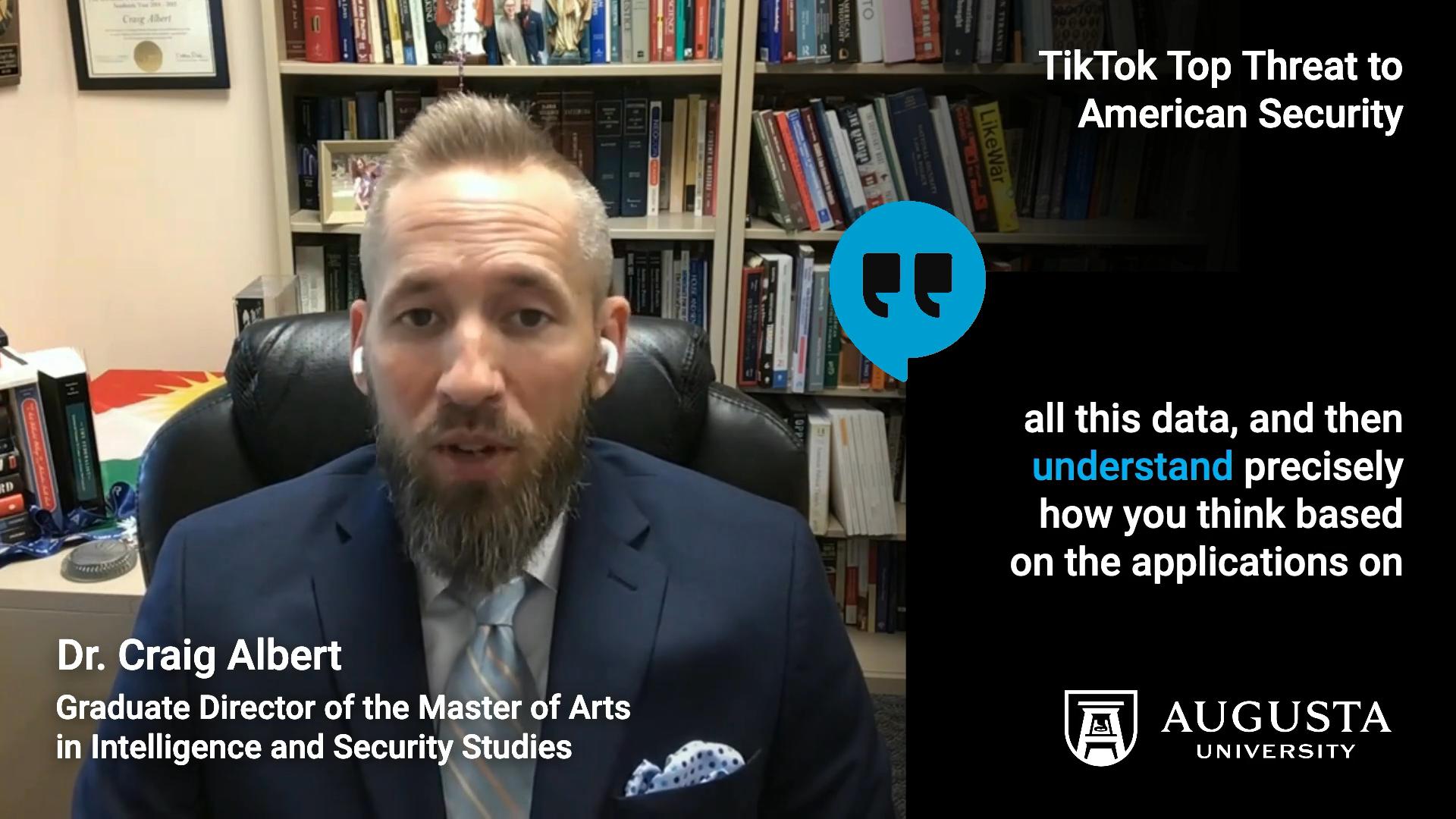
Time to talk about Tik Tok? Dr. Craig Albert explains the reasons we need to know more about the app
Earlier this week, TikTok said they were suing the U.S. government to stop a bill passed last month seeking to force ByteDance, TikTok’s Chinese to sell the app or have it banned. The lawsuit, filed in the U.S. Circuit Court of Appeals for Washington, D.C., argues that the bill violates constitutional protections of free speech. The suit calls the law an “unprecedented violation” of the First Amendment. Lawsuits and rhetoric aside - there are serious concerns about TikTok and Dr. Craig Albert is lending his expertise to explain what is going on behind the screens of the popular app. Read more about the dangers of TikTok here Read more from Albert about Informational Warfare here Read more from Albert about deepfakes here Craig Albert, PhD, is director of the Master of Arts in Intelligence and Security Studies at Augusta University. He is a leading expert on war, terrorism and American politics. AI and the upcoming election is a serious topic. Albert is available to speak with media – simply click on his name to arrange an interview today.


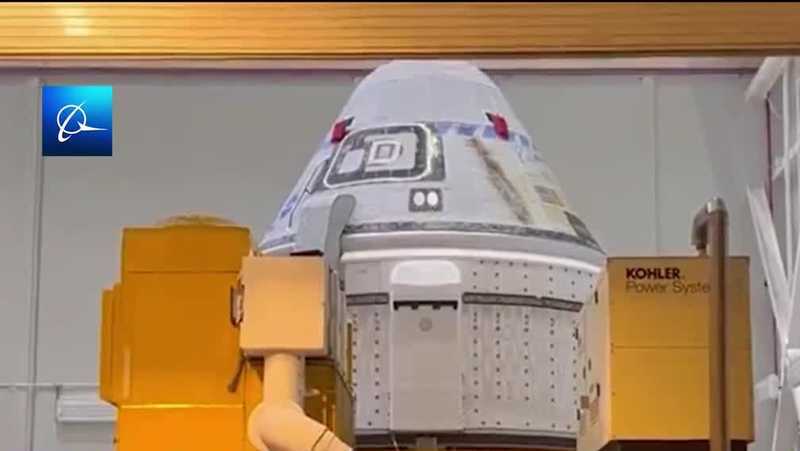
Ready for takeoff! The Starliner is set for its first mission to the ISS
Since 2011, any American astronaut looking to get to or from the International Space Station (ISS) had to lift off from the Baikonur Cosmodrome, a spaceport operated by Russia within Kazakhstan. It was the only way to get up into space - for now. It's why almost a decade ago private sector companies Boeing and SpaceX were engaged by NASA to develop a new way to get to the ISS from American soil. All of that is about to change, and all eyes have been on Boeing's Starliner as it readies to take flight with a crew for the first time. Florida's Tech's Don Platt , the Director of the Spaceport Education Center, has also been busy as the media coverage has been intense. “In this case, NASA is truly buying a service and it’s up to the company to get it all right. With just some oversight," said Don Platt, of Florida Tech. Starliner rolled out to Launch Complex 41 in the early morning on Tuesday. It will be positioned atop a ULA Atlas 5 rocket for the planned liftoff on May 6 from the Cape Canaveral Space Force Station. As Platt explained, Starliner is a critical second option for NASA. “With all the success of SpaceX has had recently, we can’t simply rely on SpaceX to provide all services to the American space program," Platt said. This is the first flight of Starliner with a crew onboard so it’ll be the first time for it to fly in this configuration. During these test missions, there are always lessons to be learned. “We are all aware of some of the issues the Boeing company has experienced in the last couple of years. And to have a successful test flight here with astronauts onboard is a definite plus from PR aspect,” Platt said. Two seasoned NASA astronauts will be the first to take a ride in Starliner up to the ISS; Suni Williams and Barry “Butch” Wilmore. They’ll be up there for eight days on this test mission and if all goes well, the first Starliner mission on NASA crew rotation up to the ISS will come next spring. -- April 16 - NBC News Getting to the ISS, Moon and even Mars are getting a lot of attention lately. If you're a journalist look to cover the topic, let us help. Dr. Don Platt's work has involved developing, testing and flying different types of avionics, communications, rocket propulsion systems as well as astrobiology/biotechnology systems and human deep space exploration tools. Don is available to speak with media anytime. Simply click on the icon below to arrange an interview today.


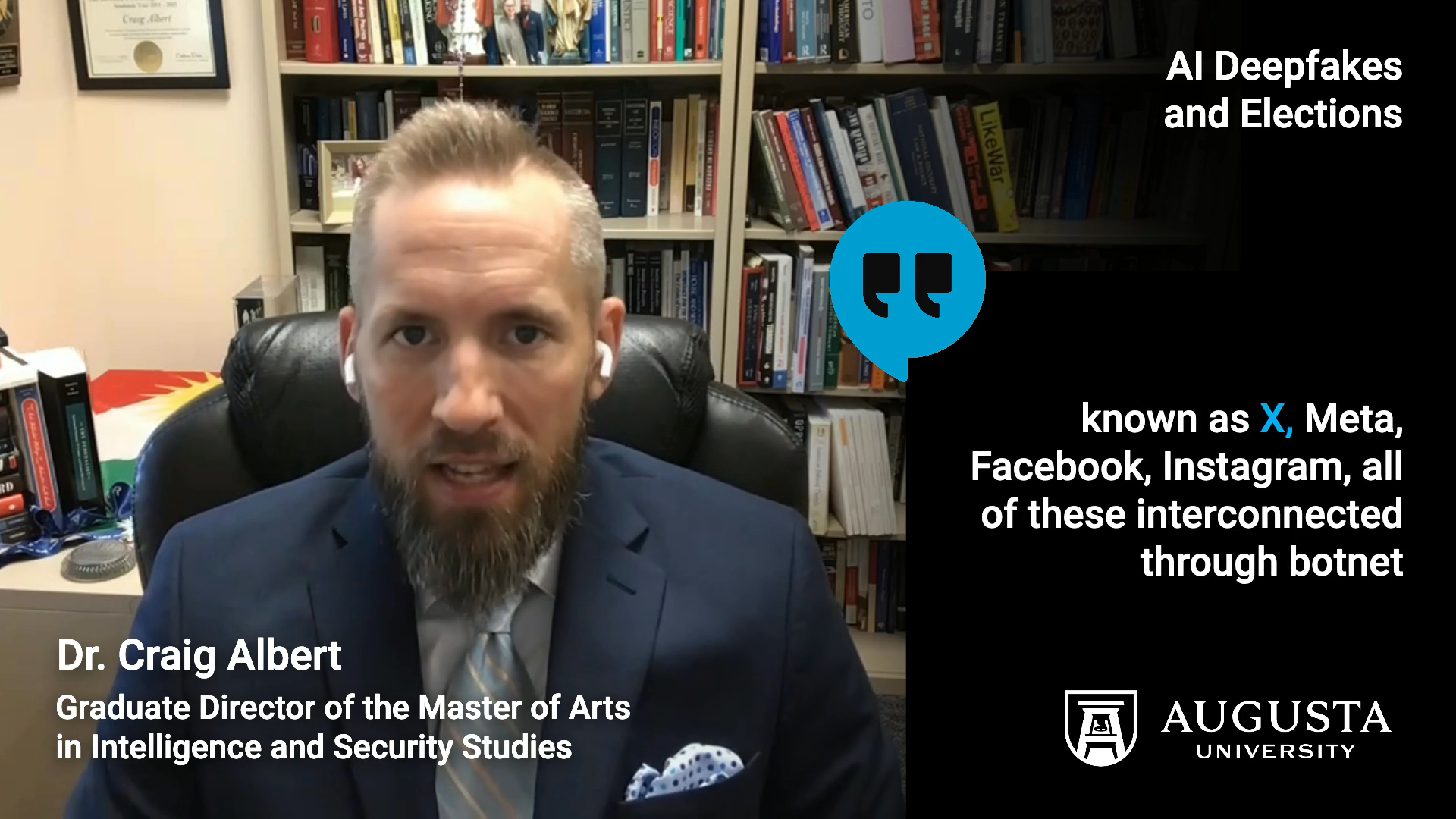
#ExpertSpots: AI, Deepfakes and Elections
The election in November is coming fast. And with voters divided and with what could be a small margin of Americans deciding who wins or loses in the race for the Whitehouse - the worry over misinformation and election interference has never been higher. It's why Dr. Craig Albert is here to break down just how AI and deepfakes might be used against any of the candidates leading up to November 05. Craig Albert, PhD, is director of the Master of Arts in Intelligence and Security Studies at Augusta University. He is a leading expert on war, terrorism and American politics. AI and the upcoming election is a serious topic. Albert is available to speak with media – simply click on his name to arrange an interview today.

Sunday is Cinco de Mayo. Do you know the history behind the day?
Celebrated annually on May 5th, Cinco de Mayo commemorates the Mexican army's victory over French forces at the Battle of Puebla in 1862. While often associated with festive gatherings and cultural celebrations, Cinco de Mayo also holds significant relevance beyond its historical origins, offering various story angles that appeal to a broad audience. Cultural significance and heritage preservation: Explore the historical context of Cinco de Mayo and its importance in Mexican culture, highlighting the traditions, food, music, and art associated with the holiday. Immigration and identity: Examine how Cinco de Mayo is celebrated in different parts of the world, particularly in the United States, and its role in shaping the Mexican-American identity and fostering cross-cultural understanding. Political implications and national pride: Investigate the political undertones of Cinco de Mayo, considering its significance in Mexican nationalism and its portrayal in international relations. Economic impact and tourism: Analyze the economic implications of Cinco de Mayo festivities, including the boost in tourism, sales of Mexican-themed products, and the commercialization of cultural heritage. Education and historical awareness: Discuss the educational value of Cinco de Mayo in schools and communities, examining how it promotes historical awareness, tolerance, and multiculturalism. Social justice and activism: Explore how Cinco de Mayo intersects with social justice movements, addressing issues such as immigration reform, cultural appropriation, and representation in media and politics. By covering these angles, journalists can provide their audiences with a deeper understanding of Cinco de Mayo beyond its surface-level festivities, fostering meaningful dialogue and engagement with the holiday's historical, cultural, and societal significance. Connect with an Expert about Cinco de Mayo: Margarita R. Ochoa Associate Professor and Associate Chair of History · Loyola Marymount University Timothy Matovina Chair, Department of Theology · University of Notre Dame Rodrigo Vargas Professor, Ecosystem Ecology and Environmental Change · University of Delaware Heather Chiero, PhD Associate Professor of History, Anthropology and Philosophy · Augusta University To search our full list of experts visit www.expertfile.com Photo Credit: Daniel Lloyd Blunk-Fernández


Climate change research trailblazer elected to prestigious list of AAAS Fellows
University of Delaware professor Rodrigo Vargas has been elected as a fellow of the American Association for the Advancement of Science (AAAS) — one of the largest scientific societies in the world and publisher of the Science family of journals. The new class of AAAS Fellows includes 502 scientists, engineers and innovators across 24 disciplines, who are being honored for their scientifically and socially distinguished achievements. Vargas, professor of ecosystem ecology and environmental change in UD’s College of Agriculture and Natural Resources, is recognized "for distinguished contributions to carbon dynamics across the terrestrial-aquatic interface, development of environmental networks, novel data analysis tools and his leadership in creating a more diverse scientific workforce." Deborah Allen, who retired from UD in 2019 as a professor of biological sciences, was also names as a fellow. She was cited “for transformational contributions to STEM education nationally and internationally, particularly for developments in problem-based learning and faculty development.” Vargas is an ecosystem ecologist who studies how nature-based solutions can help address global environmental change in both terrestrial and coastal ecosystems, Vargas uses a variety of research methods, including data mining, machine learning, remote sensing, measurements of greenhouse gas fluxes and modeling techniques for forecasting applications.


Nurse Leaders Danielle Weber and Michelle Collins Named Fellows in Nursing Innovation
Two ChristianaCare nurse leaders have been named fellows in the 2024-25 cohort of the prestigious Johnson & Johnson Nurse Innovation Fellowship Program. The fellows are Danielle Weber, MSN, MSM, RN-BC, NEA-BC, chief nurse executive, and Michelle Collins, DNP, APRN, CNS, ACNS-BC, NPD-BC, NEA-BC, LSSBB, vice president of Nursing Professional Excellence. These nurse innovators will work collaboratively to address a real-world challenge in ways that can be implemented at ChristianaCare. Weber, who also is chief nursing officer of Wilmington Hospital, leads ChristianaCare’s nursing staff in setting strategic imperatives, advises leadership on best practices in nursing, establishes nursing policies and procedures, oversees nursing education and research and creates a collaborative environment to ensure evidence-based care practices in both the acute care and home health settings. Collins leads ChristianaCare’s systemwide efforts to support nursing practice innovation, governance infrastructure and problem-solving, including a successful initiative in virtual acute care nursing. She also led ChristianaCare to achieve its third Magnet designation, the preeminent designation for excellence from the American Nurses Credentialing Center. With a strong commitment to innovation in nursing, ChristianaCare is at the forefront of virtual acute care nursing. This entails experienced nurses practicing virtually in another location supporting hospital-based nurses by documenting health information, providing patient education, monitoring patient lab work, completing patient admission documentation and helping with discharge planning and care coordination. The fellowship, administered by Penn Nursing and the Wharton School at the University of Pennsylvania, is a one-year, team-based program for chief nursing officers, nurse executives and other senior nurse leaders that aims “to advance health care by powering up nurse-led innovation and leadership within health systems.”




Freedom House 'Nations in Transit 2024' Report | Media Advisory
The annual release of the Freedom House 'Nations in Transit' report serves as a critical barometer for assessing the state of democracy, human rights, and governance across the countries of Central and Eastern Europe, the Balkans, and Eurasia. As governments and societies navigate various political, economic, and social challenges, this report provides invaluable insights into the progress and setbacks in the region's democratic development. The report's findings are pertinent to the public because they shed light on the status of fundamental freedoms, rule of law, and democratic institutions, influencing regional and global policies. Key angles for coverage could include: Democratic Erosion and Backsliding: Analysis of countries experiencing democratic decline and the factors driving it. Civil Society and Activism: Profiles of grassroots movements and civil society organizations advocating for change. Media Freedom and Disinformation: Examination of threats to press freedom and challenges posed by disinformation campaigns. Corruption and Governance: Investigations into corruption scandals and efforts to enhance transparency and accountability. Human Rights and Minorities: Coverage of human rights abuses and discrimination against marginalized communities. Geopolitical Dynamics: Discussions on the geopolitical implications of democratic trends in the region and their impact on international relations. The 'Nations in Transit 2024' report is not just a documentation of regional developments; it's a reflection of the ongoing struggle for democracy and human rights, making it a crucial resource for journalists and policymakers alike. Connect with an Expert about the 'Nations in Transit 2024' For journalists with questions or looking to cover the Freedom House 'Nations in Transit' report, here is a select list of experts. To search our full list of experts visit www.expertfile.com Muqtedar Khan Professor, Political Science and International Relations · University of Delaware Jane Landers Gertrude Conaway Vanderbilt Professor of History · Vanderbilt University Christopher Fettweis Associate Professor · Tulane University Lowell Gustafson, PhD Professor of Political Science | College of Liberal Arts and Sciences · Villanova University Heangjin Park Assistant Professor of Asian and Asian American Studies · Loyola Marymount University Photo Credit: Yannhis H

Tackling Tik Tok - Our expert explains what the problem is and what's next for the Chinese owned app
TikTok is one of the most popular social media sites in the world. In the United States, more than 170 million people and businesses use the app on a regular basis. Now, the federal government has taken the first step in banning the China-based app unless the ownership group, ByteDance, sells TikTok. The House of Representatives passed a bipartisan bill in support of the ban, and now it awaits Congress to act. President Joe Biden has indicated he would sign the bill banning TikTok unless it’s sold, but whether it reaches his desk remains to be seen. This stems from the fear that China uses user information to their advantage. According to Lance Hunter, PhD, associate professor of political science in Pamplin College of Arts, Humanities and Social Sciences, the concern is well deserved. “Even if it’s a privately-owned enterprise, China can still control it, they can still manipulate it to some degree as if it was a state -owned enterprise,” said Hunter. Hunter’s research focuses on how informational warfare attacks influence politics worldwide. He said the algorithm TikTok uses can play a major role in informational warfare on two fronts. “One, it’s the data gathering, and that can be used for micro targeting because basically what TikTok can do is collect the data and provide information as to what certain individuals respond to an this is exactly how you can persuade them.” “Also, there is empirical evidence that China has used TikTok before to try to influence elections to some degree. One example in the 2022 midterm elections in which some candidates from both parties were targeted by TikTok accounts that were controlled by a propaganda agency operating within the Chinese government.” Hunter added the TikTok algorithm is more advanced than some other social media platforms and more effective in knowing what people like and why they like it. With so many AI-generated posts, it can be difficult for the consumer to decipher what is legitimate, and what isn’t. There are some red flags for people to be on the lookout for. “One thing the average person can do is be very wary of what you’re seeing and ask yourself does this seem legitimate?” he added. “If everyone is saying the exact same thing, that’s a tell sometimes. Also, where does this information originate from, and what are the timestamps on the posts? Something else is to look at the individual who made the post. Who are these people and who’s following them? You may be able to see if they are legitimate accounts.” While China, and Russia for that matter, are trying to influence people in several ways, Hunter said they are also trying to cause division among the American people. “They do want to influence elections at times, absolutely. But one of their other goals, and sometimes even more predominant goals for them, is to increase division, increase polarization, and that’s a great way to do that,” Hunter said. “Even if you have a temporary reaction, you’ve increased that division which could have longer term effects.” Are you covering this important and ongoing story? Then let us help with your stories and questions. Lance Hunter is an assistant professor of political science with a background in international relations. His research focuses on how terrorist attacks influence politics in democratic countries and how political decisions within countries affect conflicts worldwide. He is available to speak with media about this important topic - simply click on his icon to arrange an interview today.


Empowering Black and Latinx Boys in Their Postsecondary Journeys: The Role of School Communities
In a new study published in the American Educational Research Journal, Roderick L. Carey, assistant professor in the University of Delaware's College of Education and Human Development, offers a rich, ethnographic case study on how Black and Latinx boys imagine their postsecondary futures. With attention to the students’ first-person narratives about their school experiences and personal aspirations, Carey shows how their high school—a Mid-Atlantic college preparatory school in the United States—ultimately fails to understand and support their college, career and personal aspirations for life after graduation. “College is just one facet of a broader interconnected life that adolescents need support in imagining,” said Carey, who teaches and conducts research within CEHD’s Department of Human Development and Family Sciences. “Postsecondary future selves is a concept that folds together three pieces of that broader life—college, career and life condition, or ‘the 3Cs.’ By focusing on one, and ignoring the other two, educators miss the mark.” Carey is available to talk about this new study as well as the possible solutions to this issue. Her has been recently featured in Technical.ly and WHYY, an NPR affiliate. He can be contacted via his profile.
