
Experts Matter. Find Yours.
Connect for media, speaking, professional opportunities & more.

Comprehensive Sleep Wellness Center Opens on Newark Campus
More than 70 million Americans suffer from sleep-related problems. To address this growing need, ChristianaCare has opened a new comprehensive sleep wellness center in the Medical Arts Pavilion II on the ChristianaCare Newark Campus. The ChristianaCare Sleep Wellness Center, accredited by the American Academy of Sleep Medicine, is an outpatient program that provides expert diagnosis and treatment of sleep disorders. The nearly 5,000 square foot, seven-bed facility builds on the success of ChristianaCare’s previous sleep diagnostic center, now incorporating clinical care and diagnostic testing at the same site. The center is staffed by board-certified sleep medicine specialists who provide in-lab and at-home sleep testing, as well as a behavioral health specialist who offers cognitive behavioral therapy for insomnia. The center offers onsite and virtual appointments. “At the ChristianaCare Sleep Wellness Center, we offer the full range of sleep care services in one place, with the expertise to help people with all kinds of sleep disorders,” said Shilpa Kauta, M.D., medical director of the ChristianaCare Sleep Wellness Center. “Sleep disorders affect members of every race, socioeconomic class and age group, but despite the high prevalence of sleep disorders, many people remain undiagnosed and untreated,” she said. National surveys show that more than 60 percent of adults have never been asked about the quality of their sleep by a physician. “It’s important for people to know that if they have problems related to sleeping, they should talk to their doctor about it, or call us at the Sleep Wellness Center. Sleep disorders can affect overall health—and they are often very treatable.” The Sleep Wellness Center provides expert, multidisciplinary diagnosis and care for every kind of sleep problem, including: Obstructive sleep apnea. Restless leg syndrome. Narcolepsy. Parasomnias, such as sleepwalking. As part of the ChristianaCare team, the expert staff at the Sleep Wellness Center coordinates with disease-based programs at ChristianaCare to integrate sleep services into cardiac care, weight loss surgery and renal transplant care. They also partner with surgeons to manage hypoglossal nerve stimulation therapy, a major advancement in obstructive sleep apnea treatment. Patients at the Sleep Wellness Center undergo a personal sleep history, medical background and physical examination. If appropriate, a polysomnography (sleep study) may be ordered to monitor and record brain waves, heart rate, blood oxygen level, breathing and eye movements. Poor Sleep Health is a National Problem According to the National Institutes of Health, of the 70 million Americans suffering from sleep-related problems, more than 50% are likely to have a chronic disorder, such as insomnia, obstructive sleep apnea, restless leg syndrome and narcolepsy. People who suffer from sleep disorders are also more likely to have chronic diseases like hypertension, diabetes, depression, obesity and even cancer. The impact on American life and economy is enormous as sleep deprivation and untreated sleep disorders are estimated to cost over $100 billion annually in lost productivity, medical expenses, sick leave, property and environmental damage. “With information collected through testing, our sleep experts can determine the source of a sleep problem and begin a treatment plan to help patients improve their quality of life,” Kauta said. The address and phone number of the new center: ChristianaCare Sleep Wellness Center 4735 Ogletown Stanton Rd. Suite 2210 Newark, DE 19713 302-623-0610


ChristianaCare Earns Third Consecutive Apex Recognition Award for Excellence in Respiratory Care
ChristianaCare one of only nine health systems to receive the honor for three consecutive terms For exceptional care in ensuring patients are able to easily breathe during their hospital stay, ChristianaCare has earned its third consecutive Apex Award in the Acute Hospital category. Conferred by the American Association for Respiratory Care (AARC), the award recognizes ChristianaCare for its “exemplary demonstration of best practices in respiratory care.” ChristianaCare is one of only 18 health systems nationwide to earn this award and one of just nine to receive the honor for at least three consecutive terms. As a key component of hospital care, respiratory care is an important contributor to the overall quality and safety of a hospital. For patients and their families, ChristianaCare’s continuing recognition in this category is further reassurance that the health system’s quality is among the best in the nation. “At ChristianaCare, we commit to being exceptional today and even better tomorrow,” said John S. Emberger, BS, RRT-AACS, FAARC, CPHQ, director of Respiratory Care at ChristianaCare. “This recognition belongs to all the respiratory therapists on our team. They are committed to following evidence-based practices and to ensuring that every action they take is safe. It’s a deep privilege to lead a team so committed to our organization’s core values of love and excellence.” ChristianaCare’s respiratory team comprises nearly 150 caregivers who provide respiratory care within hospitals and outpatient settings and manage the mechanical ventilators and artificial airways used to help ICU patients breathe. To support continuous improvement, the team rigorously measures and tracks quality, patient satisfaction, safety and operational performance. That work has made an impact that extends beyond ChristianaCare; for example, the respiratory team’s success in standardizing practices to reduce infections and inflammations that can occur in patients on ventilators was published in the peer-reviewed journal Respiratory Care. Another key ingredient to the team’s success has been its ability to attract and retain top talent. ChristianaCare’s respiratory department is set up with clinical career ladders that provide the opportunity for caregivers to broaden their skills and responsibilities through their participation in quality improvement projects. “Our respiratory therapists are always seeking ways to improve and grow,” said Michael Benninghoff, DO, MS, section chief for Medical Critical Care, and the medical director of respiratory care at ChristianaCare. “They have played a significant role in helping our ICUs achieve excellent outcomes in caring for many of our sickest patients. They measure their performance and continuously look for ways to innovate.” The Apex Recognition Award was developed in 2017 as a way for the AARC to recognize respiratory care departments that demonstrate high quality care. “Respiratory care departments dedicate themselves to delivering excellent care for patients everywhere. They are a vital component to a patient’s care team, making a positive impact for the quality of patient care,” said AARC President Carl Hinkson, MSc, RRT, RRT-ACCS, RRT-NPS, FAARC. “Earning the Apex Recognition award is a tremendous honor. It shows how these teams reach high standards and bring their specialized skills to their health care colleagues. Congratulations to ChristianaCare as one of our 2023-2024 Apex Recognition Award recipients.”



Is there a link between CTE and mass shootings? Let our expert explain
This spring news of mass shootings has dominated the headlines almost weekly with stories of tragedy in Michigan, Tennessee, Kentucky and Alabama. To date, there have been an estimated 160 mass-shootings in America this year. In the wake of each tragedy, Americans are left asking 'How this could happen?' and 'Why did this happen?' In the case of the April 10 shooting in Louisville, the parents of the gunman are also seeking answers as they claim prior trauma and CTE may have played some part in the shooter's actions and motivation. It's a theory that's getting a lot of attention from doctors and journalists. The family of Connor Sturgeon – who was killed after he fatally shot five people Monday morning at the Old National Bank in Louisville, Kentucky – plans to have his brain tested for chronic traumatic encephalopathy, commonly known as CTE, his father and a spokesperson for the family told CNN on Thursday. “Yes, Connor is being tested for CTE. Probably will take a while to get results,” Todd Sturgeon, Connor Sturgeon’s father, texted to CNN. Pete Palmer, a family friend who is speaking for the Sturgeons, said the family and the state medical examiner are looking to have Connor Sturgeon’s brain tested. April 14 - CNN There's a lot to know when reporting on CTE, especially when it involves the potential links to tragedy and a mass shooting. And that's where clinical experts can help and make sure reporters have the details, terminology and facts correct when covering such important topics. With over 40 years of clinical practice, Wayne Hulon is an American Board Certified Psychotherapist, and is also recognized by the State of Georgia as a Licensed Professional Counselor. In addition to his private practice, Wayne serves as a member of the American College of Psychotherapy and is currently serving as its Executive Director. Wayne is available to speak with media regarding this subject - simply click on his icon now to arrange an interview today.


Discovery may lead to more precise treatments for advanced colorectal cancer Researchers at ChristianaCare’s Cawley Center for Translational Cancer Research at the Helen F. Graham Cancer Center & Research Institute have demonstrated for the first time that microRNA (miRNA) expression leads to a diversity of cancer stem cells within a colorectal cancer tumor. This diversity of cancer cells may explain why advanced colorectal cancer is difficult to treat. Study results have been in the Journal of Stem Cell Research and Therapy. The findings broaden the understanding of how miRNA expression adds to cancer stem cell diversity and may lead to more precise anti-cancer treatments for patients with advanced colorectal cancer. The research builds on prior discoveries by scientists at the Graham Cancer Center about how cancer stem cell activity contributes to the development and spread of colorectal cancer. “Our research shows — at least in the laboratory — that there are different subpopulations of cancer stem cells in a tumor, and they may be driving the growth of the cancer,” said Principal Investigator Bruce Boman, M.D., Ph.D., MSPH, FACP, medical director of Cancer Genetics and Stem Cell Biology at the Graham Cancer Center. “In one subpopulation of cancer stem cells, its miRNA will shut down the stem cell genes that are expressed in another subpopulation, and vice versa, within the same tumor.” From left: ChristianaCare researchers Lynn Opdenaker, Ph.D., Brian Osmond, Bruce Boman, M.D., Ph.D., Chi Zhang, Victoria Hunsu, Caroline Facey, Ph.D. Not pictured Victoria Stark, MS. The study focused on the composition of cancer stem cells within a colorectal cancer cell line (HT29) in the laboratory setting. Researchers evaluated the different cancer stem cell subpopulations that were identified by examining patterns of miRNA expression in each subpopulation and looking for differences. The researchers found that each of the four diverse subpopulations that were studied (ALDH, LRIG1, CD166 and LGR5) had a different miRNA expression or gene signature. The researchers found that miRNA expression could inhibit the expression of messenger RNA (mRNA), which carries instructions from the DNA to encode specific proteins within cells. Therefore, miRNA, by controlling gene expression, dictate which proteins are contained in the stem cells. The researchers discovered the miRNA that are upregulated in certain cancer stem cell subpopulations are downregulated in other cancer stem cell subpopulations. In this way, differential miRNA expression leads to cancer stem cell heterogeneity within colorectal tumor tissue. “It’s an early research finding and needs to be followed up with other experiments, but it has clear relevance to the clinic,” Boman said. “The question is: Can you target the miRNA to make cancer more sensitive to certain treatments? Because we know what the current anti-cancer treatments are targeting, we may be able to modulate or manipulate the cancer, so it becomes more sensitive to the treatment.” Identification of a network of genes regulated by microRNAs in a cancer stem cell subpopulation. For more than a decade, ChristianaCare’s researchers have contributed to the understanding of the role that cancer stem cells and miRNA expression play in the development and spread of colorectal cancer. This latest finding builds on earlier discoveries that examined a link between two cellular signaling pathways: retinoic acid (RA) signaling and wingless-related integration site (WNT) signaling, which are dysregulated by different gene mutations in colorectal tumors. The RA signaling pathway induces growth arrest and differentiation of cancer stem cells. Notably, retinoic acid is effective against other types of cancer such as leukemia. The role of the WNT signaling pathway has an opposite effect on tumor growth. The WNT signaling pathway is activated by a mutation in the APC (adenomatous polyposis coli) gene in about 90% of cases of colorectal cancer. In APC mutant tissue, dysregulated miRNA expression may underlie an imbalance between the RA and WNT signaling, which then leads to intratumoral cancer stem cell heterogeneity. Still, this mechanism that may enable the cancer to proliferate could also provide clues on how to more effectively treat cancer. “If you’ve got an imbalance between these two signaling pathways, then you’ve likely got a growth driver,” Boman said. “The question is: Can you suppress the WNT signaling and enhance the retinoic acid signaling?” It may be possible to increase the sensitivity of colorectal cancer to retinoic acid-type drugs, and therapeutically shift the balance between different cancer stem cell subpopulations, thereby suppressing cancer growth. More research is needed to determine how targeted cancer therapies containing retinoic acid-type drugs may be made more effective against advanced cancer. This research will be presented at the annual meeting of the American Association for Cancer Research in Orlando, Florida, April 14-19. This research project was supported by a grant from the Lisa Dean Moseley Foundation.

How Colorism Impacts Professional Achievement
Melissa J. Williams is associate professor of organization and management at Emory University’s Goizueta Business School. She investigates what happens when social identities collide with workplace hierarchies, and the consequences of putting people in positions of power and leadership. Here she looks at something less documented: the extent to which our appearance is stereotypically Black or white. And what that means for our prospects. Rosa Parks made history on December 1, 1955, when she refused to relinquish her bus seat to a white passenger. Her simple gesture of defiance ignited a city-wide bus boycott in Montgomery, Alabama, and has gone down in the annals as a pivotal moment for the social justice movement in the United States. However, Parks was not the only African American to make a stand against racial segregation. Nor was she the first. In March of the same year in the same city, 15-year-old Claudette Colvin also refused to give up her seat to a white woman on a Montgomery bus. So why isn’t she a household name? In part, Colvin’s age was a factor. The National Association for the Advancement of Colored People and other Black civil rights groups got behind Parks, reasoning that an older woman would be better equipped to withstand the controversy. But as Colvin herself stated, there were other factors at play. There was something about Parks’ appearance that gave her more leverage, reasons Colvin explained in Philip Hoose’s award-winning book on the civil rights movement. She had the “right hair and the right look.” Not only that, but her appearance “was the kind that people associate with the middle class. She fit that profile.” Success isn’t black or white. It’s shades of…white. Colorism has long been documented in the U.S. and elsewhere. Discrimination against human beings on the basis of their facial features, hair, and skin color transcends race—it is prevalent even within groups that share the same ethnic identity, where lighter skin tones are perceived to be more valuable than dark. Research over the years has shed light on the nefarious effects of colorism or shadeism in terms of equity and access to opportunity. But a new landmark study by Associate Professor of Organization & Management Melissa Williams, and Goizueta colleagues, PhD student Tosen Nwadei and Roberto C. Goizueta Chair of Organization & Management Anand Swaminathan, looks at just how Black or white someone appears—and how this shapes the way others see their potential; as well as the kinds of professional outcomes they can expect. What Williams and her co-authors, who also include James B. Wade from George Washington University and C. Keith Harrison and Scott Bukstein of University of Central Florida, find in their studies, is that Black professionals are less likely to be promoted to leadership roles. What’s more, for Black professionals whose physical appearance is more Black-stereotypical, their chances drop from 12 percent to a mere seven percent. For white professionals, on the other hand, having a more white-stereotypical appearance is an advantage for leadership – looking more stereotypical as a white person increased their chances of holding a leadership role from 32 percent to 43 percent. Williams and colleagues ran both an archival study and a lab experiment with volunteers to discover the extent to which degrees of ethnicity in appearance influence perceptions of a person’s potential for leadership and actually predict their likelihood of success in an industry. While the science unequivocally shows that white people enjoy advantages over Black people in opportunity and outcome across the board, Williams et al. were also interested in exploring what she calls the “continuum of race:” the more nuanced racial characteristics and differences that shape how the world sees us. There’s an assumption that everyone within the same ethnic group—Black or white—will experience the same degree of bias and prejudice, or acceptance and success. And we wanted to push back on that idea to really explore how degrees of whiteness or Blackness play out in people’s minds and shape how they read you physically. -Associate Professor of Organization & Management Melissa Williams Previous research shows the link between persisting in STEM-based majors in college and how much students are perceived to look “like their race,” she says. Those who are perceived to look less typically Black tend to make more friends outside their ethnic group—a boundary-crossing behavior that can help drive careers. To test these ideas, Williams and co-authors ran two studies. First, they accessed publicly available data including photographs, professional background, and positions from one large industry within the U.S.: American college football. College football is really rich in data. You can access job titles, photos, leadership, and non-leadership roles; and you can separate individuals out into head coaches and position coaches who have overseeing roles but who are not leaders per se. Separately, Williams et al. recruited a group of volunteers to look at the images of the football coaches: a mix of Black and white head and position coaches. These volunteers were asked to rate how typical they perceived each individual’s appearance to be of European or white Americans, or of Black Americans, ascribing each person a score out of five based on features such as their skin color, hair, eyes, nose, cheeks, and lips. These scores were then regressed—or cross-referenced—with the position held by the individuals in the photos to determine the relationship between their racial stereotypicality and their leadership role. Crunching the numbers, Williams found a direct correlation between the degree of perceived whiteness or Blackness of the coaches and how likely they actually were to be successful leaders. “We do find a kind of consensus in people’s view of what it means to be Black or white straight off,” says Williams. “So we do all seem to agree on the physical attributes of race. But it gets really interesting when you regress the scores that these photos get and compare them with the actual jobs these guys hold.” What we see is that, controlling for their age, attractiveness, and professional experience, the white guys who look less stereotypically white are 32 percent likely to occupy leadership roles. This rises to 43 percent with the men who look more like a stereotypical white guy. For Black professionals, the inverse is true, she notes. The more typically Black an individual looks, the less probability there is that he occupies a leadership job. Specifically, that figure drops from 12 to seven percent. So benchmark leadership probability is not only already lower for Black individuals, but drops even further when people are deemed to look “more typically Black,” says Williams. A follow-up experiment invited volunteer football fans to compare how they saw the potential future success of two same-race college football players—one more stereotypical in appearance than the other. The results confirm what Williams et al. suspect: 70 percent of the time, participants chose the more-typical white individual over the less-typical white individual as having greater leadership potential. In other words, the more white a white person looks, the more they are seen as leadership material. These findings should translate into an imperative, says Williams; and that is to think more broadly about race and how it impacts life outcomes. Because race is not a uniform experience, she says. “Organizations might want to look beyond just ticking the box when it comes to diversity and inclusion, and give deeper thought to who they want to recruit, support and push forward in representation. For white people, paying attention to whiteness—the types of white people who enjoy advantages in leadership—can be useful in reframing certain questions. A good place to start might be for leaders to ask: do I want to support people who look like me? Because the face you choose can ultimately help disrupt, or reinforce, the stereotype.” Interested in learning more or connecting with Melissa J. Williams, associate professor of organization and management at Emory University’s Goizueta Business School? She's available to speak about this subject - Simply click on her icon now to arrange an interview today.



Georgia Southern recognized as top 100 degree producer for diverse students
Georgia Southern University has ranked in the top providers nationally for degrees conferred to diverse students among higher education institutions. For several years, Diverse Issues In Higher Education has produced the Top 100 Degree Producers rankings of the institutions that confer the most degrees to diverse students. The data was reported at the end of 2022 for the previous year of 2020-2021. Georgia Southern ranked highly in the following categories: #2 for international (temporary resident) students receiving doctoral degrees in public health #3 for African American and total minority students receiving doctoral degrees in public health #5 for African American students receiving bachelor’s degrees in the physical sciences #6 for African American students receiving bachelor’s degrees in communications disorder sciences #6 for African American students receiving bachelor’s degrees in parks and recreation “We are proud to be ranked in the top 20 in a variety of disciplines and categories,” said Dominique A. Quarles, Ph.D., associate vice president for inclusive excellence and chief diversity officer. "Along with our designations as a First-gen Forward Institution and Military Friendly School, this highlights the University’s success in providing education to students in our diverse state and region, and it reaffirms the importance of inclusion as a value at Georgia Southern.” The number of combined bachelor’s, master’s and doctoral degrees awarded increased by over 55,000 degrees from 2019-2021 to 2021-2022 for diverse students nationwide. Underrepresented students of color received 35% of the combined degrees. The data comes from the Integrated Postsecondary Education Data system survey known as IPEDS, which are collected by the U.S. Department of Education. Georgia Southern detailed diversity rankings: Rank Category Degree Level Discipline #2 Temporary Resident Doctorate Public Health #3 African American Doctorate Public Health #3 Total Minority Doctorate Public Health #5 African American Bachelor’s Physical Sciences #6 African American Bachelor’s Communication Disorders Sciences #6 African American Bachelor’s Parks, Recreation, Leisure #8 African American Bachelor’s Engineering #9 African American Bachelor’s Marketing #10 African American Bachelor’s Rehabilitation and Therapeutic Sciences #13 African American Bachelor’s Finance #13 African American Master’s Parks, Recreation, Leisure #14 African American Bachelor’s Family And Consumer Sciences #14 Two or More Races Bachelor’s Communication Disorders #15 African American Bachelor’s Education #19 African American Bachelor’s All Disciplines Combined View the Top 100 Diverse Report Here For more information about the Top 100 Diverse Report or to speak with Dominique A. Quarles — simply reach out to Georgia Southern Director of Communications Jennifer Wise at jwise@georgiasouthern.edu to arrange an interview today.

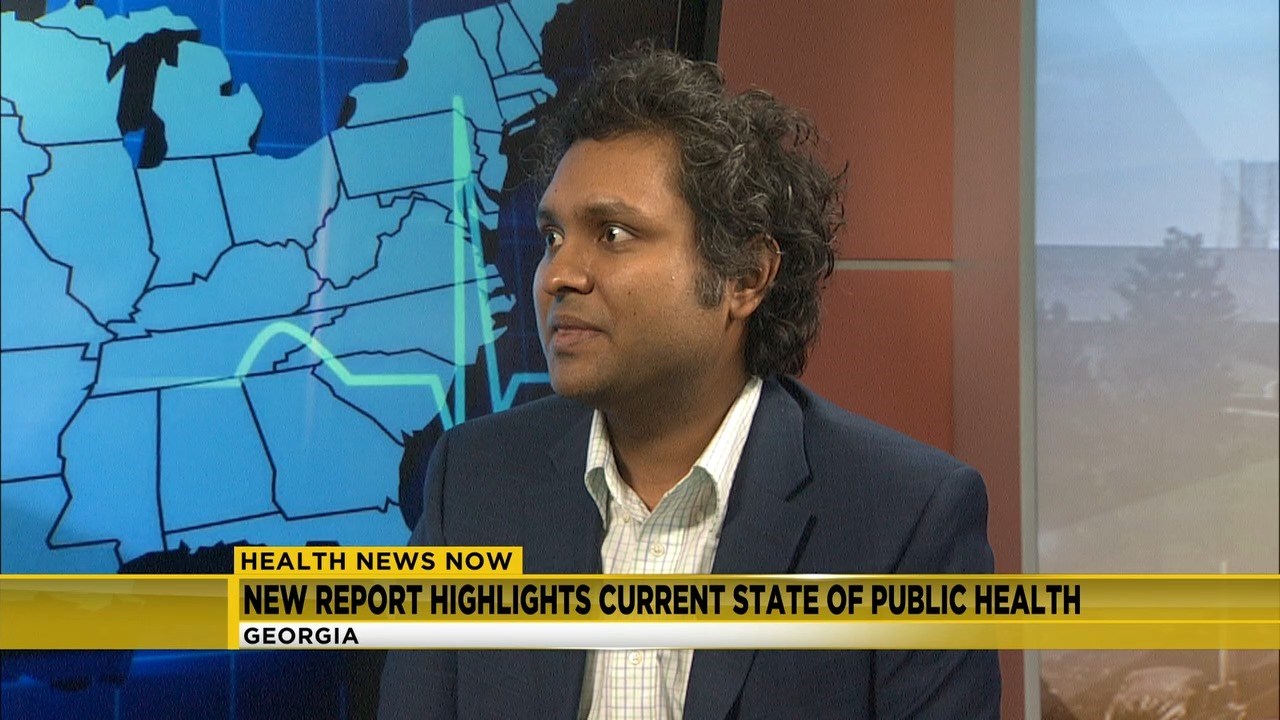
Augusta University’s second annual Healthy Georgia Report has been released, offering a snapshot of health in the Peach State as compared to not only neighboring states, but also the entire country. While Georgia’s population is doing well in some key health factors, researchers also found areas that could benefit from more awareness and public policy action. Biplab Datta, PhD, assistant professor in the Institute of Public and Preventive Health and the Medical College of Georgia’s Department of Population Health Sciences, collaborated with other IPPH faculty and staff to update the report and add new categories this year. The goal of the report is to connect with lawmakers, community leaders and researchers, stimulate conversations about public health needs and promote action, such as greater community engagement, research for informing effective policies and appraisal of required funds. “We need to make lawmakers aware of the public health situation in the state of Georgia,” said Datta. “We hope this report will help identify areas that need policy attention. It can also play an important role in bridging the gap between researchers and policymakers.” Using 2021 data from the Behavioral Risk Factor Surveillance system, the National Survey of Children’s Health, the American Community Survey and the Center for Disease Control and Prevention’s COVID Data Tracker website, the report was compiled on numerous health topics. Some categories studied include high cholesterol, hypertension, obesity, arthritis, asthma, cancer, cardiovascular diseases, alcohol consumption, diabetes and more. It also broke down each category by age, sex, race, income level and other socioeconomic indicators to get a full representation of the data. New to the study this year is an in-depth look at health insurance coverage, COVID-19 vaccinations, breastfeeding, child maltreatment, and unmet healthcare need of children. Georgia ranks 49th in the nation when it comes to health insurance coverage. That was a surprise to Datta. “I didn’t expect the numbers to be that bad, but I think it also indicates the scope of work that we need to undertake to improve insurance coverage in Georgia,” he said. Another surprise was the low rate of flu vaccination in Georgia. “We know there is a difference between whites and Blacks in the U.S. But when we look at and compare Black people in Georgia with Blacks in the rest of the southeastern states, we see the flu vaccination rate was significantly lower among Blacks in Georgia. This is an issue that warrants further research to understand the underlying causes of such disparity,” said Datta. As it was a year ago, hypertension remains a concern. There are several issues involved when talking about hypertension but there are also straightforward ways to improve the condition Datta said. “I think one of the core components of hypertension control is just changing some behavioral stuff. If we just reduced the sodium content in our daily diet, if we do regular physical exercise for a certain amount of time that will significantly improve our hypertension management. Community-level initiatives to make people aware of these things can make a real difference,” said Datta. Residents in Georgia are doing better in several areas such as obesity, cancer rates, asthma prevalence and depressive disorders. Datta said it’s important to recognize these improvements so we can learn from them. “We need to figure out where we are doing well and use that experience in areas where we are not doing so well. It will help us move toward the right direction.” He added it’s important to always be looking for ways to evolve the study, and that includes adding new categories when enough data is available. “We didn’t cover sexually transmitted diseases in this year’s report, which we would like to add when data will become available. We’d also like to add teenage pregnancy, maternal health issues, gun violence and opioid use,” he said. Looking to learn about health in the Peach State? Then let us help. Biplab Datta is available to speak with media regarding this important topic. Simply click on his icon now to arrange an interview today.



Cancer Program Earns Reaccreditation From the Commission on Cancer
Report cited zero deficiencies and highlights leadership, innovative programs and strong research program The Commission on Cancer, a quality program of the American College of Surgeons, has granted three-year reaccreditation to the cancer program at ChristianaCare’s Helen F. Graham Cancer Center & Research Institute, one of the original National Cancer Institute Community Cancer Centers Program sites in the U.S. ChristianaCare has received accreditation since 1951. To earn accreditation, a cancer program must meet 34 quality care standards, be evaluated every three years through a survey process and maintain levels of excellence in the delivery of comprehensive patient-centered care. The Commission cited zero deficiencies during its site visit and in its final report. “Earning this prestigious accreditation with no deficiencies cited is a testament to the unparalleled expertise and quality of care our entire team at the Graham Cancer Center provides to our patients and community across the continuum of cancer care,” said Nicholas Petrelli, M.D., Bank of America Endowed Medical Director of the Helen F. Graham Cancer Center & Research Institute. “Patients in the communities we are privileged to serve can be assured of groundbreaking cancer treatments, innovative technology, state-of-the-art research, prevention, education and the most caring, dedicated team anywhere.” “Innovative programs that address community need” The Graham Cancer Center was recognized in the reaccreditation report for taking a multidisciplinary approach to treating cancer as a complex group of diseases that requires consultation among surgeons, medical and radiation oncologists, diagnostic radiologists, pathologists and other cancer specialists. This multidisciplinary partnership results in exceptional patient care. In its performance report, the Commission on Cancer praised the Graham Cancer Center’s leadership that has built a “culture of continual process improvement across all areas from prevention, screening, treatment and support for the patient.” It highlighted “innovative programs that address community need,” such as its on-site primary care practice and its Oncology Express Unit, which offers urgent care for patients with advanced disease. The report also stated that the “research trial offerings are a strong point.” Clinical trials test new drugs and combinations of treatments, as well as new techniques using surgery, radiation therapy, gene therapy, immunotherapy and biologics. ChristianaCare is among the national leaders in cancer clinical trials; patient enrollment rates into clinical trials at the Graham Cancer Center are at 29% which is seven times the national average. A national standard for accreditation The Commission on Cancer accreditation program provides the framework for the Graham Cancer Center to improve its quality of patient care through various cancer-related programs that focus on the full spectrum of cancer care including prevention, early diagnosis, cancer staging, optimal treatment, rehabilitation, life-long follow-up for recurrent disease and end-of-life care. When patients receive care at a Commission on Cancer-accredited facility, they also have access to information on clinical trials and new treatments, genetic counseling and patient-centered services including psycho-social support, a patient navigation process and a survivorship care plan that documents the care each patient receives and seeks to improve cancer survivors’ quality of life. Like all Commission on Cancer-accredited facilities, the Graham Cancer Center maintains a cancer registry and contributes data to the National Cancer Database, a joint program of the Commission on Cancer and American Cancer Society. This nationwide oncology outcomes database is the largest clinical disease registry in the world. Data on all types of cancer is tracked and analyzed through the database and used to explore trends in cancer care. Cancer centers, in turn, have access to information derived from this type of data analysis, which is used to create national, regional and state benchmark reports. These reports help facilities with their quality improvement efforts. Established in 1922 by the American College of Surgeons, the Commission on Cancer is a consortium of professional organizations dedicated to improving patient outcomes and quality of life for patients with cancer through standard-setting, prevention, research, education and the monitoring of comprehensive, quality care. There are currently more than 1,500 Commission on Cancer-accredited programs in the U.S. and Puerto Rico that diagnose and treat more than 70% of all patients newly diagnosed with cancer.


Award jointly given to President and CEO Dr. Janice Nevin and Chief Digital and Information Officer Randy Gaboriault ChristianaCare has earned the Transformational Leadership Award for excelling in its development and deployment of transformational information technology that improves the delivery of care and streamlines administrative services. Presented by the College of Healthcare Information Management Executives (CHIME) and the American Hospital Association, the award is jointly bestowed to Janice Nevin, M.D., MPH, ChristianaCare’s president and CEO, and Randy Gaboriault, MS, MBA, ChristianaCare’s chief digital and information officer and senior vice president. “Their trailblazing commitment to rapid transformation has set an example for the entire industry in how to pursue a leadership vision with determination, brilliant planning and courage to overcome all challenges,” said CHIME President and CEO Russell P. Branzell. Under the leadership of Nevin and Gaboriault, ChristianaCare has created and deployed new organizational, digital capabilities for both patient and caregiver. Using voice-enabled technology, ChristianaCare HomeHealth patients can interact with an internally developed Alexa capability to guide them through their personalized daily therapy regimens. Similarly, ChristianaCare recently launched the ability for in-house postpartum patients to use an Amazon Echo device to ask questions, request help or communicate with their care team. Taking voice and digital capabilities further, in February 2022, ChristianaCare deployed an innovative tool called Moxi, a collaborative robot – or “cobot” – that can assist in the hospital by making deliveries and performing other non-clinical tasks so that nurses and other clinical caregivers can spend more time focused on what they do best: caring for patients. “Randy is a phenomenal leader, with a relentless focus on creating a culture of innovation for impact, solving for the most complex problems and delivering significantly improved outcomes,” Nevin said. “His work has made ChristianaCare a model for how transformative technology can help to create health so that every person can flourish.” ChristianaCare continues to be recognized for leading innovation in the health care industry. The organization was recently recognized by CHIME’s Most Wired program with Performance Excellence Awards in its acute and ambulatory categories. That level is reserved only for organizations that are considered leaders in health care technology who “actively push the industry forward” and are “realizing meaningful outcomes, including improved quality of care, improved patient experience, reduced costs and broader patient access to healthcare services.” “Under Dr. Nevin’s extraordinary leadership, we have made an intentional commitment to placing technology at the center of all our initiatives to enable our caregivers to best serve our patients,” Gaboriault said. “That commitment, reinforced by our organization’s core behavior to continuously look for new ways to innovate, means that we are able to introduce and leverage robotic nursing assistants in a way that drives meaningful value for both patients and providers. And because our caregivers embrace change, we are confident that we will be using our cobots to assume more tasks in the future, and enable our nurses to devote even more of their precious time to direct patient care.”


What Are Cardiac Arrest and Heart Attack?
Fast Action Saves Lives. When Buffalo Bills safety Damar Hamlin collapsed during an NFL game against the Cincinnati Bengals, it brought urgency to knowing signs of a cardiac arrest and what to do in case of a medical emergency involving the heart. It’s a common misunderstanding that cardiac arrest and heart attack are the same. They are different, but both are very serious heart problems and require fast action to save lives. "I think the very best bit of news for Mr. Hamlin is that the emergency medical technicians got to him very quickly." Heart attack and other conditions, including a rare type of trauma called commotio cordis, may disrupt the heart’s rhythm and lead to cardiac arrest. Commotio cordis can occur from a severe blow to the chest as in a sports injury. What is cardiac arrest? Cardiac arrest happens when the heart malfunctions and stops beating unexpectedly. Cardiac arrest is triggered by an electrical malfunction in the heart that causes an irregular heartbeat known as arrhythmia. The heart’s cardiac conduction system – or “electrical” system – is a specialized network of heart cells that keeps it beating regularly and effectively. With the heart’s pumping action disrupted, it cannot pump blood to the brain, lungs or other organs. Cardiac arrest often happens to people who didn’t know they had a heart problem. Symptoms of cardiac arrest Seconds after a cardiac arrest, a person becomes unresponsive, is not breathing or is only gasping. Death can occur within minutes if the victim does not receive treatment. Causes of cardiac arrest Cardiac arrest can run in families. People who have a family history of sudden cardiac death have a higher risk for sudden cardiac death. Other health problems can increase the chance of a deadly heart rhythm including: Heart disease (coronary artery disease). A heart attack. Heart failure. Hypertrophic cardiomyopathy. This makes the heart thicker and larger than normal. Blow to the chest that disrupts the heart rhythm as in commotio cordis. Speak with your health care provider to learn if you have a health problem that raises your risk of cardiac arrest; treatment of that problem may help lower your risk. Medicine often can control the heart rhythm. Helping someone having a cardiac arrest Cardiac arrest can be reversible in some victims if treated within a few minutes. Health professionals, family or friends and even strangers may be able to help a person right away who has cardiac arrest. First, call 911 and start CPR right away. Click here for CPR basics, including videos. Then, if an Automated External Defibrillator (AED) is available, use it as soon as possible. AEDs are often available in airports, malls, and other public places. Click here for how to use an AED. If two people are available to help, one should begin CPR immediately while the other calls 911 and finds an AED. In the ambulance and hospital, the person will receive emergency care. This care keeps the heart and lungs working to prevent damage to the body due to lack of oxygen. Doctors will try to find the cause of the cardiac arrest to prevent another one. AEDs are portable, life-saving devices designed to treat people experiencing sudden cardiac arrest, a medical condition in which the heart stops beating suddenly and unexpectedly. What is a heart attack? A heart attack occurs when blood flow to the heart is blocked. A heart attack is a circulation problem with the heart. A heart attack occurs when part of the heart muscle does not get enough blood and oxygen. This part of the heart starts to die. Symptoms of a heart attack The most common symptom of a heart attack is chest pain or pressure. Some people describe it as discomfort, squeezing, or heaviness in the chest. Other symptoms may be immediate and may include intense discomfort in the chest or other areas of the upper body, shortness of breath, cold sweats, nausea or vomiting. Some people feel symptoms in other parts of their upper body such as: Pain or discomfort in your back, jaw, throat, upper belly or arm. Sweat, feeling sick to your stomach or vomiting. Trouble breathing. Feeling lightheaded or suddenly weak. A racing or fluttering heartbeat. More often, though, heart attack symptoms start slowly and persist for hours, days or weeks before a heart attack. Unlike with cardiac arrest, the heart usually does not stop beating during a heart attack. The longer the person goes without treatment, the greater the damage. Heart attack symptoms in women can be different than men (shortness of breath, nausea/vomiting, and back or jaw pain). Address heart attack symptoms immediately Even if you’re not sure it’s a heart attack, call 911 if you have symptoms. Every minute matters. Emergency medical services staff can begin treatment when they arrive — up to an hour sooner than if someone gets to the hospital by car. These professionals also are trained to revive someone whose heart has stopped. Patients with chest pain who arrive by ambulance usually receive faster treatment at the hospital, too. Click here for CPR training classes held by the American Heart Association in your area.
