
Experts Matter. Find Yours.
Connect for media, speaking, professional opportunities & more.

What’s Next in the Trump Hush Money Case?
Professor of Constitutional Law James Sample talked to WCBS-TV regarding the matter of President-elect Donald Trump’s hush money case. Manhattan district attorney Alvin Bragg told the court that his office would be open to a four-year freeze on Trump’s sentencing while maintaining that it would continue to back the jury’s guilty verdict in the case. “If Judge [Juan] Merchan delays sentencing until after Mr. Trump’s term of office, that would be prudent and sensible under the indisputably extraordinary circumstances. But a delay in sentencing is not, nor should it be perceived to be, a prelude to a dismissal,” Professor Sample said.


The Great Trillion Dollar Wealth Transfer
Summary: Between now and 2026, over $1 Trillion of wealth will move from Canadian Baby Boomers to younger generations. Dubbed the “Great Wealth Transfer,” this change is underscored by a cultural shift toward “giving while living,” where seniors are motivated to share their wealth during their lifetimes, driven by factors including personal satisfaction, rising costs for younger generations, and tax efficiency. These shifts in wealth highlight the importance of open, informed Intergenerational conversations and the need for trusted financial advice to manage this transfer effectively. However, it risks widening wealth gaps between the haves and have-nots. Better financial literacy, tax planning, and a better understanding of real estate’s role in estate planning and wealth management are essential for ensuring equity and sustainable financial legacies. What it Means • The Largest Transfer of Wealth Is Happening Now: Between now and 2026, over $1 Trillion of wealth will move across multiple generations from Canadian Baby Boomers to their GenX and Millennial heirs. • A Culture Shift is Happening: Older Canadians are now, more than ever, “giving while living.” They actively want to share their wealth with younger family members while still healthy. In many families going forward, you won't hear that familiar phrase, "Hey Gram, Stop Spending My Inheritance!" • We aren't fully prepared for this shift: Families need informed, intergenerational conversations among themselves and with trusted financial advisors. They also need to better understand how some of their more significant assets, such as real estate, can provide tax-efficient ways to unlock and share wealth with younger family members. Boomers are sharing their wealth while they still have their health. Many Canadians have joined the growing trend of “giving while living.” This trend is not only changing societal norms but is also spreading like wildfire. The current economic climate, with out-of-reach housing prices coupled with Boomers wanting to witness the impact of their financial gifts, makes for a perfect storm. This storm, valued at 1 trillion dollars, could rebalance the distribution of wealth for many fortunate beneficiaries. Let’s explore what is motivating the Baby Boom generation in Canada to leave a living inheritance to a younger generation: 1. Psychological Reasons: Many seniors want to help their children or grandchildren with significant expenses such as education or home purchases. This provides a gratifying sense of pride. The logic is that they (children or grandchildren) will eventually get their money, so why not give it to them now when they need it the most? 2. Economic Reasons: Some parents or grandparents feel compelled to step in and help financially as they see their adult children and grandkids struggling. It may be to help fund education or to pay off debt such as a student loan. The burden of debt often delays other decisions, such as having children, traveling, or saving for a down payment on a first home or a bigger home to accommodate a larger family. And the price of homes today is well beyond the means of the younger generation, even without student debt. 3. Personal Reasons: Older Canadians often find joy in seeing their financial contributions positively impact their loved ones during their lifetime. Sometimes, there are some less conspicuous motivators as well. Improving their children’s financial situation may entice them to have precious grandchildren, or providing financial assistance could allow the gift giver to have a say on how the money is spent—something they would have less control over if they were deceased. 4. Tax Savings: Distributing wealth while alive can reduce the size of an estate and minimize probate fees. And with the popularity of RESP's and TFSA's there are options to gift or contribute to these plans that may offer tax advantages. And some seniors aim to avoid conflicts by distributing assets directly, ensuring clarity and fairness. 5. Cultural Reasons: Traditional notions of inheritance and family values are evolving. Many Baby Boomers see their wealth as a tool to uplift and empower their families while they are alive and are able to counsel their families on preserving and spending the money wisely. This is an opportunity for seniors to create a legacy while alive. Sharing wealth can bring a sense of purpose, gratitude, and connection. For many, it’s an opportunity to strengthen family bonds and pass on values like generosity, financial literacy, and responsibility. Impact • A Wider Wealth Gap: This transfer of wealth could have a significant impact by increasing the income disparities between the haves and have-nots. According to figures from the Canadian Professional Accountants Association, at the end of 2022, the wealthiest families in Canada (the top 20 percent) accounted for two-thirds of the country’s net worth, while the bottom 40 percent accounted for just 2.6 percent. In this latest economic cycle of soaring inflation and growing credit card debt, the net worth of Canada’s least wealthy households is suffering. And while we’ve seen recent increases in capital gains taxes, more changes from the federal government will likely be required to bridge this wealth divide. • The Need for Honest Intergenerational Conversations. Let’s face it: having a transparent conversation with family members about death and money is awkward. But post-pandemic, we’re seeing more seniors looking closely at their financial and estate plans to see what they can do to pass on wealth to deserving and often younger family members. Getting to know the impact of one’s gifts has its practical advantages in addition to the karma generated. Whether it’s to help a family member buy their first home, pay down college debt or start a business, these gestures can be transformative for other family members and very satisfying for seniors. As the saying goes, "you can’t take it with you." • The Need for Trusted Advisors. For many of these younger beneficiaries lucky to receive this generational transfer, having a clear financial plan that extends to informed tax strategies will be vital. The entire community, from financial planners to accountants, lawyers and mortgage brokers, have a lot of work ahead of them, according to the research. A recent Ipsos Reid study suggests Canadians are primarily unprepared to manage their inherited money. The Ipsos poll (conducted on behalf of RBC Insurance) reveals that 61 percent of Canadians don’t feel knowledgeable about (or haven’t even heard of) the probate process or the process to establish the validity of a will, and 57 percent don’t know that specific insurance policies can mitigate estate tax burden. • Improved Financial Literary for All Ages. Conversations about money also need to extend to better discussions about how significant assets such as real estate holdings contribute to wealth. For instance, given a considerable proportion of many family estates are related to real estate and more seniors are looking to “Age in Place” at home, seniors and their adult children must understand various financial strategies, such as equity lending, that can give seniors the financial freedom to age in place while giving them the cashflow to help younger family members while reducing potential tax burdens. Getting to know the impact of one’s gifts has its practical advantages in addition to the karma generated. Whether it’s to help a family member buy their first home, pay down college debt or start a business, these gestures can be transformative for other family members and very satisfying for seniors. As the saying goes, "you can’t take it with you." The Bottom Line One thing is certain. This is an infrequent event, which, over the next few years, will benefit many. Much is on the line for families, the financial industry, and our government. We should expect to see more discussions on tax reform and addressing wealth disparities to ensure social stability and economic growth. And it will require the financial industry to adapt in a number of ways. For instance, how should we account for these demographic shifts and potentially longer lifespans in our guidelines and how we work with clients? I also hope we see more open and honest discussions about family legacy and financial literacy/education, which play a significant role in preparing the next generation to handle inherited wealth responsibly. As I continue research for my upcoming book, I'm looking closer at demographic trends, gaps in financial literacy, to how our industry needs to work better with Seniors in a way that recognizes these emerging cultural and economic shifts. I'd like to know what you think. Drop me a line in the comments, or reach out to me directly at our new website - www.retirewithequity.ca Don't Retire...Re-Wire! Sue


Does Donald Trump Like Seniors?
At 78, Donald J. Trump already has 13 years of experience as a senior citizen. During his previous presidency, he occasionally referenced his senior status, particularly when discussing issues affecting older Americans. For example, in the 2020 election campaign, he acknowledged his age and addressed fellow seniors directly in his messaging, sometimes referring to himself as part of the senior community. Looking at his record, Trump appears to have a complex relationship with seniors. While expressing support for essential programs such as Social Security and Medicare, he often weaves the needs of seniors into his rhetoric. Yet some of his policy decisions have created mixed feelings among older Americans and advocacy groups. While pledging to protect these programs, he’s considered budget-cut proposals to reduce the funding of both these programs. Plus, his administration attempted to repeal the Affordable Care Act. While even the smartest of experts have learned it’s difficult to predict what Donald Trump will do on key policy decisions, there are some clues as to how his move back into the Oval Office will impact Canada and, more specifically, seniors. This topic got me wondering. Does Trump (a senior himself), like seniors? Let’s look closer at this demographic. Everyone knows that older people are the most reliable voters. The stats are compelling. According to Elections Canada - 75% of Canadians aged 65-74 voted compared to 48% of those aged 18-24. - The statistics for our US neighbours are similar, with 70% of Americans aged 65+ voting and 50% of Americans aged 18-29 voting. Knowing this voting power of the senior demographic, did Trump pander to this voting cohort? Yes, he most certainly did. He knew that as people age, their concerns narrow to a smaller list of critical topics such as Financial Security, Health, and Safety. During his 2024 presidential campaign, Donald Trump focused heavily on appealing to older voters, who historically make up a significant portion of the electorate and are more likely to vote. His campaign emphasized economic stability, protecting Social Security and Medicare, and national security—particularly relevant to older demographics. Let’s take a closer look at how the Trump administration could impact Canada's senior demographic in the following areas: Inflation Background: Inflation has a direct correlation to the cost of living. As the prices of goods and services rise over time, the purchasing power of money decreases – a challenge for many seniors. Critical expenses like housing, healthcare, food, and utilities could increase noticeably, putting pressure on limited retirement incomes and pensions. All this is stressful. According to a 2024 national survey of over 2,000 Canadians (conducted by Leger on behalf of FP Canada), money remains the top stressor for Canadians, with 44 percent citing money as their primary concern; That's up from 40 percent in 2023 and 38 percent in both 2022 and 2021. What This Means: Two of Trump’s biggest promises in his campaign (mass deportation of undocumented immigrants and more restrictive trade regulations) would have a "significant impact," according to an article by Ellen Cushing in the Atlantic. A domestic labour shortage plus double-digit import taxes would raise food prices on both sides of the border. Cushing goes on to say that “deporting undocumented immigrants would reduce the number of workers who pick crops by 40-50%.” While this rhetoric may have played well during the campaign, you can't fake the simple math here. Fewer workers means higher wages. That means higher prices. And the senior demographic will be hit hard because of their fixed incomes. Many will eat less of the expensive grocery store items like fresh meat, fruits and vegetables to make ends meet. Food prices will inevitably climb with these policies. The only question is when. According to a new poll conducted for CIBC and Financial Planning Canada on November 27, 2023, approximately 75% of working Canadians still need a formal financial plan for retirement. And many retirees face economic difficulties. A whopping 25% are still carrying debt into retirement. Many also report they have a substantial portion of debt and report that their retirement lifestyle isn't as comfortable as expected. The impact of inflation could be dire with few solutions; it is different for these older Canadians because they cannot re-enter the workforce. The only saving grace is that many of the hardest-hit Canadians are homeowners with equity options. Interest Rates Prediction: According to Beata Caranci, SVP & Chief Economist of TD Bank, the US is likely to raise interest rates to control growth. Canada is also expected to increase its rates, mainly to keep the Canadian dollar stable against the U.S. dollar. The Bank of Canada could be forced to rescind the projected planned interest rate reductions or at least reduce them. However, it's a delicate balancing act. Our economy could suffer if we don’t mirror the US increases in interest rates. Impact: Increasing Canadian interest rates will impact seniors by increasing mortgage carrying costs. At the same time, older Canadians with investment savings could see increased returns on these savings. A rise in interest rates would also impact housing prices and foreign exchange rates. House Prices Background: Economic, demographic, and policy-related factors influence home prices in Canada. The new Trump administration will undoubtedly impact these factors. To understand this area, let's examine some significant variables affecting housing costs. 1. Supply and Demand When housing supply is limited, and demand is high, prices rise. Conversely, when supply exceeds demand, prices stagnate or fall. Should the new administration adopt more restrictive immigration policies in the US, Canada might see an increased influx of skilled workers and families seeking an alternative place to live. Housing demand will likely increase in major Canadian cities—Toronto, Vancouver, and Calgary- resulting in price increases. 2. Population Growth An increase in population or immigration boosts housing demand, particularly in urban centers, consequently increasing home prices. Canada welcomed 485,000 immigrants in 2024, many of whom settled in cities like Toronto and Vancouver. This influx has driven up demand for housing, contributing to price increases. The Canadian government has recently reduced the number of immigrants we allow into our country, dropping the number from 500,000 to 395,000 in 2025. Current immigration numbers plus any overflow from the US should keep demand buoyant and we could see home prices continue to rise. However, Canada needs more housing, especially in high-demand urban areas. In addition to immigration, slow construction timelines and zoning restrictions are contributing factors. Canada's ongoing housing shortage and the potential impacts of Donald Trump's election win in the U.S. could exert upward pressure on home prices, particularly in major cities like Toronto and Vancouver. These cities, already grappling with limited housing and high prices, will likely see further price increases due to increased demand. Without robust policy interventions to increase the housing supply, Canada’s housing prices, particularly in major centers, will likely continue rising. And there will be winners and losers here. This is great news for seniors wishing to sell and exit the market by finding other living arrangements, such as renting, moving in with family, or entering retirement homes. It is even better news for seniors wishing to age in place as they will have more equity to fund their retirement. But it’s disappointing news for those wishing to downsize and stay in the same communities. They may be able to sell high, but they could also be forced to buy high. 3. Foreign Currency Trump's policies, such as tax cuts and protectionist trade measures, have historically strengthened the U.S. dollar. If similar policies are reintroduced, the U.S. dollar could become more robust due to increased investor confidence and perceived economic growth in the U.S. That’s bad for Canadians traveling or living in the U.S. Trump's potential trade disputes, particularly with China, and his aggressive geopolitical stance could also create uncertainty in global markets. While this might temporarily strengthen the U.S. dollar as a haven, long-term concerns about trade wars and deficits could cause fluctuations, impacting the Canadian dollar's stability against the U.S. dollar. This volatility directly impacts Canadians, especially those with significant financial exposure to the U.S. dollar. A second Trump presidency will likely impact the exchange rate between Canadian and U.S. dollars, which is especially relevant for 85% of Canadian Snowbirds, who, according to Snowbird Advisor, spend winters in the United States. This number was estimated to be 900,000 in 2023. These seniors may face increased expenses for property taxes, utilities, and other daily living costs in the U.S. If exchange rate volatility persists, locking in more favourable rates or using specialized currency exchange services, US credit/debit cards with lower transaction fees, and using US dollar accounts might be wise - especially for more significant financial transactions. The Bottom Line One thing is certain. Trump's second term has the potential to impact many Canadian seniors if he implements the policies he discussed during his election campaign. While some could benefit financially from higher home equity and investment returns, many may need help with increased living costs, especially food and foreign exchange challenges, particularly Snowbirds and those on fixed incomes. While we are all watching this situation unfold, one thing is sure. It's difficult to predict if Trump’s second term will make Canadian or US seniors "great again."

Black Friday Shoppers Seek Deals on Electronics, Early Sales and Convenience in a Competitive Market
This year’s Black Friday shopping will bring a fresh wave of trends for both consumers and retailers. With electronics, online convenience and competitive pricing at the forefront, the landscape of Black Friday is evolving to match the shifting shopping habits of today’s consumers, said Baylor University consumer behavior expert James A. Roberts, Ph.D. Roberts – who serves as The Ben H. Williams Professor of Marketing at Baylor’s Hankamer School of Business – keeps a close watch on Black Friday, including what he sees as the Top 5 trends for holiday shopping in 2024. Top Trends for Black Friday 2024 The Shift in Shopping Habits: The balance between online and in-store sales remains steady, with consumers enjoying a 50/50 split in shopping preference, Robert said. While COVID-19 accelerated a surge in online shopping, this year, both are expected to perform equally as shoppers appreciate the flexibility of both options. Holiday Deals Start Early: As the competitive landscape has grown, Black Friday sales now launch weeks in advance. This early kickoff benefits consumers who are eager to lock in discounts and spreads out the typical holiday rush, providing retailers a longer window to capture consumer interest, Roberts noted. Electronics Dominate Sales: As in previous years, electronics will be the driving force of Black Friday 2024, accounting for nearly half of all sales. Roberts said that shoppers are especially focused on deals for televisions, laptops, smartwatches and gaming consoles – underscoring the lasting demand for high-quality technology at competitive prices. Gen Z and Millennials Drive Online Growth: Digital natives like Gen Z and Millennials continue to shape holiday shopping habits. Roberts said their comfort with online shopping – coupled with their mobile-first approach – makes them a powerful force in the online retail space. Retailers can expect these younger consumers to leverage social media, mobile apps and seamless e-commerce platforms for their holiday purchases. Rising Categories: Beyond electronics, Roberts predicts that other sectors will see strong sales this season, particularly in clothing, cosmetics and home appliances. As consumer preferences expand, brands in these categories should prepare for increased demand. Factors shaping consumer choices For Black Friday in 2024, competitive pricing and convenience remain top priorities, Roberts said. “Retailers who offer the best deals alongside quick and reliable delivery options stand out among consumers,” he said. Additionally, low-cost brands – such as Shein – have set consumer expectations for affordable pricing, even as “Buy Now, Pay Later” options have increased in popularity – though Roberts said retailers and consumers alike should be cautious when using this financing option at the risk of overspending. Future of Black Friday Looking ahead, Roberts said Black Friday’s trajectory appears geared more towards online channels, with each year seeing a slight shift away from brick-and-mortar shopping. Retailers are encouraged to keep an eye on pricing expectations and financing trends, as they’ll play an increasingly influential role in the holiday season. ABOUT JAMES A. ROBERTS, PH.D. James A. Roberts, Ph.D., is The Ben H. Williams Professor of Marketing at Baylor University’s Hankamer School of Business. A noted consumer behavior expert, he is among the "World's Top 2%" most-cited scientists in a database compiled by Stanford University. In addition to journal citations, Roberts has often been called upon by national media outlets for his consumer expertise and latest research. He has appeared on the CBS Early Show, ABC World News Tonight, ABC Good Morning America, NBC’s TODAY Show and NPR’s Morning Edition, as well as in articles in The New York Times, USA TODAY, The Wall Street Journal, TIME and many others. Roberts’ research has focused on how individual consumer attitudes and behavior impact personal and collective well-being. His research has investigated the factors that drive ecologically and socially conscious consumer behavior, the impact of materialism and compulsive buying on well-being and the impact of smartphone and social media use on personal well-being. He is the author of “Shiny Objects: Why We Spend Money We Don’t Have in Search of Happiness We Can’t Buy” and “Too Much of a Good Thing: Are You Addicted to Your Smartphone?”


PACs ... What Are They and How Do They Work?
Political Action Committees (PACs) are organizations that collect and donate money to political candidates, parties, or causes. They are formed to pool contributions from individuals, corporations, unions, or other groups to support candidates who align with their goals or to oppose those who do not. PACs play a significant role in U.S. politics, allowing interest groups to influence elections and public policy through financial contributions. There are two main types of PACs: Traditional PACs: These are established by businesses, unions, trade associations, or issue groups. They can donate directly to candidates, but their contributions are limited by federal law. Traditional PACs can give up to $5,000 per candidate per election and up to $15,000 to a political party. Super PACs: Also known as "independent-expenditure-only committees," Super PACs can raise and spend unlimited amounts of money to support or oppose political candidates. However, they are not allowed to coordinate directly with candidates or their campaigns. Super PACs often focus on media ads and public messaging to influence elections. The significance of PACs lies in their ability to amplify the voices of certain interest groups, industries, and ideologies within the political system. However, they are also a source of controversy, with critics arguing that they can lead to undue influence from wealthy donors and special interest groups over elected officials. This has fueled debates about campaign finance reform and the transparency of political donations. In the complex world of campaign finance, Political Action Committees (PACs) play a crucial role in shaping the political landscape, serving as a vital link between private citizens, special interest groups, and elected officials. Understanding PACs is essential to grasp the broader implications of how money influences political decisions, election outcomes, and policy-making. This topic is newsworthy as debates around the transparency, ethics, and impact of PAC contributions continue to shape public discourse, particularly in light of recent elections and campaign finance reform efforts. Key story angles that may interest a broad audience include: The role of PACs in modern elections: Exploring how PAC contributions influence candidates, elections, and policy decisions. Super PACs vs. traditional PACs: Analyzing the differences, including spending limits, transparency requirements, and their respective influence on campaigns. Campaign finance reform: Discussing current efforts to regulate PAC contributions, address dark money, and improve transparency in political donations. Ethical concerns surrounding PACs: Investigating the influence of special interest groups and corporations on political decision-making and their alignment with public interest. The rise of grassroots PACs: Highlighting citizen-driven PACs and their role in amplifying smaller donors and diverse voices in the political process. The future of PACs in digital campaigning: Examining the evolving tactics PACs use in social media and digital advertising to sway voters and influence public opinion. Connect with an expert about PACs and campaign financing: To search our full list of experts visit www.expertfile.com


Money vs Memories in Retirement
Summary: This article explores whether or not money or memories will bring more comfort to the elderly. It is written with the underlying assumption that there is already enough money to meet basic living expenses. As we age, the question of what will bring us the most comfort in our twilight years becomes increasingly relevant. For many, it comes down to two key aspects: money and memories. On the one hand, financial security provides a foundation of comfort, ensuring that one’s needs are met without the fear of lacking resources. On the other hand, cherished memories bring emotional warmth, helping individuals navigate the often-challenging aging journey. In this article, we will explore which of these two — money or memories—plays a more significant role in delivering comfort in old age, assuming one has enough financial resources to cover basic living expenses. While I appreciate that good health takes precedence over money and memories, we unfortunately do not have complete control over our health. However, we have control over our decision to save our money to give us comfort. Or we can choose to spend our money to create memories that will provide us with comfort. Financial Security: A Foundation for Comfort Money is a powerful enabler, allowing us to meet our needs and desires. It's particularly important in the context of aging because it can mitigate many of the hardships of growing older. 1. Access to Quality Healthcare: One of the most significant concerns for elderly individuals is health. With aging comes a higher likelihood of chronic conditions, disabilities, and the need for regular medical attention. Financial security allows individuals to afford quality healthcare, access advanced treatments, and have the freedom to choose the best facilities. Having sufficient money provides a critical safety net for those who experience sudden medical emergencies or need long-term care. 2. Comfortable Living Arrangements: As people age, they often face the decision of where to live. While some prefer to stay home, others may move to assisted living facilities or hire caregivers. Financial resources enable elderly individuals to choose comfortable living environments tailored to their needs and preferences. A well-maintained home, access to mobility aids, or a peaceful retirement community can significantly enhance an individual’s day-to-day life. 3. Freedom and Autonomy: Financial independence in old age allows for greater autonomy. With money, elderly individuals can control their lives by making choices that suit their preferences, such as travelling, pursuing hobbies, or supporting loved ones. The ability to make decisions about healthcare, leisure, or everyday living preserves dignity and independence, both of which are central to feeling comfortable and fulfilled. 4. Reducing Stress and Anxiety: Aging can bring about several uncertainties, especially health and mobility. However, financial security can significantly reduce the stress and anxiety of worrying about the future. Knowing that expenses, including potentially unforeseen ones, are covered allows elderly individuals to focus on enjoying life rather than constantly fretting over how to afford their basic needs. This peace of mind is invaluable in ensuring a comfortable old age. While money plays a crucial role in creating a foundation of comfort, it has emotional and psychological well-being limitations. This is where memories come into play. Memories: Emotional Anchors in the Journey of Aging As the years pass, memories become a primary source of emotional sustenance. They connect individuals to their past, their loved ones, and the experiences that shaped their lives. When people reflect on what matters most to them in old age, it’s often not material wealth but the moments that brought them joy, love, and meaning. 1. Emotional Fulfillment: Memories of joyful experiences, adventures, and time spent with loved ones can offer deep emotional fulfillment in old age. Recalling meaningful moments provides a sense of accomplishment and satisfaction, reminding individuals of the richness of their lives. For many, the bonds formed with family and friends, the challenges overcome, and the dreams pursued give life meaning and offer comfort in later years. 2. Connection to Loved Ones: As elderly individuals have fewer physical responsibilities, they often spend more time reminiscing. Positive memories help bridge the gap between generations, allowing the elderly to connect with their children, grandchildren, and even great-grandchildren. Sharing stories from the past strengthens family bonds and ensures that their legacy lives on, creating a sense of continuity and significance. 3. Combatting Loneliness: People may experience increased isolation as they age, particularly after losing a spouse or friends. In such times, memories serve as a balm for loneliness. Even in moments of solitude, recalling past experiences, adventures, or time spent with loved ones can bring comfort. Memories provide companionship in their own right, filling the gaps left by physical absence and reducing feelings of loneliness. 4. Identity and Self-Continuity: Our memories are integral to our identity. They help us understand who we are by reminding us of the paths we've taken, the challenges we’ve faced, and the triumphs we’ve celebrated. For elderly individuals, the ability to look back on a life well-lived reinforces their sense of self. Memories act as an anchor, helping them feel grounded as they navigate the changes that come with aging. 5. Psychological Resilience: Life is inevitably full of hardships, and old age is no exception. However, memories of overcoming past difficulties provide emotional strength and resilience. Looking back on moments of hardship reminds elderly individuals that they’ve faced challenges before and emerged stronger. This sense of resilience can be empowering in the face of the physical and emotional challenges of aging. Balancing Money and Memories It’s essential to recognize that money and memories are not mutually exclusive; they often complement each other. While financial security provides the external comfort and security needed to navigate old age, memories provide the internal warmth and emotional fulfillment that give life depth and meaning. In determining which offers more comfort, it’s essential to consider an underlying assumption: there is already enough money to meet basic living expenses. In this scenario, it becomes clear that while financial resources are essential, memories are more significant. Consider the following: 1. Life Experiences Are Often Enabled by Money: The ability to create cherished memories often depends on financial resources. Travelling, pursuing hobbies, and spending quality time with loved ones may all require money. However, the memories created from these experiences—not the money spent—bring lasting comfort. In old age, the satisfaction of having lived a rich life full of meaningful experiences often outweighs the material possessions acquired. 2. Financial Security Loses Meaning Without Emotional Fulfillment: Imagine having all the money needed in old age but lacking meaningful memories or connections to loved ones. In this case, wealth would bring only a hollow sense of comfort. With emotional fulfillment, money is likely to provide lasting satisfaction. In contrast, those with a lifetime of cherished memories may find comfort even in modest circumstances, as their inner wealth—their experiences—remains invaluable. 3. The Longevity of Memories vs. Material Wealth: As we age, our ability to enjoy material goods and external pleasures may diminish due to declining health or physical limitations. However, memories transcend physical limitations. Even if elderly individuals cannot travel or engage in once-loved activities, they can still find joy in recalling their past. In this sense, memories have a longevity that material wealth may lack. 4. Regret and Fulfillment in Old Age: Many studies have shown that people regret missed opportunities and unfulfilled relationships far more than financial shortcomings at the end of life. The things that bring peace and comfort in old age are often intangible: love, connection, purpose, and meaning. Memories of having lived a full life, having nurtured relationships, and having followed one’s passions often bring a greater sense of contentment than wealth alone. The Enduring Power of Memories In the context of aging, both money and memories play significant roles in creating comfort. Financial security provides the practical means to ensure health, independence, and a comfortable lifestyle, while memories offer emotional sustenance, a sense of identity, and a connection to loved ones. At Retire with Equity, we suggest everyone create an emergency fund of at least 5% of their retirement savings. One primary purpose of this fund is to pay for unexpected healthcare needs, such as assisted living or hiring caregivers. Given that basic financial needs are met, memories—those intangible, priceless moments—tend to provide the most incredible comfort in old age. They remind us of the richness of life, the love we’ve shared, and the experiences that have shaped who we are. While money offers external comfort, memories provide internal peace, warmth, and solace as we navigate the later stages of life. Ultimately, what will comfort us in our golden years is not how much money we have in the bank but how much life we’ve genuinely lived. Don't retire---Re-Wire

It's the right of every citizen - and with a presidential election less than two weeks away, a team of social workers from UConn are working to make sure every voice is heard as the U.S. choses a new leader on Nov. 5. Voting Is Social Work - a campaign led by Tanya Rhodes Smith, director of the Nancy A. Humphreys Institute for Political Social Work at the UConn School of Social Work - is getting a lot of attention for its work engaging social workers to help empower some of the most vulnerable and disenfranchised groups to get registered and cast their ballots in local elections. “Voting is complicated, and it’s intimidating, especially for vulnerable populations, like the unhoused, the formerly incarcerated, or those living in congregate care,” says Rhodes Smith. “We know that being a non-voter is a very isolating space, because voting is highly relational. Campaigns generally ignore non-voters— you don’t get campaign materials, or someone knocking on your door. Information on candidates in state and local elections in communities with low turnout can be very hard to find or even nonexistent.” That’s where social workers, explains Rhodes Smith, can play an important role in helping disenfranchised voters understand their rights – and register to vote. Money, Power, and Resources As co-founders since 2015, UConn’s Humphreys Institute has been the institutional home for Voting Is Social Work. Also known as the National Social Work Voter Mobilization Campaign, Voting Is Social Work supports nonpartisan voter engagement as central to social work’s mission, ethical mandate, and impact. “We’ve always believed that social work has the power to transform democracy,” says Rhodes Smith, “and we believe every social worker – and social service agency – should include nonpartisan voter engagement into their practice and work. Because we reach non-voters – those who are least likely to vote.” October 16 - UConn Today It's an initiative catching attention across the country. Research has linked voting to higher earning and education, better health outcomes, and lower rates of recidivism. But education is key, particularly for individuals with special circumstances, like the formerly incarcerated, people living in congregate care, and the unhoused. Homelessness comes with a new, unique set of challenges during an election cycle. However, homeless residents have protections, including voting rights. Nationwide, only 10% of unhoused people vote each year, according to the Institute of Political Social Work at the University of Connecticut. Many social workers in Connecticut are working to educate unhoused residents about their voting rights, according to UConn Social Work professor Tanya Rhodes Smith, director of the Nancy A. Humphreys Institute for Political Social Work. “When you ask somebody if they would like to check their voter registration, they may say, ‘I'm not eligible,’ or ‘I've never voted,’ and that's really important information for you to know,” Rhodes Smith said. “It really tells a story about them.” About 60% of eligible voters turnout in presidential election years, but increasing voting rates is important for local elections as well, Rhodes Smith said. “When you have 10% to 15% [voter turnout], that's not an accountable government, that's a government that's accountable to the 10% to 15%,” Rhodes Smith said. “We've seen it over and over in Bridgeport, that nothing changes because that turnout rate doesn't go up, and so there is no accountability when you have an unhealthy democracy.” October 10 - WNPR Looking to know more about this important work? If so, let us help. Tanya Rhodes Smith specializes in policy development, nonprofit administration, voter engagement and legislative advocacy. She's available to speak with media about this important topic - simply click on her icon now to arrange an interview.


With the college admissions application season in full swing, Robert Alexander, University Dean of Enrollment Management at Rochester, offers some perspective for all high school seniors as they begin to navigate the process and ultimately make a decision that is a match made, not a prize to be won. "When considering academic fit, don’t spend a ton time, energy and money trying to reverse engineer a way to game the system to find your way in. You don’t want to end up somewhere and find that you’re struggling just to keep your head above water, or that you’re swimming with sharks in a cutthroat and competitive environment. Once you identify a few characteristics that are important to your fit, then you can broaden your aperture to a range of schools that meet some of those parameters—the right size, campus type, focus, selectivity, and academic programs offered. "When it’s time to start filling out college applications, discern how you’ll tell YOUR story: in your essay or short answer responses; in how you determine which teachers you’ll ask to write recommendation letters; and in topics you raise in an interview. Remember, colleges aren’t looking for a single perfect archetype student, but rather a diverse array of students who are interesting in different ways. In fact, more important than someone who might be the “perfect applicant” is someone who acknowledges they’re not flawless, but wants to strive to become better. Find ways to convey what’s authentically you, emphasizing your strengths, but including some areas where you want to grow and change, and maybe some vulnerabilities, too. "As far as financial fit, don’t eliminate any college that seems like a great fit for you just because of the published sticker price. Colleges are required to have a net price calculator on their website. But the only way to know your exact cost is to apply for admission, academic merit scholarships, and federal and state grants."



Welcome to Retire with Equity: Where a New Retirement Journey Begins
Summary: A recent study reveals that 40% of Canadians over 50 feel financially unprepared for retirement. Retire with Equity aims to address this issue by educating retirees on the importance of leveraging home equity. The initiative emphasizes transparency, financial literacy, and personalized guidance to help seniors make informed decisions and achieve financial security in retirement. According to a recent National Institute of Aging study, almost 40% of Canadians over 50 feel they are not financially prepared for retirement. As a seasoned citizen myself, I know we can do better. That's why we've created Retire with Equity. It's time to help Canadians get the knowledge they need to make more informed financial decisions. My observations from my time in the industry, enriched by the research I've done over the past few years, clearly reveal a growing retirement crisis in Canada. I've worked in the banking and mortgage industry for over 25 years, specializing in equity lending, and spent the last 6 years as an executive at Canada’s largest Reverse Mortgage bank. Many people are struggling with mounting debt and no company pension. And they are living longer. Additionally, the long-term care situation in Canada has many seniors looking to age in place in their homes. Strategies like downsizing and moving in with family are often too simplistic and have little appeal to today's seniors. Some eventually, often begrudgingly, turn to home equity options such as reverse mortgages as a solution. However, Canadians are conservative by nature, and many think it is taboo to touch their equity (nest egg). Consequently, a reverse mortgage is a last resort. 76% of people over 65 are homeowners, many of which have built up a substantial amount of equity yet cannot afford to retire. (Source: Statistics Canada) Income is the only way to solve the retirement crisis. Many are choosing to work longer to delay spending savings. Some need to pay off debt to eliminate payments that will free up cash flow. Others do not have enough savings to retire. I saw the stress this caused watching my Mother “do without” in her retirement. With the benefit of experience, I now know there was a better way for her to finance her golden years. The Retirement Problem in Canada is Dire Many 55+ Seniors Don’t Have the Funds They Need: Many need an adequate budget and financial plan. And many don’t fully realize that employer and government pensions will fall short of their cashflow needs. Home Equity Unlocks Opportunities, But It's Misunderstood: Many retirees don’t fully understand the short—and long-term impacts of their home equity financing decisions. They rely on biased, incomplete, anecdotal information from friends and family. Seniors Need to Be Cautious: Homeowners are especially vulnerable targets for misinformation and fraud. However, this demographic does not have time to recover from a financial mistake. Making the wrong choices that affect how they finance retirement and protect themselves could leave seniors without enough money later when they need cash for costly expenses like health care. The Financial Industry Needs to Do More: There is a need for unbiased, transparent, and trusted sources of information on home equity options that are aligned with consumer interests. Gone are the days of cookie-cutter retirement plans and guaranteed pensions. Every Canadian needs to proactively craft their unique vision and path for retirement. Banking on My Experience The Retire With Equity mission is dedicated to helping retirees find the right combination of financial strategies to achieve their goals. The Equity Advantage One of the standout features of Retire with Equity's approach is our focus on home equity as a key component of retirement planning. For many Canadians, their home is their most significant asset, and unlocking its potential can be a game-changer. Whether through downsizing, refinancing, or reverse mortgages, Retire with Equity will offer guidance on integrating this valuable resource into a retirement strategy. The Human Touch At Retire with Equity, we promise to offer straightforward advice with a personal touch. It's not just about the numbers – it’s also about the dreams you have for retirement. We will bring patience, empathy, and respect to every conversation. And we won't forget our sense of humour, as retirement is supposed to be fun. We're committed to making things easy to access and understand, no matter where you are in life. Education is Everything Two of our core values are empowering education and epic transparency. Our online resources, webinars, and workshops will be tailored to demystify the world of finance for retirees and soon-to-be retirees, increasing their financial literacy. We will bring transparency to the vital information reserved for the small print, answering the questions retirees don't even know to ask. Whether you're a financial guru or just starting to think about your nest egg, we'll have something for you. A Senior-Friendly Approach Our approach will integrate technology with a user-friendly interface so that retirees can access their services without hassle. Gone are the worries of getting stuck in the weeds of complex interfaces or endless financial jargon. We bring "kitchen table" logic when explaining all financial details, no matter how complex the concept is. Stories that Inspire From coast to coast, Retire with Equity will share personal stories that help educate and motivate Canadians. We want to show you visible proof that it's always possible to rethink and revitalize retirement plans. Hearing from fellow Canadians who have successfully navigated the retirement waters offers hope for those still planning their way. Feelings of guilt and shame are common among retirees searching for retirement options. Learning about countless other retirees in similar situations often alleviates this guilt and shame. Join the Revolution Retire with Equity is more than just a company—it’s a movement. Canadians across the country will join in and transform their retirement years into the best chapter of their lives. Empowered by new tools and expertise at their fingertips, they will not just survive but truly thrive in retirement. As an "Equity Advocate," I pledge to help Canadians navigate the complexities of retirement in ways that educate, inspire, and entertain. I look forward to the conversation. Please subscribe to our regular updates and follow us on social media. Here's to the best years ahead! Don't Retire---Re-Wire! Sue
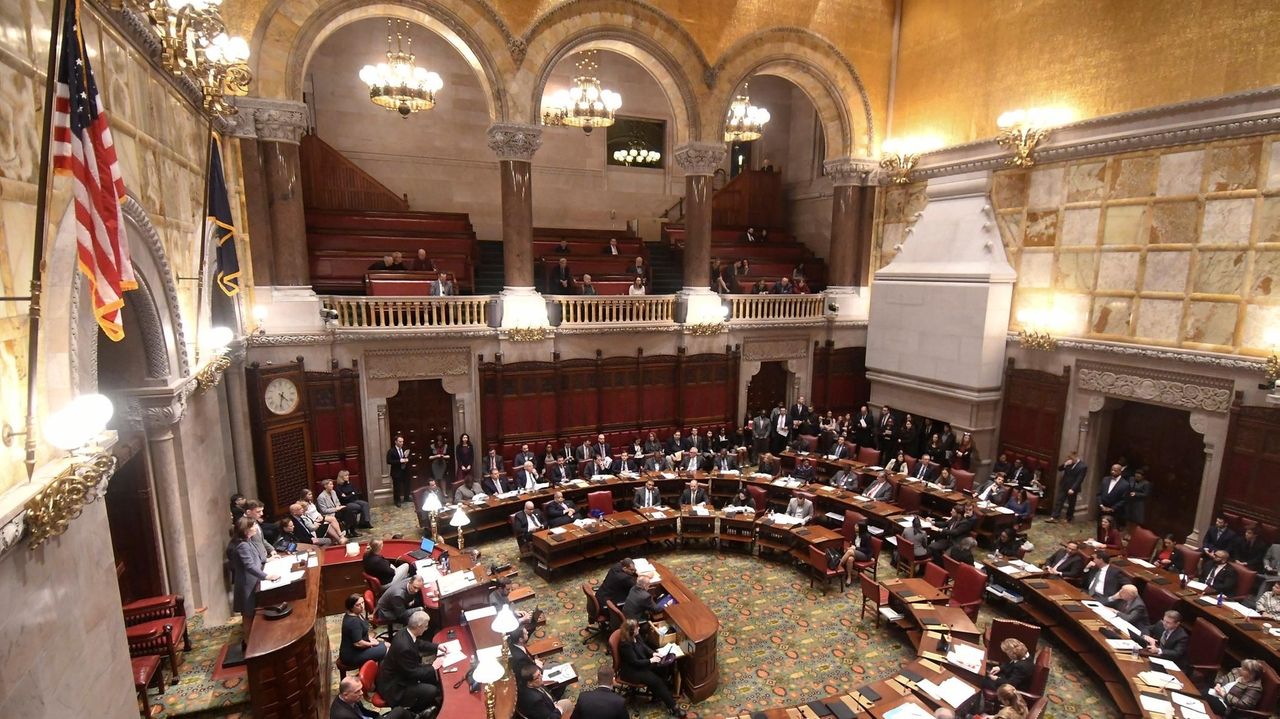
Dems and GOP Spending Supports Candidates in Local Elections
Newsday talked to Lawrence Levy, associate vice president and executive dean of the National Center for Suburban Studies, about upcoming local elections and how the GOP and Democrats are spending big dollars to support their candidates for the Senate and state Assembly. “The parties seem to be putting their money where it can make the most difference,” said Dean Levy.
