
Experts Matter. Find Yours.
Connect for media, speaking, professional opportunities & more.
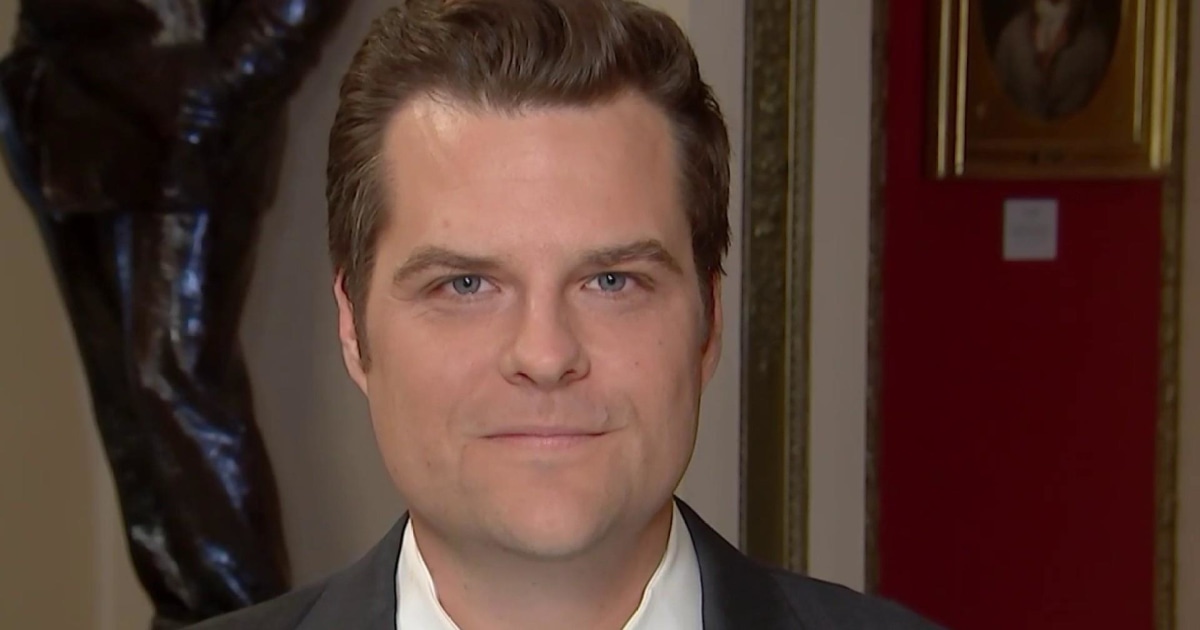
It was the testimony that had as much ramp up and hype as a Superbowl or a Star Wars movie. But last week, after Robert Mueller gave hours of testimony in front of lawmakers in Washington…not much has changed. The Democrats are still crying for impeachment over the obvious intonations of collusion and cooperation with the Russians. On the other side, the Republicans are calling it vindication – a truth they knew all along. So, two years later and 16 months before the next election – where to know? Is impeachment the right path for Democrats still looking for blood? Do both sides need to focus on governing and ensuring the economy doesn’t turn? Is it time no for policy and ideas as we all look towards 2020? We are living in interesting times, and if you are a journalist covering this topic – let us help! Mark Caleb Smith is the Director of the Center for Political Studies at Cedarville University. Mark is available to speak with media, simply click on his icon to arrange an interview.


Social media and the road to 2020
It was supposed to be a summit to discuss social media with lawmakers, political campaigners and social media gurus. But never missing an opportunity to take a swipe at Silicon Valley, President Trump unleashed on the tech industry at the White House’s Social Media Summit. “Trump delivered his diatribe against Facebook, Google and Twitter — charges of political bias that all three companies long have denied — at an event at the White House featuring Republican lawmakers, GOP campaign strategists and social media meme-makers, a move that led some critics to express dismay that the president aimed to use the policy summit as a reelection push.” - July 11, Washington Post But will social media play the role it did in previous elections? Has the fad faded or accounts, influencers, followers and friends still as vital as ever? And what have we learned from the past election about account data being used to sway voters? There’s still a lot to know, and that’s where we can help. David A. Schweidel is Professor of Marketing at Emory University’s Goizueta Business School. He’s an expert in the areas of social media and is available to speak with media – simply click on his icon to arrange an interview.



The Increasing Tension Between the U.S. and Iran
Two oil tankers were attacked in the Gulf of Oman and an unmanned drone was shot down in the last two weeks, escalating tensions between the United States and Iran. After a last-minute bailout of a retaliatory airstrike, President Donald Trump announced additional sanctions against Iran on June 24. Lowell Gustafson, PhD, a political science professor, taught American foreign policy and a course titled "Theories of War and Peace" for several years. He says, with the talk of airstrikes and President Trump claiming there will be "obliteration like you've never seen before," Congress needs to step in. "Congress should immediately hold hearings and vote on exactly what conditions would need to be met before such an order was given. Before Congress makes an initial authorization to use force against Iran, the military should not follow any order to do so by the President. Our founders gave Congress the power to declare war since a single executive, whether monarch or president, should not have the authority to make such a weighty decision unilaterally." Dr. Gustafson noted that so far, sanctions have proven counterproductive and a "unilateral presidential decision to use force undermines American constitutional democracy." He said the president's failure to think systematically about this issue leaves us moving from tactic to tactic.


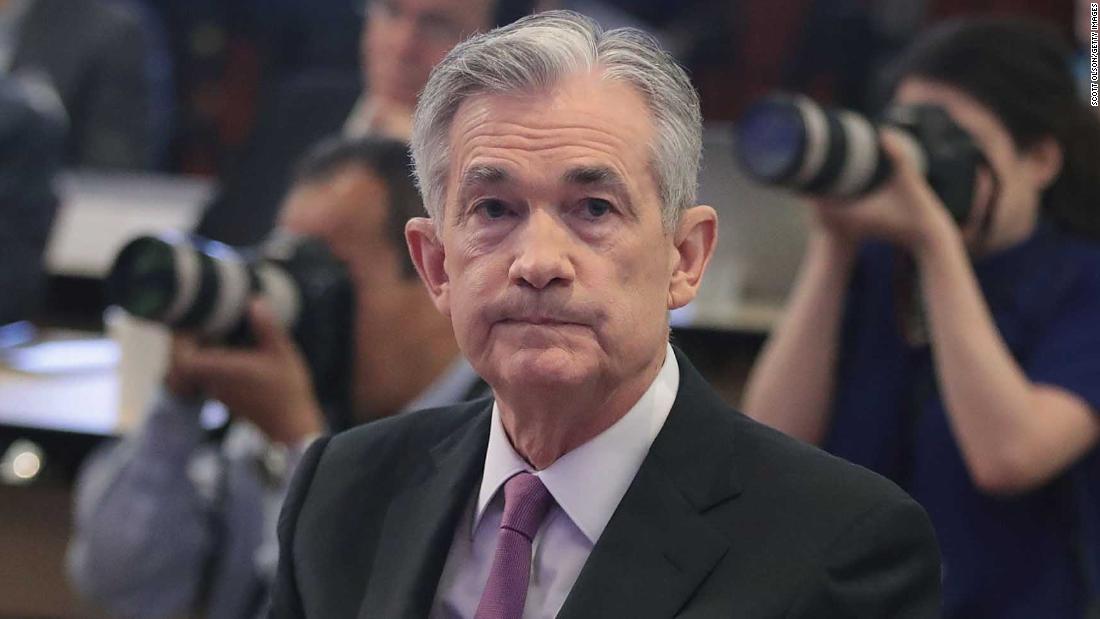
Not this time, but expect interest rates to get cut soon – our expert can explain why
It was all eyes on the Fed this week, but when it came to decide, Federal Reserve Chairman Jerome Powell held U.S. Interest rates steady and unchanged. The pressure was on to lower the rates amid serious concerns that the current trade wars and tariff action could start impacting America’s economy and slow it down. Narayana Kocherlakota, the Lionel W. McKenzie Professor of Economics at the University of Rochester wasn’t surprised by the June decision to remain steady. And with serving six years as president of the Federal Reserve Bank of Minneapolis, his expertise and perspective indicates lower rates will come at the next meeting. “I am not expecting a change in policy, which means the interest rates should remain the same. What I am expecting is a lot of discussion, which takes place in secret, about cutting interest rates by a quarter percentage point at their next meeting in July. Why would they do that? The Federal Reserve is tasked with trying to keep inflation at 2 percent and keep unemployment low. Right now unemployment is about as low as it’s been in the past half-century, which is very good. Inflation remains lower than the Federal Reserve would like—it’s been below 2 percent for most of the last seven years. I think they’re mainly worried about risks. There are signs of risk around the world partly due to big variations in trade policy emerging from the White House. So, the Fed is thinking about cutting rates now in order to keep the economy as healthy as possible, if there’s any danger of a recession.” University of Rochester Newscenter. Will lower rates really keep America’s economy humming? Won’t lower rates impact the strong US dollar? And if we are headed toward recession, what else can de done to turn the economy around? There are a lot of questions – and that’s where our experts can help. Dr. Narayana Kocherlakota was the President and CEO of the Federal Reserve Bank of Minneapolis from 2009-2015. As part of his responsibilities in that position, he served on the Federal Open Market Committee (FOMC), the monetary policymaking arm of the Federal Reserve System. He is currently a Lionel W. McKenzie Professor of Economics and is an expert in financial economics, interest rates and monetary policy. Narayana is available to speak with media regarding the economic effects of the shutdown – simply click on his icon to arrange an interview.



What will a ban on single-use plastic mean for small businesses in Canada?
Being environmentally friendly has become a popular trend. Climate change is occurring, and news stories of wasteful plastics clogging our waterways are becoming more frequent, making the battle against plastic waste an election issue. Earlier this month, Prime Minister Trudeau announced a ban on single-use plastics by 2021 that will likely include straws, plastic cups, food wrapping and grocery bags. It's evident, being environmentally friendly is in everyone's best interest, but business owners are concerned about what costs will arise as a result. Companies use plastics cups, lids and straws for take-out, plastic wrap as a significant part in food safety and freshness, and plastic bags for clients to transport purchases home. Even though these plastics are environmentally harming, some still see them as essential. There are more than 1.1 million small businesses in Canada, and most of them will have to adapt or adjust to: How will this impact their bottom-line? How slim are the margins already for most small retailers? Are incentives for businesses required before implementing this new policy? These are some of the critical questions to ask. If your small business will be affected, contact one of our experts to help. James Brutto, Manager at Freelandt Caldwell Reilly LLP, is an expert in the areas of accounting, auditing, finance and entrepreneurship. Contact James to arrange an appointment regarding this topic by clicking the contact button below. Sources:


Up, Down or Steady – What do Interest Rates Really Mean for Our Economy?
The heat was on Federal Reserve Chairman Jerome Powell this week to lower interest rates coming out of the June meetings of the Fed. He was under scrutiny from President Trump and others who share a growing worry that America’s economy could be slowing down and potentially turning toward recession. An option that is neither appetizing for investors, the business community or politicians looking for positive messaging as an election looms in 2020. Powell held the rates steady but there is massive speculation this will be for the last time and that rates will begin to be cut as of the next meeting of the Federal Reserve. There are a lot of questions about interest rates and the economy: How do rates encourage or dissuade investment and business? How much of a rate cut will it take to impact the economy? Do interest rates and the dollar go up and down in tandem? And how independent is the Fed and who influences these decisions? If you are covering, we can help. Jeff Haymond, Ph.D. is Dean, School of Business Administration at Cedarville and is an expert in finance and trade. Bert Wheeler, Ph.D. specializes in macroeconomics, international trade, economic development, and econometrics. Jeff and Bert are both available to speak to media regarding the current trade war with China – simply click on either expert’s icon to arrange an interview.


Man up…and get screened for cancer – June is Men’s Health Month.
June is Men’s Health Month and doctors are urging men, especially those over the age of 40, to get screened for cancers such as testicular, prostate and colorectal cancer. “The purpose of Men’s Health Month is to heighten the awareness of preventable health problems and encourage early detection and treatment of disease among men and boys. This month gives health care providers, public policy makers, the media, and individuals an opportunity to encourage men and boys to seek regular medical advice and early treatment for disease and injury. The response has been overwhelming with thousands of awareness activities in the USA and around the globe.” Men’sHealthMonth.org These cancers and other diseases are treatable if detected early; however, a lot of men still seem reluctant to book that visit and get checked. So why are men so slow to get checked? Do people realize early prevention can save lives? Do men know how devastating these diseases, if not caught early, can be on their life, sexuality and well-being? There are a lot of questions and answers that need to be addressed this June during Men’s Health Month and that’s where the experts from Augusta University can help. Dr. Jigarkumar Parikh is co-leader of AU Health’s Genito-Urinary Oncology Program and a medical oncologist specializing in kidney cancer, prostate cancer, bladder cancer and melanoma. Dr. Martha Terris is AU Health’s Witherington Distinguished Chair, Urology, and specializes in urologic cancers, including prostate cancer, bladder cancer and testicular cancer. Both experts are available to speak with media regarding Men’s Health Month – simply click on either profile to arrange an interview.


Cybersecurity – Is it finally getting the attention it deserves? Ask our experts!
It’s been talked about, dominated the news and has cost some companies billions – but it seems like finally America’s leaders are taking the issue of cybersecurity seriously. With an election looming and non-stop threats coming from enemies near and afar, it seems like America’s leaders are now on side in the battle against cybersecurity. Last week President Trump signed an executive order directing the creation of programs to grow and strengthen our cybersecurity workforce to meet the challenges of the 21st century. “America built the internet and shared it with the world; now we will do our part to secure and preserve cyberspace for future generations.” President Donald J. Trump It’s a lofty goal – and odds are an expensive one, but will it work? Who are the chief actors behind potential cyber-attacks? What are the key targets? What are the costs to secure America’s cyber-territory? And more importantly, what are the consequences if we do not? There are a lot of questions out there and that’s where out experts can help. Dr. Seth Hamman earned his Ph.D. in computer science with an emphasis in cybersecurity at the Air Force's graduate school, the Air Force Institute of Technology, located at Wright-Patterson Air Force Base. As a researcher he is interested in helping to shape the young and growing discipline of cybersecurity education. Contact him today for your story! Simply click on his icon to arrange an interview.
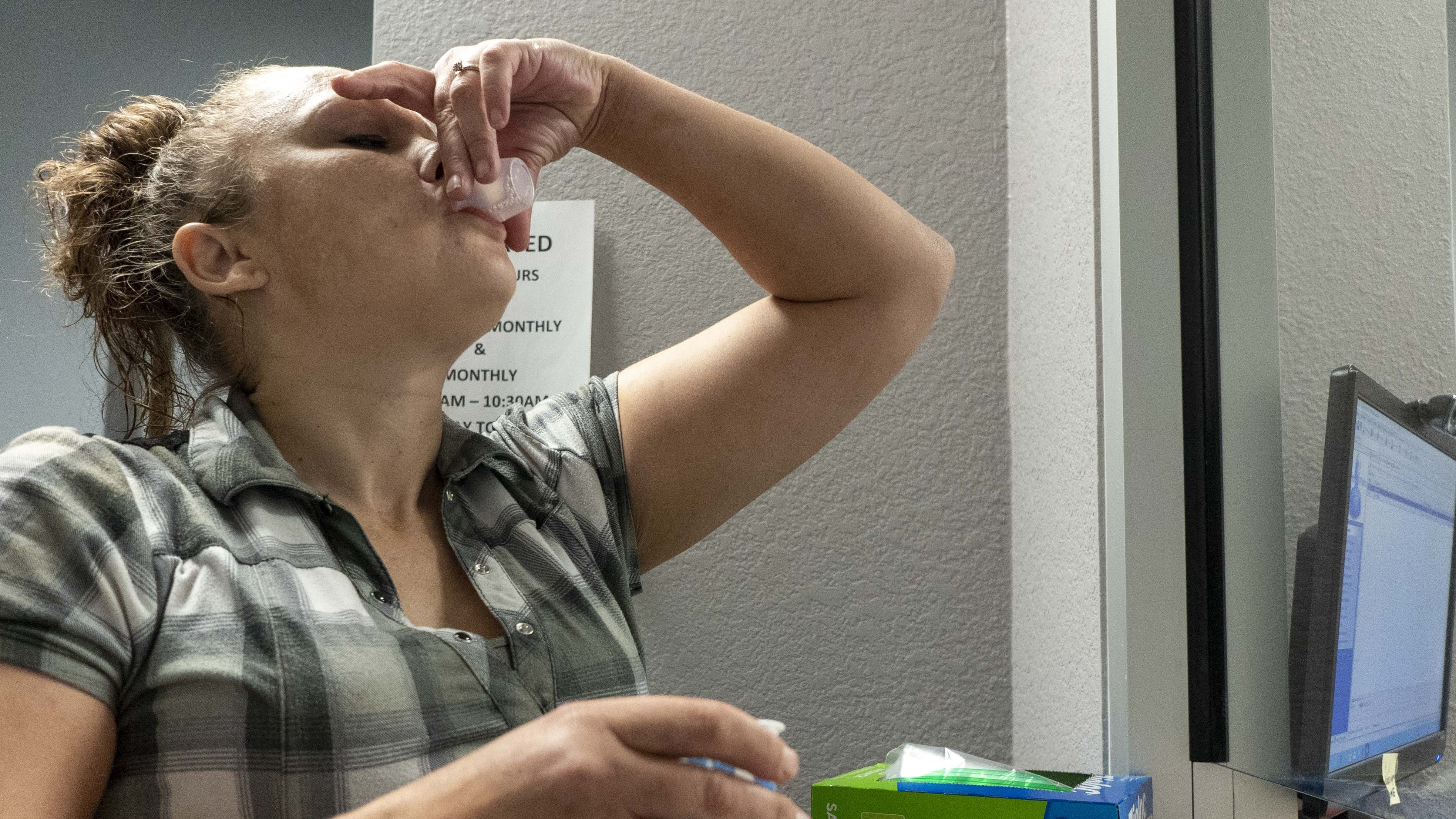
Opioid addiction is gripping America. It’s destroying lives, tearing apart families and devouring resources in policing and healthcare. As medical, mental health and addictions professionals look for solutions, often times accessible and public Opioid Treatment Programs, often known as a Methadone Clinic will open in communities. These clinics bring relief, treatment and support – but they also bring crowds, increased traffic and concern from local residents and the community. These concerns usually find their way to the media, where the attention can quickly turn negative. The solution to avoiding this scrutiny and making sure residents, business owners and community leaders are fully informed about the process, operation and security measures at these clinics are key to their success and integration. Questions such as: How was the site selected? How do you plan to control traffic flow and overcrowding? How will you manage parking and wait times? What are your measures to prevent diversion? Who can I speak to if I have questions or concerns about operations? CARF can speak to best practices, expectations, and requirements for when an opioid treatment program opens. Debbi Witham, Managing Director of Public Policy and is an expert in opioid treatment programs. Debbi is available to speak with media regarding this issue – simply click on her icon to arrange an interview.


The Fed Should Consider Lowering Rates say the Experts from University of Rochester
On Wednesday, the Chairman of the Federal Reserve will be delivering another interest rate decision that could direct or at least prompt a punch to the arm the country’s economy. In fact, according to Narayana Kocherlakota who is currently a Professor of Economics at the University of Rochester, and who also served as the President and CEO of the Federal Reserve Bank of Minneapolis from 2009-2015 – the Fed should be dropping rates to increase stimulus t an economy in very much in need of help. In a column (see attached) published this week in Bloomberg Opinion, Kocherlakota offered this perspective, So, the Fed has been falling short — arguably well short — of both its inflation and employment mandates for a long time. How can it do better? It should take two steps. First, as I’ve argued before, the Fed shouldn’t be reducing the vast holdings of bonds that it amassed in its efforts to stimulate the economy after the last recession. Instead, it should commit to increasing its asset holdings by about 4 percent per year. That way, as the economy grows over time, its balance sheet will remain sufficiently large to help combat any recessionary risks. Second, the Fed often says that it sets monetary policy based on the incoming economic data. Such claims ring hollow when we look at the record. Recently released transcripts from its June 2013 policy-making meeting show that more than half the participants thought inflation would be below 2 percent for the next 30 months. All thought unemployment would stay above 5.5 percent. Yet it was precisely at that meeting that they agreed to begin tightening by announcing their intention to ease off on bond purchases in the near future.” So, what can we expect from Wednesday’s decision by the Fed? Will we see a drop in rates? What will a higher interest rate look like and what would that mean for America’s economy? Or … if nothing changes and the Fed holds steady, what will that mean for the economy in the short term? There are a lot of questions and that’s where the experts from the University of Rochester are available. Dr. Narayana Kocherlakota was the President and CEO of the Federal Reserve Bank of Minneapolis from 2009-2015. As part of his responsibilities in that position, he served on the Federal Open Market Committee (FOMC), the monetary policymaking arm of the Federal Reserve System. He is currently a Lionel W. McKenzie Professor of Economics and is an expert in financial economics, interest rates and monetary policy. Narayana is available to speak with media regarding the economic effects of the shutdown – simply click on his icon to arrange an interview.