
Experts Matter. Find Yours.
Connect for media, speaking, professional opportunities & more.

Specsavers hearing clinic officially opened at Aston University on World Hearing Day
• Hearing clinic celebrates official opening to students, staff and NHS referrals on Friday 3 March • Training of audiology students is supported by on-site clinic • Free hearing tests made available in partnership with Specsavers. A new hearing clinic in partnership with Specsavers at Aston University celebrated World Hearing Day (Friday 3 March) with an official opening and drinks reception at its new clinic. Staff from both Specsavers and Aston University’s audiology department met to officially open the clinic and look around the facilities based in the School of Optometry. Both parties discussed the benefits of having a hearing clinic on campus and reflected on the positive impact the clinic is having on students and patients. The clinic, which is situated on the ground floor in the Optometry building on the University campus in Birmingham city centre, is run in partnership with Specsavers and offers hearing tests for free to students, staff and members of the public, while supporting the training of Aston University audiology students. As well as providing hearing tests, the clinic can dispense hearing aids and offer counselling and advice alongside a full aftercare package. The team also advises people on personalised noise protection and ear plugs for swimming. Specsavers is a key partner of Aston University, with graduates from both audiology and optometry going on to work for them. Last year, 62% of students who were placed in Specsavers clinics for support and training applied for jobs on graduation and got to interview. Of those interviewed, 61% are now employed by Specsavers. Claire Wilkes, audiology programme director at Aston University, said: “We cannot wait to see what comes next in this wonderful journey. So far the clinic has had a lot of interest and uptake of hearing appointments. We are delighted to be working alongside Specsavers. “Many of our students undertake work placements with the company, so we are very happy we’ve been able to grow our partnership further by opening this clinic on campus.” Humah Zaheer, Specsavers audiology director, who runs the clinic added: “I’m delighted to be involved in this initiative. As an Aston University audiology graduate from 2014 it feels like I’ve come full circle. Being able to offer students an insight into the ‘real’ world of audiology, as well as Specsavers, is a fantastic experience for their career development. “We’ve also been bowled over with the response from the public and are looking to expand the number of days we open the clinic from next year.” The hearing clinic on campus enables students to practice their clinical and communication skills in preparation for long term work placements off campus. The skills lab equipment mimics equipment in the NHS, helping students better prepare for placements. To find out more or book an appointment visit our website.


Researchers reveal CBD can counter epileptic seizures in children
• Aston University epilepsy model used to illustrate the mechanisms of seizure activity • Results suggest how CBD can be useful in the treatment of childhood epilepsy • New insight into potential future interventions for hard-to-treat epilepsy. Researchers at Aston University have contributed to the discovery of a previously unknown way in which cannabidiol (CBD), a non-psychoactive component of cannabis, can reduce seizures in many treatment-resistant forms of childhood epilepsy. A group of international collaborators, led by scientists at NYU Grossman School of Medicine, including a team from the Aston Institute of Health and Neurodevelopment at Aston University, found that CBD blocked signals carried by a molecule called lysophosphatidylinositol (LPI). LPI is found in our brain’s neurons and is thought to amplify nerve signals as part of normal function but can be hijacked by some epilepsies to promote seizures. The study, published in the journal Neuron, expanded on previous findings showing that CBD blocks the ability of the molecule LPI to amplify nerve signals in a brain region called the hippocampus. The current study argues that, for the first time, the molecule also weakens signals that counter seizures, further explaining the value of CBD treatment and the generation of seizure activity in epileptic people. As part of the research group, the Aston University team used a leading model of epilepsy, developed by Professor Gavin Woodhall, to perform recordings of electrical signals in brain cells taken from epileptic rodents, some of which had been treated with CBD. By doing this, they were able to pinpoint the molecular mechanisms by which CBD acts to prevent seizure activity in epileptic brains. Professor Woodhall, co-director of Aston Institute for Health and Neurodevelopment, said: “These new insights into epilepsy and the mechanism by which CBD works to stop seizures is the fruit of years of collaboration between neuroscientists in the UK and USA and our industry partner, GW Pharma. We are hopeful that it will lead to even better treatments in future”. Dr Stuart Greenhill, senior lecturer in neuroscience, Aston Institute for Health and Neurodevelopment added: "We are delighted that our epilepsy model is being used to make such meaningful breakthroughs in the mechanisms of epilepsy and is paving the way for a wider range of future treatments". Corresponding author Richard W Tsien, chair of the Department of Physiology and Neuroscience at NYU Langone Health, said: “Our results deepen the field’s understanding of a central seizure-inducing mechanism, with many implications for the pursuit of new treatment approaches. “The study also clarified, not just how CBD counters seizures, but more broadly how circuits are balanced in the brain. Related imbalances are present in autism and schizophrenia, so the paper may have a broader impact.” The results build on how each neuron “fires” to send an electrical pulse down an extension of itself until it reaches a synapse, the gap that connects it to the next cell in a neuronal pathway, and how this activity can change in a network which is likely to generate epileptic seizures. For more information about Aston Institute of Health and Neurodevelopment (IHN) please visit our website.


Aston University turns red to highlight World Encephalitis Day
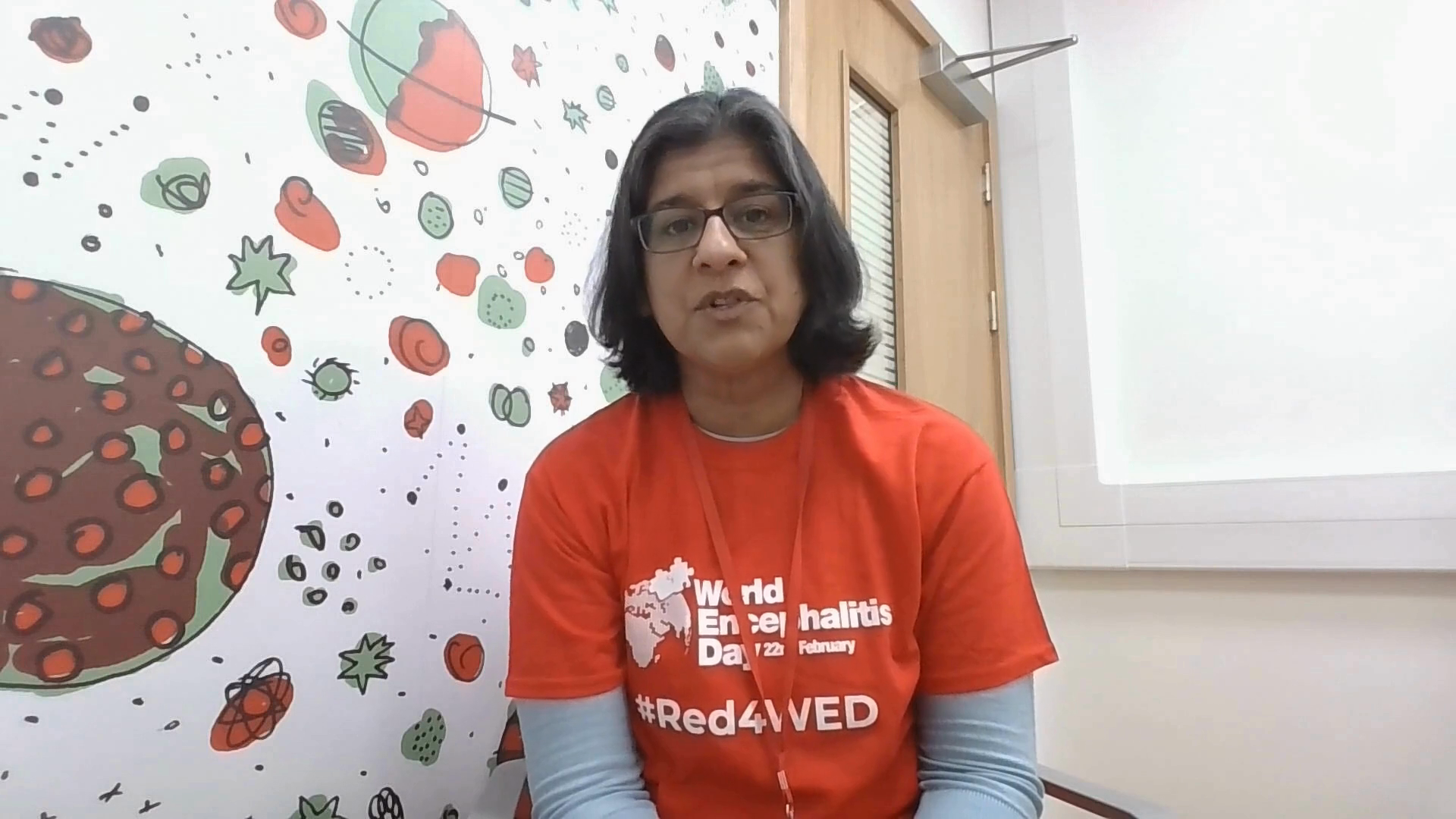
• Aston Institute of Health and Neurodevelopment (IHN) researchers support World Encephalitis Day on 22 February • Aston University library will be lit up in red – the official campaign colour • Staff and students are encouraged to wear red and tweet their photos in support of the campaign Researchers and staff at Aston Institute of Health and Neurodevelopment (IHN) are marking World Encephalitis Day (22 February) by lighting up the Aston University library on its campus near Birmingham city centre. The library will be lit up in red – the official colour of the campaign - to support and raise awareness of encephalitis and all those affected by the condition. The global awareness campaign, introduced by the charity the Encephalitis Society, is based on the theme of Code Red – an emergency alert code used in hospitals. Encephalitis is inflammation of the brain. It is caused either by an infection invading the brain or through the immune system attacking the brain in error. According to the Encephalitis Society, anyone at any age can develop the condition, with up to 6,000 cases in the UK each year and potentially hundreds of thousands worldwide. In the USA there were approximately 250,000 patients admitted to hospital with a diagnosis of encephalitis in the last decade. Researchers at Aston Institute of Health and Neurodevelopment are working closely with patients affected by the disease through their child-focused research programme. Dr Sukhvir Wright, honorary consultant neurologist at Birmingham Children's Hospital, and Wellcome Trust clinical research career development fellow at IHN, said: “IHN researchers know first-hand what children and families affected by encephalitis go through on a daily basis. That’s why we are fighting to answer the questions that matter most to this community through our work. “Our research includes, developing disease models to help try and improve treatments. We do brain imaging to identify biomarkers that might help predict outcomes and at the bedside of our patients we contribute up-to-date practical information and support for children and their families. This work is carried out closely in partnership with the Encephalitis Society.” As part of the awareness campaign IHN researchers are calling upon staff and students to show their support by wearing red on Wednesday 22 February - and share their pictures on social media. Please use the hashtags #Red4WED #WorldEncephalitisDay #TeamAston and remember to tag @Aston_IHN. For more information about Aston Institute of Health and Neurodevelopment (IHN) please visit our website.


ChristianaCare Launches Supplier Diversity Program
Making the organization more reflective of the patients and communities we serve To advance its commitment to diversity and inclusion, ChristianaCare has launched a supplier diversity program – the first among hospitals in Delaware – that supports greater equity among suppliers and provides equal access to purchasing opportunities at the health system. The new program opens the door for small and diverse businesses owned and operated by ethnic minorities, women, veterans, service-disabled veterans, LGBTQ+ individuals and persons with disabilities to do business with ChristianaCare. “ChristianaCare’s commitment to expand and strengthen our partnerships with diverse vendors and suppliers is integral to our strategic plan to embed equity throughout our operations and culture,” said Jennifer Garvin, vice president of Supply Chain at ChristianaCare. “As the largest private employer in Delaware, we want to continue to grow and develop our diverse network of suppliers and vendors and obtain the best products at the best price. “This program gives us a platform to connect with smaller, historically disadvantaged firms. “We often look to the suppliers and business partners in our supply chain to bring new ideas and fresh insights to the table – and we believe everyone should have a seat at that table,” Garvin said. “By formalizing our commitment to supplier diversity, we are making ChristianaCare more reflective of the patients and communities we are privileged to serve.” By emphasizing a culture of diversity throughout their business operations, organizations tend to attract and retain top talent, increase employee satisfaction, outperform competitors and make better business decisions, according to research published by McKinsey & Company on the impact of diversity on businesses. “By being purposeful where we purchase our goods and services, we can make a meaningful, measurable and lasting impact on the wellbeing of our neighbors and our local economy,” said Etmara Offe, senior program manager of Supplier Diversity at ChristianaCare, and the first person to hold a position dedicated to supplier diversity at a health system in Delaware. “We want to ensure that a wide range of diverse suppliers and vendors have opportunities to work with us by growing and developing our network through outreach and educational programs,” she said. Offe said that plans are in the works for a supplier mentoring program and outreach events in the year ahead. For more information, visit ChristianaCare Supplier Diversity – ChristianaCare. Diverse businesses can apply using the Potential Supplier Intake Form on the website.

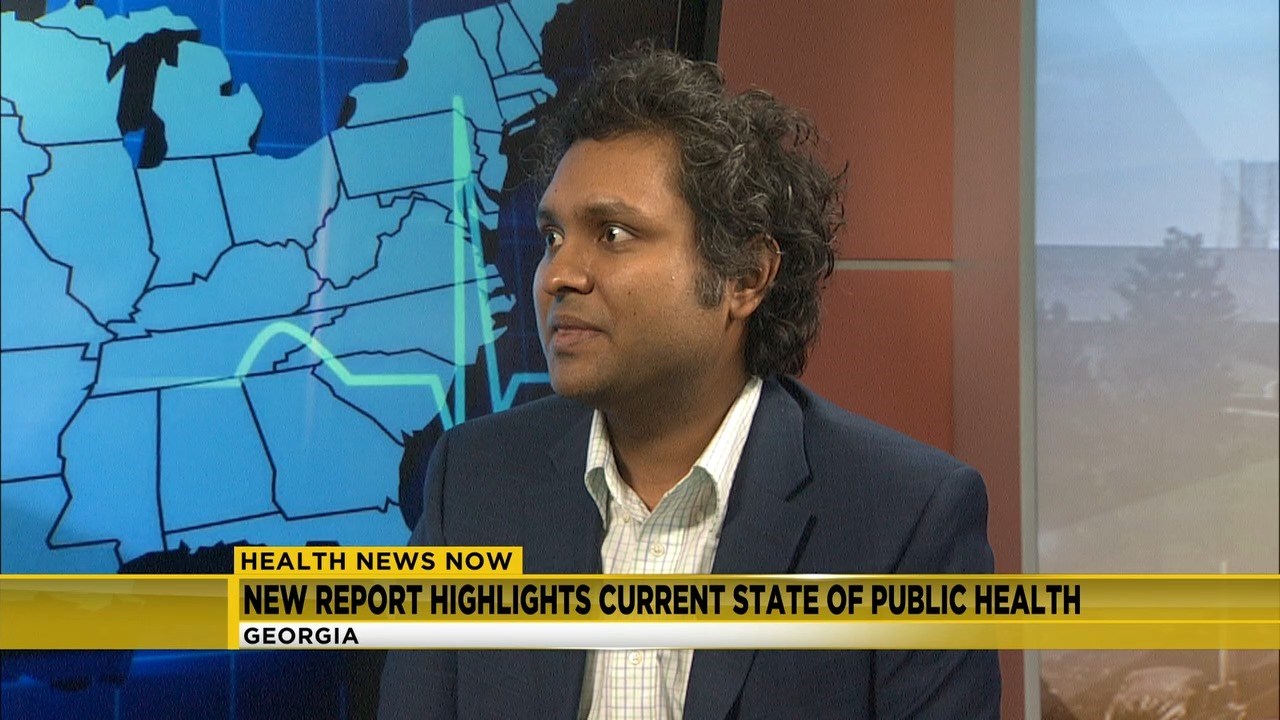
Augusta University’s second annual Healthy Georgia Report has been released, offering a snapshot of health in the Peach State as compared to not only neighboring states, but also the entire country. While Georgia’s population is doing well in some key health factors, researchers also found areas that could benefit from more awareness and public policy action. Biplab Datta, PhD, assistant professor in the Institute of Public and Preventive Health and the Medical College of Georgia’s Department of Population Health Sciences, collaborated with other IPPH faculty and staff to update the report and add new categories this year. The goal of the report is to connect with lawmakers, community leaders and researchers, stimulate conversations about public health needs and promote action, such as greater community engagement, research for informing effective policies and appraisal of required funds. “We need to make lawmakers aware of the public health situation in the state of Georgia,” said Datta. “We hope this report will help identify areas that need policy attention. It can also play an important role in bridging the gap between researchers and policymakers.” Using 2021 data from the Behavioral Risk Factor Surveillance system, the National Survey of Children’s Health, the American Community Survey and the Center for Disease Control and Prevention’s COVID Data Tracker website, the report was compiled on numerous health topics. Some categories studied include high cholesterol, hypertension, obesity, arthritis, asthma, cancer, cardiovascular diseases, alcohol consumption, diabetes and more. It also broke down each category by age, sex, race, income level and other socioeconomic indicators to get a full representation of the data. New to the study this year is an in-depth look at health insurance coverage, COVID-19 vaccinations, breastfeeding, child maltreatment, and unmet healthcare need of children. Georgia ranks 49th in the nation when it comes to health insurance coverage. That was a surprise to Datta. “I didn’t expect the numbers to be that bad, but I think it also indicates the scope of work that we need to undertake to improve insurance coverage in Georgia,” he said. Another surprise was the low rate of flu vaccination in Georgia. “We know there is a difference between whites and Blacks in the U.S. But when we look at and compare Black people in Georgia with Blacks in the rest of the southeastern states, we see the flu vaccination rate was significantly lower among Blacks in Georgia. This is an issue that warrants further research to understand the underlying causes of such disparity,” said Datta. As it was a year ago, hypertension remains a concern. There are several issues involved when talking about hypertension but there are also straightforward ways to improve the condition Datta said. “I think one of the core components of hypertension control is just changing some behavioral stuff. If we just reduced the sodium content in our daily diet, if we do regular physical exercise for a certain amount of time that will significantly improve our hypertension management. Community-level initiatives to make people aware of these things can make a real difference,” said Datta. Residents in Georgia are doing better in several areas such as obesity, cancer rates, asthma prevalence and depressive disorders. Datta said it’s important to recognize these improvements so we can learn from them. “We need to figure out where we are doing well and use that experience in areas where we are not doing so well. It will help us move toward the right direction.” He added it’s important to always be looking for ways to evolve the study, and that includes adding new categories when enough data is available. “We didn’t cover sexually transmitted diseases in this year’s report, which we would like to add when data will become available. We’d also like to add teenage pregnancy, maternal health issues, gun violence and opioid use,” he said. Looking to learn about health in the Peach State? Then let us help. Biplab Datta is available to speak with media regarding this important topic. Simply click on his icon now to arrange an interview today.



AI-Generated Content is a Game Changer for Marketers, but at What Cost?
Goizueta’s David Schweidel pitted man against the machine to create SEO web content only to find that providing an editor with bot-generated content trounces the human copywriter every time. Good news for companies looking to boost productivity and save cash, he says. But could there be other hidden costs? In December 2022, The New York Times ran a piece looking back on the year’s biggest consumer tech updates. The review was mixed. Ownership shifts in the world of social media garnered special mentions, but hardware innovations had been largely “meh,’ mused the Times. There was one breakthrough area that warranted attention, however: AI-powered language-processing tech capable of generating natural-looking text, the same technology that powers familiar chatbots. And one such technology could well be poised to “invade our lives in 2023.” Earlier in December, AI research lab OpenAI, released the latest update to its Generative Pre-Trained Transformer technology, an open source artificial intelligence. It’s latest iteration, ChatGPT, immediately went viral. Here was an AI assistant that sounded intelligent. Not only could it answer any question thrown its way without supervised training, but when prompted, it could also write blog posts, as well as find and fix bugs in programming code. ChatGPT could draft business proposals and even tell jokes. All of this at a speed that beggared belief. Since its first release in 2020, OpenAI’s GPT technology has powered through a slew of updates that have seen its capabilities leap forward “by light years” in less than 24 months, says Goizueta Professor of Marketing, David Schweidel. For businesses looking to harness this rapidly-evolving technology, the potential is clearly enormous. But aren’t there also risks that industry and consumers alike will need to navigate? Schweidel is clear that the academic community and initiatives such as the Emory AI Humanity Initiative have a critical role in asking hard questions—and in determining the limitations and dangers, as well as the opportunities, inherent in tech innovation—because, as he puts it, “these things are going to happen whether we like it or not.” Man Versus Machine To that end, Schweidel and colleagues from Vienna University of Economics and Business and the Modul University of Vienna have put together a study looking at how well natural language generation technologies perform in one specific area of marketing: drafting bespoke content for website search engine optimization, better known as SEO. What they find is that content crafted by the machine, after light human editing, systematically outperforms its human counterparts—and by a staggering margin. Digging through the results, Schweidel and his colleagues can actually pinpoint an almost 80 percent success rate for appearing on the first page of search engine results with AI-generated content. This compares with just 22 perfect of content created by human SEO experts. In other words, the AI content passed to a human is roughly four times more effective than a skilled copywriter working alone. Reaching these findings meant running two real-time, real-world experiments, says Schweidel. First, he and his colleagues had to program the machine, in this case GPT 2, an earlier incarnation of GPT. GPT relies on natural language generation (NGL), a software process that converts manually uploaded input into authentic-sounding text or content—comparable in some ways to the human process of translating ideas into speech or writing. To prepare GPT-2 for SEO-specific content creation, Schweidel et al. started with the pre-trained GPT-2, and then let the machine do the heavy lifting: searching the internet for appropriate results based on the desired keyword, scraping the text of the websites, and updating GPT-2 to “learn” what SEO looks like, says Schweidel. We partnered with an IT firm and a university to run our field experiments. This meant creating SEO content for their websites using GPT-2 and actual human SEO experts, and then doing A/B testing to see which content was more successful in terms of landing in the top 10 search engine results on Google. So this was an opportunity to put the AI bot to the test in a real-world setting to see how it would perform against people. The results point to one clear winner. Not only did content from GPT-2 outperform its human rivals in SEO capabilities, it did so at scale. The AI-generated content scored a daily median result of seven or more hits in the first page of Google search results. The human-written copy didn’t make it onto the first result page at all. On its best day, GPT showed up for 15 of its 19 pages of search terms inside the top 10 search engine results page, compared with just two of the nine pages created by the human copywriters—a success rate of just under 80 percent compared to 22 percent. Savings at Scale The machine-generated content, after being edited by a human, trounces the human in SEO. But that’s not all, says Schweidel. The GPT bot was also able to produce content in a fraction of the time taken by the writers, reducing production time and associated labor costs by more than 90 percent, he says. “In our experiments, the copywriters took around four hours to write a page, while the GPT bot and human editor took 30 minutes. Now assuming the average copywriter makes an annual $45K on the basis of 1,567 hours of work, we calculate that the company we partnered with would stand to save more than $100,000 over a five-year period just by using the AI bot in conjunction with a human editor, rather than relying on SEO experts to craft content. That’s a 91 percent drop in the average cost of creating SEO content. It’s an orders of magnitude difference in productivity and costs.” But there are caveats. First off, there’s the quality of the machine-generated content to consider. For all its mind-boggling capabilities, even the newly released ChatGPT tends to read somewhat sterile, says Schweidel. That’s a problem both in terms of Google guidelines and brand coherence. Human editors are still needed in order to attenuate copy that can sound a little “mechanical.” “Google is pretty clear in its guidelines: Content generated by machines alone is a definite no-no. You also need to factor in the uncanny valley effect whereby something not quite human can come off as weird. Having an editor come in to smooth out AI content is critical to brand voice as well as the human touch.” Asking the Big Questions Then there are the moral and metaphysical dimensions of machine learning and creativity that beg an important question: Just because we can, does that mean we should? Here, Schweidel has grave reservations about the future of ChatGPT and its ilk. The potential of this kind of technology is extraordinarily exciting when you think about the challenges we face from productivity to pandemics, from sustainable growth to climate change. But let’s be very clear about the risks, too. AI is already capable of creating content—audio, visual and written—that looks and feels authentic. In a world that is hugely polarized, you have to ask yourself: How can that be weaponized? At the end of the day, says Schweidel, the large language models powering these generative AIs are essentially “stochastic parrots:” trained mimics whose output can be hard to predict. In the wrong hands, he warns, the potential for misinformation—and worse—could well be “terrifying.” “Shiny new tech is neither inherently good nor bad. It’s human nature to push the boundaries. But we need to ensure that the guardrails are in place to regulate innovation at this kind of pace, and that’s not easy. Governments typically lag far behind OpenAI and companies like them, even academics have a hard time keeping up. The real challenge ahead of us will be about innovating the guardrails in tandem with the tech—innovating our responsible practices and processes. Without effective safeguards in place, we’re on a path to potential destruction.” Covering AI or interesting in knowing more about this fascinating topic - then let our experts help with your coverage and stories. David Schweidel is the Rebecca Cheney McGreevy Endowed Chair and Professor of Marketing at Emory University's Goizueta Business School. Simply click on David's icon now to arrange an interview today.



Researchers find mechanical stimulation could be used to help improve balance control The findings provide new information on whole-body vibration applications Paves the way for research on the interaction between the central nervous system and peripheral muscles. Mechanical vibrations could help improve our muscles and our balance control, according to research at Aston University. Researchers in the College of Engineering and Physical Sciences have examined the effect of stimulation on muscle spindles which ‘speak’ to the central nervous system to help keep us upright and walk straight. Their results provide new perspectives on whole-body vibration applications, paving the way for future research on the interaction between the central nervous system and the peripheral muscles. The research could in future be applied to improve balance in older people and help reduce falls, this could be applied through either wearable devices or with a daily session of stimulation. Hip fractures alone account for 1.8 million hospital bed days and £1.1 billion in hospital costs every year, excluding the high cost of social care. Another potential benefit of the research is that this type of stimulation could be applied to athletes to decrease their muscle reaction times. The goal of the study was to find out if mechanical vibrations can improve the way our bodies process and react to small body oscillations. Seventeen young male and female adult volunteers aged between 20 and 28 years old stood individually on platforms, similar to vibrating plates found in gyms, which caused leg muscle contractions. Calf muscles were targeted as the muscles whose action contribute the most to maintaining a stable upright posture. The researchers stimulated their calves with a frequency of 30Hz and recorded four one-minute trials of undisturbed balance to take a baseline measure and compared the readings to measurements taken after the stimulation. After conducting the experiment, they found that their balance seemed to have improved. The research, Sensorimotor recalibration of postural control strategies occurs after whole body vibration, was led by Dr Antonio Fratini, senior lecturer in mechanical, biomedical & design engineering, and PhD student Isotta Rigoni, and has been published in Scientific Reports – Nature. Dr Fratini said: “We’re excited by our results as they could have a beneficial effect on the health and quality of life of a large number of people. “Our results indicate that whole body vibration challenges balance at first, triggering a bigger effort to control the upright stance and shifting muscle modulation toward supraspinal control, resulting in a recalibration of muscle recruitment. The neuromuscular system seems to recover from such disruption and regain control over a longer time interval.” “Indeed, while muscle recruitment and cortical effort appear unaltered over the long term, the balance seems not only restored but also improved, besides the still clearly affected calf muscles.” For more information about our research or studying in the College of Engineering and Physical Sciences please visit our website.


• Researchers in the School of Biosciences partner with preclinical-stage biotechnology start-up company to develop drugs for fibrotic diseases • Professor Martin Griffin and team develop TG2 inhibitors to help treat a serious chronic lung disease called idiopathic pulmonary fibrosis. • Isterian Biotech is part of Cambrian BioPharma who have been working with Aston University since 2019. Aston University scientists are working with start-up company, Isterian Biotech, part of Cambrian BioPharma, to develop novel drugs to treat fibrotic diseases such as lung disease. The focus of preclinical-stage biotechnology company Isterian Biotech is on developing novel drugs to stop or reverse the pathological accumulation of crosslinked proteins commonly observed in all major organs with age. As we age a chronic increase of crosslinked proteins occurs in the extracellular matrix (ECM), that surround, support, and give structure to the cells and tissues in the body. These crosslinked proteins are difficult for the body to degrade and over time can make organs stiff and dysfunctional, ultimately resulting in fibrosis. Reversing the accumulation of these pathological crosslinks will greatly contribute to reducing fibrosis. The start-up is working to develop small molecule inhibitors of transglutaminase 2 also known as TG2, which is one of the major crosslinking enzymes in the human body, that becomes more active during ageing - thus resulting in fibrotic diseases such as a type of lung disease known as idiopathic pulmonary fibrosis (IPF). Isterian President and Chairman of the Board, Georg C Terstappen, PhD said: "Isterian's strategy of combining rational drug design with efficient multiparametric profiling of synthesized small molecules has been both impressive and highly productive. Notably, for one of our highly potent and selective TG2 inhibitors, we have recently demonstrated efficacy in a mouse model of lung fibrosis for the first time. "Using this state-of-the-art approach to drug discovery combined with an impressive team gives us great confidence in the future of this novel company." IPF is a progressive, irreversible disease that is characterized by pathological crosslinking of extracellular matrix (ECM) proteins (a large network of proteins and other molecules that surround, support, and give structure to the cells and tissues in the body) leading to excessive deposition of collagen. This means that in IPF scar tissue or fibrosis builds up around the air sacs (alveoli) in the lungs and reduces the ability to transfer oxygen that is breathed into the blood, resulting in severe restriction of lung capacity and function. IPF is the most common form of pulmonary fibrosis. The disease affects between 200,000 and 300,000 people globally. Statistics from the charity Action for Pulmonary Fibrosis suggest there are about 30,000 people living with IPF in the UK with an estimated 6,000 new cases of the condition each year. The disease usually develops in people aged 70 and older and is more common in men. But it can occur in younger individuals, particularly if there is a family history of idiopathic pulmonary fibrosis. The company was founded by capitalizing on over 35 years of scientific research from the laboratory of Professor Martin Griffin and his team Dr Dan Rathbone and Dr Vivian Wang at Aston University. Their work with small molecule inhibitors selective for TG2 has demonstrated reduction of fibrosis in multiple organs in a number of animal models. In 2019, Aston University partnered with Cambrian to form Isterian Biotech with a mission to develop safe and effective TG2 inhibitors to treat Idiopathic pulmonary fibrosis (IPF), a devastating fibrotic disease of the lung. Professor Martin Griffin, Biosciences Research Group, Aston University said: “We are delighted to continue our work with Isterian researching how we can further develop TG2 inhibitors to help tackle this awful disease.” CEO of Cambrian BioPharma, James Peyer, commented: "As Cambrian continues on its mission to build medicines that will redefine healthcare in the 21st century, we are very thankful to find brilliant scientists such as Martin and his team that are willing to break the mold. Isterian and its work to reduce fibrosis are a perfect fit alongside the other pipeline companies our team has announced in 2022." The company's current pipeline includes an advanced preclinical-stage TG2 inhibitor for inhaled administration and several structurally unrelated back-up compounds for the treatment of IPF. For more information about the School of Biosciences at Aston University, please visit our website.

Hearing clinic in partnership with Specsavers opens at Aston University
Hearing clinic opens to students, staff and NHS referrals Training of audiology students is supported by on-site clinic Free hearing tests made available in partnership with Specsavers. A new hearing clinic opened in the School of Optometry at Aston University is providing clinical care to students, staff and members of the public while supporting the training of Aston University audiology students. The clinic, which is situated on the ground floor in the Optometry building on the University campus in Birmingham city centre, is run in partnership with Specsavers and offers hearing tests for free. Aston University's audiology team is working with Specsavers to provide hearing tests, dispense hearing aids and also offer counselling and advice alongside a full aftercare package. The clinic can also advise people on personalised noise protection and ear plugs for swimming. It is open to members of the public and accepts NHS referrals. Claire Wilkes, audiology programme director at Aston University said: “So far the clinic has had a lot of interest and uptake of hearing appointments. We are delighted to be working alongside Specsavers. Many of our students undertake work placements with the company, so we are very happy we’ve been able to grow our partnership further by opening this clinic on campus.” Specsavers is a key partner of Aston University, with graduates from both audiology and optometry going on to work for them. Last year, 62% of students who were placed in Specsavers clinics for support and training applied for jobs on graduation and got to interview. Of those interviewed, 61% are now employed by Specsavers. Humah Zaheer, Specsavers audiology director, who runs the clinic added: “I’m delighted to be involved in this initiative. As an Aston University audiology graduate from 2014 it feels like I’ve come full circle. Being able to offer students an insight into the ‘real’ world of audiology, as well as Specsavers, is a fantastic experience for their career development. “We’ve also been bowled over with the response from the public and are looking to expand the number of days we open the clinic from next year.” The hearing clinic on campus will enable students to practice their clinical and communication skills in preparation for long term work placements off campus. The skills lab equipment mimics equipment in the NHS, helping students better prepare for placements. The hearing clinic is open from 9am until 5pm every Wednesday, Thursday and Friday with plans to increase to five days a week in the new year. To find out more or book an appointment visit our website. You can also call 0121 270 7072.

Psychology students launch creative sessions to support wellbeing through art
The Aston Creative Wellbeing Group is run and facilitated by Aston University psychology students The group brings students together outside of class with an aim of supporting health and wellbeing through art The group will be running another nine sessions in spring 2023 due to its popularity. A student-led creative wellbeing group has been set up by psychology students at Aston University, with the help of their tutor, to connect student participants through art and help enhance their wellbeing. The Aston Creative Wellbeing Group, which showcases its creative work on its Instagram page, was so well attended in the autumn term - with more than 120 participants - it is now planning another nine sessions meeting weekly during the spring term to continue its mission to bring students together and support wellbeing. With some initial funding from the University welfare team to purchase ‘start up’ materials, the group ran a range of sessions including rock painting, making postcards, learning to crochet, painting and drawing and making festive decorations during the autumn 2022 term. Dr Kate Nicholls, senior personal tutor and teaching fellow in psychology at Aston University, explained why she supported the group to set up. Kate said: "I was keen to develop some student-led initiatives to support health and wellbeing in the School of Psychology. I also hoped it would help the students develop their professional skills and the practical application of their psychological knowledge. "It was art making and creative activities that sparked an interest from some final year psychology students and the Aston Creative Wellbeing Group was born. The group wanted to use the arts to enhance wellbeing, using creative activities to explore sense-making, aesthetic appreciation, provide entertainment and friendships.” Karla Hitchins, a final year psychology student who set up the group, said: “Running the group slides in nicely with my interests in art psychotherapy, but I also really enjoy arts and crafts in my own time. It has been great fun to facilitate this group. “The aim of the sessions is for people to have a safe space where they can connect with their creative side, as well as with other students. At the University, there are wellbeing and counselling services, but I don’t think there is anything quite like this. “Having somewhere to express your feelings, or to just have a creative outlet is incredibly important and I hope that eventually there will be more arts-based interventions for mental health and wellbeing at all universities.” Psychology student and group facilitator, Molly-Emma Taylor, said: “I've experienced a few mental health wobbles during this term, so having the wellbeing sessions has helped me a lot. "For example, the painting session was an amazing way to let out some pent-up feelings and it gave me time to connect with friends. I don't think I would have got so much out of it had I simply painted alone. “I think that the theme of everyone banding together every two weeks and making art, in whatever form it may be, is pretty awesome. It's always fun to see what everyone makes. “The social media aspect of the group on Instagram is nice too, because it means even if someone wasn't able to make it to a session they can still feel like a part of group and see what other people created.” Jacqueline Maloney, mental health specialist at Aston University said: "As a mental health specialist at the University, I have been thrilled to help promote and support our psychology Students’ initiative to provide creative wellbeing activities for our students. "I am a big believer in the therapeutic potential of the arts and through participation in these sessions I have witnessed students relaxing, laughing, trying new crafts, and enjoying time in creative endeavours. I am so pleased that this session will be continued into 2023." For more information about studying psychology at Aston University, please visit our website.