
Experts Matter. Find Yours.
Search experts on 50,000+ topics. Or browse by topic category.
- Recent Searches


Featured
Global experts with a broad range of areas of expertise.






John Peiserich, Esq.
- Title
- Executive Vice President | Environmental, Health & Safety Practice Lead
- Role
- J.S. Held LLC
- Expertise


Nancy D. Campbell
- Title
- Professor and Graduate Program Director, Science and Technology Studies (STS)
- Role
- Rensselaer Polytechnic Institute
- Expertise


Connecting credible expert sources & academic research
ExpertFile is a trusted resource for journalists, industry, funding agencies and government policymakers looking for fresh perspectives and innovative academic research.


Spotlights
Read expert insights on a wide variety of topics and current events.

Giving Tuesday: The surprising impact of seemingly small acts of kindness
Giving Tuesday was created to encourage generosity in the midst of all the buying that takes place on Black Friday and Cyber Monday. But do people accurately understand the effect that giving has? University of Delaware researcher Amit Kumar can help answer that question. He studies the psychology of giving and why people often underestimate the positive impact of their kindness. Kumar, a professor of marketing and psychological and brain sciences, has collaborated on studies examining why people help others, why they sometimes underestimate the impact of giving and how positive social interactions affect well-being. But even when people take the time to do something kind for others, Kumar’s research shows they may not grasp the difference it makes. "When people experience generosity from someone else, it can encourage them to pass that kindness along.” - Amit Kumar, University of Delaware In one study, Kumar and his collaborators conducted a series of experiments, including real-world studies in which participants gave hot chocolate or small gifts to strangers. Their findings: • Recipients felt more positive about acts of kindness than the givers anticipated. • The warmth and thoughtfulness behind an act often matter more than the giver realizes. • This tendency extends beyond gifts and random acts of kindness. People may hesitate to reach out to an old friend, offer support or express appreciation because they worry about being awkward, saying the wrong thing or inconveniencing someone. People can sometimes underestimate the benefits or overestimate the costs of engaging in other-oriented behavior. • As a result, they may miss opportunities to make a meaningful difference in someone else's life. Kumar says this is why Giving Tuesday can improve well-being. While charitable contributions are one expression of giving, Kumar's research shows how everyday acts of kindness and human connection can benefit both the giver and the recipient. Kumar can discuss: • Giving Tuesday and the psychology of giving: What research tells us about generosity and the benefits of helping others. • The psychology of kindness: Why people underestimate the positive impact of their actions on others. • The prosociality paradox: Why people sometimes hesitate to help, reach out or express appreciation, even when they want to, and would likely be better off if they did. • Happiness and well-being: How kindness and positive social interactions benefit both givers and recipients. • The ripple effect of generosity: How small acts of kindness can encourage others to pay it forward. Available for media interviews Amit Kumar is available for full-length interviews and guest appearances on television, radio, podcasts and online video, including live or recorded segments. He can discuss the psychology of generosity, kindness, happiness, social connection and holiday gift-giving. Media appearances and related coverage: • PHL17 Morning News: Gratitude May Be the Key to Finding Holiday Happiness • Hidden Brain: A Secret Source of Connection • Scientific American: Kindness Can Have Unexpectedly Positive Consequences • Gifting Experiences for the Holidays • Original research: A Little Good Goes an Unexpectedly Long Way Suggested expert commentary The following proposed quotes are available for use in stories with attribution to Amit Kumar: • "We tend to focus on what we're giving when we perform an act of kindness, and not the warmth conveyed by our giving. As a result, we can underestimate how meaningful such gestures can be to the people receiving them." • “Kindness can be rewarding for both people involved. Helping someone else can create a positive social connection that benefits the recipient as well as the person offering help.” • “A seemingly small act of kindness can have effects that extend beyond the initial interaction. When people experience generosity from someone else, it can encourage them to pass that kindness along.” To reach Kumar directly and arrange an interview, visit his profile and click on the "contact" button. Interested reporters can also send an email to MediaRelations@udel.edu.


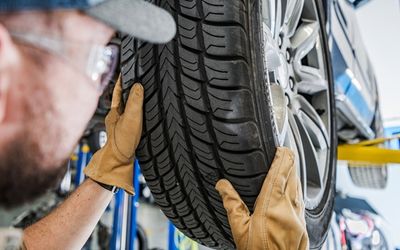
Warmer days may have some Ontario drivers wondering when they really need to prepare their vehicles for winter. CAA South Central Ontario (CAA SCO) says the answer comes down to more than just snowfall. Ontario weather can change quickly during the transition from fall to winter, bringing a mix of rain, sleet, slush, snow and ice. As temperatures fluctuate, CAA SCO is encouraging motorists to prepare before difficult driving conditions arrive. “A warmer day can make winter feel far away, but Ontario drivers know how quickly conditions can change,” says Nadia Matos, Manager of Communications and Content, CAA South Central Ontario. “Winter driving isn’t only about snow. Cold pavement, slush, freezing rain, and ice can all affect how your vehicle responds. Preparing early means you’re ready for the conditions, whatever they may be.” When should drivers put winter tires on in Ontario? CAA SCO recommends installing four matching winter tires when temperatures are consistently around or below 7 C. Cold pavement alone can reduce the performance of all-season tires. In contrast, winter tires are designed for cold conditions, not just snowy roads. Their rubber compound remains flexible as temperatures drop, helping the tires maintain contact with the road and improving traction, stability, and braking. Why changing temperatures matter for drivers Periods of milder weather do not eliminate winter driving hazards. Moisture on the road can freeze as temperatures fall, creating black ice that can be difficult for motorists to see. Drivers should slow down, leave additional following distance, and adjust their driving to road and weather conditions. Depending on speed and weather conditions, winter tires can reduce braking distance by up to 25 per cent, or approximately two vehicle lengths, compared with all-season tires. How to prepare your car for winter driving Winter tires are only one part of getting a vehicle ready for colder weather. CAA SCO recommends that Ontario drivers: Test the battery. Replace a weak battery before it leaves you stranded. CAA SCO will test Members’ batteries free of cost during a service call. Pack an emergency car kit. Include a flashlight, extra batteries, warning devices, first aid supplies, blankets, jumper cables, non-perishable food and water, a phone charger, ice scraper, small shovel and snow brush. Service the vehicle. Have the brakes checked, change the oil as required, and make sure windshield washer fluid and other fluids are topped up. Check windshield wipers, headlights and signal lights. Visibility and lighting becomes especially important during the darker winter months. Keep the gas tank at least half full. At a minimum, keep your tank half full. If you’re ever stuck in an emergency on the road, you’ll be able to run your car for short periods of time to stay warm. “Winter preparation doesn’t have to be complicated,” says Matos. “Check your tires, battery, fluids and lights, and make sure there is an emergency kit in the car. Taking care of those basics now can help you avoid being caught unprepared when the weather changes.” Drivers looking for assistance with winter vehicle maintenance can also consider a CAA Approved Auto Repair Services (AARS) facility.



Got Expertise to Share?
ExpertFile works with leading organizations with trusted experts. We help make their expertise more discoverable, structured, and actionable for AI-driven discovery, strategic outreach, and real-world opportunities.
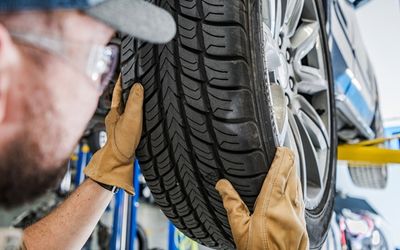
A mild day in November can quickly turn into an icy morning, and CAA Manitoba (CAA MB) is reminding drivers that winter driving preparation is about more than waiting for the first major snowfall. During the transition from fall to winter, Manitoba drivers can encounter rapidly changing conditions, including rain, sleet, slush, snow and ice. CAA Manitoba recommends installing four matching winter tires as temperatures fall because they provide better traction, handling and braking in cold conditions “When we get stretches of warmer weather, it can be tempting to think winter preparation can wait, but Manitoba weather can change quickly,”says Nadia Matos, manager communications and content, CAA Manitoba. “Winter tires aren’t just about driving through deep snow. They’re designed for cold temperatures and changing road conditions, which is why we encourage drivers to prepare before the weather changes, rather than after.” When should drivers put winter tires on in Manitoba? CAA Manitoba recommends motorists install four matching winter tires when temperatures are consistently around or below 7 C. Winter tire rubber is designed to remain flexible as temperatures drop, helping tires maintain contact with the road, including when roads are cold but appear clear. Why changing temperatures matter for drivers Periods of milder weather do not eliminate winter driving hazards. Moisture on the road can freeze as temperatures fall, creating black ice that can be difficult for motorists to see. Drivers should slow down, leave additional following distance and adjust their driving to road and weather conditions. Depending on speed and weather conditions, winter tires can reduce braking distance by up to 25 per cent, or approximately two vehicle lengths, compared with all-season tires. How to prepare your car for winter driving Winter tires are only one part of getting a vehicle ready for colder weather. CAA SCO recommends that Ontario drivers: Test the battery. Replace a weak battery before it leaves you stranded. CAA SCO will test Members’ batteries free of cost during a service call. Pack an emergency car kit. Include a flashlight, extra batteries, warning devices, first aid supplies, blankets, jumper cables, non-perishable food and water, a phone charger, ice scraper, small shovel and snow brush. Service the vehicle. Have the brakes checked, change the oil as required, and make sure windshield washer fluid and other fluids are topped up. Check windshield wipers, headlights and signal lights. Visibility and lighting become especially important during the darker winter months. Keep the gas tank at least half full. At a minimum, keep your tank half full. If you’re ever stuck in an emergency on the road, you’ll be able to run your car for short periods of time to stay warm. “Winter preparation doesn’t have to be complicated,” says Matos. “Check your tires, battery, fluids and lights, and make sure there is an emergency kit in the car. Taking care of those basics now can help you avoid being caught unprepared when the weather changes.” Motorists who need help preparing their vehicle for winter can also consider a CAA Approved Auto Repair Services (AARS) facility for winter maintenance and service.

Did Australia's Social Media Ban Work? What One Year Shows Before Other Countries Follow
A year after Australia banned under-16s from holding social media accounts, the share of children aged 10 to 15 with an account has fallen from 52% to 42%. Eli Singer, founder of Offline.now, points to a second number in the same study: the share still using the platforms fell only from 86% to 82%. Did the ban work? Australia's eSafety Commissioner published its evaluation on July 31, following more than 4,000 children and families (eSafety Commissioner, 2026). Fewer children held accounts, but most still used the platforms. In the first weeks, platforms removed or restricted about 4.7 million under-16 accounts (eSafety Commissioner, January 2026). The only peer-reviewed study so far surveyed 408 teens before the ban and three months after (Barnes and colleagues, BMJ, 2026). More than 85% of under-16s were still using restricted platforms. "The ban changed who can have an account. It did not change how the apps work. Teens who still get on see the same feeds as before." Eli Singer, founder of Offline.now What the court heard Reddit and the Digital Freedom Project argued in Australia's High Court on Nov. 3 and 4 that the law restricts political communication and is not working (Reuters). Government lawyers argued that the design of the platforms puts children at risk, including through addictive use and lost sleep, and that the ban is the most direct response (Startup Daily). The court has not yet ruled. "Whatever the court decides, parents will still be dealing with autoplay and endless feeds at home. That part of the problem is about design." Eli Singer Who is next United Kingdom: the same minimum age of 16, starting March 2027 (LBC). Canada: Bill C-34, tabled June 10, would set a minimum account age of 16. It is before the House of Commons (LEGISinfo). California: from Jan. 1, 2027, AB 1709 restricts personalized feeds and autoplay for anyone under 16. Tech companies filed suit on Nov. 4 to stop it (AP). The UK and Canada follow Australia's minimum-age approach. California's law targets how feeds are designed. "Canada and the UK can learn from Australia's first year. A law can set limits for the platforms. Families still decide what evenings at home look like." Eli Singer What it means for families Offline.now's summary of the year's data and the countries that are next is written for parents in Canada and the US. Singer gave his first reaction a week after the ban took effect. Where to start Lasting change runs on confidence, not willpower. Two questions find your starting place: Find Your Starting Place. Every family is different. Use what fits and consider professional support if conflict or distress feels severe. Story angles for reporters The story for Canadian, UK and US audiences: what Australia's first year shows before similar rules arrive at home. The numbers show fewer accounts and nearly the same use, and the Dec. 10 anniversary is likely to bring new figures. Accounts and use. Why the two numbers moved so differently, and what that means for enforcement. Bill C-34 in Canada. What local parents and teens think of a minimum account age of 16. Age limits or feed design. Australia's account rule compared with California's limits on feeds and autoplay. About the expert Eli Singer is the founder of Offline.now, a directory of therapists and coaches who work on screen and phone use. He created the Offline.now Matrix and wrote Offline.now: A Practical Guide to Healthy Digital Balance. He is available to comment through the Dec. 10 anniversary on youth social media laws: eli@offline.now, or the Contact button below.



The 2026 holiday shopping season is bringing familiar pressures and new trends, from rising costs and Black Friday deals to AI-powered shopping, viral gift trends and growing delivery expectations. As consumers rethink how and where they spend, retailers are adapting their strategies to keep pace. Why do consumers keep spending despite concerns about affordability? Is AI becoming the new holiday shopping assistant? What makes certain gifts go viral and become must-have items? Can retailers keep up with the surge in online orders and holiday deliveries? Explore these questions and more with insights from 10 leading university experts specializing in marketing, consumer psychology, economics, technology and supply chain management. Their research and experience offer fresh perspectives on the trends, behaviours and challenges shaping this year's holiday shopping season, providing valuable context and commentary for your next story. 10 experts to help you with your next holiday story. James A. Roberts, PhD | Baylor University Expert on Consumer Behaviour and Holiday Spending Connect with James Why do holiday shoppers continue spending even when they're worried about affordability? James Roberts researches consumer behaviour, materialism and compulsive buying, including how Black Friday promotions, rising costs and new payment options influence holiday shopping decisions. Kelly Goldsmith, Ph.D. | Vanderbilt University Expert on Scarcity and Impulse Buying Connect with Kelly Why do Black Friday deals make otherwise rational shoppers buy things they don't need? Kelly Goldsmith researches consumer psychology, including how scarcity, competition and limited-time offers influence purchasing decisions and encourage impulse buying. She has also provided commentary specifically on holiday deals and shopping behaviour. Andrew Schwarz Ph.D. | Louisiana State University Expert on AI Shopping Assistants and Retail Technology Connect with Andrew Is AI becoming the new holiday shopping assistant, replacing traditional searches and retailer websites? Andrew Schwarz researches emerging technologies and AI adoption and has spoken extensively about how AI is transforming holiday shopping, from gift discovery and personalized recommendations to price comparisons and purchasing decisions. Eva Ponce, Ph.D. | MIT Center for Transportation & Logistics Expert on E-commerce and Retail Fulfillment Connect with Eva How are retailers managing the surge in online holiday orders, and can they keep up with growing delivery expectations? Eva Ponce researches e-commerce, omnichannel fulfillment and warehouse automation, including how AI and emerging technologies help retailers manage unpredictable demand, inventory and deliveries. Douglas Bowman, Ph.D. | Emory University - Goizueta Business School Expert in Retail Strategy and Shopping Trends Connect with Douglas How are retailers adapting to changing consumer expectations this holiday season? Douglas Bowman researches marketing strategy, customer behaviour and brand management and has provided commentary on Black Friday, retail expectations and how stores are reimagining the shopping experience to attract customers both online and in person. ******* VISIT GOIZUETA BUSINESS SCHOOL'S HOLIDAY EXPERTS HUB ******* Ellen Harrison, M.B.A | Hofstra University Expert on Viral Gifts and Holiday Shopping Trends Connect with Ellen Why do certain toys and gifts suddenly become must-have items, and how do retailers capitalize on their popularity? Ellen Harrison studies consumer psychology and retail trends, including how social media, influencers, limited-edition products and fear of missing out drive demand and impulse purchasing. Amit Kumar, Ph.D. | University of Delaware Expert on the Psychology of Gift-Giving Connect with Amit Should we be buying experiences instead of physical gifts this holiday season? Amit Kumar researches the psychology of happiness and consumer spending, including why experiential purchases often create greater long-term satisfaction and stronger personal connections than material gifts. Param Singh, Ph.D. | Carnegie Mellon University Expert in Personalized Shopping and Pricing Psychology Connect with Param Could personalized shopping recommendations actually make holiday gifts more expensive? Param Singh researches the intersection of marketing, economics and artificial intelligence, including how personalized product rankings and AI-driven pricing influence consumer choices, competition and the prices shoppers ultimately pay. Dimitris Xygalatas, Ph.D. | University of Connecticut Expert in the Psychology and Traditions of Gift-Giving Connect with Dimitris Why do we exchange gifts during the holidays, and what makes the tradition meaningful beyond the gifts themselves? Dimitris Xygalatas researches human rituals, culture and social bonding and has explained how gift exchanges strengthen relationships and reinforce traditions across cultures. Read Hayes, Ph.D. | University of Florida Expert in Holiday Retail Security and Organized Retail Crime Connect with Read How are retailers protecting shoppers and employees as theft and organized retail crime become more sophisticated during the holiday rush? Read Hayes researches retail security, shoplifting and fraud, including how emerging technologies and crime prevention strategies are helping retailers protect merchandise while maintaining a positive shopping experience.

What Voyager has taught us about the Sun and the space between stars
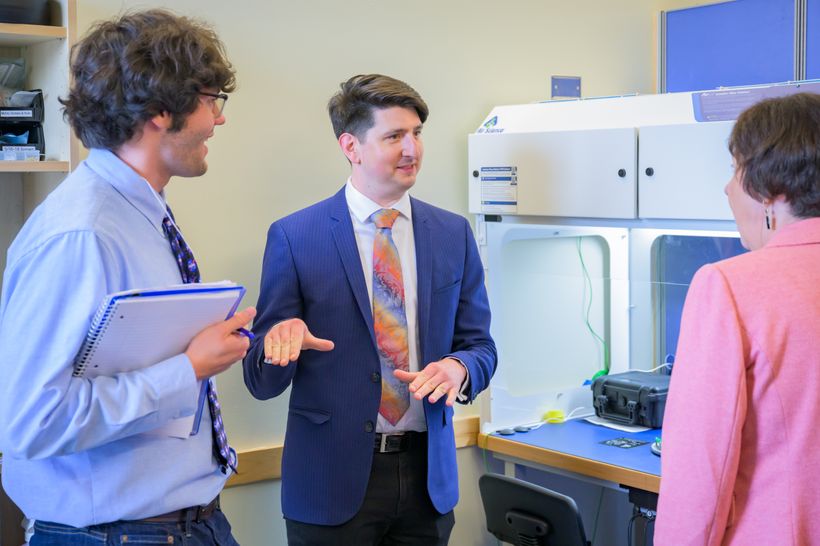
Nearly 50 years after their launch, NASA's Voyager spacecraft continue to expand our understanding of the outer reaches of our solar system and the space between stars. University of Delaware physicist Bennett Maruca, an expert on the Sun, the solar wind and Earth's upper atmosphere, can explain the science behind this extraordinary mission, including what Voyager has revealed about the solar wind and its journey from the Sun into interstellar space. Voyager 1, the farthest human-made object from Earth, has reached a distance of one light-day from our planet, meaning a signal traveling at the speed of light takes 24 hours to reach the spacecraft. Maruca and his students have used data from the Voyager spacecraft to investigate how the solar wind, the continuous flow of material from the Sun, changes as it travels toward the outer boundaries of the solar system. He also serves on the science teams of multiple NASA missions, including Parker Solar Probe, Wind and HelioSwarm. Originally launched to explore the outer planets, Voyager 1 and 2 continued their journeys long after completing their planetary flybys. Both spacecraft eventually traveled beyond the reach of the solar wind and into the interstellar medium, the material between stars in our galaxy. Their continuing observations offer an unprecedented opportunity to study this largely unexplored environment. Maruca can discuss Voyager's remarkable longevity and scientific legacy, the interaction between the solar wind and interstellar space, and what decades of spacecraft observations have taught scientists about our Sun and its influence far beyond Earth. Maruca is available for live or recorded interviews and expert commentary. To reach him directly and arrange an interview, visit his profile and click on the "contact" button. Interested reporters can also email MediaRelations@udel.edu.

Black Friday 2026: Record Sales, Rising Prices and the Search for Real Bargains
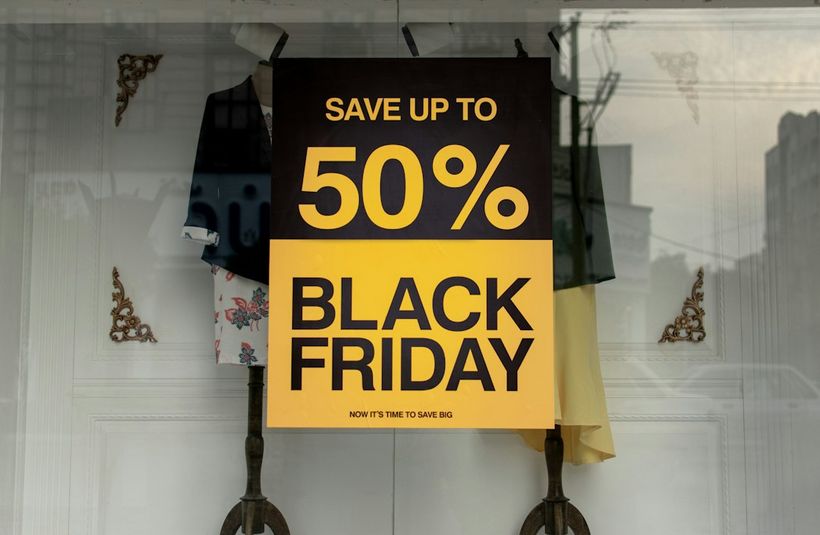
As Americans prepare for Black Friday and the holiday shopping season, retailers are expecting record sales despite persistent inflation, elevated gasoline prices and growing concerns about household finances. But while consumers may spend more dollars this year, they may not necessarily be buying more products. For marketers, this holiday season presents a critical challenge: attracting increasingly price-conscious consumers while maintaining profitability and brand loyalty. The National Retail Federation forecasts holiday retail sales will rise 4.2% in November and December, reaching approximately $1.013 trillion. The increase suggests continued consumer resilience, although higher prices could account for a significant portion of the growth. Inflation may inflate sales figures even as shoppers purchase fewer products, signaling a shift toward more selective purchasing behavior. Inflation remains a major challenge. Consumer prices increased 3.7% over the past year through September, while gasoline prices climbed more than 34%. These conditions are encouraging consumers to prioritize value, compare prices, and seek promotions before making purchasing decisions. Electronics, clothing, toys and household products will likely attract substantial consumer interest. However, shoppers may increasingly favor discount retailers, warehouse clubs and private-label brands. This growing willingness to switch brands highlights an important marketing trend: price sensitivity can weaken traditional brand loyalty. Digital marketing will play a particularly influential role. Adobe Analytics projects approximately $275 billion in online holiday spending, including $12.9 billion on Black Friday and $15.1 billion on Cyber Monday. Retailers can leverage targeted advertising, personalized recommendations, social media promotions, and mobile shopping experiences to influence purchasing decisions. For university students, holiday spending offers a useful illustration of how inflation and income constraints shape discretionary consumption. Black Friday and Cyber Monday promotions continue to influence student purchases this year as they did in 2025. The promotional events play a significant role in student shopping behavior and discounts enable students to save money overall and can encourage additional spending. However, effective marketing must communicate genuine savings rather than to simply encourage unnecessary spending. Another emerging trend is the growing importance of practical purchases. Consumers may use Black Friday promotions to stock up on household essentials, personal-care products and everyday necessities rather than luxury merchandise. However, not every sector is likely to benefit equally. Restaurants, luxury merchandise, entertainment and expensive holiday vacations may face softer demand, particularly among middle- and lower-income households managing tighter budgets. Deloitte's holiday survey projects a 10% increase in spending on retail goods alongside a 4% decline in spending on holiday activities, suggesting that consumers may prioritize physical gifts over some experiences. However, these projections do not mean that all businesses in these sectors will see weaker demand as spending patterns may vary by income group and consumer preference. The spending cycle is also likely to change as December approaches. Early November may see more planned purchases as shoppers take advantage of advance promotions. Spending could accelerate around Thanksgiving and Cyber Monday before shifting toward last-minute gifts, groceries, and holiday celebrations in December. As December approaches, retailers will need to adapt their promotional strategies. Early discounts may attract planned purchases, while targeted last-minute offers, convenient delivery and flexible payment options could influence holiday spending. Ultimately, Black Friday 2026 may produce impressive sales figures while revealing a more cautious American consumer. Black Friday 2026 will test retailers' ability to understand evolving consumer priorities. Successful marketing will depend less on generating excitement through discounts alone and more on delivering meaningful value, convenience, and trust. The defining trend this holiday season may not be Americans buying more, but Americans paying more while shopping smarter, searching harder for discounts, and making difficult choices about where their money goes. As Black Friday and the holiday shopping season approach, retailers face the challenge of attracting budget-conscious consumers without sacrificing profitability or brand loyalty. Dr. Manisha Mathur, associate professor of marketing at Augusta University's James M. Hull College of Business, can offer insights into consumer behaviour, inflation-driven shopping decisions, digital marketing and the changing strategies retailers are using to compete for holiday spending. For interviews or expert commentary on Black Friday and holiday shopping trends, contact AU's External Communications Team mediarelations@augusta.edu to arrange an interview today.


Producer Price Report Will Offer Another View of Inflation Pressures
The next federal inflation report will shift attention from household purchases to the prices businesses receive for their goods and services. The Bureau of Labor Statistics is scheduled to release October’s Producer Price Index on Friday, November 13, at 8:30 a.m. Eastern. Following Tuesday’s consumer inflation report, the release will provide another perspective on pricing conditions across the economy. Its results remain forthcoming. The Producer Price Index measures changes in selling prices received by domestic producers. It captures activity across goods and services, including products sold to other businesses. That makes it useful for examining pricing pressures along the supply chain, but it is not simply a measure of what manufacturers spend on raw materials. It reflects prices from the seller’s perspective, while the Consumer Price Index measures prices paid by consumers. For businesses, changes in supplier prices can create difficult decisions about profit margins, purchasing and future investment. A company facing higher expenses may raise its own prices, absorb the increase or seek ways to operate more efficiently. Its response depends on factors such as competition, contracts and customers’ willingness to pay. Those choices help determine how widely price pressures spread and how quickly consumers feel them. Friday’s report will therefore offer context rather than a guaranteed forecast of future household costs. BLS cautions that differences in coverage and methodology mean producer and consumer prices do not necessarily move together. The central question is how businesses respond to changing conditions—and whether easing pressures for producers eventually translate into greater affordability for families.


Measles Review Highlights the Challenge of Sustaining Public Health Progress
The United States’ measles elimination status is under review as continued outbreaks challenge a public health achievement maintained since 2000. Experts convened by the Pan American Health Organization are examining whether transmission has persisted long enough to warrant removing that designation. As of November 11, a determination had not been announced. The CDC’s latest update recorded 5,182 confirmed U.S. cases through November 5, compared with 2,289 during all of 2025. Elimination does not mean that every case has disappeared or that the virus cannot enter the country. It refers to the interruption of sustained local transmission. Imported infections can still cause outbreaks without necessarily ending elimination status. The concern arises when evidence indicates that a chain of transmission has continued uninterrupted for at least 12 months, demonstrating that the virus has regained a lasting foothold. Maintaining that protection depends partly on vaccination coverage within individual communities. The CDC reports that measles vaccination coverage among kindergartners declined from 95.2% in the 2019–20 school year to 92.4% in 2025–26. National averages can also conceal communities with substantially lower protection, creating opportunities for outbreaks when the virus arrives. The review therefore raises questions that extend beyond a formal designation. How can health professionals explain the significance of elimination without suggesting that previous success guaranteed permanent protection? Building trust requires clear explanations of disease risks, respectful responses to concerns and practical information families can discuss with their health providers. Whatever the review concludes, its broader significance lies in whether communities can restore the conditions that prevent sustained transmission.
