John Lednicky

Research Professor University of Florida

  • Gainesville FL

John Lednicky focuses on microbiology and molecular biology, various bacteria, fungi and viruses, including influenza and coronaviruses.

Contact

University of Florida

View more experts managed by University of Florida

Biography

John Lednicky has training and experience in microbiology and molecular biology, various bacteria, fungi and viruses, including influenza and coronaviruses. Research in his aerobiology laboratory includes studies on the mechanisms of respiratory pathogens, assessments of inhalation threats posed by airborne pathogens, vaccine efficacy/safety studies, and the refinement of air-sampling technologies for the detection of airborne pathogens. Recent research includes finding that the Zika virus was present in Haiti several months before the first Zika cases were identified in Brazil, and the discovery of a case of Mayaro virus in a patient in Haiti, the first time the mosquito-borne virus has been detected outside of the Amazon. Since January 2020, a major thrust of his work has been work related to COVID-19, including studying airborne transmission of the SARS-CoV2 virus.

Areas of Expertise

Airborne Transmission
Zoonotic Diseases
West Nile Virus
Infectious Disease
Airborne Disease
Global Health
Avian Influenza
Mayaro
Zika
COVID-19

Media Appearances

Coronavirus Consultant

University of Florida  online

2020-03-04

UF research professor John Lednicky can pull live viruses out of thin air—and grow them. His past decades of inquiry into coronaviruses have positioned him as one of UF’s go-to experts on the newly emerged SARS-CoV-2 pathogen that is spreading globally.

View More

Coronavirus Myth-busting; local expert weighs in on COVID-19

WCJB  online

2020-03-05

"This is a very profound question and I will explain why they are both correct the CDC information is based on available information and when they calculate the mortality number what they are looking at is the number of deaths over the number of people who have been laboratory confirmed to have the virus," John Lednicky of the Emerging Pathogens Institute said. "So, that fatality rate is probably way too high."

View More

An interest in bat viruses led to UF Health virologist’s development of coronavirus test

UF Health Newsroom  online

2020-04-14

University of Florida Health virologist John Lednicky was in the seventh grade, living in the Philippines where his father worked, when he enjoyed a meal of a delicious bat stew. Fruit bat was a local delicacy.

View More

Show All +

Social

Articles

Genome Sequence of a Yunnan Orbivirus Isolated from a Dead Florida White-Tailed Deer (Odocoileus virginianus)

Microbiology Resource Announcements

Pedro H.O. Viadanna, et al.

2021-05-06

We report the complete coding sequences of a Yunnan orbivirus isolated from a dead white-tailed deer (Odocoileus virginianus) in Florida in 2019. The prevalence of Yunnan orbivirus and its role in disease among farmed white-tailed deer remain to be determined.

View more

Organochlorine Pesticide Dieldrin Suppresses Cellular Interferon-related Antiviral Gene Expression

Toxicological Sciences

Max Russo, et al.

2021-05-29

Organochlorine pesticides (OCPs) are persistent pollutants linked to diverse adverse health outcomes. Environmental exposure to OCPs has been suggested to negatively impact the immune system but their effects on cellular antiviral responses remain unknown.

View more

Performance of SARS-CoV-2 rapid antigen test compared with real-time RT-PCR in asymptomatic individuals

International Journal of Infectious Diseases

Monica Pena, et al.

2021-05-19

Screening, testing and contact tracing plays a pivotal role in control of the COVID-19 pandemic. To enable this it is necessary to increase the testing capacity. This study compared a SARS-CoV-2 rapid antigen test (RAT) and RT-PCR in 842 asymptomatic individuals from Tarapacá, Chile. A sensitivity of 69.86%, specificity of 99.61%, PPV of 94.44% and NPP of 97.22% with Ct values (Ct > 27) that were significantly higher among individuals with false-negative RAT were reported.

View more

Show All +

Spotlight

3 min

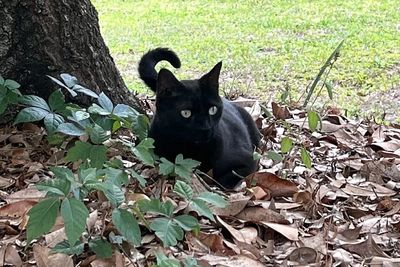
Scientist’s cat, again, helps discover new virus

Pepper, the pet cat who made headlines last year for his role in the discovery of the first jeilongvirus found in the U.S., is at it again. This time, his hunting prowess contributed to the identification of a new strain of orthoreovirus. John Lednicky, Ph.D., Pepper’s owner and a University of Florida College of Public Health and Health Professions virologist, took Pepper’s catch — a dead Everglades short-tailed shrew — into the lab for testing as part of his ongoing work to understand transmission of the mule deerpox virus. Testing revealed the shrew had a previously unidentified strain of orthoreovirus. Viruses in this genus are known to infect humans, white-tailed deer, bats and other mammals. While orthoreoviruses’ effects on humans are not yet well understood, there have been rare reports of the virus being associated with cases of encephalitis, meningitis and gastroenteritis in children. “The bottom line is we need to pay attention to orthoreoviruses, and know how to rapidly detect them,” said Lednicky, a research professor in the PHHP Department of Environmental and Global Health and a member of UF’s Emerging Pathogens Institute. The UF team published the complete genomic coding sequences for the virus they named “Gainesville shrew mammalian orthoreovirus type 3 strain UF-1” in the journal Microbiology Resource Announcements. “There are many different mammalian orthoreoviruses and not enough is known about this recently identified virus to be concerned,” said the paper’s lead author Emily DeRuyter, a UF Ph.D. candidate in One Health. “Mammalian orthoreoviruses were originally considered to be ‘orphan’ viruses, present in mammals including humans, but not associated with diseases. More recently, they have been implicated in respiratory, central nervous system and gastrointestinal diseases.” The Lednicky lab’s jeilongvirus and orthoreovirus discoveries come on the heels of the team publishing their discovery of two other novel viruses found in farmed white-tailed deer. Given the propensity of viruses to constantly evolve, paired with the team’s sophisticated lab techniques, finding new viruses isn’t entirely surprising, Lednicky said. “I’m not the first one to say this, but essentially, if you look, you’ll find, and that’s why we keep finding all these new viruses,” Lednicky said. Like influenza virus, two different types of orthoreovirus can infect a host cell, causing the viruses’ genes to mix and match, in essence, creating a brand new virus, Lednicky said. In 2019, Lednicky and colleagues isolated the first orthoreovirus found in a deer. That strain’s genes were nearly identical to an orthoreovirus found in farmed mink in China and a deathly ill lion in Japan. How in the world, the scientific community wondered, could the same hybrid virus appear in a farmed deer in Florida and two species of carnivores across the globe? Some experts speculated that components of the animals’ feed could have come from the same manufacturer. With so many unanswered questions about orthoreoviruses and their modes of transmission, prevalence in human and animal hosts and just how sick they could make us, more research is needed, DeRuyter and Lednicky said. Next steps would include serology and immunology studies to understand the threat Gainesville shrew mammalian orthoreovirus type 3 strain UF-1 may hold for humans, wildlife and pets. For readers concerned about Pepper’s health, rest assured. He has shown no signs of illness from his outdoor adventures and will likely continue to contribute to scientific discovery through specimen collection.    “This was an opportunistic study,” Lednicky said. “If you come across a dead animal, why not test it instead of just burying it? There is a lot of information that can be gained.”


John Lednicky