


3 min
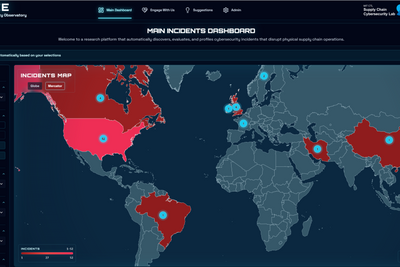
When cybercriminals target a business, the consequences can extend far beyond stolen data and compromised computer systems. Factories can shut down, shipments can be delayed, and disruptions can spread across entire supply networks, affecting businesses and consumers around the world. Recognizing these growing threats, the MIT Center for Transportation & Logistics has launched a new Supply Chain Cybersecurity Lab dedicated to helping organizations prevent, manage and recover from cyberattacks that threaten global operations. The initiative is co-founded by MIT researchers Dr. Miguel Rodríguez García and Dr. Camilo Mora, who are combining expertise in cybersecurity and supply chain management to address vulnerabilities that traditional IT security approaches may overlook. When a Cyberattack Becomes a Supply Chain Crisis The stakes are significant. A 2025 cyberattack against Jaguar Land Rover forced the manufacturer to suspend production at its UK facilities for five to six weeks, with an estimated economic impact exceeding $2 billion. Dr. Camilo Mora is a researcher at the MIT Center for Transportation & Logistics and Co-founder of the MIT Supply Chain Cybersecurity Lab. His research explores how ransomware, cyberattacks and digital vulnerabilities affect supply chain operations and resilience. View his profile And the risks are growing as manufacturers, warehouses and transportation networks become increasingly dependent on interconnected technologies, artificial intelligence, robotics and third-party software providers. For Dr. Camilo Mora, the importance of this research became clear after learning about a ransomware attack that disrupted a company's operations nationwide and required approximately three months to restore its systems. "That moment made me realize the enormous impact that a cyber-attack can have beyond the classic IT department, affecting the flow of goods, information, and money all at once, plus reputational damage across the entire network." The researchers are particularly concerned about smaller suppliers that lack the resources to defend themselves against sophisticated attacks, yet play critical roles in global supply networks. New Research to Identify and Prevent Disruptions The MIT lab is developing three research tools to help organizations understand and address these threats: TRACE: Tracks cyber incidents and their real-world consequences, including operational shutdowns, financial losses and disruptions to supply networks. RADAR: Identifies emerging cybersecurity risks associated with technologies such as autonomous systems, quantum computing and robotics. SCOUT: Helps smaller suppliers identify vulnerabilities and develop practical cybersecurity improvement strategies. The research also emphasizes that technology alone cannot protect supply chains. Employee awareness, leadership preparedness and coordination between IT and operational teams are essential to preventing disruptions and recovering when attacks occur. Protecting Global Supply Chains Before the Next Attack As global supply chains become increasingly interconnected, the work raises urgent questions for business leaders. How vulnerable are their suppliers? Could a cyberattack shut down their operations? And are organizations prepared to keep goods moving when critical technology fails? Dr. Miguel Rodríguez García is a Research Scientist at the MIT Center for Transportation & Logistics and Co-founder and Director of the Supply Chain Cybersecurity Lab. His research examines the cybersecurity risks associated with emerging technologies, automation, robotics and interconnected global supply chains. View his profile For Dr. Miguel Rodríguez García, addressing these challenges requires bringing together two disciplines that have traditionally operated independently. "We created this lab because supply chain and cybersecurity professionals have not been talking to each other. We're here to help companies continue operating even when technology fails, and we want to learn from companies that have suffered these attacks so we can bring those lessons back to the industry and make cybersecurity better for everybody." The lab's mission is straightforward: keeping supply chains moving even when technology fails. By combining research, industry collaboration and practical cybersecurity tools, MIT researchers hope to help organizations anticipate threats, strengthen resilience and recover more quickly when attacks occur. If you're interested in speaking with these MIT researchers about supply chain cybersecurity, ransomware, emerging technology risks, operational disruptions and protecting global commerce, simply click on the profiles of Dr. Miguel Rodríguez García or Dr. Camilo Mora to arrange an interview today.