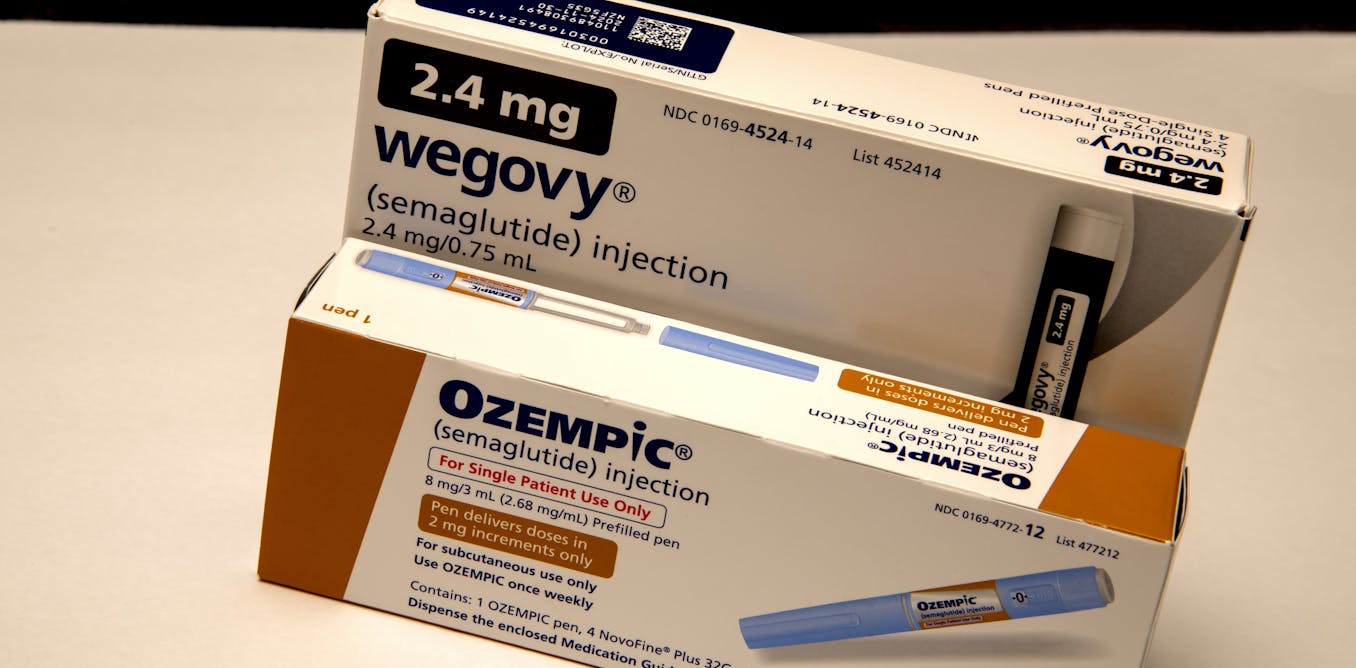
Peptides are having a moment. People injecting them at home are chasing everything from weight loss and muscle recovery to sharper thinking and better sex drive. But according to UConn pharmacist and clinical pharmacologist C. Michael White, the bigger danger isn't just what's in the vial. It's what happens when untrained people try to draw up and inject these products themselves.
White has been researching the gray markets for peptides, where companies sidestep FDA oversight by selling products labeled "for research purposes only." Because that labeling is a legal workaround, the companies can't legally tell buyers how to actually use what they're selling.
"This means consumers must purchase any supplies they need and figure out the proper technique on their own," White writes. So he decided to test just how well people manage on their own. In a new study published in Public Health Reports, White and his colleagues recruited 20 people, 10 college students and 10 adults in their 60s, and asked each to reconstitute a semaglutide peptide product, draw it into a syringe, and inject a mannequin. They were allowed to research the process online or with AI beforehand.
The results were rough. On average, both age groups got fewer than half the steps right. Some picked expired or cloudy dissolving liquid. Many miscalculated doses, couldn't clear air bubbles from the syringe, or injected into muscle instead of fat. Roughly half didn't know how to safely engage the needle's safety mechanism or dispose of it afterward.
"These errors were serious and could increase the risk of infection, bleeding, overor under-dosing, and needle sticks," White notes. What stood out most: Confidence didn't track with competence. After doing their homework, most participants in both groups felt "somewhat confident" they could do the injection correctly. Younger participants stayed confident even after fumbling through the process. Older adults, by contrast, adjusted their confidence downward once they saw how it actually went, which tracks with prior research showing older adults tend to be more accurate judges of their own ability on complex tasks.
White's piece also digs into a potential fix on the table: In late July 2026, an FDA advisory panel recommended adding six widely used peptides, including BPC-157, TB-500, and Semax, to the list of substances compounding pharmacies can legally prepare. The panel's argument is that compounded versions would be safer than gray-market ones, since compounding pharmacies follow rules on sourcing and sterile production that the gray market doesn't.
White isn't fully sold. Even if the FDA adopts the recommendation, he points out it would only apply to a handful of products, and it wouldn't change the fact that none of them have actually been tested for safety or effectiveness as finished drugs. The bulk of the gray-market risk stays exactly where it is.
For more on the peptide boom and what the FDA is weighing, NBC News broke down the basics here: What are peptides and why is the FDA considering easing limits? Read the full article:
Dr. White is Head and Distinguished Professor of the Department of Pharmacy Practice at the University of Connecticut, and co-director of the university's Health Outcomes, Policy, and Evidence Synthesis (HOPES) research group. His research focuses on drug, dietary supplement, and illicit drug safety, quality, and cost, with a specific throughline into adverse events tied to drugs, devices, herbal products, and substances of abuse.
View complete profile He's a recurring voice on drug and supplement safety specifically, most recently quoted in Health magazine's "4 Major Risks of Unregulated Peptides" (Aug. 18, 2026) and on KCBS Los Angeles radio discussing GLP-1 drugs and youth mental health (Aug. 10, 2026).
Dr. White is available for interviews on peptide safety, the gray-market supplement industry, GLP-1 and weight-loss drug trends, and drug/dietary supplement safety more broadly. Media can reach out by clicking this profile icon below.
·
4 min
The popularity -and price -of brand-name injectable drugs like Ozempic, Wegovy, Mounjaro, and Zepbound has skyrocketed.
But the soaring demand for these drugs -used for weight loss as well as to control blood sugar levels and reduce the risk of heart disease -and the limited supply as well as lack of generic options has also led to a flood of non-brand alternatives in the market.
In a recent article for The Conversation, UConn expert C. Michael White, Distinguished Professor of Pharmacy Practice, issued a warning to consumers about the potential undisclosed risks of these off-brand products:
High demand is driving GLP-1 wannabes The dietary supplement market has sought to cash in on the GLP-1 demand with pills, teas, extracts and all manner of other products that claim to produce similar effects as the brand names at a much lower price. Products containing the herb berberine offer only a few pounds of weight loss, while many dietary supplement weight loss products contain stimulants such as sibutramine and laxatives such as phenolphthalein, which increase the risk of heart attacks, strokes and cancer. The role of compounding pharmacies Unlike the dietary supplements that are masquerading as GLP-1 weight loss products, compounding pharmacies can create custom versions of products that contain the same active ingredients as the real thing for patients who cannot use either brand or generic products for some reason. These pharmacies can also produce alternative versions of brand-name drugs when official drug shortages exist. Since the demand for GLP-1 medications has far outpaced the supply, compounding pharmacies are legally producing a variety of different semaglutide and tirzepatide products. These products may come in versions that differ from the brand-name companies, such as vials of powder that must be dissolved in liquid, or as tablets or nasal sprays. Just like the brand-name drugs, you must have a valid prescription to receive them. The prices range from $250-$400 a month – still a steep price for many consumers. Compounding pharmacies must adhere to the FDA’s sterility and quality production methods, but these rules are not as rigorous for compounding pharmacies as those for commercial manufacturers of generic drugs. In addition, the products compounding pharmacies create do not have to be tested in humans for safety or effectiveness like brand-name products do. Proper dosing can also be challenging with compounded forms of the drugs. Companies that work the system For people who cannot afford a compounding pharmacy product, or cannot get a valid prescription for semaglutide or tirzepatide, opportunistic companies are stepping in to fill the void. These include “peptide companies,” manufacturers that create non-FDA approved knockoff versions of the drugs. From November 2023 to March 2024, my team carried out a study to assess which of these peptide companies are selling semaglutide or tirzepatide products. We scoured the internet looking for these peptide companies and collected information about what they were selling and their sales practices. We found that peptide sellers use a loophole to sell these drugs. On their websites, the companies state that their drugs are for “research purposes only” or “not for human consumption,” but they do nothing to verify that the buyers are researchers or that the product is going to a research facility. By reading the comments sections of the company websites and the targeted ads on social media, it becomes clear that both buyers and sellers understand the charade. Unlike compounding pharmacies, these peptide sellers do not provide the supplies you need to dissolve and inject the drug, provide no instructions, and will usually not answer questions. Peptide sellers, since they allegedly are not selling to consumers, do not require a valid prescription and will sell consumers whatever quantity of drug they wish to purchase. Even if a person has an eating disorder such as anorexia nervosa, the companies will happily sell them a semaglutide or tirzepatide product without a prescription. The average prices of these peptide products range from $181-$203 per month. Skirting regulations Peptide sellers do not have to adhere to the rules or regulations that drug manufacturers or compounding pharmacies do. Many companies state that their products are 99% pure, but an independent investigation of three companies’ products from August 2023 to March 2024 found that the purity of the products were far less than promised. One product contained endotoxin – a toxic substance produced by bacteria – suggesting that it was contaminated with microbes. In addition, the products’ promised dosages were off by up 29% to 39%. Poor purity can cause patients to experience fever, chills, nausea, skin irritation, infections and low blood pressure. In this study, some companies never even shipped the drug, telling the buyers they needed to pay an additional fee to have the product clear customs. If a consumer is harmed by a poor-quality product, it would be difficult to sue the seller, since the products specifically say they are “not for human consumption.” Ultimately, consumers are being led to spend money on products that may never arrive, could cause an infection, might not have the correct dose, and contain no instructions on how to safely use or store the product. Dr. C. Michael White is an expert in the areas of comparative effectiveness and preventing adverse events from drugs, devices, dietary supplements, and illicit substances.
Dr. White is available to speak with media -click on his icon now to arrange an interview today.
·
5 min
Since 2022, the U.S. Food and Drug Administration has been actively urging consumers to avoid purchasing or consuming tianeptine -a synthetic drug commonly called "gas station heroin" that can mimic the actions of opioids like fentanyl.
Now, the FDA is upping the urgency of it's warnings as vendors continue to market the drug as a so-called "dietary supplement." UConn's C. Michael White, a Distinguished Professor of Pharmacy Practice, spoke with The Conversation about the problem with tianeptine in a must-read Q-and-A:
What is tianeptine and why is it risky? Tianeptine stimulates the same receptors as well-known opioids such as fentanyl, heroin and morphine. When these drugs make their way from the blood to the brain, they bind to the “mu” type opioid receptor that triggers the sought-after pain relief and euphoria of those drugs as well as the dangerous effects like slowed or stopped breathing. High doses of tianeptine can bring euphoric effects similar to heroin and can also bring about the dissociative effect – the perception of your mind being disconnected from your surroundings and body – that is reminiscent of ketamine, an anesthetic that has a role in treating post-traumatic stress disorder and depression but has also commonly been abused as a street drug. Products containing tianeptine are often called “legal high drugs” – sometimes dubbed “gas station drugs” – a term used for all non-FDA-approved synthetic drugs that are sold casually in gas stations, online and elsewhere. What are the major adverse effects that people can experience? Data from clinical trials, case reports and poison control centers shows that tianeptine commonly induces agitation. This is typically accompanied by a fast heart rate and high blood pressure, confusion, nightmares, drowsiness, dry mouth and nausea, among other conditions. The most serious adverse events are slowed or stopped breathing, coma, heart arrhythmia and death. When long-term users try to stop tianeptine use, they often experience withdrawal symptoms reminiscent of opioid withdrawal. Consumers need to be aware that products containing tianeptine may not adhere to good manufacturing practices. This means they could contain lead or have other heavy metal contamination or be contaminated by microorganisms such as salmonella or mold. They could also contain other drug ingredients that are not disclosed. Knowingly or unknowingly combining active ingredients can increase the risk of adverse events. Additionally, the amount of the active ingredient contained in the product can vary widely, even with the same manufacturer. So past use does not guarantee that using the same amount will provide the same effect. How are these drugs sold in the US if they are not FDA-approved? If a drug product is not FDA-approved for prescription or over-the-counter-use, it is the Drug Enforcement Agency that is responsible for controlling market access. Before the DEA can ban an active ingredient in a drug product, it must be designated Schedule I, meaning the drug has no legitimate medical purpose and has high abuse potential. Manufacturers do not have to alert the DEA before selling their products to U.S. citizens. This means the DEA must detect an issue, identify the products causing the issue, identify the active ingredients in the product in question and do a full scientific review before designating it as Schedule I. Tianeptine came to market masquerading as a dietary supplement in gas stations and smoke shops, even though it is a synthetic compound. Tianeptine is also sold online allegedly for research purposes and not for human consumption. Tianeptine is undergoing clinical trials for the treatment of pain and depression, but sellers do nothing to make this type of labeling clear to consumers or to restrict purchases to researchers. What can people do to protect themselves and their families? Non-FDA-approved products containing synthetic drugs are very risky to use and should be avoided. FDA-approved drugs are available by a prescription from a health professional or over the counter with active ingredients on an approved list. If someone in a gas station, smoke shop or over the internet touts the benefits of a non-FDA-approved drug product – for pain or anxiety relief, to increase energy or for a buzz – be aware. It could be dangerous the first time you use it, but using it successfully once also doesn’t mean the experience will be the same the next time, and continued use can cause addiction. If a product is being sold “not for human consumption” or “for research purposes only,” you are at a high risk if you take it. Before you take any dietary supplement, make sure you check the active ingredient to be sure that it is, in fact, a natural product and not a synthetic chemical. If someone you know has bags with unmarked powder, a product labeled for research use or not for human consumption, or tablets or capsules not in standard drug bottles, that is a sign of a potentially dangerous situation. Standard drug tests sold over the counter are not designed to pick up tianeptine. One of the main reasons that people use these alternative substances of abuse over regular opioids, cannabis or amphetamines is that they are much harder to detect through workor at-home drug screens by parents, schools, employers, probation officers and so on. If the DEA is not responding to emerging threats quickly enough, individual states can also act to ban sales of dangerous active ingredients in products. As of January 2024, at least 12 states have banned the sale of tianeptine, according to the FDA, although people in those states can still illegally procure it from the internet. So contacting your state legislators could be a place to start exercising your power to help prevent the harms from these products. This is an important piece, and if you are looking to know about tianeptine and the threat it poses to consumers in America, then let us help.
Dr. C. Michael White is an expert in the areas of comparative effectiveness and preventing adverse events from drugs, devices, dietary supplements, and illicit substances. Dr. White is available to speak with media -click on his icon now to arrange an interview today.
Biography
Dr. White is the co-director of the Health Outcomes, Policy, and Evidence Synthesis (HOPES) research group and has authored over 400 research articles with over 12,320 citations and an h-Index of 59 (top 5% of all researchers for impact of work) including sentinel work in JAMA, Lancet, Annals of Internal Medicine, Circulation, Journal of the American College of Cardiology, Diabetes Care, and many others. His research interests are in the areas of comparative effectiveness, and preventing adverse events from drugs, devices, herbs, and illicit substances. Dr. White has received major media coverage by TV (NBC Nightly News, Good Morning America, Today Show, Dr Oz Show, BBC & CBC, PBS News Hour, CNN, MSNBC), newspaper (New York Times, Washington Post, Boston Globe, LA Times, Chicago Tribune), radio (WNPR, CBS Radio Network, Bloomberg Radio, SiriusXM, Colin McEnroe Show), and magazine/online (Vogue, The Scientist, Newsweek, The Conversation, Salon, Huffington Post, Inverse) media outlets among many others. Many of his publications have an Almetric score over 200, showing major uptake by major media outlets, and several were among the top three most read articles in the journal in the preceding year (Annals Pharmacotherapy, Journal of Clinical Pharmacology, Oral Diseases). He is an ACCP Young Investigator of the Year, AACP Lyman Award Winner, ASHP Sustained Contribution to the Literature (lifetime achievement award), and five time ASHP Foundation Drug Therapy Research Award recipient. He has a recurring TV segment called Ask the Pharmacist on Fox61 and a book entitled The Part-Time Diet. He is a University Teaching Fellow and a BOT Distinguished Professor, the highest designation for teaching and overall excellence bestowed by the University of Connecticut. Dr. White is also a Fellow of the American College of Clinical Pharmacologists and The American College of Clinical Pharmacy.
Areas of Expertise
Diet
CBD
Drug Costs
Dietary Supplements
Cardiovascular Drugs
Drugs of Abuse
Opioids and Kratom
Drug Safety
Education
UConn School of Pharmacy/Hartford Hospital
Fellowship
Pharmacy
1998
Albany College of Pharmacy
Pharm.D
Pharmacy
1996
Albany College of Pharmacy
B.S.
Pharmacy
1994
Affiliations
Fellow of American College of Clinical Pharmacy and American College of Clinical Pharmacologists
Member of American heart Association and American Society of Health System Pharmacists
Customers who bought the peptides and other medications reported skin irritation, chronic acne, cardiac issues, stress, anxiety, and suicidal ideation.
And this wasn’t a small operation. From 2019 to 2024, Paradigm Peptides sold products to more than 54,000 customers in all 50 U.S. states and 80 countries worldwide, raking in a total of $5 million.1
“You run the risk of having a bait-and-switch,” C. Michael White, PharmD, a clinical pharmacologist and department head of pharmacy practice at the UConn School of Pharmacy, told HEALTH. “You also run the risk of being scammed out of your money.”
Normalization of Weight Loss Drugs Raises Concerns About Impacts on Children
KCBS Los Angeles radio
2026-08-10
Today, nearly one in eight adults is taking a GLP-1 medication, and there are growing concerns over what that trend means for children and teens. For more on how the popularization of weight loss drugs might be affecting youth mental health, KCBS Radio News Anchor Steve Scott spoke with Michael White, a professor of pharmacy practice at the University of Connecticut.
Ibuprofen vs. acetaminophen: Which pain reliever should you use?
Washington Post
2026-06-12
Keep in mind that many other over-the-counter pain relievers, cold and flu medications and even opioids also contain acetaminophen. When taking acetaminophen along with combination drugs intended to treat nasal congestion, cough and fever, for instance, people may accidentally take more than the 4,000 mg daily limit without realizing it, increasing the risk of severe liver damage, said C. Michael White, a pharmacologist and pharmacist and chair of pharmacy practice at the University of Connecticut.
What is 7-OH? Experts Warn of Emerging Opioid Threat
Newsweek online
2026-06-08
"The FDA and [the Department of Health and Human Services (HHS)] believe that 7-OH products are an emerging threat and given that it acts very similarly in terms of addictive potential and risk of respiratory depression as traditional opioids, I strongly agree with their assessment," Charles White, a professor of pharmacy practice at the University of Connecticut, told Newsweek.
Do GLP-1 Supplements Work for Weight Loss? What Doctors and Experts Say
Today online
2026-04-24
“If you're going in and you're thinking that you're going to get really, really good weight loss, you're going to be disappointed,” C. Michael White, head of the department of pharmacy practice at the University of Connecticut, tells TODAY.com.
He and his students have been researching the supplements and similarly trendy “GLP-1 patches.”
Nitrous oxide canisters — also known as ‘whippets’ — found at Mass. high school
MassLive online
2026-03-27
But experts and police warn that what makes today’s problem of nitrous oxide misuse different from what it was two to five decades ago is the branding and accessibility of the drug, along with the quantity of the gas in the container.
“The big thing that’s changing is there’s more sales in gas stations, convenience stores and over the internet ... where there’s scents that would be attractive,” C. Michael White said in a 2025 interview. White is a University of Connecticut professor and chair of pharmacy practice at the UConn School of Pharmacy.
Weight Loss Drugs May Assist with Curbing Almost All Substance Addictions
KCBS radio
2026-03-06
The next breakthrough in addiction treatment may come from an unexpected source. A new study suggests GLP-1 drugs like Ozempic and Wegovy may help fight addiction across every major substance. For more, KCBS' Steve Scott spoke with Dr. Michael White, distinguished professor and chair of pharmacy practice at the University of Connecticut.
Pills and gummies sold at gas stations could pose addiction risks
KWOC tv
2026-02-10
7-OH is made of concentrated mitragynine, a compound found in only trace amounts in whole-leaf kratom. Unlike natural kratom, it’s an opioid-like substance with a high potential for abuse.
Dr. C. Michael White, chair of pharmacy practice at the University of Connecticut, said the marketing is deceptive.
Congress Reforms Prescription Drug Supply Chain: What to Know
The Epoch Times online
2026-02-05
Some pharmacy benefit managers began offering insurers and employers contracts with greater transparency in anticipation of this legislation, C. Michael White, a pharmacist and a professor at the University of Connecticut, told The Epoch Times.
Express Scripts, owned by Cigna, announced in October 2025, that it would end its rebate program.
While generic GLP-1s advance, even more concerns follow
KCBS Radio radio
2026-01-16
Most of the world still has limited access to semaglutide -- the key ingredient in weight loss medications like Ozempic and Wegovy, but generic GLP-1s are on the way. To tell us more KCBS anchor Steve Scott spoke with Dr. Michael White, Department Head & Distinguished Professor of Pharmacy Practice at the University of Connecticut School of Pharmacy.
Springfield considers ban of kratom, citing concerns of new addiction wave
MassLive online
2025-11-19
Kratom in its natural form is a leaf that, depending on the dose, can act as a stimulant or like an opioid. About a decade ago, people started extracting one of the alkaloids, called mitragynine, creating a more concentrated substance that is more dangerous and addictive, said Dr. C. Michael White, a professor at the University of Connecticut School of Pharmacy.
“What is important to know about 7-OH is (it’s) equally as potent as morphine,” White said during a presentation to City Council members Monday. “It has the same addictive potential as morphine, as oxycodone, as all the traditional opioids.”
‘Gas station heroin’ or healing plant? Connecticut residents debate kratom ban
Hearst Connecticut Media print
2025-10-16
Charles White, a professor at the University of Connecticut's School of Pharmacy and the chair of the Kratom Consumer Advisory Council, testified that "leaf kratom" has never been the cause of a mass death outbreak, and has been used since the 1970s without "major risks of addiction."
The danger in kratom, White argued, was not in natural leaf kratom, which does naturally have trace amounts of 7-OH. White said that the public health risk lay with synthetic substances labeled as kratom, where companies chemically manipulated the product to add 7-OH or other similar chemicals and then marketed those products to children.
Do 'GLP-1 Patches' Work for Weight Loss? Doctors Warn About Trend
NBC Today online
2025-09-19
There are currently no GLP-1 medications that can be absorbed through the skin, says C. Michael White, head of the department of pharmacy practice at the University of Connecticut. The drugs have large molecules that make that very difficult, if not impossible, he notes.
“The dietary supplement industry is the Wild West, but people have kicked it up another notch by borrowing the name GLP-1,” White tells TODAY.com. “Because that term is in a lot of people's consciousness.”
Experts say people who swallow berberine supplements can lose two to four pounds.
Though it’s not clear a patch would work the same.
“Those natural GLP-1 products, are they lying to you by saying that they're GLP-1 products? Well, they're not 100% telling you the truth,” said Dr. C. Michael White, of the UConn School of Pharmacy.
Utah veteran says Kratom eases pain as lawmakers weigh new restrictions
Fox 13 Salt Lake City online
2025-08-22
C. Michael White with the University of Connecticut School of Pharmacy says the real danger isn’t the natural kratom leaf itself, but a compound called 7-Hydroxymitragynine, also known as 7-OH, a powerful compound in some kratom products that can act like an opioid and be addictive.
“The 7-OH product is equally as potent of an opioid as morphine,” White said. “It’s at least giving you the same types of effects that you’re getting from other opioid products. Like rapid development tolerance."
In the gray world of GLP-1 supplements online, health experts urge caution
PBS News online
2025-07-28
“The marketing seems to suggest that you could get with these natural products, these natural ingredients, the same effect that you can get with GLP-1 agonists, which is simply not the case. And in that way, they are being misleading to people,” said C. Michael White, professor of pharmacy practice at the University of Connecticut School of Pharmacy.
“Some of them don’t even tell you what ingredients are in it at all. And in those products, somebody may actually believe that they are going to get semaglutide or they are going to get tirzepatide.”
FDA warns KC manufacturer it’s marketing illegal pain-relieving pills
The Missouri Independent online
2025-07-17
Eating apple seeds is a good way to explain the difference between 7-OH products and regular kratom products, said Charles White, chair of the department of pharmacy practice at the UConn School of Pharmacy.
Apple seeds contain a small amount of natural amygdalin, he said. If you chew the seeds and swallow them, the amygdalin converts into a trace amount of the natural ingredient cyanide in the body. The amount of cyanide produced, he said, is too low to hurt anyone because people couldn't eat enough apples.
Nicole Scherzinger’s Hollowed Cheeks Raise Concern After Tony Win
Bored Panda online
2025-06-12
“When people are overweight, they don’t only have fat in their hips and bellies but it is distributed across their body. This includes the face, feet and hands,” C. Michael White, Pharm.D. Distinguished Professor and Chair, Pharmacy Practice, UConn School of Pharmacy, previously told Bored Panda.
“When you lose that weight, you lose fat in all those places, you also lose muscle there as well, and your skin sags,” he said.
“Ozempic Hands” Is The Latest Skinny Side Effect No One Asked For
Bored Panda online
2025-06-10
The phenomenon, dubbed “Ozempic hands,” is a “common finding” among not only GLP-1 users but also those who have undergone major weight loss from surgeries or through dietary restrictions.
“The appearance of ‘Ozempic hands,’ where the hands look bonier and rings fall off people’s fingers, is a common finding whenever there is major weight loss,” C. Michael White, Pharm.D. Distinguished Professor and Chair, Pharmacy Practice, UConn School of Pharmacy, told Bored Panda via email.
This weight loss could be from “GLP-1 drugs like semaglutide or tirzepatide, gastric bypass or lap band surgery, or very low-calorie dieting,” he added. “It is just a cosmetic thing for most people.”
$67 in France and $798 in US–Why Prescription Drug Prices Are so High in US
The Epoch Times online
2025-05-22
Those negotiations resulted in price reductions of roughly 40 to 80 percent for 10 medications, effective in 2026. Fifteen more discounted drug prices will go into effect in 2027.
However, all these medications are of a lesser-expensive type known as small-molecule drugs, according to C. Michael White of the University of Connecticut School of Pharmacy. None of the more costly large-molecule drugs used to treat cancer and other diseases were discounted.
White thinks greater savings are possible. “Private insurers negotiate the price of all drugs with manufacturers, so why is the federal government only negotiating a handful each year?” he told The Epoch Times.
What is kratom? The truth behind the popular—and controversial—supplement
National Geographic online
2024-06-13
McCurdy and colleagues’ surveys show the majority of kratom users believe it relieves their anxiety or chronic pain, and that they aren’t using kratom in an abusive way. “They say I take my two or three grams of powder, morning and evening, and it helps me function or gives me energy,” McCurdy says. “Of course we can’t say if it actually works because we don’t have the scientific studies to prove that.”
C. Michael White, a distinguished professor of pharmacy practice at the University of Connecticut, agrees. “Data on kratom use for anxiety, for alertness, to reduce fatigue, or any other purpose is very scant,” he says.
Nearly 2 million Americans are using kratom yearly, but it is banned in multiple states: A pharmacologist explains the controversy
The Conversation online
2024-02-20
Proponents claim that kratom has many of the pain-relieving benefits of traditional opioids and that it can potentially be used as a treatment for opioid dependence.
The primary concern about kratom is that it can mimic how synthetic opioids work in the body, potentially causing overdoses, severe withdrawal symptoms and other serious health issues. As a result, the Food and Drug Administration recommends against its use.
The Conversation asked C. Michael White, a pharmacist at the University of Connecticut who has been studying the science behind kratom for many years, to explain its potential benefits and why consumers should use caution with this product.
The 11 best multivitamins for women in 2023, with medical expert tips
New York Post online
2023-09-19
“The best thing to do before taking any dietary supplement is looking to see if it has the USP label and NSF mark,” said C. Michael White, PharmD, department head of the University of Connecticut’s pharmacy practice and dietary supplement researcher. “These are two independent laboratory-verifying organizations that will take the product and will test them to make sure they actually contain what the company selling it says it contains, and making sure it doesn’t have any contaminants, like mercury and lead.”
Academic Minute: Psychedelics Reduce Anxiety and Depression in Cancer Patients
Inside Higher Ed online
2023-06-29
Is there a better way to treat anxiety and depression for patients with cancer? In today’s Academic Minute, the University of Connecticut’s C. Michael White explores one possibility.
$11 million awarded to family of woman who died after taking kratom, an opioid-like herb
NBC News tv
2023-07-31
The U.S. Drug Enforcement Agency attempted to ban kratom in 2016, but the effort was met with widespread pushback from consumers, politicians and lobbyist groups like the American Kratom Association.
Dr. C. Michael White, head of the Department of Pharmacy Practice at the University of Connecticut, said there’s no solid scientific evidence that kratom is an effective pain reliever, or that it’s better at treating substance use disorder than current drugs on the market.
"Collagen in the skin is critical to provide structure and smoothness. As people age, collagen breaks down and this results in more saggy and wrinkly skin," Charles White, a pharmacy professor at the University of Connecticut School of Pharmacy, told Newsweek. "Aging collagen is degraded by oxidative stress (free radical damage) and inflammation. If old collagen is removed, it can be replaced with higher quality collagen."
"While there is a whole industry selling solutions, there is really only evidence that sunscreens that protect against ultraviolet damage and retinols that can clear out older collagen allowing for newer collagen to be created have effectiveness in combating wrinkles. The jury is still out as to whether antioxidants can slow down the degradation of collagen or whether having animal collagen available so the body can make its own collagen more readily and put it into the skin."
Committees advise FDA to make Narcan available over-the-counter
WTNH tv
2023-02-17
If the FDA approves the recommendation, it represents a significant step in the effort to stem the tide in the avalanche of drug fatalities.
The overdose epidemic kills more than 100,000 people annually. Michael White is a researcher, clinician and educator with the UConn School of Pharmacy. He said that over-the-counter availability for Narcanor some people know by it’s generic name, naloxone is what the U.S. needs given the acute opioid crisis.
Desperate People Are Turning to Illegal Online Pharmacies for Birth Control
Vice online
2022-08-29
When people talk about counterfeit birth control and contraceptives sold on rogue websites, they’re talking about medications or devices that do not work. Deliberately intended to look like other medications, these drugs (both branded and generic formulations) are often intentionally packaged to pass as the real thing but may contain completely different active ingredients or simply don’t contain enough active ingredients to work. In other instances, they could have contaminants or be repackaged expired products, says Dr. Michael C. White, of the University of Connecticut School of Pharmacy.
Academic Minute: What's in Your Dietary Supplement?
Inside Higher Ed online
2022-06-13
What’s in your dietary supplement? In today’s Academic Minute, the University of Connecticut’s C. Michael White determines that it might be something you didn’t expect. White is a distinguished professor and chair of the school of pharmacy at UConn.
Marijuana: 4 essential reads on the uses, effects and potential of cannabis
The Conversation online
2022-04-19
In 2018, the Food and Drug Administration approved a drug containing CBD to treat seizures from two rare forms of epilepsy. After that, health claims around CBD grew.
C. Michael White, a University of Connecticut pharmacy professor, starts off debunking one of them. “There are no credible animal or human studies showing CBD has any effect on SARS-CoV-2 or the course of COVID-19 infection,” he writes.
Academic Minute: MDMA-Assisted Psychotherapy for PTSD Patients
Inside Higher Ed online
2022-01-26
Treating mental disorders may require some out-of-the-box thinking. In today’s Academic Minute, the University of Connecticut’s C. Michael White discusses a form of treatment that is gaining steam and seeing positive results. White is a distinguished professor and chair of pharmacy practice at UConn.
We asked three medical experts who needs a multivitamin and how to choose the right one — here's what they said
Insider online
2021-03-04
As a PharmD, White said multivitamin intake is helpful if you have a specific deficiency or certain diseases. "If you have an issue with absorption because of something like Crohn's disease, ulcerative colitis, or had part of your intestines removed (bypass surgery), you're going to need a multivitamin," he said. "There's not necessarily going to be one vitamin or mineral you're deficient in. But other conditions, like macular degeneration, require a specific regimen."
FDA Warns, Pregnancy and Some Over-the-Counter Meds Shouldn’t Mix
BYU Radio radio
2020-11-09
Guest: C. Michael White, Distinguished Professor of Pharmacy Practice, University of Connecticut
Most drugs seem to be off-the-table for pregnant women because they’re potentially harmful to the baby. Add the most common pain relievers to that list, now. The FDA has just warned that taking NSAIDs like ibuprofen or aspirin after 20 weeks of pregnancy can be dangerous to both mother and fetus.
Steroids Found to Improve Survival of Critically Ill COVID-19 Patients
Pharmacy Practice News online
2020-09-09
Steroids appear to work by calming the inflammatory response, which occurs when the body’s immune system overreacts, damaging the lungs and surrounding tissue in seriously ill COVID-19 patients. “There is now strong evidence to suggest that the blockade of inflammation in COVID-19 is effective in severely ill patients,” said C. Michael White, PharmD, FCP, FCCP, the department head and a professor of pharmacy practice at the University of Connecticut School of Pharmacy, in Storrs. Dr. White was not part of the studies but has conducted systematic reviews into other treatment options for COVID-19 and was asked to comment.
Everyone — including Trump — has an opinion about this potential COVID-19 treatment, and that’s making it hard to find out if it works
Boston Globe print
2020-05-30
Not only were the study designs flawed, the findings were contradictory. Some found no effect, some linked the drug to bad outcomes, including death, and a few found positive effects.
“We know that it’s not poison. People have taken it for a long period of time,'' said C. Michael White, another author of the review and head of UConn’s Department of Pharmacy Practice. “But we can’t say the benefits are going to be worth those risks because we can’t say there’s any benefit.”
Hydroxychloroquine: What we know, what we don't know
Fox61 tv
2020-05-25
Doctor Michael White of the UConn School of Pharmacy knows the drug well, he was part of a group that just finished a comprehensive review of studies on hydroxychloroquine. He said the interest in the drug was understandable, especially given the urgency of the situation.
“One of the things that was really attractive about it was that it was relatively inexpensive and manufacturers were already making it so the chance that they would be able to gear up and have adequate supply of the drug, over a relatively short period of time, was high,” he said.
However, since the French study was published, it has been the subject of heavy scrutiny. Because of such questions, the International Society of Antimicrobial Chemotherapy, which publishes the journal where the paper appeared, has flagged the paper, saying it did not meet its “expected standard."
“The take-home message is that it is not clear whether or not hydroxychloroquine with or without azithromycin reduces hospitalization duration, hastens [patients] becoming virus free, or prevents clinical deterioration and how safe the use of hydroxychloroquine with or without azithromycin is in patients with COVID-19 infection,” said C. Michael White, PharmD, the department head and a professor of pharmacy practice at the University of Connecticut School of Pharmacy, in Storrs.
The Kratom Debate: Helpful Herb Or Dangerous Drug?
NPR radio
2020-01-13
"The data to support either the benefits or the harms for kratom is really, really poor," says C. Michael White, head of the Department of Pharmacy Practice at the University of Connecticut. "A lot of the information we have comes from single-case reports."
White says that animal studies suggest kratom could be an effective pain reliever, but the collection of human data has only just begun. He says scientists need to conduct a lot more research before the appropriate level of regulation is clear.
Serious Concerns Raised Over FDA’s Capacity to Inspect Overseas Drug Makers
FairWarning online
2020-01-08
The United States is more reliant than ever on other countries for its supply of pharmaceutical drugs. According to the FDA, roughly 40 percent of finished drugs and 80 percent of active drug ingredients are made overseas. The FDA is tasked with regularly inspecting drug manufacturing facilities in the U.S. and abroad to ensure they’re following best practices.
“We’ve created a scenario where we don’t have the capacity to make a lot of those products in the U.S.,” said C. Michael White, head of the Department of Pharmacy Practice at the University of Connecticut. “We’ve concentrated them in areas where we have very little control, and very little knowledge of what they’re doing.”
Kratom Is a Lifesaver, Say Opioid Addicts. But Its Safety Is Questionable
KQED radio
2019-11-18
“The data to support either the benefits or the harms for kratom is really, really poor," said C. Michael White, head of the Department of Pharmacy Practice at the University of Connecticut. "A lot of the information we have comes from single-case reports."
White says animal studies suggest kratom could be an effective pain reliever but that the collection of human data has only just begun. He says scientists need to conduct a lot more research before the appropriate level of regulation is clear.
Should You Be Worried About the Latest Drug Recall?
Medium online
2019-11-07
“NDMA is in virtually all municipal water supplies to some extent,” says C. Michael White, a professor at the University of Connecticut School of Pharmacy. As it turns out, NDMA is a product of water treatment, and levels of up to 0.1 microgram per liter in drinking water are considered acceptable, according to the World Health Organization. It is even present in some of the food we eat, especially smoked products and processed grilled meat, such as bacon and burgers.
Trump administration reveals plan to import certain prescription drugs from Canada
Daily News online
2019-07-31
Though the general consensus is that imported drugs would be less expensive, there are varying opinions on the safety of prescription drugs that come from other countries.
"Importing drugs in this particular way cripples the patient-pharmacist relationship that is an important link in the medication safety chain and compromises the ability of the pharmacist to relay important information back to the prescribers," C. Michael White, PharmD, of the department of pharmacy practice at the University of Connecticut, said in an earlier interview. "In addition, this type of imported drug could be coming from a variety of sources and being mailed in from several countries, compromising the ability to detect and mitigate drug interactions or to provide medication therapy management."
University of Connecticut pharmacist Charles White, who is not involved with the program, notes that the pills could provide doctors with valuable data about when a patient isn’t sticking to a treatment regimen—and why. Patients may not adhere to their treatment regimens for many reasons: they may have so many drugs to take that they cannot recall which ones they have taken, they may not understand why they need certain drugs, or they may not want to suffer the side effects associated with a treatment. “Sometimes it is a conscious choice,” White says. There may also be financial constraints; the patient may not fill the prescription because they can’t afford the copay. White says that smart pills could help start the conversation among patients, physicians, and pharmacists about these obstacles.
Drug Researchers Raise Concern Over "Misleading" Evidence in Kratom Studies
Inverse online
2019-07-12
A February paper in Clinical Toxicology showed a rising number of calls to poison control centers for kratom, but as Inverse reported, without knowing how many people are using kratom, it’s impossible to know the likelihood of an adverse event like the ones reported in Eggleston’s study.
“An important new finding would be that the calls to poison control centers from 2017 to 2018 is continuing to rise, but does this indicate that kratom is becoming more risky over time or that more people are using it and the overall risk is still low?” C. Michael White, Pharm.D., a professor of pharmacy practice at the University of Connecticut who studies kratom and was not involved with the study, tells Inverse.
DIY Peptide Injections Are Risky, Especially When Self-Administered
Katie Couric Media
2026-08-11
DIY peptide injections, which promise to boost everything from weight loss and muscle-building to longevity and sexual health, are a high-risk wellness fad that keeps on growing.
Health experts have raised major concerns about these products’ safety. Because they are not regulated by the U.S. Food and Drug Administration or any other health authority, they aren’t made to the standards of pharmaceuticals. They could have bacterial, fungal, chemical, or heavy metal contamination; their purity could be lower than indicated; and the dose promised may not be what you receive.
FDA drug approval affects healthcare around the world, but political shortcuts could hurt the agency’s international reputation
The Conversation
2026-07-15
At the beginning of July 2026, the U.S. Food and Drug Administration approved the first gene therapy for young children with sickle cell disease.
While this is good news for children in the U.S. born with this illness, the FDA’s approval may also benefit thousands of children beyond the U.S. border.
About 70% of countries around the world have underdeveloped regulatory drug approval processes.
Massive eye drop recall reflects ongoing issues with manufacturing and FDA inspection
The Conversation
2026-04-07
A California company has recalled more than 3.1 million bottles of lubricating eye drops because it had not properly tested – and thus could not prove – whether the products were sterile.
These products are sold under several names at major retailers across the country. The company, K.C. Pharmaceuticals, initiated the recall on March 3, 2026.
What’s a ‘black box’ warning? A pharmacologist explains how these labels protect patients
The Conversation
2025-11-13
A “black box” warning on a health product sounds pretty scary – maybe even more so when it’s suddenly being taken off the packaging.
Americans were reminded of this type of public health messaging on Nov. 10, 2025, when the Food and Drug Administration announced it is removing the “black box” warning from hormone replacement therapy for menopause.
But what are these warnings, anyway? What’s their history, and how do they affect a drug’s use?
FDA recall of blood pressure pills due to cancer-causing contaminant may point to higher safety risks in older generic drugs
The Conversation
2025-11-07
A generic blood pressure drug called prazosin, made by Teva Pharmaceuticals, is being recalled by the Food and Drug Administration because it contains elevated levels of cancer-causing chemicals called nitrosamines.
The recall, which Teva announced on Oct. 7, 2025, affects more than 580,000 prazosin capsules. Prazosin is prescribed to around 510,000 patients yearly and is used to treat post-traumatic stress disorder as well as high blood pressure.
Atorvastatin recall may affect hundreds of thousands of patients – and reflects FDA’s troubles inspecting medicines manufactured overseas
The Conversation
2025-10-30
If you take cholesterol-lowering drugs called statins, you may have noticed a flurry of news coverage since late October 2025 about an extensive recall of thousands of bottles of atorvastatin, the generic version of Lipitor.
Both generic atorvastatin and brand-name Lipitor contain the same active ingredient, atorvastatin calcium, and are considered bioequivalent by the Food and Drug Administration. This medication is the No. 1-selling drug in the U.S., with over 115 million prescriptions going to more than 29 million Americans.
Opinion: A wider look at kratom and Connecticut. Synthetic derivatives and natural leaves differ
Hartford Courant
2025-10-26
I read with interest the article in the Hartford Courant about the pending regulations of kratom.
Unfortunately, the journalist and those quoted in the article seem to intermingle facts about kratom-derived products, such as isolated concentrated synthetic 7-hydroxymitragynine (7-OH) opioid products and natural leaf kratom, in ways that can be misleading.
As a leading kratom researcher and distinguished professor and chair of Pharmacy Practice at the University of Connecticut School of Pharmacy, there is context that readers, regulators, and legislators need to understand.
Protein powders and shakes contain high amounts of lead, new report says – a pharmacologist explains the data
The Conversation
2025-10-17
Powder and ready-to-drink protein sales have exploded, reaching over US$32 billion globally from 2024 to 2025. Increasingly, consumers are using these protein sources daily.
A new study by Consumer Reports, published on Oct. 14, 2025, claims that some such protein products contain dangerously high levels of lead, as well as other heavy metals such as cadmium and arsenic. At high levels, these substances have serious, well-documented health risks.
FDA is Right to Restrict 7-hydroxymitragynine (7-OH) Products
WholeFoods Magazine
2025-08-30
On July 29, the FDA announced it would seek to restrict 7-OH under the Controlled Substances Act, two weeks after the Administration issued warning letters to seven 7-OH manufacturers.
The FDA’s intent to schedule 7-hydroxymitragynine products is smart, science-based policy. As a clinical pharmacologist who’s studied kratom and its alkaloids extensively, 7-OH products are potent, opioid-like compounds, with a high potential for abuse—wholly distinct from natural leaf kratom with its natural balance of active ingredients.
Animal tranquilizers found in illegal opioids may suppress the lifesaving medication naloxone − and cause more overdose deaths
The Conversation
2025-04-07
The animal tranquilizers xylazine and medetomidine are in approximately one-third of the illegal opioids available in the U.S., including fentanyl, heroin and oxycodone. Animal tranquilizers enhance the user’s euphoric high from opioids, particularly in those who have developed a tolerance to the opioid. But adding the tranquilizers to these already illicit drugs could keep naloxone, a medication known to prevent deaths from opioid overdose, from working.
These are the key findings of my recent study, published in March 2025 in the Journal of Pharmacy Technology.
Buyer beware: Off-brand Ozempic, Zepbound and other weight loss products carry undisclosed risks for consumers
The Conversation
2024-10-09
n just a few years, brand-name injectable drugs such as Ozempic, Wegovy, Mounjaro and Zepbound have rocketed to fame as billion-dollar annual sellers for weight loss as well as to control blood sugar levels and reduce the risk of heart disease.
But the price of these injections is steep: They cost about US$800-$1,000 per month, and if used for weight loss alone, they are not covered by most insurance policies. Both drugs mimic the naturally occurring hormone GLP-1 to help regulate blood sugar and reduce cravings. They can be taken only with a prescription.
Drug prices improved under Biden-Harris and Trump − but not for everyone, and not enough
The Conversation
2024-09-26
When it comes to drug pricing, the Trump and Biden-Harris administrations both have some very modest wins to tout.
As director of the Health Outcomes, Policy, and Evidence Synthesis group at the University of Connecticut School of Pharmacy, I teach and study about the ethics of prescription drug prices and the complexities of drug pricing nationally.
Delving into the presidential candidates’ successes on a number of drug-pricing policies, you’ll see a continuation of progress across the administrations. Neither the Trump administration nor the Biden-Harris administration, however, has done anything to truly lower drug prices for the majority of Americans.
Popularly known as ‘gas station heroin,’ tianeptine is being sold as a dietary supplement – with deadly outcomes
The Conversation
2024-01-29
The Food and Drug Administration is upping the urgency of its warnings for consumers to avoid purchasing or consuming tianeptine – commonly called “gas station heroin” – a synthetic drug typically sold in tablet or powder form and available for purchase online as well as in convenience stores, gas stations and smoke shops. It is the active ingredient in products such as Neptune’s Fix, Za Za Red and Tianaa.
Tianeptine, which is approved in some countries as a prescription drug for the treatment of depression, can mimic the actions of opioids like fentanyl. As a result, it carries similar risks of addiction, withdrawal and overdose potential. It can also lead to psychosis, seizures, kidney damage and death.
CRISPR and other new technologies open doors for drug development, but which diseases get prioritized? It comes down to money and science
The Conversation
2023-12-14
Prescription drugs and vaccines revolutionized health care, dramatically decreasing death from disease and improving quality of life across the globe. But how do researchers, universities and hospitals, and the pharmaceutical industry decide which diseases to pursue developing drugs for?
In my work as director of the Health Outcomes, Policy, and Evidence Synthesis group at the University of Connecticut School of Pharmacy, I assess the effectiveness and safety of different treatment options to help clinicians and patients make informed decisions. My colleagues and I study ways to create new drug molecules, deliver them into the body and improve their effectiveness while reducing their potential harms. Several factors determine which avenues of drug discovery that people in research and pharmaceutical companies focus on.
Ketamine can rapidly reduce symptoms of PTSD and depression, new study finds
The Conversation
2023-11-08
The drug ketamine can reduce the symptoms of post-traumatic stress disorder, or PTSD, and symptoms of depression in patients as early as a day after injection. That is the key finding of my team’s new meta-analysis, just published in the journal Annals of Pharmacotherapy.
Ketamine is an anesthetic that is sometimes used as a substance of abuse but is increasingly being explored as a treatment for a range of mental health conditions.
We analyzed six randomized controlled trials representing 259 patients with moderate to severe PTSD. In all trials, about half were injected with ketamine. The rest received either salt water or the drug midazolam, a benzodiazepine like Xanax that is also used as an anesthetic agent.
Anesthesia can cause disturbing sexual hallucinations, leading to lasting psychological trauma
The Conversation
Melody White and C. Michael White
2023-05-24
Some patients can have vivid and detailed sexual hallucinations during anesthesia with sedative-hypnotic drugs like propofol, midazolam, diazepam and nitrous oxide. Some make suggestive or sexual comments or act out, such as grabbing or kissing medical professionals or touching themselves in a sexual way. Others awaken erroneously believing they were sexually assaulted. Why does this happen?
Psychedelics may better treat depression and anxiety symptoms than prescription antidepressants for patients with advanced cancer
The Conversation
2023-04-17
In people with advanced cancer, psychedelic drugs like psilocybin, LSD and MDMA may significantly reduce the severity of depression and anxiety symptoms.
Roughly 10% of patients with cancer experience anxiety, while 20% report depression. However, current research suggests that available prescription antidepressants do not significantly decrease depressive symptoms in cancer patients compared with a placebo.
Dangerous counterfeit drugs are putting millions of US consumers at risk, according to a new study
The Conversation
2022-05-25
The Food and Drug Administration took 130 enforcement actions against counterfeit medication rings from 2016 through 2021, according to my new study published in the journal Annals of Pharmacotherapy. Such actions might involve arrests, confiscation of products or counterfeit rings being dissolved.
These counterfeiting operations involved tens of millions of pills, more than 1,000 kilograms (2,200 pounds) of active ingredient powder that could be turned into pills in the U.S. and hundreds of millions of dollars in sales. Unfortunately, with over 11,000 rogue pharmacy sites selling drugs on the internet, these actions barely scratch the surface.
The dietary supplement you’re taking could be tainted with prescription medications and dangerous hidden ingredients, according to a new study
The Conversation
2022-04-26
Many over-the-counter dietary supplement products – particularly those used for sexual enhancement and weight loss – are tainted with undisclosed pharmaceutical ingredients. That is the key finding of my recently published review in the Journal of Clinical Pharmacology.
My assessment of the Food and Drug Administration’s Health Fraud Product Database turned up 1,068 unique dietary supplement products marketed between 2007 to 2021 that contained active ingredients found in prescription drugs or deemed too dangerous to be used in people. Among the tainted dietary supplements that my study identified, 54% were for sexual dysfunction and 35% were for weight loss. While many such products are removed from the market once detected by the FDA, other tainted dietary supplements can make their way onto the market in their place.
Latest trials confirm the benefits of MDMA – the drug in ecstasy – for treating PTSD
The Conversation
C. Michael White and Adrian V. Hernandez
2021-12-16
For people with post-traumatic stress disorder, recalling memories of physical or sexual assault, combat or disaster-related events can induce intense anxiety or panic attacks as well as debilitating flashbacks.
In the U.S., about 7% of people suffer from PTSD and lose an average of about four working days each month as a result. Trauma-specific psychotherapy, like cognitive processing or “talk” therapy, is the cornerstone of treatment for PTSD. But for approximately half of people, these traditional approaches are ineffective at fully addressing PTSD symptoms over the long term. Antidepressant drugs are frequently used if psychotherapy fails, or in combination with it, but the effects are usually modest.
The FDA’s lax oversight of research in developing countries can do harm to vulnerable participants
The Conversation
2021-11-12
The Food and Drug Administration provides less stringent oversight of overseas research trials used in deciding whether to approve a drug than those conducted domestically. That was the finding of my recent study, published in the Journal of Clinical Pharmacology.
My study highlighted loopholes in the agency’s oversight processes that exploited vulnerable people and led to faulty data for drug approval decisions. Until the early 2000s, participants in FDA-reviewed research trials came almost entirely from the U.S. But a 2010 report from the Department of Health and Human Services found that 78% of research participants were enrolled overseas. Faster research subject recruitment and lower expenses – paired with these regulatory loopholes – seem to be driving this shift.
Why prescription drugs can work differently for different people
The Conversation
C. Michael White
2021-10-04
Different people taking the same drug can have markedly different responses to the same dose. While many people will get the intended effects, some may get little to no benefit, and others may get unwanted side effects.
As a pharmacist who researches the safety and effectiveness of drugs, I know there are several reasons why this occurs, including individual physical differences, drug interactions and inflammation.
Rat poison is just one of the potentially dangerous substances likely to be mixed into illicit drugs
The Conversation
2021-08-16
Over 150 people in Illinois started bleeding uncontrollably after using synthetic cannabis-based products – including fake marijuana, Spice and K2 – that contained the rat poison brodifacoum in March and April 2018. By the end of July 2021, these banned products were still being sold in 10 states and the District of Columbia, resulting in hundreds of severe bleeds and several deaths.
Illicit drug use was responsible for an estimated 166,613 deaths worldwide in 2017 due to overdose. The increased risk of disease and injury associated with illicit drug use caused an additional estimated 585,348 premature deaths. And it’s impossible to tease out whether people were harmed by the drugs themselves or by the myriad impurities added to them.
The FDA’s weak drug manufacturing oversight is a potentially deadly problem
The Conversation
Adrian V. Hernandez and C. Michael White
2021-06-23
The latest setback for Johnson & Johnson’s COVID-19 vaccine was the U.S. Food and Drug Administration’s order on June 11, 2021, to discard 60 million doses that failed to meet quality and safety guidelines. A Baltimore manufacturing facility run by Emergent BioSolutions had been producing COVID-19 vaccines for both J&J and AstraZeneca and inadvertently mixed up ingredients from the two companies.
The FDA regularly inspects manufacturing facilities to ensure that drugs meet rigorous quality standards. These standards are vital to protect patients from drugs that are incorrectly dosed, contaminated or ineffective.
The Food and Drug Administration set off a firestorm of debate when it approved a new drug, aducanumab, for Alzheimer’s disease via an accelerated approval pathway. This decision ignored the recommendation of the FDA’s external advisory panel to reject the drug.
The FDA grants accelerated approvals for drugs to treat serious illnesses for which there are no known, or at least very few, treatments. The type of data used to support accelerated approvals is very different from the typical benchmark safety and efficacy data required for approval. As a pharmacist and researcher, I have documented several reasons drug research conducted in a laboratory environment differs substantially from what is ultimately seen in people. The challenge lies in striking a balance between taking the time to ensure a treatment works and meeting urgent patient need.
Why is the FDA funded in part by the companies it regulates?
The Conversation
2021-05-13
The Food and Drug Administration has moved from an entirely taxpayer-funded entity to one increasingly funded by user fees paid by manufacturers that are being regulated. Today, close to 45% of its budget comes from these user fees that companies pay when they apply for approval of a medical device or drug.
As a pharmacist and medication and dietary supplement safety researcher, I understand the vital role that the FDA plays in ensuring the safety of medications and medical devices.
But I, along with many others, now wonder: Was this move a clever win-win for the manufacturers and the public, or did it place patient safety second to corporate profitability? It is critical that the U.S. public understand the positive and negative ramifications so the nation can strike the right balance.
Are graphene-coated face masks a COVID-19 miracle – or another health risk?
The Conversation
2021-05-04
As a COVID-19 and medical device researcher, I understand the importance of face masks to prevent the spread of the coronavirus. So I am intrigued that some mask manufacturers have begun adding graphene coatings to their face masks to inactivate the virus. Many viruses, fungi and bacteria are incapacitated by graphene in laboratory studies, including feline coronavirus.
Because SARS CoV-2, the coronavirus that causes COVID-19, can survive on the outer surface of a face mask for days, people who touch the mask and then rub their eyes, nose, or mouth may risk getting COVID-19. So these manufacturers seem to be reasoning that graphene coatings on their reusable and disposable face masks will add some anti-virus protection. But in March, the Quebec provincial government removed these masks from schools and daycare centers after Health Canada, Canada’s national public health agency, warned that inhaling the graphene could lead to asbestos-like lung damage.
How safe is your baby food? Company reports show arsenic, lead and other heavy metals – here’s what you need to know
The Conversation
2021-02-22
Heavy metals including lead, arsenic and mercury can be found in commercial baby foods at levels well above what the federal government considers safe for children, a new congressional report warns.
Members of Congress asked seven major baby food makers to hand over test results and other internal documents after a 2019 report found that, out of 168 baby food products, 95% contained at least one heavy metal. Foods with rice or root vegetables, like carrots and sweet potatoes, had some of the highest levels, but they weren’t the only ones.
How concerned should parents be and what can they do to reduce their child’s exposure?
How some drugs can turn into a cancer-causing chemical in the body
The Conversation
2021-02-04
When consumers get a prescription drug from the pharmacy, they assume that it’s been tested and is safe to use. But what if a drug changes in harmful ways as it sits on the shelf or in the body?
One dangerous result has been the creation of N-nitrosodimethylamine (NDMA), a probable carcinogen, in certain drugs. NDMA is found in chlorinated water, food and drugs in trace amounts. To minimize exposure, the Food and Drug Administration has set an acceptable level of NDMA in each pill at less than 96 nanograms.
Why the FDA is warning pregnant women not to use over-the-counter pain relievers
The Conversation
2020-10-21
The Food and Drug Administation issued a warning on Oct. 15, 2020 to both health care professionals and women about the use of nonsteroidal anti-inflammatory drugs (NSAIDs) after 20 weeks of pregnancy.
This comes after the FDA added its post-marketing surveillance data to the accumulating information appearing in medical journals. Consumers spent US$4.3 billion on more than 760 million bottles of NSAIDs in 2019. This includes those with brand names Motrin, Advil, Aleve, Ecotrin and Bayer Aspirin and generic versions with the names ibuprofen, naproxen and aspirin.
Hydroxychloroquine for COVID-19: A new review of several studies shows flaws in research and no benefit
The Conversation
2020-05-28
President Donald Trump revealed on May 18, 2020 that he was taking hydroxychloroquine to prevent contracting COVID-19. News media reports run the gamut from saying hydroxychloroquine is 91% effective to it being both ineffective and dangerous. How do people know what to believe?
No, CBD is not a miracle molecule that can cure coronavirus, just as it won’t cure many other maladies its proponents claim
The Conversation
2020-04-15
The claims for CBD’s alleged healing powers have been so exaggerated that it’s no surprise that a CBD maker was recently warned by the New York attorney general for claiming that the molecule can fight COVID-19. There are no credible animal or human studies showing CBD has any effect on SARS-CoV-2 or the course of COVID-19 infection.
As professor and chair of the Department of Pharmacy Practice at the University of Connecticut, I’ve investigated many claims of vitamin cures for various illnesses over the decades, including CBD.
Natural supplements can be dangerously contaminated, or not even have the specified ingredients
The Conversation
2020-02-14
More than two-thirds of Americans take dietary supplements. The vast majority of consumers – 84% – are confident the products are safe and effective.
They should not be so trusting.
I’m a professor of pharmacy practice at the University of Connecticut. As described in my new article in the Annals of Pharmacotherapy, consumers take real risks if they use diet supplements not independently verified by reputable outside labs.
Why your generic drugs may not be safe and the FDA may be too lax
The Conversation
2019-12-04
Generic prescription drugs have saved the U.S. about US $1.7 trillion over the past decade. The Food and Drug Administration approved a record 781 new generics in 2018 alone, including generic versions of Cialis, Levitra and Lyrica. They join generic versions of blockbusters from yesteryear, like Lipitor, Nexium, Prozac and Xanax.
Seniors are the biggest purchasers of generics, because they take the most medications and are on fixed incomes, but virtually everyone has taken a generic antibiotic or pain pill at one time.
This leads to a vital question: Are generics safe?
Generic Drugs Not as Safe as FDA Wants You to Believe
Annals of Pharmacotherapy
2019
Food and Drug Administration (FDA) rules for the production of prescription drugs are very rigorous and, if followed, guarantees a safe drug supply. For many years, foreign manufacturers have produced substandard generic products and active pharmaceutical ingredients and shipped them into the United States.
Understanding and Preventing (N-Nitrosodimethylamine) NDMA Contamination of Medications
Annals of Pharmacotherapy
2019
N-nitrosodimethylamine (NDMA) is a hepatotoxic agent and carcinogen contaminant in commonly used medications such as valsartan, losartan, irbesartan, and ranitidine. NDMA can be produced during manufacture, introduced from contaminated ingredients procured elsewhere, or introduced from contaminated solvents and catalysts.
Loperamide: A Readily Available but Dangerous Opioid Substitute
The Journal of Clinical Psychology
C. Michael White
2019
The antidiarrheal over‐the‐counter drug loperamide is increasingly being used to control opioid withdrawal or for opioid abuse. Taking many times above the normally recommended dose is dangerous with cardiovascular, respiratory, and neurological adverse events.
A Review of Human Studies Assessing Cannabidiol's (CBD) Therapeutic Actions and Potential
The Journal of Clinical Psychology
C. Michael White
2019
Cannabidiol (CBD) is a highly touted product for many different disorders among the lay press. Numerous CBD products are available, ranging from a US Food and Drug Administration (FDA)‐approved product called Epidiolex to products created for medical marijuana dispensaries and products sold in smoke shops, convenience stores, and over the Internet.