

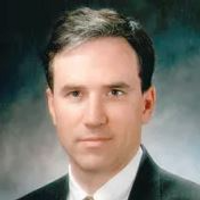
Daniel Burnside profile photo

Daniel Burnside

Clinical Professor of Finance University of Rochester

  • Rochester NY

Burnside is a chartered financial analyst and an expert in money management and financial planning.

Contact
University of Rochester logo

University of Rochester

View more experts managed by University of Rochester

Spotlight

2 min

As Americans scale back spending on luxuries and some necessities — from dining out and live entertainment to home and auto maintenance — the ripple effects are being felt across the broader economy. Daniel Burnside, clinical professor of finance at the Simon Business School, says the trend reflects more than just belt-tightening and signals deeper structural pressures tied to energy markets. “Higher energy prices push inflation up and growth down, putting monetary policymakers in a bind,” Burnside says, explaining the current situation as being beyond a typical price spike. “This isn’t just a price shock, it’s a capacity shock,” he says. “You can’t just flip a switch back to normal because a lot of energy infrastructure has been destroyed. That distinction matters. Because energy costs are embedded in nearly every good and service, rising prices squeeze consumers beyond the gas pump. The result is reduced discretionary spending at venues like sporting and live music events, restaurants, and leisure destinations. Looking ahead, Burnside says a rapid rebound in discretionary spending is possible but unlikely. “If, by some miracle, energy prices quickly return to prewar levels, you would see a sharp run-up in discretionary stocks,” he says. “But that’s precisely because expectations are so low.” For now, markets are signaling that a swift return to pre-crisis conditions isn’t on its way, Burnside says. Until energy supply stabilizes, the pressure on both consumers and the businesses that rely on it is likely to persist. Burnside regularly fields inquiries from journalists looking for his insight on personal money matters and investing. Contact him by clicking on his profile.
Daniel Burnside

1 min

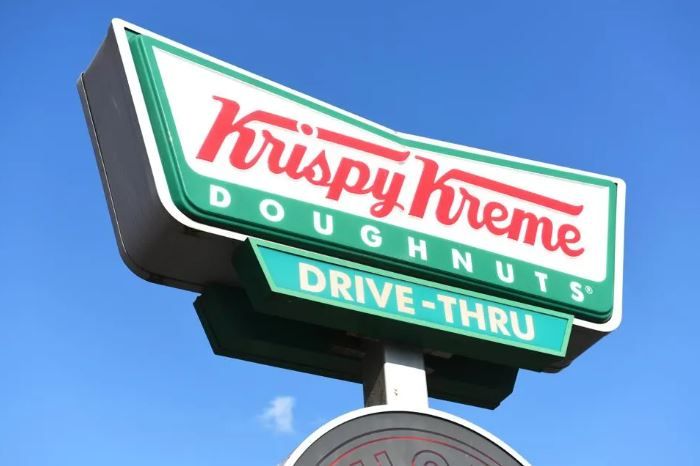
"Meme stock" fever in the financial markets is back and hotter than ever. If you're a reporter covering the trend now or in the future (because history suggests it'll boomerang), the University of Rochester invites you to reach out to Daniel Burnside, clinical professor of finance at the Simon School of Business, for insight.  Burnside has held various roles in the investment, risk management and financial planning fields, and has worked extensively with both individual and institutional clientele. He recently helped Forbes explain the trend affecting stocks like Krispy Kreme and Kohl's and other brands, and offered advice on how investors should proceed. "You’re not investing in fundamentals, you’re betting on crowd psychology and social media dynamics,” Burnside told Forbes.  Burnside encouraged potential investors to “keep it small.” “No more than, say, 5% of your portfolio,” he added. “It’s speculation, not strategy. If you can’t afford to lose it, you can’t afford to meme it.”  Contact Burnside by clicking on is profile.

Daniel Burnside

Areas of Expertise

Personal Finance
Financial Planning
Investment Management
Money Management
Quantitative Research
Risk Management
Finance

Media

Social

Biography

Dr. Daniel Burnside is the former director of quantitative research at Clover Capital Management in Rochester, N.Y. He has held various roles in the investment, risk management and financial planning fields, and has worked extensively with both individual and institutional clientele. Burnside is a chartered financial analyst (CFA).

Education

University of Rochester / Simon School of Business

MS

Business Administration

2001

Cornell University

PhD

Philosophy

1995

Selected Media Appearances

The War in Iran Is Driving Costs Up. Here Are Some Ways to Save.

The New York Times  print

2026-03-13

Rising oil prices affect virtually all goods, not just at the gas pump.

“Anything that you buy that gets delivered by truck is going to be more expensive because diesel’s gone up,” said Daniel Burnside, a clinical professor in finance at the University of Rochester’s Simon School of Business.

Professor Burnside said there are simple ways to save money.

That could mean taking public transportation instead of driving, washing your clothes in cold water to save on energy costs, cutting back on barely used subscriptions, or delaying the purchase of anything you don’t really need, he said.

Describing the drive to save money as “an evergreen problem,” Professor Burnside said, “You could use all the techniques that worked last week, it’s just now it seems more urgent because all of a sudden all your costs are going up.”

View More

The Best Credit Cards for Young Adults

WalletHub  online

2026-02-06

Personal finance expert Daniel Burnside weighs in on questions about credit cards and young adults: Should all young adults have a credit card? What is the biggest mistake young adults make with a credit card? What type of credit card feature is most important to a young adult?

View More

How the New Fed Rate Cut Will Affect You

Huffington Post  online

2025-09-18

The rate cut is unlikely to affect most people who plan to stay in their homes, said Daniel Burnside, clinical professor of finance at the University of Rochester’s Simon Business School in New York. One exception: If you have an adjustable-rate mortgage, your mortgage payment could fall. “Homeowners with fixed-rate mortgages — which is most borrowers in the U.S. — won’t see their rates change,” Burnside said.

View More