Jill Sonke profile photo

Jill Sonke

Research Director | Research Associate Professor University of Florida

  • Gainesville FL

Jill Sonke is active in research, teaching, and international cultural exchange.

Contact
University of Florida logo

University of Florida

View more experts managed by University of Florida

Biography

Jill Sonke is active in research, teaching and international cultural exchange. She runs the Center for Arts in Medicine's Interdisciplinary Research Lab, and her current research focuses on the arts and health communication, the arts and public health, and the effects of live preferential music on cost and quality of care in emergency medicine.

Areas of Expertise

Telehealth
Global Health
Arts
Arts in Medicine
Dance
Medicine

Media Appearances

CDC appoints UF Center for Arts in Medicine director as senior adviser to COVID-19 Vaccine Task Force

In the Loop  online

2021-06-10

The Centers for Disease Control and Prevention appointed Jill Sonke, director of the UF Center for Arts in Medicine, as senior adviser to the Vaccine Confidence and Demand Team on the COVID-19 Vaccine Task Force this summer.

View More

For Rohingya Survivors, Art Bears Witness

The New York Times  online

2021-03-19

Jill Sonke, director of the Center for Arts in Medicine at the University of Florida, said that in contrast to typical public service announcements,“aesthetic experiences linger in the senses so the ideas stay with you.”

View More

At Kunle Adewale Day, Change makers Call for Active Engagement

THISDAY  online

2020-08-08

On the opening day, discussants from four continents were featured. Jill Sonke, Director, Center for the Arts in Medicine at the University of Florida (UF), USA, delivered a most stirring introduction to the event, drawing the correlation between the prevalent issues of the Corona Virus and Systemic Racism as both Public health crises. While recalling notable artists using art for social justice, Sonke highlighted the public health system’s need for artists to make changes. A panel session moderated by Wemimo Onikan featured crucial stakeholders in the arts including Ken Nwadiogbu, a renowned Nigerian hyperrealism artist and social activist; Brian “B Flow” Bwembya, the founder, Music for Change, a performing artist and Social activist; Annie Ruth, the founder, Eye of the Artists Foundation; and Paul Modjadji, a performing Artist and Founder, Breaking down Borders Africa Initiative.

View More

Social

Articles

Associations between participation in community arts groups and aspects of wellbeing in older adults in the United States: A propensity score matching analysis

Medrxiv

Jessica Bone, et al.

2021-06-02

There is a social gradient in both arts engagement and wellbeing which may have led to an overestimation of the impact of arts engagement on wellbeing in previous research. Using data from 12,111 older adults in the Health and Retirement Study (2014-2016), we tested whether participation in community arts groups was associated with concurrent wellbeing. We measured life satisfaction, positive and negative affect, and purpose in life, constraints on personal control and mastery.

View more

Toward a Culture of Health in the United States: Introducing the HPP Arts in Public Health Supplement

Health Promotion Practice

Jill Sonke, et al.

2021-05-04

The arts—and the arts and culture sector—offer fertile ground for achieving a culture of health in the United States. The arts and artists are agents of change and can help enable this vision and also address the most critical public health issues we are contending with, including COVID-19 and racism. The arts provide means for engaging dialogue, influencing behaviors, disrupting paradigms and fueling social movements. The arts uncover and illuminate issues. They engage us emotionally and intellectually.

View more

Difference in predictors and barriers to arts and cultural engagement with age in the United States: A cross-sectional analysis using the Health and Retirement Study

SocArXiv

Meg Fluharty, et al.

2021-02-06

Arts and cultural engagement are associated with a range of mental and physical health benefits, including promoting heathy aging and lower incidence of age-related disabilities such as slower cognitive decline and slower progression of frailty. This suggests arts engagement constitutes health-promoting behaviour in older age.

View more

Media

Spotlight

3 min

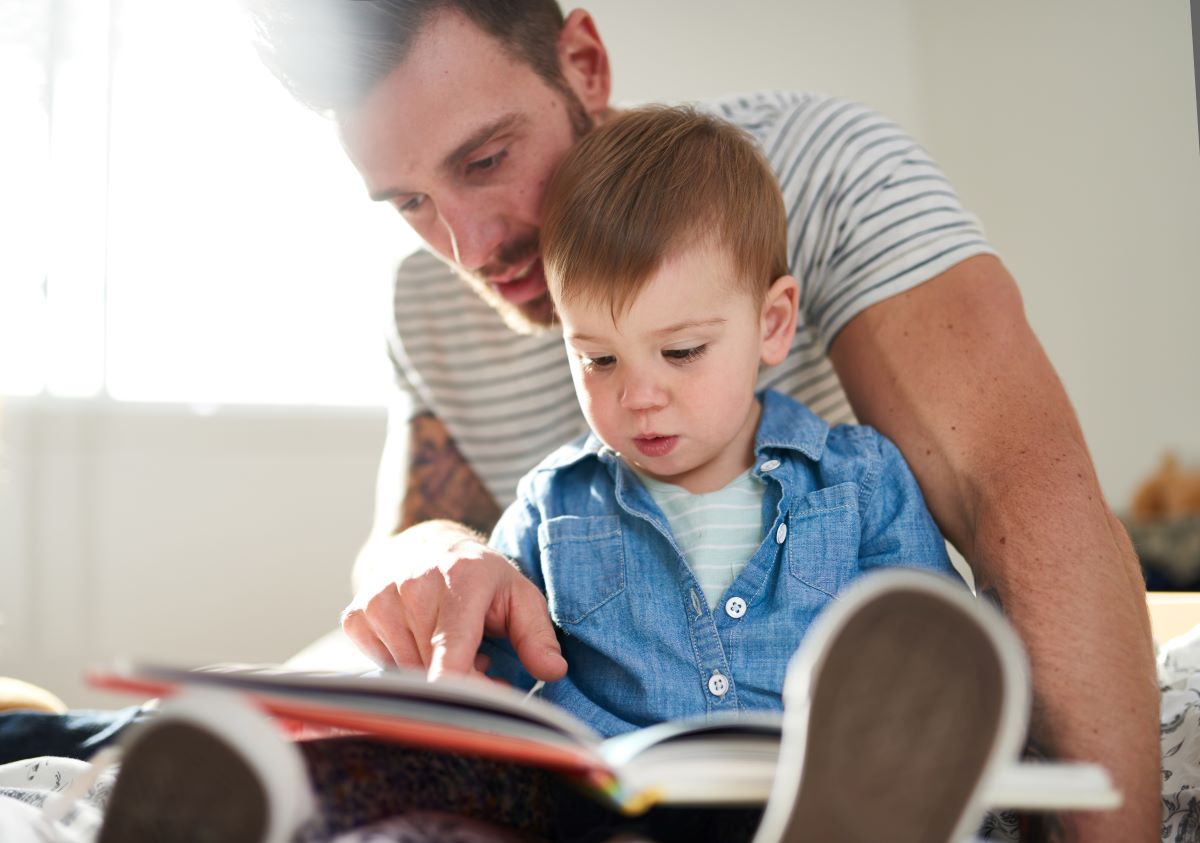
A sweeping new study from the University of Florida and University College London has found that daily reading for pleasure in the United States has declined by more than 40% over the last 20 years — raising urgent questions about the cultural, educational and health consequences of a nation reading less. Published today in the journal iScience, the study analyzed data from over 236,000 Americans who participated in the American Time Use Survey between 2003 and 2023. The findings suggest a fundamental cultural shift: fewer people are carving out time in their day to read for enjoyment. “This is not just a small dip — it’s a sustained, steady decline of about 3% per year,” said Jill Sonke, Ph.D., director of research initiatives at the UF Center for Arts in Medicine and co-director of the EpiArts Lab, a National Endowment for the Arts research lab at UF in partnership with University College London. “It’s significant, and it’s deeply concerning.” Who’s reading and who isn’t The decline wasn’t evenly spread across the population. Researchers found steeper drops among Black Americans than white Americans, people with lower income or educational attainment, and those in rural (versus metropolitan) areas — highlighting deepening disparities in reading access and habits. “While people with higher education levels and women are still more likely to read, even among these groups, we’re seeing shifts,” said Jessica Bone, Ph.D., senior research fellow in statistics and epidemiology at University College London. “And among those who do read, the time spent reading has increased slightly, which may suggest a polarization, where some people are reading more while many have stopped reading altogether.” The researchers also noted some more promising findings, including that reading with children did not change over the last 20 years. However, reading with children was a lot less common than reading for pleasure, which is concerning given that this activity is tied to early literacy development, academic success and family bonding, Bone said. Why it matters Reading for pleasure has long been recognized not just as a tool for education, but as a means of supporting mental health, empathy, creativity and lifelong learning. The EpiArts Lab, which uses large data sets to examine links between the arts and health, has previously identified clear associations between creative engagement and well-being. “Reading has historically been a low-barrier, high-impact way to engage creatively and improve quality of life,” Sonke said. “When we lose one of the simplest tools in our public health toolkit, it’s a serious loss.” The American Time Use Survey offers a unique window into these trends. “We’re working with incredibly detailed data about how people spend their days,” Bone said. “And because it’s a representative sample of U.S. residents in private households, we can look not just at the national trend, but at how it plays out across different communities.” Why are Americans reading less? While causes were not part of the study, the researchers point to multiple potential factors, including the rise of digital media, growing economic pressures, shrinking leisure time and uneven access to books and libraries. “Our digital culture is certainly part of the story,” Sonke said. “But there are also structural issues — limited access to reading materials, economic insecurity and a national decline in leisure time. If you’re working multiple jobs or dealing with transportation barriers in a rural area, a trip to the library may just not be feasible.” What can be done? The study’s authors say that interventions could help slow or reverse the trend, but they need to be strategic. “Reading with children is one of the most promising avenues,” said Daisy Fancourt, Ph.D., a professor of psychology and epidemiology at University College London and co-director of the EpiArts Lab. “It supports not only language and literacy, but empathy, social bonding, emotional development and school readiness.” Bone added that creating more community-centered reading opportunities could also help: “Ideally, we’d make local libraries more accessible and attractive, encourage book groups, and make reading a more social and supported activity — not just something done in isolation.” The study underscores the importance of valuing and protecting access to the arts — not only as a matter of culture, but as a matter of public health. “Reading has always been one of the more accessible ways to support well-being,” Fancourt said. “To see this kind of decline is concerning because the research is clear: reading is a vital health-enhancing behavior for every group within society, with benefits across the life-course.”

Jill Sonke

1 min

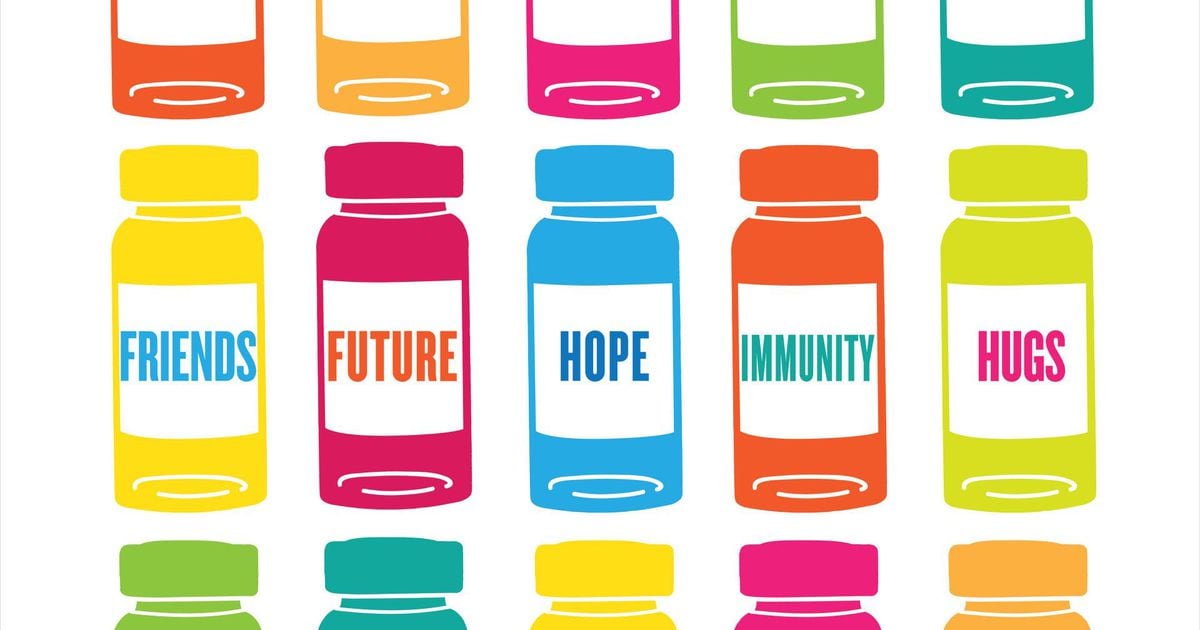
Can the artists and culture-bearers among us help move people who are unvaccinated to action? That’s the hope of a new initiative from the Centers for Disease Control and Prevention (CDC) to build vaccine confidence across the country. Read more from Jill Sonke in her op-ed in the Atlanta Journal-Constitution.

Jill Sonke
