4 min
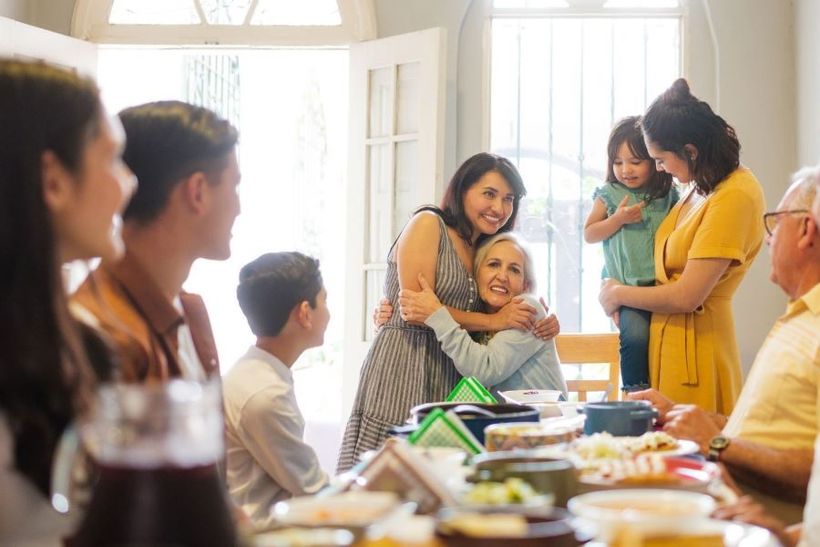
When families gather together for vacations and reunions, they are often regaled with tales about an older relative’s fascinating life story or firsthand experience as an eyewitness to history. So how do you capture and preserve those precious memories? Historians with Baylor University’s renowned Institute for Oral History, home of the national Oral History Association as well as its regional affiliate Texas Oral History Association, have recorded and preserved oral history memoirs of individuals since 1970. Stephen Sloan and Adrienne Cain Darough Stephen Sloan, Ph.D., IOH director, professor of history and executive director of the national OHA, and Adrienne Cain Darough, M.L.S., assistant director and clinical associate professor, share seven simple best practices to help family members begin oral history conversations that enrich recollections of the past. Seven best practices for family oral history conversations 1. Make sure your family member wants their story to be documented or recorded. That's a very important question to ask ahead of time, Cain said. “Many oral historians have run into the spot where, ‘Oh, my grandpa would be great,’ and you get there and it's like, ‘Grandpa does not want to talk to you.’ So first making sure that they want their story recorded.” 2. Determine the type of recording equipment you want to use. Decide if you want to record your interview with an audio recorder or using a video recording device. The Institute for Oral History offers a helpful resource on choosing the right digital recorder for your needs and comfort level. 3. Do some advance research about your family member’s life and their timeline to help you formulate your questions. You can't just put down a recorder in front of someone and say, "Talk." Are there specific things that you want to know? For example, would your family member recall a specific time in their life or a moment in history that affected them? What were they like in high school and what were things they enjoyed doing? Did they serve in the military? “Doing your research to try to form those questions will help you get around what I will say is the reluctance to talk sometimes,” Cain said. “The favorite thing that I love to hear is, ‘Oh, I don't have much to say,’ or ‘I'm not that important.’ And then you sit down with them, and you listen to their stories, and your mind is just blown by the things that they've seen and experienced.” 4. Ask open-ended questions without making any assumptions. With oral history, Sloan said it’s important not to go into the interview with a specific agenda and try to lead anyone to a certain conclusion. “We can do this very subtly by assuming information, but I can't assume that their experience with that topic is X. That could have been very far from how they encountered whatever event that may have been,” Sloan said. “I've got to allow them to relate to me the ways in which they lived these experiences.” 5. Start with the basics, such as “Where are you from?” When Sloan, Cain and their oral history colleagues conduct an interview on any given topic, they generally begin with some life history of the subject, providing important context for historians. “Ask questions early on that are easy for them to answer: a little bit of the backstory, a little bit of where they're from, where they grew up,” Sloan said. “I want to understand the lens through which they experienced events, and the only way I can do that is, who was this? What was formative in their life growing up? Who spoke into who they were? What did they learn? Where did they go? What did they do? Those are the sorts of things that I would be exploring early in the interview.” One of the questions Cain enjoys asking is, “What did you want to be when you grew up?” There is the standard answer, but she notes that there’s often something that happened that may have changed that trajectory. “You want to give them something that's very easy and comfortable to talk about,” Cain said. “What was your favorite subject, just to see if that was something that continued on in their life. If there's a certain hobby or something that you know they're affiliated with, when did you learn about that? Tell me more. What's your interest in this? And then they'll get to talking.” 6. Make sure you are listening, an important facet of gathering oral history. When conducting an oral history interview, you are not only listening for what they're saying, you're also listening for what they're not saying, Cain said. “Are there things that are being skipped around?” Cain said. “For example, sometimes when you're talking to veterans about their combat experience, they need time. There may be some things they have seen and that may be the first time they're reliving or retelling these stories. And you just have to be prepared for that.” 7. Be patient. It might take your subject some time to warm up to the conversation. Patience is a virtue in oral history interviewing. “If you're talking to someone who is 80, 90 or even 100, that's a lot of memories that they have to go through, so patience is important,” Cain said. Oral History Resources LISTEN: Dr. Stephen Sloan and Adrienne Cain Darough join the Baylor Connections Podcast to share more about preserving oral histories while offering tips for individuals seeking to preserve the stories of family or friends. FREE RESOURCES: Baylor’s Institute for Oral History provides free oral history resources on the IOH website. Get best practices on oral history interviewing, project planning and organization, transcribing interviews, protecting and preserving recordings and conducting phone or Zoom oral history interviews. Looking to know more or arrange an interview with the experts? Simply contact: Shelby Cefaratti-Bertin at Shelby_Cefaratti@baylor.edu today.