Wendy Overbeck Dunham profile photo

Wendy Overbeck Dunham

Director of Horticulture Frederik Meijer Gardens & Sculpture Park

  • Grand Rapids MI

Wendy oversees care and presentation of Meijer Gardens’ living collections—connecting guests to art, design, and the natural environment.

Contact
Frederik Meijer Gardens & Sculpture Park logo

Frederik Meijer Gardens & Sculpture Park

View more experts managed by Frederik Meijer Gardens & Sculpture Park

Spotlight

2 min

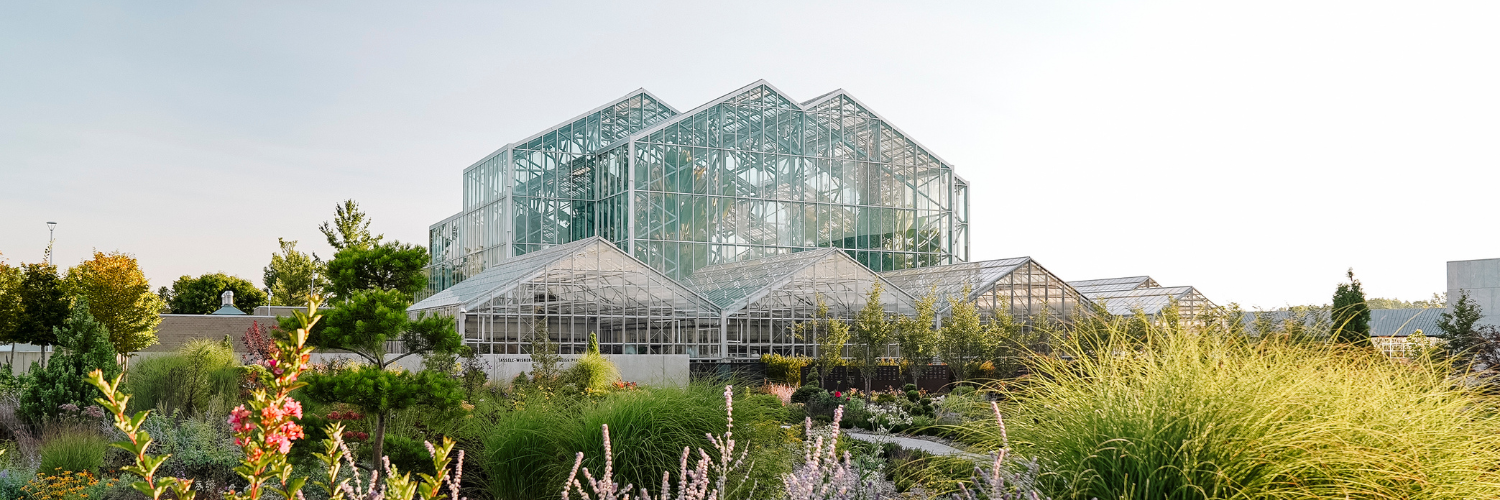
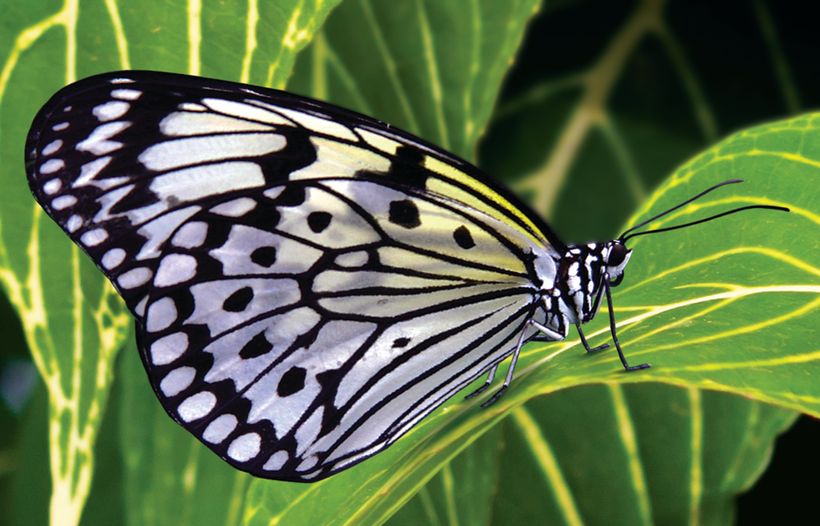
We all look for signs of spring that herald the changing of seasons – buds bursting on trees, plants pushing out of the ground, and migratory birds returning. But there is another sure sign of spring, and it takes place annually at Frederik Meijer Gardens & Sculpture Park in Grand Rapids, Michigan – Fred & Dorothy Fichter Butterflies Are Blooming (March 1-April 30). The largest temporary tropical butterfly exhibition in the United States, Butterflies Are Blooming welcomes visitors into the 80-degree, five-story, 15,000-square-foot Lena Meijer Tropical Conservatory that is a paradise for thousands of butterflies flying freely all around. More than 7,000 chrysalides representing over 60 species travel to Frederik Meijer Gardens & Sculpture Park throughout the exhibit's duration from tropical countries including Belize, Brazil, Costa Rica, Ecuador, Kenya, Malaysia, and the Philippines. Wendy Overbeck Dunham is Director of Horticulture at Frederik Meijer Gardens & Sculpture Park in Grand Rapids, Michigan. She leads the team that oversees the care and presentation of its living collections from tropical conservatories and outdoor gardens to seasonal displays connecting guests to art, design, and the natural environment. View her profile “Stepping into Michigan’s largest glasshouse and being bathed in warmth while thousands of butterflies swirl in vibrant color and motion is a feeling you can’t get anywhere else,” says Wendy Overbeck Dunham, Director of Horticulture. “After months of winter, that first breath of tropical air and the close-up encounters with butterflies are pure joy.” Click on the link below: Thousands of butterflies emerge at Frederik Meijer Gardens, WOOD-TV8 (NBC Grand Rapids) The exhibition also offers guests up-close experiences at butterfly feeding stations, where tropical fruit slices and nectar-rich plants attract the butterflies, and at the Observation Station, where 1,250 chrysalides arrive at Meijer Gardens each week and transform into butterflies and moths. Additionally, the exhibition features vibrant floral displays, including arches of foliage and blooms in varied hues; unique nectar plant varieties; and colorful arrangements of air plants, bromeliads, and orchids. “Most people don’t know that butterflies taste with their tiny feet,” Dunham explains. “Our feeding stations create fantastic photo ops and bring butterflies close enough to admire their intricate wing patterns and how their straw-like proboscis uncoils to feed.” Guests also can visit the butterfly release stations to watch newly emerged butterflies make their debut and take their first flight as the stars of the show. “It’s an immersive experience,” Dunham adds. “The conservatory is full of energy! As you wander, take time to pause and watch the butterflies flit, flutter and feed. Those quiet moments are what make our butterflies unforgettable.” If you are looking to cover spring-related garden stories, including about Butterflies are Blooming, connect with Wendy below.

Wendy Overbeck Dunham

2 min

When a corpse flower, one of the world’s rarest and most extraordinary blooming plants, bursts into bloom, it’s more than a quirky spectacle. It’s a moment that invites deeper stories about plant biology, conservation, biodiversity, and the science that helps preserve rare species. Last season, Wendy Overbeck Dunham, Senior Horticulture Manager at Frederik Meijer Gardens & Sculpture Park, was interviewed by reporters from ABC News and ARC West Michigan (CBS News) covering this rare event. Wendy Overbeck Dunham is the Director of Horticulture at Frederik Meijer Gardens & Sculpture Park in Grand Rapids, Michigan. She leads the horticulture team that oversees the care and presentation of the organization’s living collections ranging from tropical conservatories and outdoor gardens to seasonal displays connecting guests to art, design, and the natural environment. View her profile Why This Bloom Is So Rare and Newsworthy Corpse flowers (Amorphophallus titanum) are famous for their massive size, unpredictable bloom cycles, and powerful odor that mimics rotting flesh , an evolutionary strategy for attracting specific pollinators. These blooms can take many years to develop, and their spectacular emergence open only for a short window -attracts crowds and widespread attention. Last year, as one such plant prepared to bloom at Frederik Meijer Gardens, anticipation built across West Michigan and beyond, with extended visiting hours so the public could witness, and smell,  this rare phenomenon. Wendy Overbeck Dunham offered a vivid description of what made this bloom such an unforgettable experience and also showed both the humor and educational value of the moment, a reminder that science can be fun, fascinating, and even a bit funky. “No matter how you describe it, this plant, which we've nicknamed ‘The Beast,’ is definitely going to stink here in the next few days.” Wendy Overbeck Dunham leads horticultural strategy and rare plant cultivation at Frederik Meijer Gardens & Sculpture Park. Her leadership focuses on nurturing exceptional plant specimens, interpreting botanical phenomena for the public, and providing an expert voice on topics ranging from plant biology to conservation and ecological storytelling.

Wendy Overbeck Dunham

Media

Linkedin Profile

Biography

Wendy Overbeck Dunham is the Director of Horticulture at Frederik Meijer Gardens & Sculpture Park in Grand Rapids, Michigan. She leads the horticulture team that oversees the care and presentation of the organization’s living collections—ranging from tropical conservatories and outdoor gardens to seasonal displays—connecting guests to art, design, and the natural environment.

Wendy brings a wealth of horticulture experience from her 20+ years at Meijer Gardens, preceded by positions at John Ball Zoo and the Michigan Civilian Conservation Corps with the Michigan Department of Natural Resources. She holds a bachelor of science degree in Zoology with a concentration in Zoo and Aquarium Science and a Specialization in Environmental Studies from Michigan State University.

Industry Expertise

Landscaping
Agriculture and Farming

Areas of Expertise

Common Sense Landscaping
Butterfly Exhibits
Horticulture
Gardening
Exhibit Design
USDA / APHIS Permitting
Botanical Gardens
Public Gardens
Seasonal Plants/Displays
Native Plants

Accomplishments

Certified Commercial Pesticide Applicator License

Demonstrates advanced knowledge of pesticide safety, environmental stewardship, and regulatory compliance. Authorized to apply restricted-use pesticides in commercial settings, ensuring effective pest management while protecting public health, natural resources, and surrounding landscapes. Reflects commitment to professional standards, continuing education, and responsible land and facility management.

Purpose Driven Leadership

Purpose Driven Leadership is a professional certification that equips leaders to align organizational success with meaningful impact. Grounded in values-based decision-making and long-term vision, the program helps participants clarify purpose, inspire teams, and lead with authenticity and accountability. Graduates are recognized for advancing both people and performance in service of a greater purpose.

Education

Michigan State University

B.S.

Zoology

2000

Media Appearances

When to Plant Tulip Bulbs: Top Tips for Growing the Flowers

Architectural Digest  print

2026-03-24

Tulips should be planted in fall, before the ground freezes, with the pointed end facing up, in a planting area with full sun to partial shade and well-drained soil, since they do not like excessive moisture, says Wendy Overbeck Dunham, director of horticulture at Frederik Meijer Gardens & Sculpture Park in Grand Rapids, Michigan. “After flowering, deadhead spent blooms, but the foliage should be left in place to die back naturally,” says Overbeck Dunham.

View More

The largest tropical butterfly exhibition in the country returns to Grand Rapids for its 31st year

FOX17 West Michigan  tv

2026-03-03

"We have events related to the butterfly exhibition, as well as entertainment folded in. It's very easy to spend the whole day here," said Wendy Overbeck Dunham, Director of Horticulture at Frederik Meijer Gardens & Sculpture Park.

View More

Thousands of butterflies emerge at Frederik Meijer Gardens

WOOD-TV8 (NBC Grand Rapids)  tv

2026-02-26

“There are already thousands of butterflies in here," said Wendy Overbeck, director of horticulture at Frederik Meijer Gardens & Sculpture Park. "We’ll be releasing about a thousand butterflies a week. You’ll see groups … of butterflies roosting, sleeping in the trees."

View More

Style

Availability

  • Panelist

Articles

4 Natural Ways to Keep Squirrels Out of Your Winter Garden Beds

Martha Stewart

2025

“To keep things pretty and protected, try planting dense ground covers as a living barrier,” says Wendy Overbeck Dunham, the director of horticulture at Frederik Meijer Gardens & Sculpture Park. Adding boxwood shrubs may seem like overkill for a smaller bed, but their dense foliage will keep out even the most inquisitive of squirrels.

View more

How Long Poinsettias Really Last—and How You Can Maximize Their Lifespan

Martha Stewart

They don't have to be one-season wonders, and can last long after the holiday season—although they won't look vibrant all throughout the year. “The real flowers are the tiny yellow structures in the center," says Wendy Overbeck Dunham, the director of horticulture at Frederik Meijer Gardens & Sculpture Park. "Because those bracts need very specific light conditions to color up, they won’t stay bright year-round."

View more

7 Fall Gardening Mistakes That Will Ruin Your Perennials—and What to Do Instead

Martha Stewart

Pruning too early can cause problems. “Cutting foliage before it naturally dies back prevents plants from storing enough energy in their roots, leaving them weaker when spring arrives," says Wendy Overbeck Dunham, director of horticulture at Frederik Meijer Gardens and Sculpture Park.

View more
