Kaitlynn Furse profile photo

Kaitlynn Furse

Director, Corporate Communications

  • Thornhill ON CANADA

Media spokesperson and subject matter expert on winter driving, road trips and travel.

Contact

Spotlight

3 min

Canadians remain passionate about exploring new destinations, but changing global dynamics are reshaping how and where they travel. According to CAA’s Travel Wise survey, more than half of Canadians (51 per cent) now say geopolitical and economic factors, such as instability abroad, a perception of the U.S. as being less welcoming, and rising travel costs, are influencing where Canadians choose to travel.  Shifting Destinations and Attitudes Travel patterns are evolving. The survey conducted in 2025 shows that only 22 per cent of Canadians planned to visit the U.S., an 11 per cent drop from 2024. Instead, many are opting to stay within Canada (40 per cent) or explore international destinations. The perception of the U.S. as less welcoming, coupled with rising travel costs and global instability, is prompting Canadians to reconsider their travel plans.  "Canadians are adventurous by nature, but today’s travellers are having to make thoughtful decisions," says Kaitlynn Furse, Director of Corporate Communications. "We’re seeing a clear trend toward exploring closer to home and seeking out new international experiences, all while keeping an eye on safety and value." Travel Insurance: A Critical, Yet Overlooked, Safeguard While Canadians feel confident travelling within their own country, many assume “home turf” means low risk. This misconception leaves millions exposed to unexpected costs when trips don’t go as planned. The survey found that 64 per cent did not have travel insurance on their most recent trip when travelling within Canada.  “Recent stories have highlighted Canadians facing unexpected medical bills, trip interruptions, and emergency expenses while travelling within Canada, often because they didn’t realize their regular provincial health coverage or credit card benefits had limits,” says Furse. “If something were to happen, provincial healthcare only partially covers you outside of your home, and sometimes, not at all, covering only basic emergency medical services when travelling in another province.”   Among those who travelled uninsured, 44 per cent believed coverage wasn’t needed, and 29 per cent thought their provincial government’s health plan would suffice. However, provincial healthcare only partially covers emergency medical services in other provinces, and sometimes not at all.  “One of the biggest misconceptions we see is the idea that travelling within Canada comes with less risk,” says Furse. “Unexpected medical costs, trip interruptions and emergencies can happen anywhere, and many travellers are surprised to learn they’re not fully covered.” With recent geopolitical incidents in Cuba, Mexico and the Middle East, Travel Wise is focused on helping Canadians understand risk, avoid misinformation, and make decisions grounded in facts rather than fear or speculation. Here are some tips:  Understand what an “avoid non-essential travel” advisory really means: Travel advisories reflect real-time safety risks, and an “avoid non-essential travel” signal indicates rapidly changing conditions that may change quickly, and support may be limited.  Know that advisories can affect your insurance and your exit options: Travelling against government advice can limit your travel insurance, including medical care or emergency evacuation. Coverage must be in place before conditions deteriorate.  Flexibility is essential; review cancellation and change policies now: Travellers should proactively confirm cancellation deadlines, refund eligibility, rebooking options for all reservations and understand the limits of credit card protections, employee benefits, and pension coverage benefits.   Stay connected to Canada while abroad: Canadians should monitor official updates from Global Affairs Canada and register with the Registration of Canadians Abroad service before departure or while on location if something arises.  Rely on reputable sources and be cautious of misinformation online: Canadians should rely on official government sources, established travel organizations, and verified news outlets for travel guidance.  For many travellers, cancelled or delayed flights remain a top concern. CAA’s Air Passenger Help Guide offers a straightforward resource for travellers facing disruptions. The online survey was conducted by DIG Insights from September 29 – October 8, 2025, with 2,0210 Canadian travellers aged 25 to 64 who have travelled outside their province of residence in the past three years and plan to travel again in the next five years. Based on the sample size of n=2,021 and with a confidence level of 95%, the margin of error for this research is +/2%.)

Kaitlynn Furse

4 min

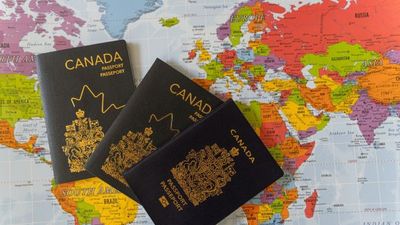
School will soon be out for the summer, and many young families are opting to explore the beauty of their own country travelling to top destinations like Vancouver, Calgary and Halifax rather than heading south. While many travellers prioritize insurance for international trips, a recent CAA survey found that many people overlook the necessity of travel insurance for domestic travel, often assuming provincial healthcare will have them covered. "Exploring Canada’s breathtaking landscapes is an adventure worth taking, but unexpected travel hiccups don’t stop at the border,” says Kaitlynn Furse, Director Corporate Communications, CAA SCO. “Whether it’s a sudden medical emergency or trip disruptions, having the right travel insurance ensures you can focus on making memories." The national travel survey conducted for CAA reveals that four in ten Ontarians (41 per cent) travelled outside their home province without travel insurance during their last trip. Some believed it was unnecessary (43 per cent), others worried about the cost (24 per cent), and 20 per cent took their chances, hoping nothing would go wrong. “Many Canadians assume they’re fully protected when travelling within the country, but that’s simply not the case,” adds Furse. A minor mishap can become a major expense, whether a broken ankle on a hike or a last-minute interruption.” Here are two unexpected ways travel insurance can help: You break your ankle while hiking on one of Canada’s beautiful nature trails and now need an ambulance or an airlift, crutches, and medication. You’re on vacation but must return unexpectedly because someone at home gets seriously ill. In stressful situations, like when a family member falls ill, it helps to have support when you need it. Trip Cancellation Insurance would cover the flight change fee and help get you back home. According to Orion Travel Insurance, part of the CAA family, the average medical claim cost has risen by 15 per cent annually since 2019, with everything from ear infections to air ambulance services becoming significantly more expensive. Here are ten additional tips to help your trip go smoothly, no matter where you travel. Know the cancellation policies and check limits or restrictions for everything you booked. Make sure you understand any key dates related to cancellations or changes. This includes accommodation, flights, car rentals, tours, and cruises. Check limits or restrictions on credit cards, employee benefits, and pensions to determine if you need additional travel insurance coverage.   Make sure all your documentation is in order before you book. It is recommended that passport renewals be completed six months before your planned trip. Your passport should still be valid six months after your travel date, as this is required in several countries.  There are varying documentation requirements, so make sure you fully understand what information you need to have ready and in what format.  Read up on Government of Canada travel advisories for your destination. Understand the risk level associated with travel to a particular destination by checking the Government of Canada Travel Advice and Advisories website. Individual travel advisories remain on a country-by-country basis. It is important that Ontarians/Manitobans understand the ongoing uncertainty associated with international travel.  Speak with your physician to discuss your travel plans. It is important that you speak to your physician to ensure you are up to date with needed travel vaccines and have them prescribe enough medication for the length of your trip. Ensure all the medication you take is packed in your carry-on and in its original bottles with labels intact.    Consider purchasing travel insurance at the time of booking your trip. To lock in the best protection, book your travel insurance at the same time you book your trip. Booking Trip Cancellation or Interruption insurance will give you peace of mind that you and your investment are protected. Insurance must be in place before things go wrong for you to benefit from coverage.   Get to the airport early. The old standby of being at the airport one hour before takeoff for domestic flights and two hours before international flights no longer apply. CAA recommends arriving at the airport at least two hours before domestic flight departures and at least three for international flights.  Stay connected. It is important to have access to trusted, up-to-date information while travelling so you can monitor changing conditions and requirements and adapt accordingly. Bookmark the Global Affairs Canada website prior to departure and check it regularly while abroad. It is also a good idea to sign up for Registration of Canadians Abroad and stay in touch with a family or friend who has knowledge of your travel plans. Find these and more information at caasco.com/travelwise Note emergency contact numbers. Provide your travel agent with contact details while travelling abroad and keep all important phone numbers handy; this includes how to call for help and your travel insurance assistance phone number. It is also a good idea to keep a physical copy of all their reservation information and leave those details with a friend or family.     Protect your ID. Ensure you have a digital and paper version of your Travel insurance wallet card, tickets to various events and attractions, and even your passport. You may also want to leave a copy of important paperwork with family members or friends.  Pack your carry-on wisely. Place the most important items like passport/ID, boarding pass, travel itinerary, wallet, phone, charger, medications, toiletries, glasses/contacts, noise-canceling headphones, book/e-reader, snacks, empty water bottle, travel pillow, change of clothes, sweater, socks, pen, and reusable bags in your carry-on bag. For more information on travel insurance and how to stay protected, visit caasco.com/travelwise Based on the sample size of n=2,005 and with a confidence level of 95%, the margin of error for this research is +/2%.)

Kaitlynn Furse

4 min

A recent member survey conducted by CAA South Central Ontario (CAA SCO) has unveiled concerning statistics regarding the lack of travel insurance awareness and preparedness. Despite the financial risks associated with travelling unprotected, the survey found that 40 per cent of members in Ontario who travel don’t always purchase emergency medical travel insurance, highlighting a potential vulnerability. "In a world of uncertainties, our survey highlights a critical gap in travel preparedness among Ontarians," says Kaitlynn Furse, director of corporate communications at CAA SCO. "At CAA, we believe in empowering travellers with knowledge so they can explore confidently and securely." The survey also discovered that almost a quarter of respondents (23 per cent) ventured on their last trip outside the province without any form of travel insurance, exposing themselves to potential financial burdens in case of emergencies. Additionally, 33 per cent of people who travel with travel insurance relied on the coverage provided by their credit cards, raising concerns about coverage limitations, especially for those over 65. CAA SCO is launching its inaugural CAA Travel Wise Week In response to these findings, CAA SCO is launching its inaugural CAA Travel Wise Week to emphasize the crucial importance of travel insurance education. The campaign aims to inform and educate Ontarians on the risks associated with inadequate coverage and provide valuable insights into securing appropriate protection for their travel adventures. According to claims data from Orion Travel Insurance, the average cost of a medical claim has increased by 14 per cent since 2019. “Costs associated with everything from an ear infection to the use of an air ambulance have risen over the last few years due to medical inflation, underscoring the continued importance of travel insurance for life’s unexpected complications,” says Furse. As part of CAA Travel Wise Week, CAA SCO has curated a list of the top ten tips to help individuals stay protected against common travel concerns: Top 10 Tips for Travel Protection: Make sure all your documentation is in order before you book. It is recommended passport renewals be completed six months before your planned trip. Your passport should still be valid six months after your travel date, as this is required in several countries. Read up on Government of Canada travel advisories for your destination. Understand the risk level associated with travel to a particular destination by checking the Government of Canada Travel Advice and Advisories website. Individual travel advisories remain on a country-by-country basis. Speak with your physician to discuss your travel plans. Speak to your physician to ensure you are up to date with needed travel vaccines and have them prescribe enough medication for the length of your trip. Ensure all the medication you take is packed in your carry-on and in its original bottles with labels intact. Consider purchasing travel insurance at the time of booking your trip. To lock in the best protection, book your travel insurance at the same time you book your trip. Doing so will give you the peace of mind that both you and your investment are protected. Insurance must be in place before things go wrong for you to benefit from coverage. Know the cancellation policies for everything you booked. Make sure you understand any key dates related to cancellation and changes, this includes accommodation, flights, car rentals, tours, cruises. Get to the airport early. CAA recommends arriving at the airport at least two hours before domestic flight departures and at least three for international flights. Check limits or restrictions. Travel insurance is often touted as a perk for certain credit cards but can be drastically limited to both benefits and the sum insured. Check limits or age restrictions on credit cards, employee benefits, and pensions to determine if you need additional travel insurance coverage. Stay connected. It is important to have access to trusted, up-to-date information while travelling so you can monitor changing conditions and requirements and adapt accordingly. Bookmark the Global Affairs Canada website prior to departure and check it regularly while abroad. It is also a good idea to sign up for Registration of Canadians Abroad. Find these and more information at www.caasco.com/travel. Note emergency contact numbers. Provide your travel agent with contact details while travelling abroad and keep all important phone numbers handy; this includes how to call for help and your travel insurance assistance phone number. Protect your ID. Make sure you have a digital version and paper version of your travel insurance wallet card, tickets to various events and attractions and even your passport. You may also want to leave a copy of important paperwork with family members or friends. For more information, visit www.caasco.com/travelwise The survey was an online quantitative survey done with the CAA Members Matter Panel in Ontario between September 22 29, 2023. The margin of error for a sample of this size is plus or minus 1.6% at the 95% confidence level.

Kaitlynn Furse

Media

Social

Biography

Kaitlynn has worked with some of Canada's leading brands to bring corporate storytelling to life. Having worked in both agency and corporate settings, Kaitlynn takes an insights-led approach to developing aspirational and practical communications strategies.

She leads the corporate communications team at CAA Club Group, including external public relations initiatives and internal Associate communications. She also serves as a media spokesperson.

Kaitlynn is an avid traveller, knowledgeable about travel and tourism trends, having previously served as the manager of global public relations and partnerships for Fairmont Hotels & Resorts.

Industry Expertise

Travel and Tourism
Automotive
Public Relations and Communications

Areas of Expertise

Winter Driving
Travel and Tourism
Strategic Communications
Road Trips

Education

Humber College

Post Graduate Certificate

Public Relations

University of Toronto

B.A. (Hons.)

Political Science

Media Appearances

New survey finds 4 in 10 travellers leave the province without travel insurance

CP24  tv

2025-06-26

Kaitlynn Furse from CAA describes travel insurance as an ‘important investment’ when leaving on a flight or road trip.

View More

Hot temperatures, humidity and long drives can be tough on your car: CAA

Durham Radio News  radio

2019-07-05

Spokesperson Kaitlyn Furse says if you’re planning a summer road trip, there’s a number of things you should check on your car first.

View More

What do you do when you are stuck in a ditch

The Weather Network  tv

2019-03-10

“First, stay calm,” says Kaitlynn Furse. “That’s the number one, most important, thing.”

View More