Nadia Matos profile photo

Nadia Matos

Manager, External Communications

  • Thornhill ON CANADA

Media spokesperson and subject matter expert on winter driving, road trips and travel.

Contact

Spotlight

3 min

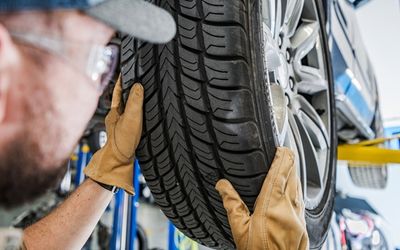
Warmer days may have some Ontario drivers wondering when they really need to prepare their vehicles for winter. CAA South Central Ontario (CAA SCO) says the answer comes down to more than just snowfall. Ontario weather can change quickly during the transition from fall to winter, bringing a mix of rain, sleet, slush, snow and ice. As temperatures fluctuate, CAA SCO is encouraging motorists to prepare before difficult driving conditions arrive. “A warmer day can make winter feel far away, but Ontario drivers know how quickly conditions can change,” says Nadia Matos, Manager of Communications and Content, CAA South Central Ontario. “Winter driving isn’t only about snow. Cold pavement, slush, freezing rain, and ice can all affect how your vehicle responds. Preparing early means you’re ready for the conditions, whatever they may be.” When should drivers put winter tires on in Ontario? CAA SCO recommends installing four matching winter tires when temperatures are consistently around or below 7 C. Cold pavement alone can reduce the performance of all-season tires. In contrast, winter tires are designed for cold conditions, not just snowy roads. Their rubber compound remains flexible as temperatures drop, helping the tires maintain contact with the road and improving traction, stability, and braking. Why changing temperatures matter for drivers Periods of milder weather do not eliminate winter driving hazards. Moisture on the road can freeze as temperatures fall, creating black ice that can be difficult for motorists to see. Drivers should slow down, leave additional following distance, and adjust their driving to road and weather conditions. Depending on speed and weather conditions, winter tires can reduce braking distance by up to 25 per cent, or approximately two vehicle lengths, compared with all-season tires. How to prepare your car for winter driving Winter tires are only one part of getting a vehicle ready for colder weather. CAA SCO recommends that Ontario drivers: Test the battery. Replace a weak battery before it leaves you stranded. CAA SCO will test Members’ batteries free of cost during a service call. Pack an emergency car kit. Include a flashlight, extra batteries, warning devices, first aid supplies, blankets, jumper cables, non-perishable food and water, a phone charger, ice scraper, small shovel and snow brush. Service the vehicle. Have the brakes checked, change the oil as required, and make sure windshield washer fluid and other fluids are topped up. Check windshield wipers, headlights and signal lights. Visibility and lighting becomes especially important during the darker winter months. Keep the gas tank at least half full. At a minimum, keep your tank half full. If you’re ever stuck in an emergency on the road, you’ll be able to run your car for short periods of time to stay warm. “Winter preparation doesn’t have to be complicated,” says Matos. “Check your tires, battery, fluids and lights, and make sure there is an emergency kit in the car. Taking care of those basics now can help you avoid being caught unprepared when the weather changes.” Drivers looking for assistance with winter vehicle maintenance can also consider a CAA Approved Auto Repair Services (AARS) facility.

Nadia Matos

3 min

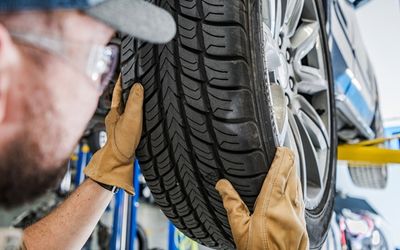
A mild day in November can quickly turn into an icy morning, and CAA Manitoba (CAA MB) is reminding drivers that winter driving preparation is about more than waiting for the first major snowfall. During the transition from fall to winter, Manitoba drivers can encounter rapidly changing conditions, including rain, sleet, slush, snow and ice. CAA Manitoba recommends installing four matching winter tires as temperatures fall because they provide better traction, handling and braking in cold conditions “When we get stretches of warmer weather, it can be tempting to think winter preparation can wait, but Manitoba weather can change quickly,”says Nadia Matos, manager communications and content, CAA Manitoba. “Winter tires aren’t just about driving through deep snow. They’re designed for cold temperatures and changing road conditions, which is why we encourage drivers to prepare before the weather changes, rather than after.” When should drivers put winter tires on in Manitoba? CAA Manitoba recommends motorists install four matching winter tires when temperatures are consistently around or below 7 C. Winter tire rubber is designed to remain flexible as temperatures drop, helping tires maintain contact with the road, including when roads are cold but appear clear. Why changing temperatures matter for drivers Periods of milder weather do not eliminate winter driving hazards. Moisture on the road can freeze as temperatures fall, creating black ice that can be difficult for motorists to see. Drivers should slow down, leave additional following distance and adjust their driving to road and weather conditions. Depending on speed and weather conditions, winter tires can reduce braking distance by up to 25 per cent, or approximately two vehicle lengths, compared with all-season tires. How to prepare your car for winter driving Winter tires are only one part of getting a vehicle ready for colder weather. CAA SCO recommends that Ontario drivers: Test the battery. Replace a weak battery before it leaves you stranded. CAA SCO will test Members’ batteries free of cost during a service call. Pack an emergency car kit. Include a flashlight, extra batteries, warning devices, first aid supplies, blankets, jumper cables, non-perishable food and water, a phone charger, ice scraper, small shovel and snow brush. Service the vehicle. Have the brakes checked, change the oil as required, and make sure windshield washer fluid and other fluids are topped up. Check windshield wipers, headlights and signal lights. Visibility and lighting become especially important during the darker winter months. Keep the gas tank at least half full. At a minimum, keep your tank half full. If you’re ever stuck in an emergency on the road, you’ll be able to run your car for short periods of time to stay warm. “Winter preparation doesn’t have to be complicated,” says Matos. “Check your tires, battery, fluids and lights, and make sure there is an emergency kit in the car. Taking care of those basics now can help you avoid being caught unprepared when the weather changes.” Motorists who need help preparing their vehicle for winter can also consider a CAA Approved Auto Repair Services (AARS) facility for winter maintenance and service.

Nadia Matos

3 min

Ready or not, winter weather has decided to make an early cameo! So, the question is: are you actually ready for winter driving? CAA South Central Ontario (CAA SCO), Ministry of Transportation of Ontario (MTO), Ontario Provincial Police (OPP), and Toronto Police Service (TPS) have joined forces to encourage Ontario drivers to get ready now for the cold and snowy weather, before the next unexpected snow event hits. “Now is the ideal time for motorists to install winter tires, check their car battery, and ensure they have an emergency car kit packed,” says Nadia Matos, manager of external communications, CAA SCO. “These simple steps can help motorists confidently navigate winter roads. Ontario weather can be unpredictable, and snowstorms can hit without much notice, so it’s always best to ensure your vehicle is prepared beforehand.” Besides vehicle preparedness, driver behaviour is just as critical in ensuring safe driving operations in winter weather. “Road safety is everyone’s responsibility,” says Sergeant Murray Campbell of the Toronto Police Service. “As daylight hours shorten and visibility decreases, we encourage all road users to stay alert, watch out for one another, adjust their driving to match weather conditions, keep their vehicle lights on, and plan ahead to accommodate longer travel times.” This year, the organizations are focused on protecting motorists who may be caught in unexpected winter weather. “We always encourage motorists to drive according to the road and weather conditions,” says Sergeant Kerry Schmidt of the Ontario Provincial Police. “Drivers should also slow down and move over when approaching stopped emergency vehicles and tow trucks with their emergency lights flashing while they are assisting vehicles and motorists in need of help. It is also unsafe and illegal to try to pass a full echelon of snowplows that are clearing all lanes of a highway during winter events.” Before heading out on the road this winter, MTO encourages motorists to download and use the 511 app to check the weather and road conditions before they leave home. The 511 app can be found at 511on.ca or in the app store on their mobile devices. For a safer trip this winter, motorists can also follow these additional safety tips: Install winter tires for better traction. On cold and snowy roads, winter tires can help reduce your braking distance by up to 25 per cent. Members can call CAA before Dec. 20 to have our mobile tire service change them at home for a fee. Test your car battery. If necessary, replace it before it fails. CAA SCO will test Members’ batteries free of cost during a service call. Pack a fully stocked emergency car kit. The kit should include a flashlight, extra batteries, warning devices (e.g., flares, reflective vests/strips), a first aid kit, blankets, jumper cables, non-perishable food and water, and a phone charger. Be sure to always keep an ice scraper, small shovel, and snow brush handy in your car. Service your vehicle. Have your brakes checked, oil changed, and top up your windshield washer fluid and any other fluids that are getting low. Always keep your gas tank at least half full. Cold weather causes condensation in the system, which can lead to a fuel line freeze-up and prevent the car from starting. Check your lighting system. Ensuring you have full lighting is very important in the winter months. Check your headlights and signal lights to ensure they work correctly.

Nadia Matos

Media

Social

Industry Expertise

Public Relations and Communications
Automotive
Travel and Tourism

Areas of Expertise

Road Trips
Travel and Tourism
Winter Driving
Strategic Communications

Education

Mohawk College

Hons. Diploma

Broadcast Journalism & Communications

2005

Carleton University

Bachelor of Arts, History

History and Canadian Studies

2001

Media Appearances

Winter car care tips

CTV Winnipeg  tv

2024-11-22

Nadia Matos from CAA Manitoba discusses some proper winter car care tips covering tires, wipers, fluids and the battery.

View More

Winter safety products at CAA Manitoba

CTV Winnipeg  tv

2024-11-22

Nadia Matos from CAA Manitoba returns to share some of their winter safety products available from CAA.

View More

CAA Manitoba seeing ongoing surge in calls due to cold weather

Global News Winnipeg  tv

2024-01-18

"The average call volume for CAA Manitoba on a winter day is about 300, on Sunday we had about 1,600 calls, on Monday, 2000." CAA Manitoba's Nadia Matos talks about the ongoing demand with a surge in battery boost calls, and other winter problems plaguing vehicles.

View More