

'R' Words and'D' Words - Our Economy Experts are Here to Help Tell the Difference

Economic Recession vs. Depression: Understanding the Differences and Causes

Mar 12, 2025

2 min


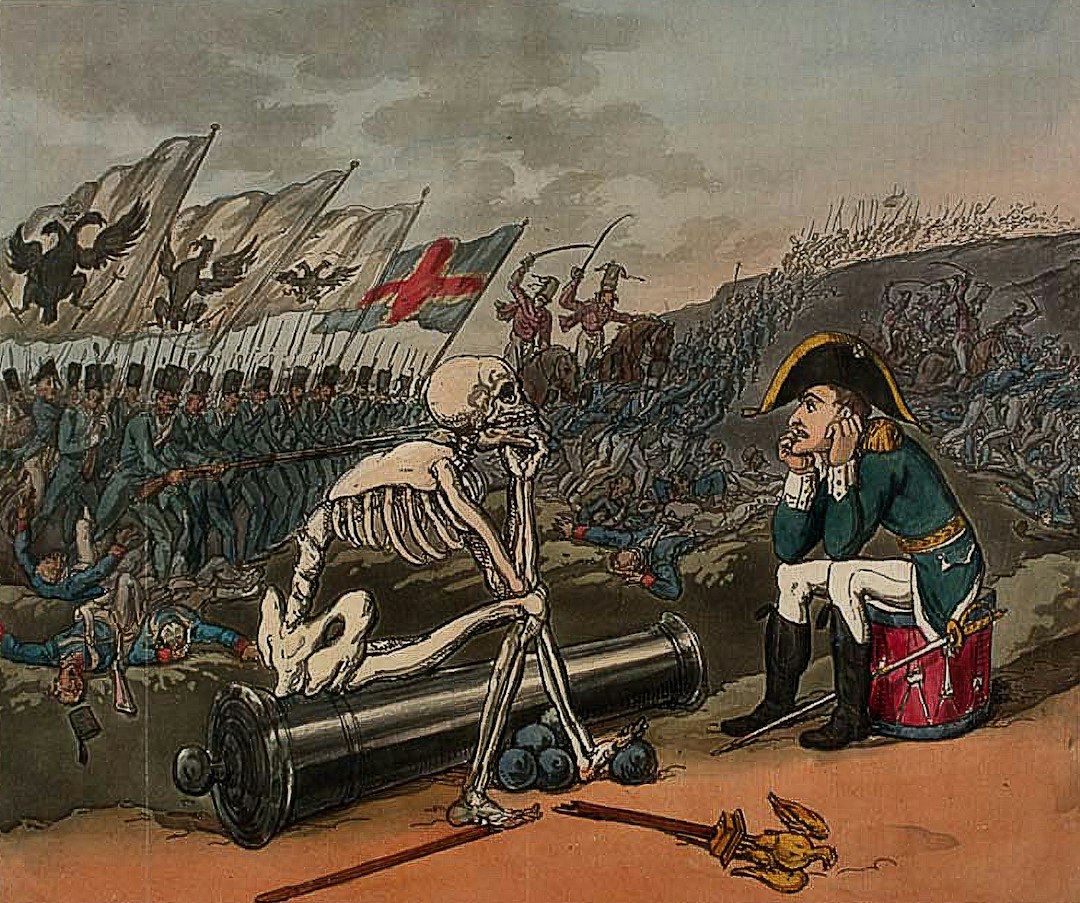
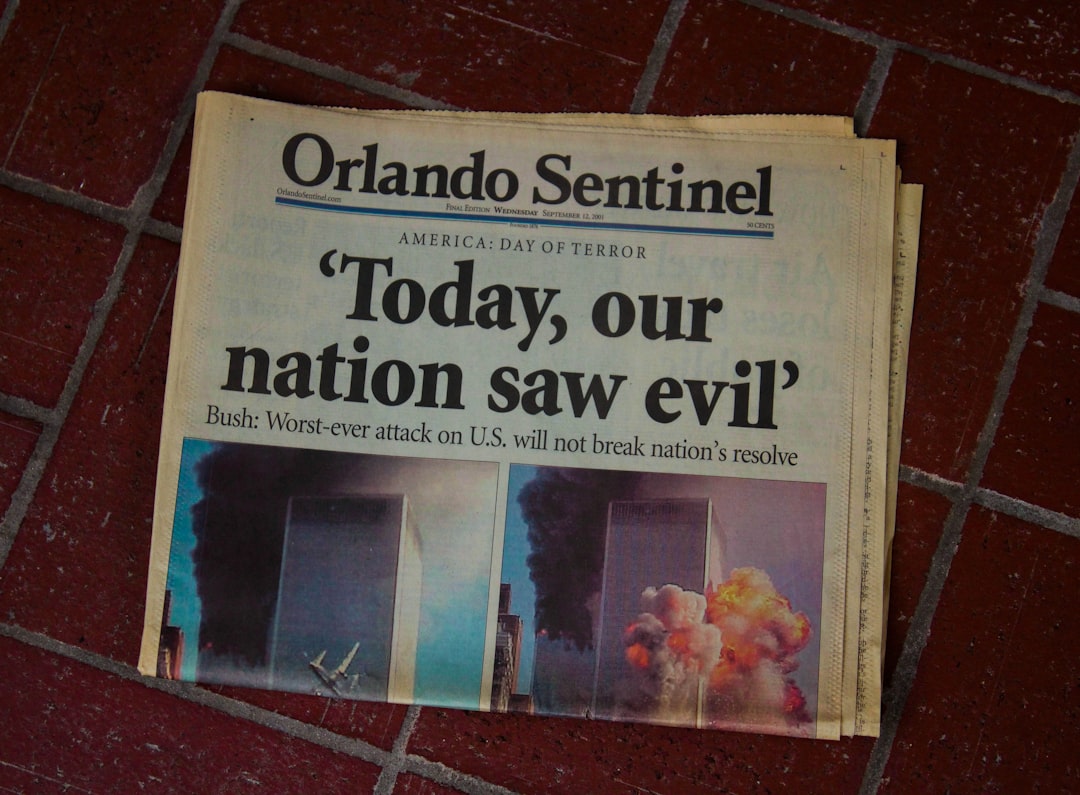
Economic downturns can have profound effects on businesses, employment, and financial markets, but not all downturns are the same. While recessions are common and often short-term, economic depressions are far more severe and prolonged, with long-lasting global consequences. Understanding the differences between these two economic phenomena and their underlying causes is critical for policymakers, businesses, and the public as they navigate financial uncertainty. With recent concerns over economic slowdowns, rising inflation, and shifting global markets, this topic remains highly relevant. Key story angles include:


  • What Defines a Recession vs. a Depression? Examining the economic indicators that distinguish a recession from a depression, including GDP contraction, unemployment rates, and market performance.
  • Historical Economic Downturns: Comparing past recessions and depressions, such as the Great Depression of the 1930s and the 2008 financial crisis, to understand patterns and recovery strategies.
  • Causes of Economic Recessions and Depressions: Investigating key triggers such as financial crises, inflation, policy missteps, global trade disruptions, and pandemics.
  • Impact on Everyday People and Businesses: Exploring how economic downturns affect job markets, wages, consumer spending, and small businesses.
  • Government Interventions and Recovery Strategies: Analyzing the role of central banks, stimulus packages, interest rate adjustments, and fiscal policies in mitigating economic downturns.
  • The Future of Economic Stability: Discussing current risks and potential warning signs for future recessions or depressions, and how governments and businesses can prepare.


With economic uncertainty always a concern, understanding the factors that drive recessions and depressions is essential for making informed decisions at both the individual and policy levels.


Connect with an expert about the economy:


To search our full list of experts visit www.expertfile.com


Powered by

You might also like...

Check out some other posts from ExpertFile

Make your university the visible authority featured image

2 min

Make your university the visible authority

DATA & TIME Monday, June 22, 2026 - 11:00 am EDT (1 hour) Your university has the expertise. The question is whether the world can find it. In this webinar, we'll show you exactly how leading institutions are building topical Authority Hubs that get their faculty in front of journalists, students, and partners at the moments that matter most. We'll walk through three real examples: Performing Arts -- Carnegie Mellon University The exclusive higher education partner of the Tony Awards since 2014. With 60+ alumni wins and 15 consecutive years of nominations, CMU built an Authority Hub that makes decades of genuine institutional strength finally visible and media-ready. Papacy & Catholic Studies -- Villanova University When Pope Leo was elected, Villanova had qualified scholars ready. Their topical hub connected journalists with the right experts within hours -- showing what it looks like when a university moves at the speed of the news cycle. Sports Events & Research -- University of Delaware Multiple topical hubs built around major events and enduring institutional strengths -- serving media relations, prospective students, and research partners with one repeatable, scalable approach. WHAT YOU'LL LEARN How to identify the moments and topics where your institution already has authority How to structure faculty expertise so journalists and AI platforms can find it How to go from idea to live hub fast -- without technical resources or coding What makes an Authority Hub perform over time, not just at launch WHO SHOULD ATTEND University communications and media relations teams, research communications leads, and anyone responsible for faculty visibility and institutional reputation.

Tony Awards: CMU Experts Unpack Broadway’s Biggest Night featured image

1 min

Tony Awards: CMU Experts Unpack Broadway’s Biggest Night

As Broadway prepares for the 2026 Tony Awards this Sunday, Carnegie Mellon University experts are available to help media explore the stories behind the stage, from the business of Broadway and the economics of major productions to costume design, theatre history and the behind-the-scenes teams that bring performances to life. CMU’s Tony Awards expert page brings together faculty and specialists who can provide timely commentary on the artistic, cultural and economic forces shaping Broadway’s biggest night. The Business of Broadway Production costs, commercial risk, tourism, jobs, touring productions and Broadway’s wider economic impact. Behind the Scenes The directors, designers, stage managers, technicians and production teams who turn a show into a fully realized theatrical experience. Costume in Theatre How costume design shapes character, period, mood and storytelling on stage. The History of Theatre and Broadway Broadway’s evolution, cultural influence and place within the broader history of theatre. Media can visit CMU’s Tony Awards page to explore available experts and connect directly with the right source for their story.

Expert Spotlight: Tiananmen Square -  37 Years Later, Why the World Still Remembers featured image

2 min

Expert Spotlight: Tiananmen Square - 37 Years Later, Why the World Still Remembers

Thirty-seven years after the events in Beijing's Tiananmen Square, the anniversary continues to spark global reflection on democracy, freedom of expression, state power, and the importance of preserving historical memory. While discussion of the events remains heavily restricted within China, commemorations continue around the world as scholars, journalists, policymakers, and human rights advocates examine the lasting significance of what occurred in the spring of 1989. The movement began in April 1989 following the death of reform-minded Chinese leader Hu Yaobang. What started as student-led gatherings evolved into a nationwide protest movement calling for political reform, greater transparency, accountability, and action against corruption. Hundreds of thousands of demonstrators occupied Tiananmen Square, while similar protests spread to cities across China. After weeks of escalating tensions, martial law was declared. On the night of June 3 and into June 4, Chinese troops and tanks moved into Beijing to clear the protests. The exact number of deaths remains disputed and unknown, with estimates ranging from hundreds to thousands. The Chinese government has never released a full accounting of those killed, injured, detained, or disappeared. Perhaps the most enduring image from the crackdown is that of the unidentified "Tank Man" who stood alone before a column of tanks on June 5, 1989. The photograph became a global symbol of individual courage in the face of overwhelming state power and remains one of the most recognizable images of the twentieth century. Why Tiananmen Still Matters Beyond its historical significance, Tiananmen remains relevant because it raises enduring questions about civil liberties, government accountability, censorship, collective memory, and the role of citizen activism. Researchers continue to study how societies remember contested events and how governments shape historical narratives. The anniversary also serves as a reminder of the importance of preserving documentary evidence and firsthand accounts for future generations. Today, remembrance efforts continue through archives, academic research, museums, oral histories, and public commemorations outside mainland China. Recent reports highlight ongoing attempts by scholars, journalists, and activists to preserve photographs, diaries, eyewitness accounts, and other records associated with the 1989 protests and crackdown. Expert Perspectives Available Journalists covering the Tiananmen anniversary may wish to connect with experts in: Chinese history and politics Human rights and international relations Collective memory and historical preservation Democracy movements and social protest Media censorship and information control East Asian studies and contemporary China The Tiananmen Square anniversary remains more than a historical milestone. It continues to influence conversations about freedom, political participation, historical accountability, and the power of memory in shaping the future. If you're covering - connect now! See all of our experts at www.expertfile.com

View all posts