


Stepping Away from the Crown: Royals Giving Up Titles and Duties

Modern Fall from Grace: Prince Andrew’s Latest Step

Oct 20, 2025

2 min

Just last week, Prince Andrew announced that he would relinquish his title of Duke of York and other honours, citing that the ongoing allegations against him had become a distraction to the work of the royal family. He asserted this step was taken with the King’s agreement, stating he will no longer use the titles conferred upon him—even as he continues to deny any wrongdoing.


A Legacy of Abdication and Renunciation


Throughout royal history, stepping back from royal life or formally abdicating has taken many forms. The dramatic abdication of King Edward VIII in 1936—who gave up the British throne to marry Wallis Simpson—remains one of the most famous examples. Other monarchs, like Queen Christina of Sweden and Emperor Charles V, also renounced power to pursue personal convictions.


Today’s examples are often more nuanced: royals “stepping down” from duties while retaining birthright status. The case of Prince Andrew fits in this evolving pattern of royal redefinition.


Why Royals Leave (or Are Pushed Away)


Motivations are diverse: personal choice, scandal, pressure, health, or changing views of leadership. Historically, abdications often responded to political crises. Now, with the monarchy under constant media and public scrutiny, stepping back can be seen as damage control or a bid for personal freedom—particularly in cases involving controversy.


The Constitutional and Symbolic Ripples


When a royal gives up titles or duties, multiple questions emerge:


What role remains? (In Andrew’s case, he loses the Duke title but retains his princely status.)


  • How does the monarchy manage public perception, continuity, and precedence?
  • What are the implications for funding, patronages, and official duties?
  • Such departures also force the institution to grapple with legacy, relevance, and the tension between duty and humanity.


Monarchy in the Age of Transparency


The modern era demands more from monarchy than ever before: accountability, relevance, and adaptability. When royals step aside—voluntarily or under pressure—it reshapes how the public sees royal duty. These shifts reflect broader questions: what role should individuals born into monarchy play? Can institutions evolve while retaining symbolic continuity?


Connect with our experts about the history, symbolism, and modern evolution of royal abdications and withdrawals.


To see our full database of experts, visit: www.expertfile.com

Powered by

You might also like...

Check out some other posts from ExpertFile

25 Years Later: How 9/11 Changed the World featured image

2 min

25 Years Later: How 9/11 Changed the World

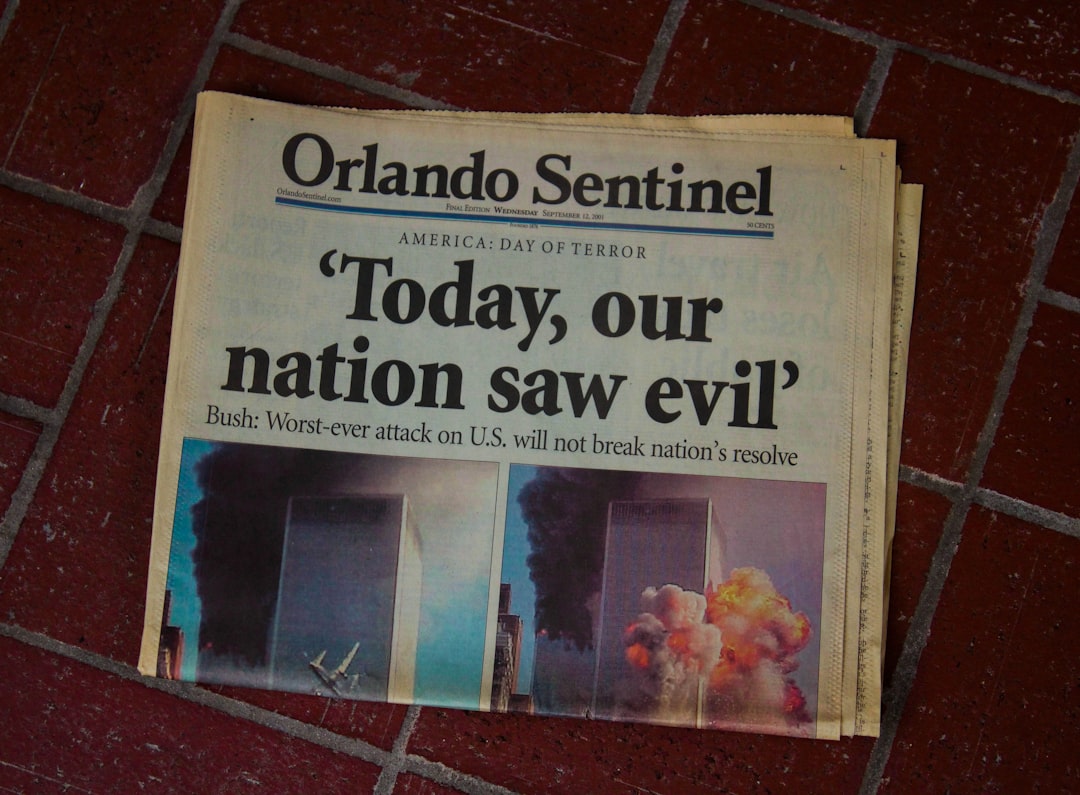
On September 11, 2001, the world watched as nearly 3,000 people were killed in terrorist attacks that would become one of the defining moments of the 21st century. Twenty-five years later, 9/11 remains much more than a moment in history. Its consequences continue to shape the world we live in. The attacks transformed national security and intelligence, changed how people travel, reshaped airport and border security, and ushered in a new era of surveillance and counterterrorism. They also profoundly influenced American foreign policy, leading to wars in Afghanistan and Iraq and decades of debate about security, military intervention and America's role in the world. The effects were cultural as well as political. September 11 changed how a generation viewed safety, terrorism and global conflict. It also sparked difficult conversations about civil liberties, immigration, religious tolerance and the balance between individual freedoms and collective security. For younger generations, 9/11 is increasingly an event learned about rather than remembered. For millions of others, memories of where they were and what they saw that day remain remarkably vivid. A quarter-century later, the anniversary offers an opportunity to remember those who were lost, recognize the first responders and countless others affected by the attacks, and examine how the decisions made in their aftermath continue to influence our world. Experts in history, political science, international relations, national security, terrorism, public policy and sociology can help provide perspective on September 11, its legacy and how the world has changed 25 years later. Connect with our experts today: View all of your experts here at www.expertfile.com
More Than a Long Weekend: Why Labor Day Still Matters in America featured image

2 min

More Than a Long Weekend: Why Labor Day Still Matters in America

For millions of Americans, Labor Day means the unofficial end of summer , a final long weekend before schools are back in full swing and the fall routine takes over. But behind the barbecues, travel and end-of-summer sales is a holiday rooted in the history of American workers and the transformation of the workplace. Observed on the first Monday in September, Labor Day recognizes the social and economic achievements of American workers. Its origins date to the labor movement of the late 19th century, with the first Labor Day celebration held in New York City on September 5, 1882. In 1894, it became a federal holiday. More than 130 years later, Labor Day remains an opportunity to look at the role work plays in American life, particularly at a time when the workplace itself is undergoing enormous change. Artificial intelligence and automation are reshaping jobs and industries. Remote and hybrid work have changed where and how millions of people work. Employers continue to navigate workforce shortages, recruitment and retention, while workers are reconsidering expectations around compensation, flexibility, benefits and work-life balance. Labor Day can also open the door to broader conversations about the American labor movement, organized labor, workplace protections, wages and the economic contribution of workers. For journalists, that makes the holiday much more than a date on the calendar. It's a timely opportunity to explore both how work in America has changed and where it is heading next. Experts across economics, business, labor relations, history, human resources, public policy and emerging technology can provide valuable perspective on Labor Day and the changing American workplace. Journalists covering Labor Day and looking for expert perspective on the history of the holiday, labor and employment, workplace trends, organized labor, artificial intelligence and the future of work can connect with experts directly through ExpertFile profiles below:

Who Owns the World Cup? featured image

2 min

Who Owns the World Cup?

A plan to sell minority stakes in the commercial business surrounding FIFA competitions has triggered a major confrontation with European soccer. UEFA and its 55 national associations have reportedly agreed to boycott FIFA competitions while the proposal remains active. The dispute touches on sports governance, private investment, legal authority, media rights and the growing commercialization of the World Cup. Writing a story around this unprecedented event?  Connect with leading experts below for insight and commentary. Matthew Robinson — University of Delaware Robinson specializes in international sports governance, sport diplomacy and global sport development. His work is particularly relevant to the power struggle between FIFA, UEFA and national associations—and what a coordinated European boycott could mean for FIFA’s authority. Thomas Smith — Emory University’s Goizueta Business School Smith studies sports economics, finance and the business of entertainment. He can provide insight into the financial thinking behind FIFA’s proposal, including the trade-off between receiving capital now and sharing future World Cup revenues. Tim Derdenger — Carnegie Mellon University’s Tepper School of Business Derdenger studies sports markets, sponsorship and the commercialization of major sporting events. His research is relevant to the potential effects on broadcast value, sponsors, fan interest and the overall World Cup brand. Klaas Baks — Emory University’s Goizueta Business School Baks specializes in private equity, alternative investments, mergers and acquisitions and business valuation. His expertise can help explain how investors might value FIFA’s commercial assets and what they would typically expect from a minority investment. Andrew Brandt — Villanova University Brandt’s expertise spans sports law and sports business. That experience is relevant to questions about FIFA’s authority over its members, the legal consequences of a boycott and the potential impact on players, sponsors, broadcasters and host countries. Tim DeSchriver — University of Delaware DeSchriver researches sport finance, economics and marketing. His work can help frame the broader financial question: Is FIFA unlocking the value of its competitions, or giving up a share of long-term revenue in exchange for immediate funding? Reach out to these experts now for your next story.  All inquiries are monitored to ensure time-sensitive request and deadlines are met. For more FIFA and WorldCup information visit our World Cup Expert Hubs.

View all posts