

Why Greenland Matters: The History and Strategic Importance of the World’s Largest Island

Our experts are standing by to help with your coverage

Jan 6, 2026

2 min


Often viewed as remote and sparsely populated, Greenland has long played an outsized role in global strategy. Settled by Inuit peoples for thousands of years, Greenland later became part of the Danish realm in the 18th century and today exists as an autonomous territory within the Kingdom of Denmark. Its location—bridging North America and Europe—has consistently drawn the attention of major powers, especially during moments of geopolitical tension.


That attention intensified during the Cold War, when Greenland became a critical asset in Arctic defense. The United States established military installations on the island, most notably what is now known as Pituffik Space Base, to support missile warning systems and transatlantic defense. Greenland’s position along the shortest air and missile routes between North America and Russia made it indispensable to early-warning networks—and that strategic logic has not faded with time.


Today, Greenland’s importance is growing rather than shrinking. Climate change is reshaping the Arctic, opening new shipping routes and increasing access to natural resources such as rare earth minerals, hydrocarbons, and freshwater reserves locked in ice. These developments have renewed global interest in Greenland from NATO allies and rival powers alike, as control over Arctic infrastructure, data, and mobility becomes central to economic and security planning. At the same time, Greenland’s own political future—balancing autonomy, Indigenous priorities, and external pressure—adds another layer of complexity.


Greenland’s story is ultimately one of geography shaping history. What once made the island strategically valuable for defense now places it at the center of debates about climate, security, energy, and sovereignty in the 21st century. As Arctic competition accelerates, Greenland is no longer a peripheral actor—it is a focal point where global interests converge.


Journalists covering geopolitics, Arctic security, climate change, Indigenous governance, or global resource competition are encouraged to connect with experts who study Greenland’s past and its evolving strategic role. Expert insight can help explain why this vast island continues to matter—and why it is likely to play an even larger role in the years ahead.


Our experts can help!


Connect with more experts here: www.expertfile.com

Powered by

You might also like...

Check out some other posts from ExpertFile

ExpertSpotlight: From Ancient Spirits to Modern Scares: The Fascinating History of Halloween! featured image

2 min

ExpertSpotlight: From Ancient Spirits to Modern Scares: The Fascinating History of Halloween!

Every October, neighborhoods transform into haunted landscapes, pumpkins glow on front porches, and children dress as everything from witches to superheroes. But behind the costumes, candy and spooky decorations lies a celebration with roots stretching back more than 2,000 years. Halloween's origins are commonly traced to Samhain, an ancient Celtic festival marking the transition from the harvest season into winter. It was a time associated with the supernatural, when the boundary between the living and the dead was believed to grow especially thin. Over the centuries, Celtic traditions intersected with Christian observances, including All Saints' Day and All Souls' Day. The evening before All Saints' Day became known as All Hallows' Eve — eventually shortened to Halloween. And those glowing jack-o'-lanterns? They weren't always pumpkins! In Ireland and Scotland, people traditionally carved turnips and other root vegetables. Pumpkins became the preferred choice as Halloween customs evolved in North America. Trick-or-treating, elaborate costumes and haunted attractions developed through a combination of older traditions and more recent community celebrations, transforming Halloween into the cultural phenomenon we know today. But Halloween is more than an excuse to eat too much chocolate. Its evolution offers a fascinating window into how societies understand death, preserve folklore, confront fear and pass traditions from one generation to the next. For journalists looking to explore the history, folklore, psychology or cultural significance of Halloween, university experts in history, anthropology, religious studies and popular culture can offer fascinating perspectives on why we love being scared — and how an ancient seasonal observance became a modern celebration. This Halloween, there's a lot more to uncover than what's hiding behind that haunted-house door! Looking for help to bring the history and mystery of Halloween to life? Connect with an ExpertFile expert today for interviews, commentary and a deeper look at the traditions behind the tricks and treats. Visit all of our experts www.expertfile.com
Pneumonic Plague: An Ancient Killer That Has Never Completely Disappeared featured image

3 min

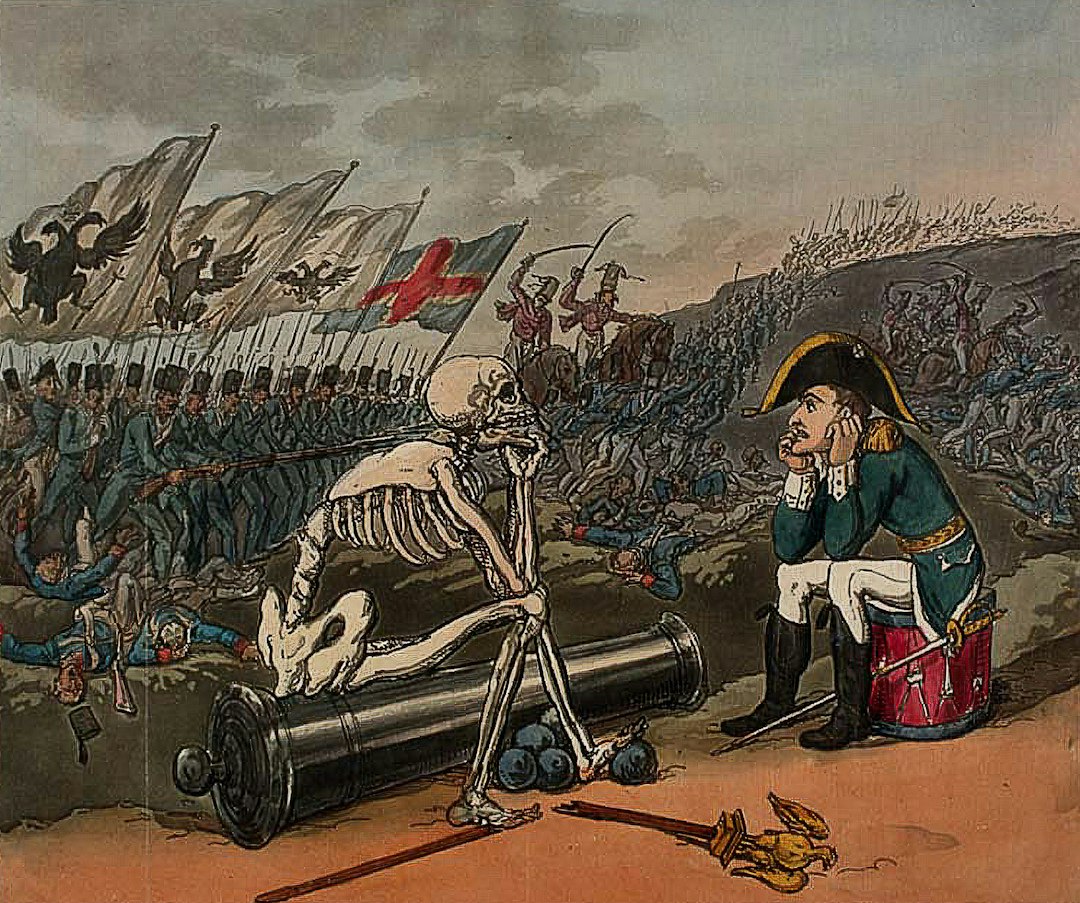
Pneumonic Plague: An Ancient Killer That Has Never Completely Disappeared

Few diseases carry the historical weight of plague. Caused by the bacterium Yersinia pestis, plague has been responsible for some of the deadliest disease outbreaks in recorded history. The most infamous was the Black Death of the 14th century, which swept through Europe, the Middle East and North Africa and killed tens of millions of people. The World Health Organization estimates that more than 50 million people died in Europe alone. But plague is not simply a disease of the past. The bacterium continues to circulate naturally among wild rodents and their fleas in parts of the world, and human cases still occur. The World Health Organization reports that most cases recorded between 2019 and 2025 occurred in the Democratic Republic of the Congo and Madagascar. What Is Pneumonic Plague? There are three primary forms of plague: bubonic, septicemic and pneumonic. Bubonic plague - historically the best-known form -  usually develops following the bite of an infected flea and is characterized by painful, swollen lymph nodes known as “buboes.” Pneumonic plague occurs when Yersinia pestis infects the lungs. It can develop when untreated bubonic or septicemic plague spreads to the lungs, or when someone inhales infectious respiratory particles from a person or animal with pneumonic plague. That distinction is important: pneumonic plague is the only form of plague that can spread directly from person to person through respiratory particles. What Are the Symptoms? Pneumonic plague can progress remarkably quickly. According to the CDC, symptoms include fever, headache and weakness followed by rapidly developing pneumonia. Patients can experience shortness of breath, chest pain and coughing, sometimes producing bloody or watery mucus. Symptoms following inhalation can begin as soon as one day after exposure. Without treatment, pneumonic plague is extremely dangerous. The World Health Organization describes untreated pneumonic plague as invariably fatal, making rapid recognition and medical intervention critical. From Medieval Killer to Treatable Disease What separates plague today from the disease that devastated populations centuries ago is modern medicine. Plague is a bacterial infection and can be successfully treated with antibiotics. The CDC recommends beginning treatment as soon as plague is suspected rather than waiting for laboratory confirmation. Depending on the severity of the illness, treatment can involve intravenous or oral antibiotics, with gentamicin and fluoroquinolones among the first-line treatments used in the United States. Early detection matters enormously. Modern antibiotics, infection-control practices, surveillance and public-health responses mean that a disease once capable of devastating entire communities can now be identified, contained and treated. Yet its persistence also offers an important reminder: diseases that profoundly shaped human history do not necessarily disappear. Plague remains present in animal populations, continues to cause human infections and provides researchers with a remarkable window into the relationship between infectious disease, human behaviour, public health and even human evolution. Experts in infectious diseases, epidemiology, public health, microbiology, global health, medicine and the history of disease can help provide perspective on pneumonic plague, how it spreads, the risks it poses and what centuries of experience with plague can teach us about preventing and responding to outbreaks today. Connect with our experts today: View all of your experts here at www.expertfile.com

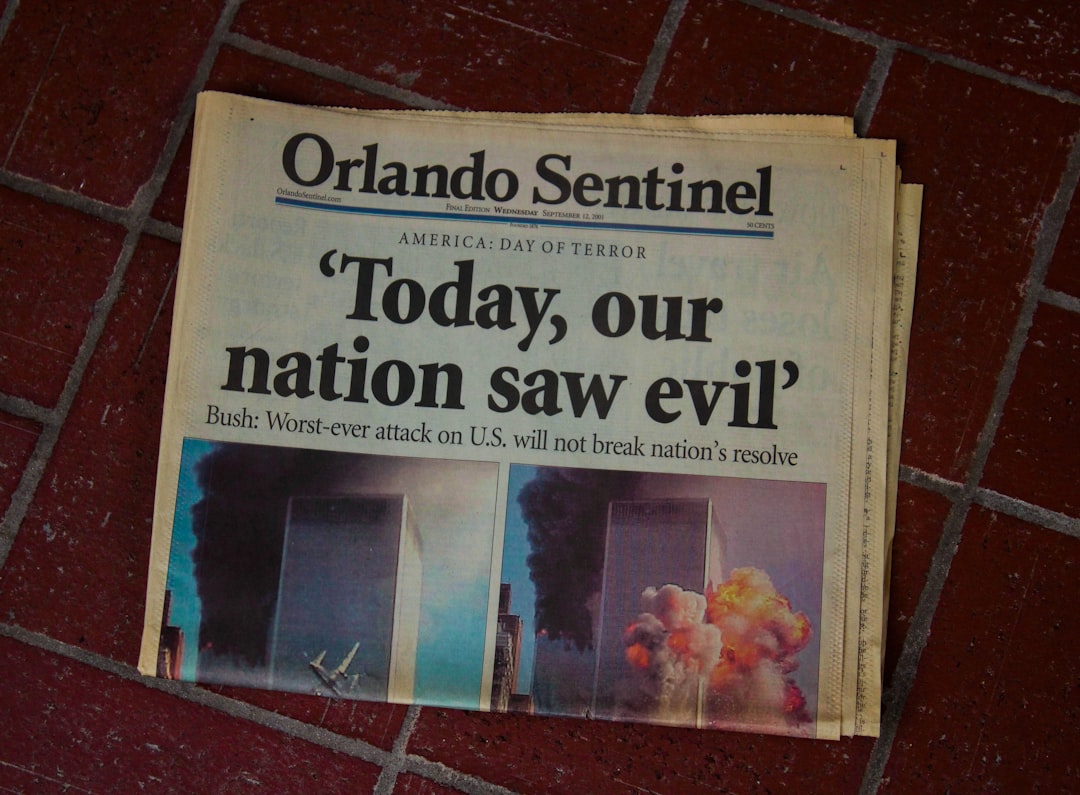
25 Years Later: How 9/11 Changed the World featured image

2 min

25 Years Later: How 9/11 Changed the World

On September 11, 2001, the world watched as nearly 3,000 people were killed in terrorist attacks that would become one of the defining moments of the 21st century. Twenty-five years later, 9/11 remains much more than a moment in history. Its consequences continue to shape the world we live in. The attacks transformed national security and intelligence, changed how people travel, reshaped airport and border security, and ushered in a new era of surveillance and counterterrorism. They also profoundly influenced American foreign policy, leading to wars in Afghanistan and Iraq and decades of debate about security, military intervention and America's role in the world. The effects were cultural as well as political. September 11 changed how a generation viewed safety, terrorism and global conflict. It also sparked difficult conversations about civil liberties, immigration, religious tolerance and the balance between individual freedoms and collective security. For younger generations, 9/11 is increasingly an event learned about rather than remembered. For millions of others, memories of where they were and what they saw that day remain remarkably vivid. A quarter-century later, the anniversary offers an opportunity to remember those who were lost, recognize the first responders and countless others affected by the attacks, and examine how the decisions made in their aftermath continue to influence our world. Experts in history, political science, international relations, national security, terrorism, public policy and sociology can help provide perspective on September 11, its legacy and how the world has changed 25 years later. Connect with our experts today: View all of your experts here at www.expertfile.com

View all posts