

Gas Prices, Inflation and the Economy: What’s Behind the Numbers?

UVU economy expert Cary Wasden can help explain what rising prices mean for consumers.

Sep 28, 2026

1 min

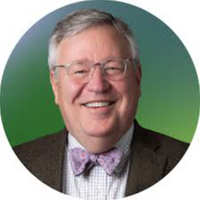
Cary Wasden, Ph.D.

From the price at the pump to the cost of groceries, borrowing and everyday purchases, the economy is once again front and centee in the news and in household budgets.


The latest Consumer Price Index shows U.S. inflation running at 3.4% year over year, while gasoline prices have risen sharply. The impact extends well beyond what drivers pay to fill their tanks. Energy costs can ripple through transportation, supply chains, businesses and ultimately the prices consumers see elsewhere.


It also raises bigger questions: What is driving the latest inflationary pressure? How significant are rising fuel prices to the broader economy? Why can economic indicators appear relatively strong while consumers remain concerned about their finances? And what should people be watching in the months ahead?


Cary Wasden, Ph.D. has served as a Professional in Residence in the Finance and Economics Department at Utah Valley University since 2015, where he brings extensive international business and financial industry experience into the classroom. He is s an expert in investment banking and management of financial institutions.


                                                                       View his profile


Cary Wasden, a finance and economics expert at Utah Valley University, can provide context and perspective on the economic forces behind the headlines and help audiences better understand what the latest numbers mean for consumers, businesses and the broader economy.


If you’re interested in speaking with Cary Wasden about inflation, gasoline prices, consumer spending or the economy, click on his profile below to arrange an interview today.

Connect with:
Cary Wasden, Ph.D.

Cary Wasden, Ph.D.

Professional in Residence, Woodbury School of Business

Wasden is an expert in investment banking and management of financial institutions

Powered by

You might also like...

Check out some other posts from Utah Valley University

Think You Can Spot an AI Deepfake? New Research Says Think Again featured image

2 min

Think You Can Spot an AI Deepfake? New Research Says Think Again

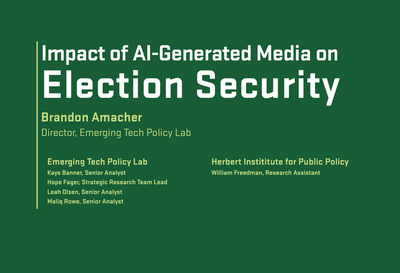
With the 2026 midterm elections approaching, artificial intelligence is becoming an increasingly visible part of the political information landscape. AI-generated campaign advertising is already appearing in U.S. races, while concerns about deepfakes, misinformation and election security are receiving growing attention. But what happens when voters simply can't tell what is real? New research led by Brandon Amacher, Director of Utah Valley University's Emerging Tech Policy Lab, offers a striking look at that question. The study involved 632 participants from a politically representative sample of the U.S. population and compared reactions to authentic political videos with AI-generated versions. Brandon Amacher is Director of the Emerging Tech Policy Lab at Utah Valley University, where he leads research and technical intelligence initiatives focused on protecting U.S. national security and assessing the strategic impact of artificial intelligence, cybersecurity, and other advanced technologies. View his profile Researchers found no statistically significant difference in the ability of authentic and deepfake videos to change participants' previously held opinions. Perhaps more concerning, participants struggled to identify the synthetic content even after being told they may have encountered a deepfake. The findings raise timely questions as voters encounter more AI-generated material online: Can voters still trust what they see? Are traditional approaches to media literacy enough? And what can election officials, technology companies and policymakers do as synthetic media becomes increasingly convincing? Amacher can provide insight into the research, the rapidly changing deepfake landscape and what AI-generated media could mean for election security and public trust. If you're interested in speaking with Brandon Amacher, click on his profile below.

View all posts