Are African Americans more at risk from COVID-19 than other Americans? Let our experts explain.

Apr 9, 2020

2 min

It’s a startling piece of evidence, but it appears that a disproportionate number of African Americans are dying due to the COVID-19 outbreak.


On Tuesday, President Donald Trump called the impact of the coronavirus on African Americans a "real problem" that was showing up "strongly" in the data. Dr. Anthony Fauci, director of the National Institute of Allergy and Infectious Diseases, added that pre-existing conditions that are more prevalent among African Americans, including asthma and diabetes, are a factor. “We’re very concerned about that,” he said.


Low-income people of color are also more likely to have jobs that can't be done remotely, meaning they're more likely to be exposed to the virus while more affluent professionals are able to stay at home. And they're less likely to have access to high-quality private testing or medical care.


"I'm concerned this will be yet another case where there's a huge difference between people who are more wealthy and people who are poor, and there's going to be a difference between people of color and how much they suffer," Dr. Marcus Plescia, the chief medical officer for the Association of State and Territorial Health Officials, said. “We have a longstanding legacy of bias and racism in our country and we’re not going to get beyond that quickly.”

NBC News – April 07


But as health officials and experts further examine the data – there are a lot of questions to be asked?


  • What can African Americans do to further prevent the risk of infection?
  • Do government officials need to allocate more resources to areas with a higher population of African Americans?
  • Are African Americans being tested or have access to tests in the same manner as the rest of America?
  • When we African Americans informed of this unique vulnerability and was anything put in place to inform to properly inform them?


If you are a journalist covering this topic – then let our experts help.


Dr. Tiffany G. Townsend is a widely recognized leader in diversity and psychology. She is an expert in the areas of health equity and serves as the chief diversity officer for Augusta University.


Dr. Joseph Hobbs is an award-winning physician and a notable leader in the research of racial disparities in health care. He also serves as the chairman of the Department of Family Medicine at the Medical College of Georgia at Augusta University. 


Dr. Joseph Hobbs is an award-winning physician and a notable leader in the research of racial disparities in health care. He also serves as the chairman of the Department of Family Medicine at the Medical College of Georgia at Augusta University.


Townsend and Hobbs are both available to speak with media regarding this topic– simply call 706-522-3023 to arrange an interview or simply click on Dr. Townsend's icon to book a time.


Powered by

You might also like...

Check out some other posts from Augusta University

Georgia Governor's Race Draws National Attention as Obama Endorses Keisha Lance Bottoms featured image

2 min

Georgia Governor's Race Draws National Attention as Obama Endorses Keisha Lance Bottoms

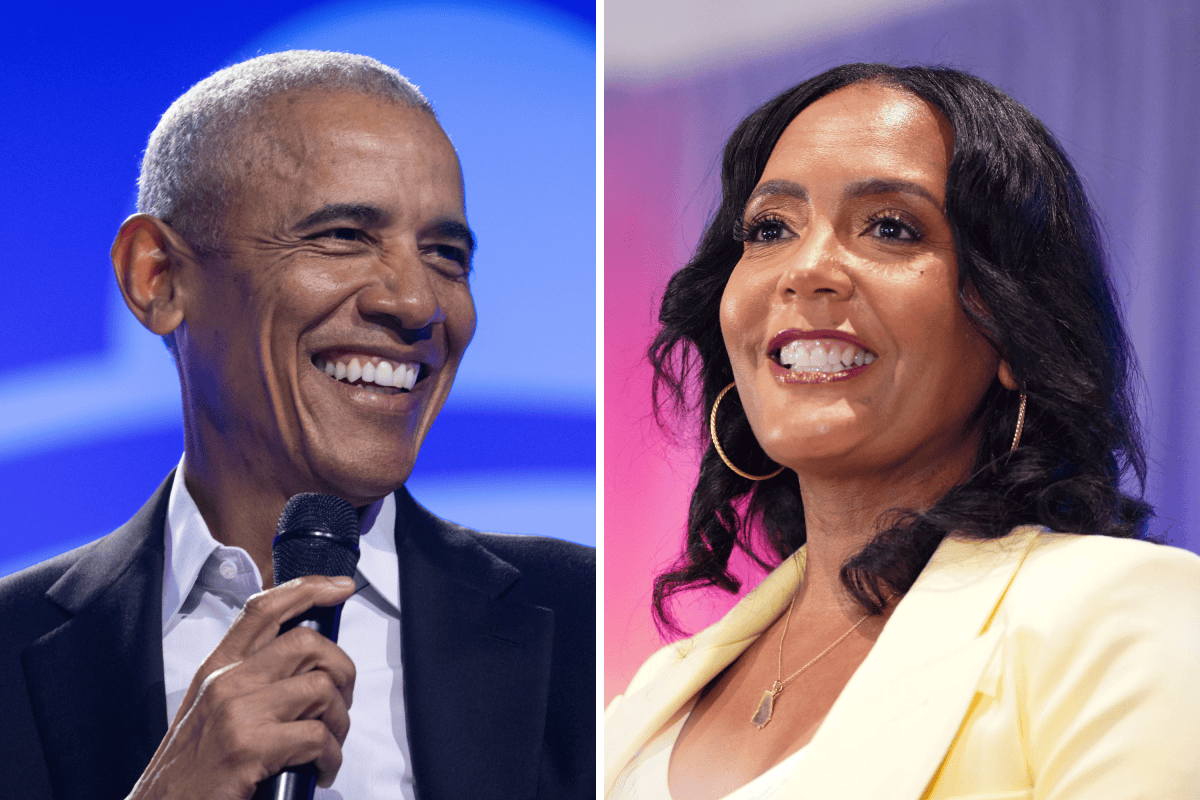
Former President Barack Obama's endorsement of Keisha Lance Bottoms in Georgia's gubernatorial race has brought renewed national attention to one of the state's closely watched political contests. In recent coverage by Newsweek, the endorsement was examined alongside polling showing a competitive race between Democrat Keisha Lance Bottoms and Republican Rick Jackson. Among the experts providing perspective was William Hatcher, PhD, chair and professor of social sciences at Augusta University, who discussed the differences between polling results and election forecasting models. Hatcher's analysis highlights the importance of understanding what polls can reveal about voter preferences, how forecasting models interpret available information and why election outcomes remain uncertain. Augusta's experts are regulars – when it comes to national media. Hatcher's inclusion in Newsweek reinforces the role university experts can play in helping national media audiences understand the political forces shaping important elections. William Hatcher, chair and professor of social sciences at Augusta University, told Newsweek the race is a “statistical tie” based on limited polling, but noted there have not been many high quality surveys so far. “The few polls that have been conducted show a statistical tie, as noted, but often do have Jackson with a small lead. On the other hand, the predictive models are showing that Bottoms may have a slight edge,” he said.  Oct. 8 – Newsweek With Georgia voters preparing for the Nov. 3 election, Hatcher can help journalists explore polling, voter turnout, political endorsements and the broader implications of the state's gubernatorial contest. If you're interested in speaking with Dr. William Hatcher about Georgia politics, the governor's race, election polling and public policy, simply click on his profile to arrange an interview today.
When Seeing Is No Longer Believing: AI Deepfakes Are Changing Political Advertising featured image

2 min

When Seeing Is No Longer Believing: AI Deepfakes Are Changing Political Advertising

As artificial intelligence becomes increasingly sophisticated, distinguishing authentic political messages from fabricated content is becoming a growing challenge for voters, journalists and election officials. AI-generated videos, images and audio can now convincingly portray political candidates saying or doing things that never happened. With the November midterm elections approaching, the technology is raising important questions about misinformation, political persuasion and public trust. The issue was recently highlighted in an Oct. 13 WRDW News report, Real or Fake? Deepfakes Flood Georgia Political Ads, featuring Augusta University's Lance Hunter, PhD. The report examined the growing presence of AI-generated political advertising, including a fabricated video involving Georgia Senator Jon Ossoff, and the challenges associated with identifying and regulating this material. A New Challenge for Political Communication Hunter explained how artificial intelligence is fundamentally changing the way political content can be created and distributed. "Artificial intelligence can really increase the persuasiveness, the amount of content it can create." Unlike traditional political advertising, AI-generated content can create seemingly authentic footage of events that never occurred. "What makes this different is the ability to actually show someone doing something that they did not do." The technology raises important questions about how voters evaluate political information, whether existing regulations provide adequate protections and how campaigns may use artificial intelligence in future elections. Lance Hunter, PhD, is a political science professor at Augusta University whose expertise in political behaviour, elections and political communication makes him a valuable resource for journalists covering the growing influence of artificial intelligence on American politics. View his profile An Emerging Story With National Implications While the WRDW report focused on Georgia, the implications extend well beyond one state or election. As AI-generated political content becomes more accessible and convincing, journalists are increasingly examining several important questions: How can voters distinguish authentic political content from AI-generated misinformation? What influence could deepfakes have on public opinion and voter confidence? Should political campaigns be required to disclose their use of artificial intelligence? How can election officials and policymakers respond as the technology evolves? These are emerging issues at the intersection of political science, technology, public policy and democratic participation. As news organizations continue examining AI-generated campaign advertising, election misinformation and the future of political communication, Hunter can provide expert analysis of the challenges facing voters and the broader implications for democracy. If you're interested in speaking with Dr. Lance Hunter about AI deepfakes, political advertising, election misinformation, voter behaviour and the impact of emerging technologies on democracy, simply click on his profile to arrange an interview today.

Women Mean Business: Why Supporting Female Entrepreneurs Strengthens Communities. featured image

2 min

Women Mean Business: Why Supporting Female Entrepreneurs Strengthens Communities.

Every October, National Women's Small Business Month invites us to recognize the women who are building, hiring, mentoring and strengthening their communities through their businesses. As a proud Augusta University alumna and now a senior lecturer at the James M. Hull College of Business, where I teach entrepreneurship, human resource management and leadership ethics, I have the privilege of watching students begin to imagine businesses of their own. Through the Women's Leadership Academy, which I facilitate, I also see how much potential is unlocked when young women are given mentors, self-awareness tools and real opportunities to lead. Also, as an entrepreneur and leader, I have learned that when women build businesses, they rarely build only a company. They build connection. Stacy Roberts, DBA, is a Lecturer of Management at the Hull College of Business. She teaches courses related to salesmanship and sales marketing, principles of management, organizational behavior and human resources. View her profile Women business owners often create opportunities close to home. They hire neighbors, mentor younger professionals, sponsor youth programs and invest in the places where they feel connected. They truly leave a mark, and that impact does not come easily. Many women entrepreneurs are navigating limited access to capital, smaller professional networks and the challenge of wearing every hat in the business while also carrying responsibilities at home. Yet those same pressures often produce leaders who are resourceful, adaptable and deeply committed to the people they serve. They truly deserved to be valued and supported. So how can our community get involved this month and beyond? Buy with intention. Choose women-owned businesses for gifts, services, catering and professional needs. Every purchase matters. Share and refer. Sponsor women by telling others about them. Leave a review, recommend a business to a colleague or share a post. Visibility is one of the most valuable things a small business can receive. Open the door. Organizations can include women owned businesses in vendor lists and procurement opportunities. Access is a game changer. Mentor and be mentored. Experienced leaders can offer guidance and emerging entrepreneurs can seek it out. No one builds alone. Invest in the next generation. Students and others interested in entrepreneurship should explore coursework, leadership programs, and local small business resources. The ideas forming in classrooms and networks today will become the businesses that anchor our communities tomorrow. To any woman considering starting a business, remember this. Get clear on your values before you get busy. Build a circle of people who will tell you the truth. Please know your numbers and remember that rest is not a reward for finishing the work. It is part of what allows you to keep doing it.

View all posts