5 min
MEDIA RELEASE: CAA brings road safety partners and first responders together to urge drivers to slow down and move over
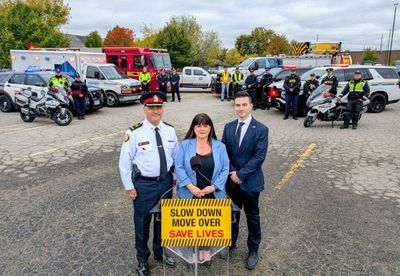
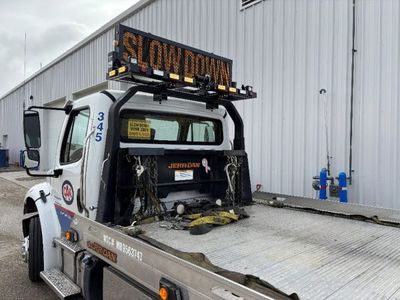
Ahead of National Slow Down, Move Over (SDMO) Day, CAA South Central Ontario, in partnership with the Ministry of Transportation, Canadian Towing Association, Toronto Police Service (TPS), Ontario Provincial Police (OPP), Toronto Fire, Toronto Paramedic Services, and 407 ETR, have joined forces to remind Ontario drivers that slowing down and moving over is one of the simplest actions they can take to help protect tow operators, first responders and other roadside workers. “For tow operators and first responders, the roadside is their workplace,” says Teresa Di Felice, assistant vice-president of government and community relations at CAA South Central Ontario. “When drivers see flashing lights, we need them to recognize that there is a trained professional helping someone at the roadside. Slowing down and moving over gives those workers the space they need to do their jobs more safely.” While most Ontario drivers are familiar with the law, that awareness does not always translate into consistent action on the road. “Every day, the men and women who respond to emergencies, assist stranded drivers and maintain our highways put themselves at risk to keep others safe,” said Prabmeet Sarkaria, Minister of Transportation. “That’s why, beginning January 1, 2027, we’re expanding Ontario’s Slow Down, Move Over law to protect more roadside workers on the job because something as simple as slowing down and moving over can save lives and help ensure those who keep our roads safe make it home to their families.” Toronto Police Service says those protections are critical for officers and other roadside workers who routinely work alongside moving traffic. "Many police officers have found themselves in situations where they are stopped on the side of the road doing their job, only to have vehicles pass dangerously close by," says Robert Johnson, Deputy Chief, Toronto Police Service. "When first responders or tow truck drivers have their lights flashing, drivers are legally required to slow down safely below the speed limit and leave space for emergency vehicles." As part of its continuing road safety work, CAA is piloting Variable Message Signs (VMS) technology on tow trucks across Ontario to determine whether enhanced visibility and directional messaging can help motorists recognize roadside incidents sooner and respond safely. Research from the AAA Foundation for Traffic Safety found drivers were 95 per cent more likely to change lanes when a VMS was active. CAA’s pilot will assess whether the technology can help motorists identify a roadside response earlier and encourage them to slow down and move over. “Drivers are processing a lot of information when they approach a roadside incident,” said Di Felice. “A clear, visible message may help them understand what is happening sooner and give them more time to slow down, check surrounding traffic and move over safely.” Putting drivers in the worker’s shoes Technology is one part of the solution. CAA is also using public education to help drivers understand the people Ontario’s SDMO law is intended to protect. CAA’s SDMO public service announcement puts motorists in the shoes of the people who assist stranded drivers every day. Rather than focusing only on the rules of the road, it highlights the individuals behind the flashing lights and the risks they face while working just feet from live traffic. Watch the PSA here. Ontario expanding slow down move over law to protect more workers Starting January 1, 2027, drivers must also slow down and move over for certain work vehicles stopped at roadside with flashing amber lights activated. Work vehicles under the expanded law include highway maintenance vehicles, public utility vehicles (such as electricity, water, natural gas, telecommunications), waste collection vehicles (such as garbage, recycling or organic waste trucks) and roadside assistance vehicles (like CAA or other providers). CN Tower to shine for roadside safety On Saturday, October 17, the CN Tower will be illuminated in yellow and black to mark National Slow Down, Move Over Day, commemorated by all the CAA clubs across the country, and in honour of the tow operators, emergency responders and other roadside workers who assist motorists every day. A standard light show will run for 5 minutes at the top of every hour, followed by another light show on the half hour. To learn more about SDMO laws, please visit: www.caasco.com/SDMO Quick Facts CAA research shows that Ontario drivers report slowing down and moving over for emergency vehicles more than 90 per cent of the time, but only 49 per cent of the time for tow trucks. Nearly 4 in 5 Ontario drivers have heard of the SDMO law, but only 55 per cent knew they were required to slow down and move over for stopped tow trucks with flashing lights. The same study found that 93 per cent of Ontarians support the use of Variable Message Signs. Respondents also said the signs would encourage drivers to slow down and move over, improving safety for roadside workers and stranded motorists. Quotes “Tow operators are often called to the roadside when someone needs help. Everyday members of our industry are available 24-hours in all kinds of weather. Doing the work safely depends in part on the actions of passing drivers. When motorists slow down and move over, they give tow operators the room they need to assist stranded drivers and clear vehicles safely. It is a small action behind the wheel that can make a big difference at the roadside.” – Joey Gagne, President, Canadian Towing Association "First responders are there to help those in crisis and keep our roads safe, but we can’t do it alone. When approaching a stopped emergency vehicle with its flashing lights activated, slow down and, where possible, move over. The Slow Down, Move Over law helps create a safer environment for emergency personnel working on our roads. It’s the law. Road safety is a shared responsibility, and a simple action can make a meaningful difference for everyone on our roads.” - Deputy Commissioner Bryan MacKillop, Ontario Provincial Police "Toronto Fire Services is proud to support CAA's Slow Down, Move Over campaign. Every day, emergency responders work in and around live traffic to keep our communities safe. Slowing down and moving over when approaching emergency scenes helps protect firefighters, paramedics, police officers, tow operators, and all roadside workers who put themselves at risk to serve others. This simple action can save lives." - Fire Chief Jim Jessop, Toronto Fire Services "Every day, emergency responders, tow truck operators and highway patrollers put themselves at risk to help keep people moving safely. At 407 ETR, we see this firsthand through the work of our patrollers, OPP officers and first responders who assist drivers and respond to incidents around the clock. That's why we're proud to support CAA's Slow Down, Move Over campaign. Slowing down and moving over isn't just the law, it's a simple action that helps protect the people working roadside and can prevent tragedies on our roads.” -Jose Espinosa, President & CEO, 407 ETR “Paramedics work in dynamic environments, including at the roadside alongside live traffic. When drivers slow down and move over, they help create a safer space for all emergency responders to do their jobs and care for those in need. Road safety is a shared responsibility.” - Chief Bikram Chawla, Toronto Paramedic Services