MEDIA RELEASE: Winter weather looming: CAA Manitoba advising motorists to prepare for the unexpected

Oct 18, 2022

3 min


Winnipeg, MB, November 04, 2021 – As temperatures drop and winter approaches, it’s a reminder that unpredictable driving conditions often come when we least expect it. CAA Manitoba (CAA MB) is advising motorists to get their vehicles ready now before wintry weather hits.


“It’s time to prepare your vehicle by installing winter tires and getting your battery checked by a professional,” says Heather Mack, manager of government and community relations at CAA MB. “We are encouraging motorists to be winter wise and plan ahead for heavy snowfalls, slippery road conditions and frigid temperatures before they happen.”


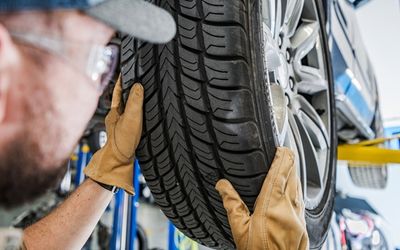
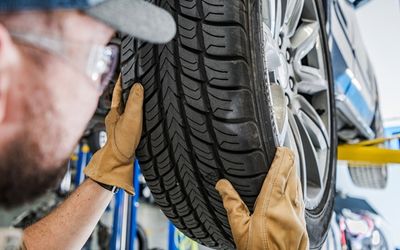
Winter tires take on all the challenges brought on by cold weather including snow, ice, slush, wet and dry roads, but to fully optimize your vehicle’s handling, stability and braking it’s important to install four matching tires once the temperature consistently dips below 7°C.


“Compared to all-season tires, winter tires stay flexible in cold temperatures—whether or not there’s snow on the ground—giving you better traction,” says Mack. “This may reduce your stopping distance by a few feet which can be the reason for preventing a collision.”


Save time by getting your tires changed right in your driveway by booking CAA’s Mobile Tire Change service and enjoy convenient, safe and reliable at-home assistance performed by expert technicians.


While installing your winter tires, CAA recommends also asking your mechanic to check your car battery.


“Even a fully charged battery can lose power when the temperature dips below 0° Celsius,” says Mack. “It’s important to have your car battery tested in the fall to ensure it’s ready for the winter.”


If your battery is giving you problems or you are unsure if it’s time to replace it, you can call CAA’s Mobile Battery Service at *222 to have a trained CAA MB Battery Service Representative come test your battery and provide a helping hand.


Not sure if your car battery will make it through the winter months? Watch for the following warning signs that a battery may need to be replaced:

  • Your vehicle cranks slowly when trying to start. It takes 175 to 250 amps of battery power to get a car going. If your car is slow to start, you might be dealing with an insufficient charge. Your headlights dim while idling. When idle, a car may draw more power than the alternator alone can produce, so your battery kicks in. If your headlights dim when you are idling but brighten when you rev the engine, it could mean a drained battery.
  • Your digital systems power down quickly. Electronics like the radio, GPS, dash cams and other accessories, especially in modern cars, use battery power when the engine is off. If they stop functioning properly, it could suggest a weak battery.
  • You hear a grinding, clicking or buzzing noise when you turn on the ignition. It’s important to be able to distinguish the reason why your vehicle may be making noises, usually, these sounds mean your battery has lost its charge but if you’re still unsure, get your vehicle checked by a professional.
  • Your vehicle has stalled. The stored energy in your car battery is essential for starting the engine, without its juice, you won’t be going very far.


Powered by

You might also like...

Check out some other posts from CAA Club Group

MEDIA RELEASE: Warmer weather doesn’t mean drivers can skip winter prep: CAA shares winter driving tips for Ontario motorists featured image

3 min

MEDIA RELEASE: Warmer weather doesn’t mean drivers can skip winter prep: CAA shares winter driving tips for Ontario motorists

Warmer days may have some Ontario drivers wondering when they really need to prepare their vehicles for winter. CAA South Central Ontario (CAA SCO) says the answer comes down to more than just snowfall. Ontario weather can change quickly during the transition from fall to winter, bringing a mix of rain, sleet, slush, snow and ice. As temperatures fluctuate, CAA SCO is encouraging motorists to prepare before difficult driving conditions arrive. “A warmer day can make winter feel far away, but Ontario drivers know how quickly conditions can change,” says Nadia Matos, Manager of Communications and Content, CAA South Central Ontario. “Winter driving isn’t only about snow. Cold pavement, slush, freezing rain, and ice can all affect how your vehicle responds. Preparing early means you’re ready for the conditions, whatever they may be.” When should drivers put winter tires on in Ontario? CAA SCO recommends installing four matching winter tires when temperatures are consistently around or below 7 C. Cold pavement alone can reduce the performance of all-season tires. In contrast, winter tires are designed for cold conditions, not just snowy roads. Their rubber compound remains flexible as temperatures drop, helping the tires maintain contact with the road and improving traction, stability, and braking. Why changing temperatures matter for drivers Periods of milder weather do not eliminate winter driving hazards. Moisture on the road can freeze as temperatures fall, creating black ice that can be difficult for motorists to see. Drivers should slow down, leave additional following distance, and adjust their driving to road and weather conditions. Depending on speed and weather conditions, winter tires can reduce braking distance by up to 25 per cent, or approximately two vehicle lengths, compared with all-season tires. How to prepare your car for winter driving Winter tires are only one part of getting a vehicle ready for colder weather. CAA SCO recommends that Ontario drivers: Test the battery. Replace a weak battery before it leaves you stranded. CAA SCO will test Members’ batteries free of cost during a service call. Pack an emergency car kit. Include a flashlight, extra batteries, warning devices, first aid supplies, blankets, jumper cables, non-perishable food and water, a phone charger, ice scraper, small shovel and snow brush. Service the vehicle. Have the brakes checked, change the oil as required, and make sure windshield washer fluid and other fluids are topped up. Check windshield wipers, headlights and signal lights. Visibility and lighting becomes especially important during the darker winter months. Keep the gas tank at least half full. At a minimum, keep your tank half full. If you’re ever stuck in an emergency on the road, you’ll be able to run your car for short periods of time to stay warm. “Winter preparation doesn’t have to be complicated,” says Matos. “Check your tires, battery, fluids and lights, and make sure there is an emergency kit in the car. Taking care of those basics now can help you avoid being caught unprepared when the weather changes.” Drivers looking for assistance with winter vehicle maintenance can also consider a CAA Approved Auto Repair Services (AARS) facility.

MEDIA RELEASE: Warmer doesn’t always mean safer: CAA Manitoba urges drivers to prepare for changing winter conditions featured image

3 min

MEDIA RELEASE: Warmer doesn’t always mean safer: CAA Manitoba urges drivers to prepare for changing winter conditions

A mild day in November can quickly turn into an icy morning, and CAA Manitoba (CAA MB) is reminding drivers that winter driving preparation is about more than waiting for the first major snowfall. During the transition from fall to winter, Manitoba drivers can encounter rapidly changing conditions, including rain, sleet, slush, snow and ice. CAA Manitoba recommends installing four matching winter tires as temperatures fall because they provide better traction, handling and braking in cold conditions “When we get stretches of warmer weather, it can be tempting to think winter preparation can wait, but Manitoba weather can change quickly,”says Nadia Matos, manager communications and content, CAA Manitoba. “Winter tires aren’t just about driving through deep snow. They’re designed for cold temperatures and changing road conditions, which is why we encourage drivers to prepare before the weather changes, rather than after.” When should drivers put winter tires on in Manitoba? CAA Manitoba recommends motorists install four matching winter tires when temperatures are consistently around or below 7 C. Winter tire rubber is designed to remain flexible as temperatures drop, helping tires maintain contact with the road, including when roads are cold but appear clear. Why changing temperatures matter for drivers Periods of milder weather do not eliminate winter driving hazards. Moisture on the road can freeze as temperatures fall, creating black ice that can be difficult for motorists to see. Drivers should slow down, leave additional following distance and adjust their driving to road and weather conditions. Depending on speed and weather conditions, winter tires can reduce braking distance by up to 25 per cent, or approximately two vehicle lengths, compared with all-season tires. How to prepare your car for winter driving Winter tires are only one part of getting a vehicle ready for colder weather. CAA SCO recommends that Ontario drivers: Test the battery. Replace a weak battery before it leaves you stranded. CAA SCO will test Members’ batteries free of cost during a service call. Pack an emergency car kit. Include a flashlight, extra batteries, warning devices, first aid supplies, blankets, jumper cables, non-perishable food and water, a phone charger, ice scraper, small shovel and snow brush. Service the vehicle. Have the brakes checked, change the oil as required, and make sure windshield washer fluid and other fluids are topped up. Check windshield wipers, headlights and signal lights. Visibility and lighting become especially important during the darker winter months. Keep the gas tank at least half full. At a minimum, keep your tank half full. If you’re ever stuck in an emergency on the road, you’ll be able to run your car for short periods of time to stay warm. “Winter preparation doesn’t have to be complicated,” says Matos. “Check your tires, battery, fluids and lights, and make sure there is an emergency kit in the car. Taking care of those basics now can help you avoid being caught unprepared when the weather changes.” Motorists who need help preparing their vehicle for winter can also consider a CAA Approved Auto Repair Services (AARS) facility for winter maintenance and service.

MEDIA RELEASE: CAA Insurance launches new guide to help Ontarians understand property insurance coverage featured image

2 min

MEDIA RELEASE: CAA Insurance launches new guide to help Ontarians understand property insurance coverage

Having property insurance is one thing. Understanding what it covers is another. CAA Insurance Company has released a new Property Insurance Guidebook to help Ontario homeowners, condo owners and renters better understand property insurance, including what different types of coverage mean, questions to ask about their policy and what to consider before making a claim. “Insurance is there to help protect the places and belongings that matter to us, but understanding a policy can sometimes feel overwhelming,” says Elliott Silverstein, Director of Government Relations, CAA Insurance Company. “This guidebook gives Ontarians a practical starting point so they can ask informed questions and have more confident conversations with their insurance agent or broker.” What does property insurance cover? Coverage varies by policy, but common property insurance concepts include dwelling coverage, detached structures, personal belongings or contents, and additional living expenses. The CAA Insurance Property Insurance Guidebook explains these and other common insurance terms in clear, everyday language. What Ontario consumers can learn from the Property Insurance Guidebook The guide provides plain-language information to help consumers understand: Common property insurance terminology Coverage considerations for homeowners, condo owners and renters How replacement value differs from market value How renovations may affect insurance coverage What to consider before a property insurance claim Questions to ask an insurance agent or broker Understanding your property insurance before making a claim Consumers should not wait until they need to make a property insurance claim to learn what their policy covers. Understanding the basics of a policy ahead of time can help consumers identify questions about their coverage and reduce the chance of unexpected surprises. Updated guide helps Ontario drivers navigate auto insurance CAA Insurance has also updated its Auto Insurance Guidebook with information about changes to auto insurance in Ontario. Originally introduced in 2022, the guidebook takes a back-to-basics approach to common auto insurance terms and helps Ontario drivers have more informed conversations about their policies and coverage needs. “Whether someone is protecting their home, condo, apartment or vehicle, they should feel comfortable asking questions about their coverage,” adds Silverstein. “These guides are designed to make insurance information more approachable, so consumers can make informed decisions based on their individual needs.” The guidebooks are educational resources and are not intended to replace the expertise of a licensed insurance agent or broker or provide advice about an individual policy. Consumers with questions about their coverage should speak directly with their insurance representative. Both the Property Insurance Guidebook and Auto Insurance Guidebook are available for download through the CAA Insurance website.

View all posts