
Back-to-School
Explore expert perspectives on the emotional, academic and safety forces shaping how families and students head back to school this fall.
Back-to-school season touches every family differently: a kindergartner's first drop-off, a teenager negotiating phone rules, a freshman's first night in the dorm. Experts from Texas Christian University bring perspective from counseling, education, communication, nutrition and campus safety to help explain what's really going on this fall.
Connect with our experts for interviews, analysis and informed commentary.
01 |First Day Jitters & Big Feelings
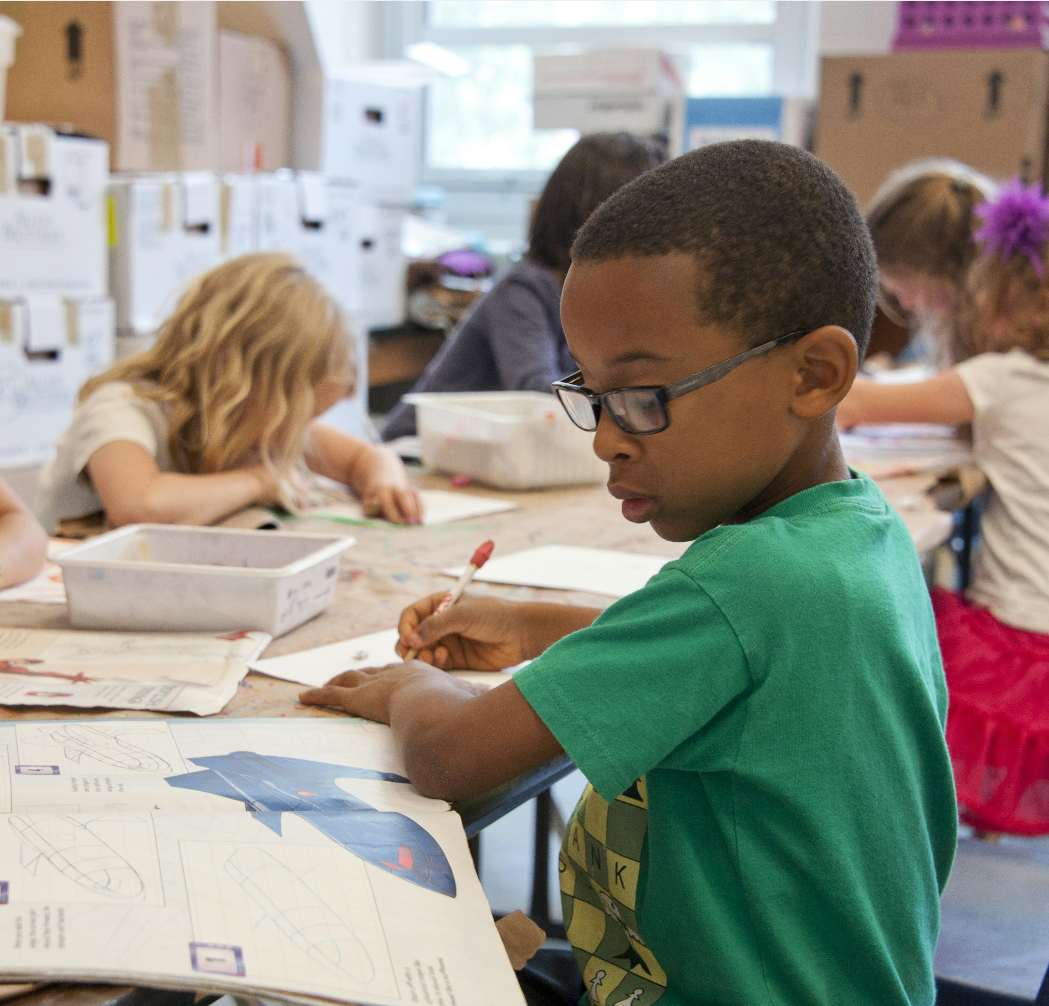
A new school year brings a new round of anxiety, at every age. Separation anxiety at kindergarten drop-off, perfectionism in middle school, homesickness in the dorms — the emotional side of back-to-school often matters more than what's on the supply list, and TCU's counseling, literacy and resilience researchers can speak to why.
Featured Experts
Eric Wood, Ph.D. — directs one of the nation's top-ranked college counseling centers and has published over 60 articles on Forbes.com on college mental health, first-day anxiety and perfectionism.
Robin Griffith, Ph.D. — studies how children's literature and read-alouds help kids name and process big feelings before the first bell rings.
Jan Lacina, Ph.D.— holds TCU's endowed chair in early childhood education and has published more than 100 works on how books and routines ease young children into a new classroom.
Citlali Molina, Ph.D., LPC — a former school counselor turned counselor-educator, explains how social-emotional learning and mindfulness build resilience in kids facing new environments.
Stephanie Cuellar, Ph.D. — researches psychological resilience among first-generation and minoritized students navigating major life transitions.
02 | Phones, Social Media & the AI Classroom
School districts are rewriting phone policies, parents are negotiating screen-time rules, and AI writing tools are showing up in homework faster than schools can set guardrails. It's one of the most contested storylines of the school year, from the elementary classroom to the college dorm.
Featured Experts
Curby Alexander, Ph.D. — researches AI-driven instructional tools in K-12 classrooms and brings 20-plus years of experience helping teachers integrate new technology responsibly.
Andrew Ledbetter, Ph.D. — studies how families use communication technology to manage privacy, connection and boundaries between parents and kids.
Bingyang Wei, Ph.D. — a computer scientist studying AI for software engineering, offers a technical lens on how generative AI tools are built and where their classroom use hits real limits.
Eric Wood, Ph.D.— tracks how phones and platforms like TikTok are reshaping the mental health of teenagers and college students.
03 | Play, Recess & Healthy Habits for Younger Kids
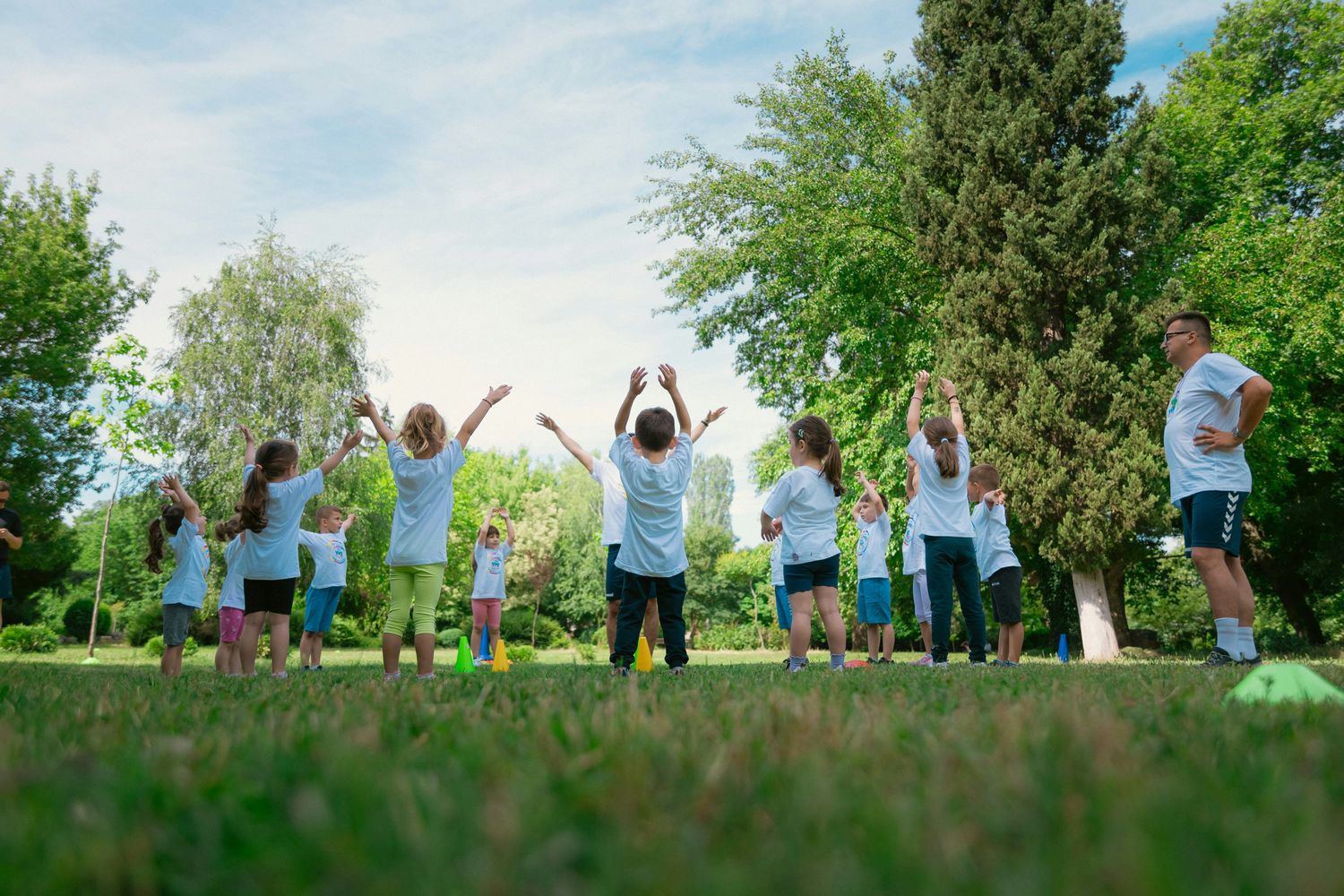
A growing body of research says the school day is missing something: unstructured time to move and play. TCU's LiiNK Project has taken that argument into 28 public schools across Texas and Oklahoma, and the debate over recess, screen time and childhood wellness keeps landing back on TCU's door.
Featured Experts
Deborah J. Rhea, Ph.D. — directs the LiiNK Project and has spent nearly a decade proving that four daily 15-minute recess breaks improve classroom attention and behavior in elementary students. Her expertise also extends to the power of outdoor play for kids and adults alike, building healthy habits that actually stick, and the risks of pushing kids into sports too early, including injury and burnout.
Michelle Bauml, Ph.D. — co-authored research with Rhea on how teachers experience expanded recess, and studies how young children learn best through play.
04 | The College Send-Off: Move-In, Roommates & Empty Nests
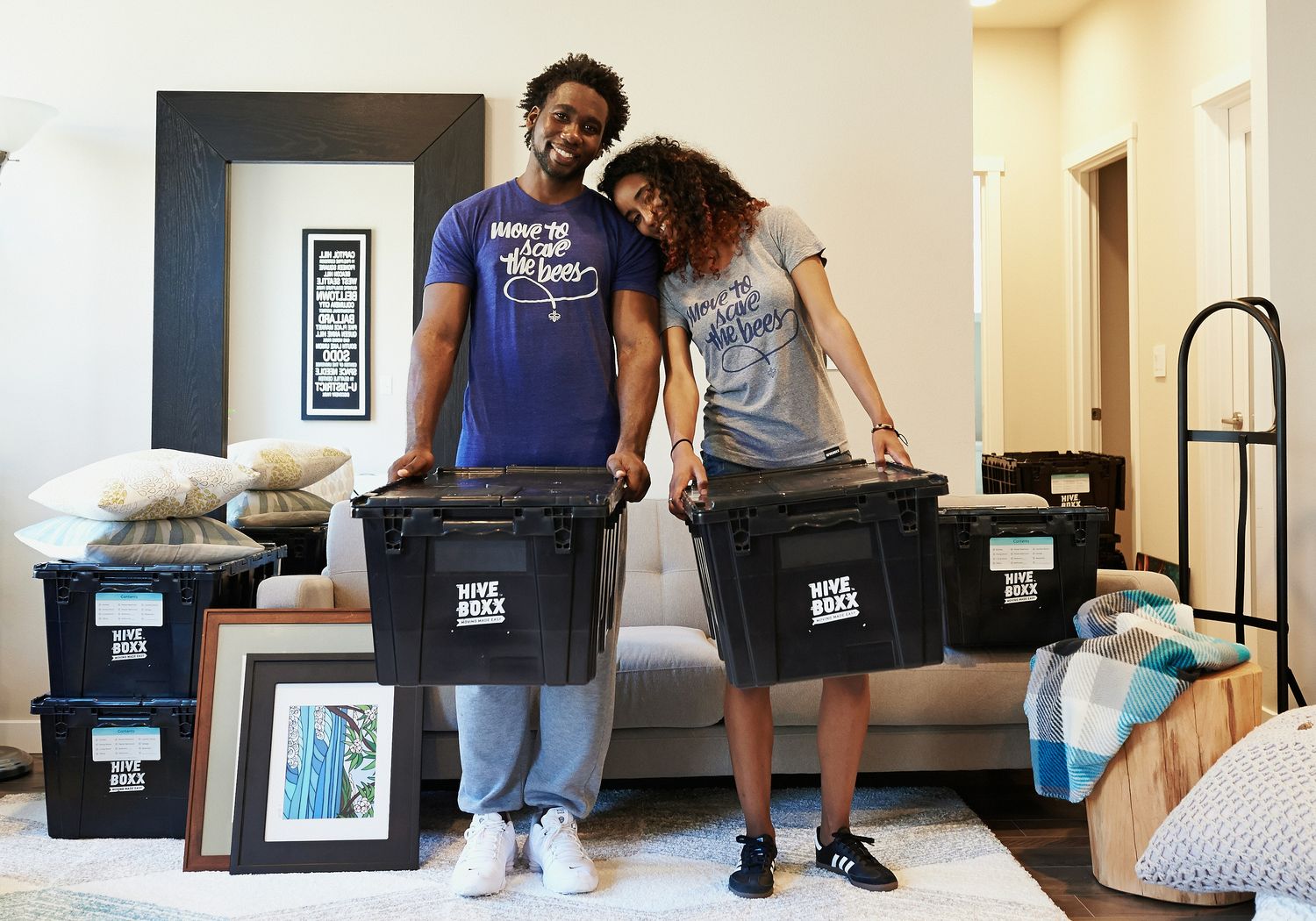
Move-in day is equal parts logistics and heartbreak. Behind every dorm-room drop-off is a parent adjusting to an empty house and a freshman negotiating a roommate relationship for the first time, both storylines with real research behind them at TCU.
Featured Experts
Eric Wood, Ph.D. — runs TCU's counseling center and has written extensively on the psychology of college roommate dynamics and the anxiety of leaving home for the first time.
Andrew Ledbetter, Ph.D. — studies how technology helps or hurts long-distance parent-child relationships, the exact dynamic that kicks in after move-in day.
Paul Schrodt, Ph.D. — Philip J. & Cheryl C. Burguières Professor, is a leading scholar on family communication patterns during major life transitions like a child leaving for college.
Stephanie Cuellar, Ph.D. — focuses specifically on how first-generation students experience the transition into college life.
05 | Life on Campus: Nutrition, Illness & Risk Taking
Once the boxes are unpacked, a new set of challenges starts: dining hall nutrition, dorm-room illness, and habits that are harder for parents to monitor once their child is on their own.
Featured Experts
Anne VanBeber, Ph.D. — a registered dietitian and certified culinary medicine specialist, translates dining hall and dormroom eating into practical, research-backed nutrition guidance.
Meredith Curtis, Ph.D. — studies bacterial pathogenesis and infectious disease at TCU's Pre-Health Professions Institute, and can explain why dorms and dining halls are a perfect setup for the ‘freshman flu.’
Eric Wood, Ph.D. — is among a small number of college mental health directors nationally tracking sports betting as an emerging addiction risk among students.
06 | Back-to-School Shopping & Consumer Trends
Thrifting, resale and rental have become a real back-to-school shopping strategy, not just a budget move, and TCU's fashion merchandising program is tracking exactly why.
Featured Experts
Charles Freeman, Ph.D. — chairs TCU's Department of Fashion Merchandising and researches how consumers, including students, are shifting toward secondhand, rental and more intentional apparel purchases.