
Sherif Abdelwahed, Ph.D.
Professor, Department of Electrical and Computer Engineering
Smart City InfrastructureModel-integrated ComputingSystem Diagnosis and Fault AnalysisFormal VerificationModel based Design and Analysis of Cyber-phyiscal Systems
Kostadin Damevski, Ph.D.
Professor and Graduate Program Director, Department of Computer Science; Co-Director, Software Engineering Center
Software Maintenance and EvolutionEmpirical Software EngineeringMining Software RepositoriesDeveloper–AI InteractionAgentic AI Safety
Preetam Ghosh, Ph.D.
Professor, Department of Computer Science
AIWireless Networking and Mobile ComputingSystems BiologyStochastic modeling and discrete event simulationMobile ubiquitous and grid computing
Milos Manic, Ph.D.
Professor of Computer Science
Computational Intelligence Techniques (Machine Learning) with Applications in Energy Cybersecurity and Human Machine InterfacesSoftware Defined NetworksFuzzy Neural Data Mining TechniquesEnergy SecurityHuman-machine Interfaces
Tamer Nadeem, Ph.D.
Professor and Vice Chair; Associate Director, VCU Cybersecurity Center
Cybersecurity and PrivacyWireless NetworksEdge/Cloud ComputingGenerative AITrustworthy AI
Irfan Ahmed, Ph.D.
Engineering Foundation Professor
Digital ForensicsMalwareCyber-physical Systems SecuritySystem SecurityCybersecurity Education
Kemal Akkaya, Ph.D.
Chair and Professor, Department of Computer Science
Cybersecurity and PrivacyTrustworthy AIIoT (Internet of Things)Cyberphysical Systems (CPS)Blockchain

Where Machine Intelligence Meets Real-World Accountability
VCU engineers are building, auditing, and defending AI systems at the frontlines of cybersecurity, healthcare, and critical infrastructure. Connect with the researchers shaping how AI is deployed safely.
VCU's College of Engineering faculty are available for interviews, background briefings, and on-record commentary. Below are the researchers and the stories they're best positioned to tell.
Meet VCU's AI faculty
Connect for media, speaking, research opportunities and more.


Research Highlights
Recent work from VCU Engineering's AI faculty — from NSF-funded cybersecurity research to smart city infrastructure experiments.
The researchers behind the work
Dr. Nadeem’s research addresses the intersection of cybersecurity, artificial intelligence, and cyber-physical systems. He leads development of AI-enabled solutions for securing autonomous transportation, drone delivery, human-robot interaction, and healthcare systems. His work applies advanced wireless communications, edge computing, and generative AI to enhance safety, resilience, and real-time performance in intelligent systems.
Expert Perspectives
VCU Engineering faculty respond to the questions shaping today's AI conversation
- IoT devices power smart cities — but they're also notorious for weak security. What's the real vulnerability?

Many IoT devices used in smart systems have limited computational resources and may not receive regular security updates, making them vulnerable to exploitation. The interconnected nature of smart city components increases the attack surface — a breach in one system can potentially compromise the entire network. Malware and ransomware remain active threats, capable of disrupting services and extorting organizations for financial gain.Sherif Abdelwahed, Ph.D. — Professor, Electrical and Computer Engineering
- Smart cities are collecting vast amounts of data. How do you protect residents' privacy without shutting down the technology?
Privacy is a major concern for smart cities and it is one of the main research directions for VCU Engineering's OpenCyberCity. We are developing several techniques to prevent unwanted surveillance of personal information. Our aim is to find a reasonable middle ground between technological progress and privacy rights, staying within legal and ethical bounds."Sherif Abdelwahed, Ph.D. — Professor, Electrical and Computer Engineering
- How is AI changing the threat landscape for critical infrastructure like hospitals, banks, and transportation networks?
From transportation and healthcare to finance, improving the accuracy of machine learning algorithms used to defend the networks that underpin these sectors' cyberinfrastructure is critical for protecting them from cyberattacks. Strengthening these defenses helps ensure the reliability and security of the essential services people rely on every day."Kemal Akkaya, Ph.D. — Chair and Professor, Department of Computer Science

What can we help you cover?
Match your story to the right expert. Each angle is paired with the faculty best positioned to go on record.

AI cyberattacks
Agentic AI & Software Risk
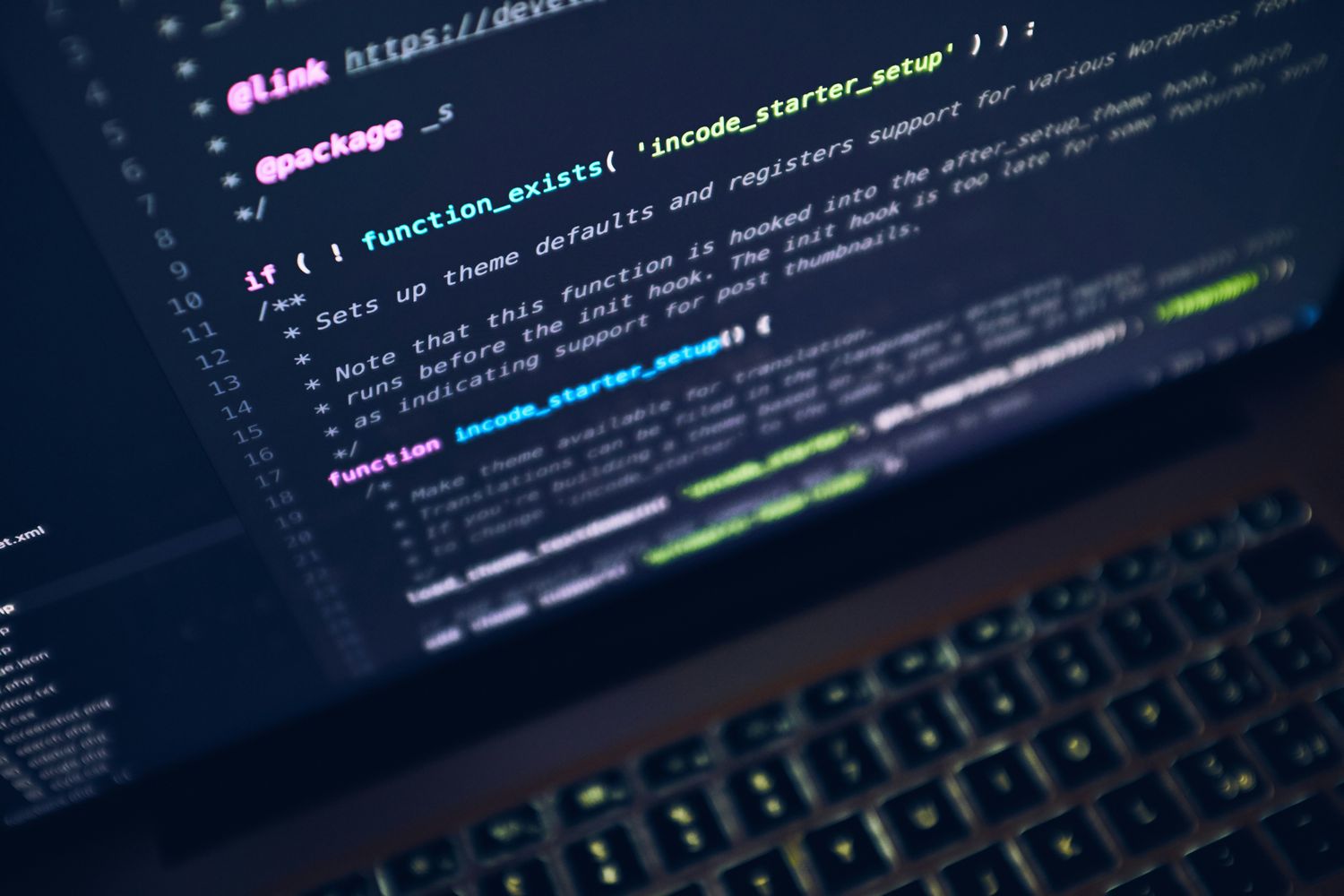
AI is now on both sides of every cyberattack
Attackers are using artificial intelligence to probe networks, generate malware, and outpace traditional defenses. VCU Engineering researchers are building the counter — using large language models to automate threat detection across transportation, healthcare, financial, and communication infrastructure. When the next attack hits, these are the researchers who can explain exactly how it works.
Experts:

Power Grid & Energy Security
When AI writes, tests, and deploys its own code — who's accountable?
Agentic AI systems are moving from research labs into production pipelines. They write software, run tests, and push changes with minimal human oversight. VCU's software engineering researchers are studying the governance gaps opening up before the industry is forced to learn the hard way — through failure.
Expert:

Smart Cities & IoT
The energy grid is a target. AI is the weapon of choice.
Critical energy infrastructure sits at the intersection of two converging threats: aging systems never designed for connectivity, and AI-powered attacks capable of finding vulnerabilities faster than defenders can patch them. VCU researchers study both sides of this arms race — how intelligent systems are exploited, and how they can be deployed to protect the grid in real time.
Experts:
Your city is a computer. The question is whether it's a secure one.
Municipalities are embedding IoT sensors, AI cameras, and connected infrastructure into the fabric of daily life — often without the security architecture to match. VCU's OpenCyberCity, a 1:12 scale smart city testbed, lets researchers simulate real-world cyberattacks before they reach actual streets. Device vulnerabilities, data privacy, and ransomware targeting urban systems are all active research areas.
Experts: