

Media Covers Hofstra Debate Watch Party

Sep 19, 2024

1 min

Meena BoseJames SampleLawrence LevyMark Lukasiewicz

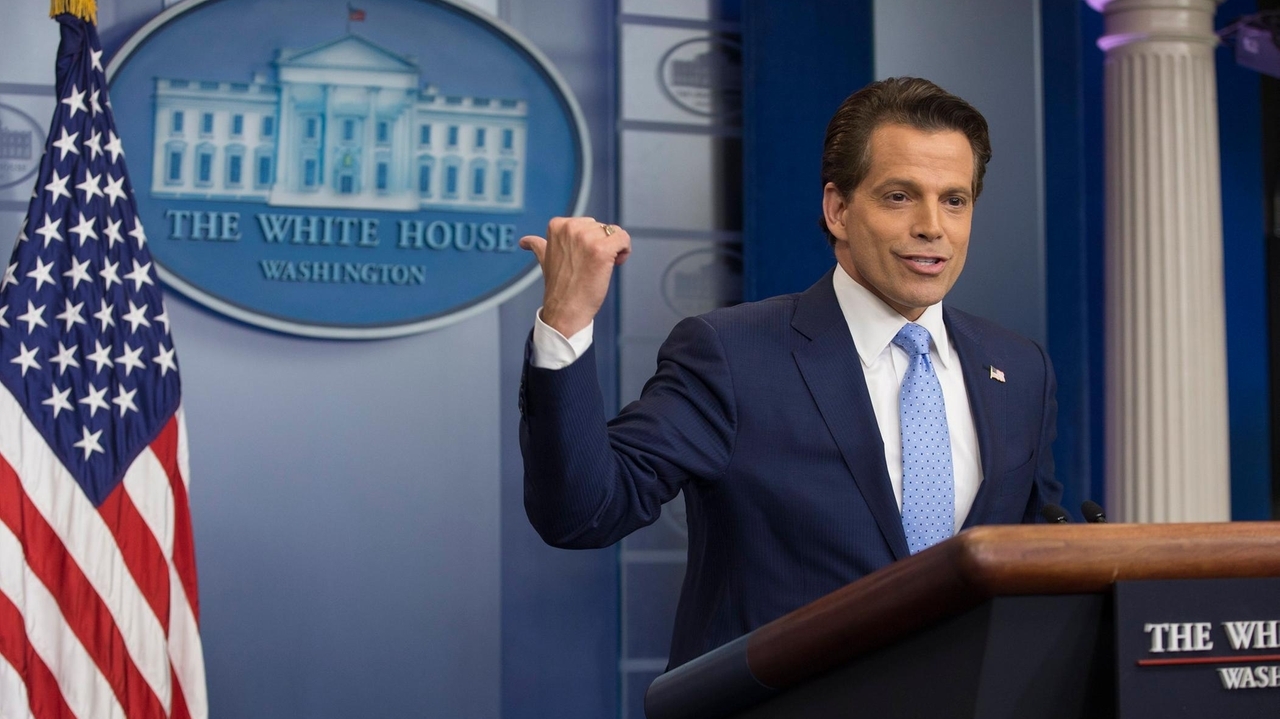
Media covered a student watch party for the first debate between Vice President Kamala Harris and former President Donald Trump on September 10.


There were additionally interviews pre- and post-debate with Meena Bose, executive director of the Kalikow Center for the Study of the American Presidency; Larry Levy, associate vice president and executive dean of the National Center for Suburban Studies; Mark Lukasiewicz, dean of the Herbert School of Communication; Rosanna Perotti, political science professor; and James Sample, constitutional law professor.


Connect with:
Meena Bose

Meena Bose

Professor of Political Science, Executive Dean for Public Policy & Public Service Programs

Dr. Meena Bose is Executive Dean of Hofstra University’s Peter S. Kalikow School of Government, Public Policy and International Affairs

Presidential ElectionsPresidential CampaignsPresidential PoliticsPresidential History
James Sample

James Sample

Professor of Law

Professor Sample regularly comments on voting rights and constitutional issues in leading media outlets.

The Supreme Court Voting RightsVoting Rights PolicyConstitutional LawJudicial Elections
Lawrence Levy

Lawrence Levy

Associate Vice President and Executive Dean of the National Center for Surburban

Dean Levy works close with Hofstra’s academic community to shape an innovative agenda for suburban study

Suburban Spaces and DevelopmentSuburbsEducationTaxationPolitics of the Suburbs
Mark Lukasiewicz

Mark Lukasiewicz

Dean, The Lawrence Herbert School of Communication

Dean Lukasiewicz is a veteran producer, journalist, and media executive. Before joining Hofstra, he was SVP of specials at NBC News.

news platformsnews industryBroadcast NewsDigital MediaMedia Ethics
Powered by

You might also like...

Check out some other posts from Hofstra University

James Sample Authors Guest Essay in The New York Times featured image

1 min

James Sample Authors Guest Essay in The New York Times

Professor James Sample of the Maurice A. Deane School of Law has published a guest essay in The New York Times examining a U.S. Supreme Court case that could reshape how courts interpret the Eighth Amendment’s Excessive Fines Clause. In the essay, Sample analyzes Jouppi v. Alaska, a case involving an Alaska pilot whose $95,000 airplane was ordered forfeited after a passenger transported a six-pack of beer to a dry village. He argues that the case gives the Supreme Court an opportunity to clarify when government-imposed financial penalties become so disproportionate that they violate the Constitution’s prohibition on excessive fines, reinforcing an important constitutional safeguard against excessive government power. The essay is the latest example of Sample’s national thought leadership on constitutional law, the Supreme Court, and the rule of law. Throughout the month, he has been a frequent legal analyst for leading national and regional media outlets, offering insight on major Supreme Court decisions, executive power, freedom of the press, immigration, election law, judicial ethics, and other pressing constitutional issues.

Deaths, resignations in Congress test narrow majority featured image

1 min

Deaths, resignations in Congress test narrow majority

United Press International (UPI wire service) interviewed Meena Bose, Hofstra University professor of political science, executive dean of the Public Policy and Public Service program, the Kalikow Chair in Presidential Studies and director of the Kalikow Center for the Study of the American Presidency, about the death of Senator Lindsey Graham and President Donald Trump‘s choice of the late Senator’s sister Darline Graham Nordone, to succeed him. Until the midterm elections, Nordone will hold that position in an honorary capacity. There are four active vacancies on Capitol Hill with Nordone filling Graham’s seat. “The issue here is really that there have been vacancies and resignations and that the margin is so narrow for party control, particularly in the House of Representatives,” Dr. Bose told UPI. “The number of resignations or decisions not to run for re-election is indicative of questions about why people want to serve in office or indicative of a question of are people hesitant to serve in public office, and if so, why?”

Poor Air Quality Moves Summer Activities Indoors featured image

1 min

Poor Air Quality Moves Summer Activities Indoors

Jase Bernhardt, associate professor of geology, environment, and sustainability, was interviewed by WCBS-TV News about the poor air quality across parts of the United States, caused by smoke from Canadian wildfires. These conditions have prompted many summer camps to bring activities indoors. “Children are more vulnerable to low air quality because their lungs are still developing,” said Dr. Bernhardt. “They have to breathe in more air to replenish their body and kids are likely to be more active outside.”

View all posts