MEDIA RELEASE: Avoid the Winter Wallop: CAA, Toronto Police Service and OPP team up with winter weather readiness tips.

Nov 19, 2024

2 min

Nadia Matos


Almost one month before the official start of winter and CAA South Central Ontario (CAA SCO), Toronto Police Service (TPS) and Ontario Provincial Police (OPP) are joining forces to keep drivers safe before winter weather blows in with full force.


The three organizations are teaming up to help inform Ontario drivers that now is the time to install winter tires, check their car batteries, and stock their cars with emergency car kits that include essentials for the winter months.


“Ontario winters can be unpredictable, and snowstorms can hit suddenly. It’s always best to prepare ahead of time in case driving conditions become hazardous,” says Nadia Matos, manager of external communications, CAA SCO. “There’s no time like the present to ensure your safety before getting on the road.”


Driving behaviour is the most important factor in ensuring safe driving operations in winter weather.


"Road safety is everyone’s responsibility,” says Sergeant Murray Campbell, Toronto Police Service. “With fewer daylight hours and reduced visibility, we are urging everyone to remain vigilant, be aware of other road users, drive according to the weather conditions, ensure vehicle lights are on, and plan ahead to allow for extra travel time.”


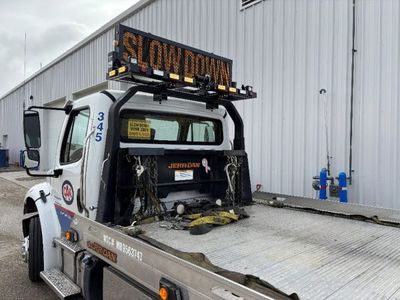
The organizations continue to reinforce last year’s amendments to the Highway Traffic Act, including the illegal passing of snowplows working in echelon on Ontario highways.


“Not only is passing these plows illegal, but it is also incredibly dangerous,” says Sergeant Ted Dongelmans, Ontario Provincial Police. “Offenders may face a fine ranging from $150 to $1,000 if found passing a snowplow while they are clearing the roads.”


Before heading out on the road this winter, motorists can download and use the 511 app to check the weather and road conditions before they leave home. The 511 app can be found at 511on.ca or in the app store on their mobile devices.


For a safer trip this Winter, CAA, TPS and OPP are sharing the following motorist tips:


Test your car battery. If necessary, replace it before it fails. CAA SCO will test Members’ batteries free of cost during a service call.

Pack a fully stocked emergency car kit. The kit should include a flashlight, extra batteries, warning devices (e.g., flares, reflective vests/strips), a first aid kit, blankets, jumper cables, non-perishable food and water, and a phone charger. Be sure to always keep an ice scraper, small shovel, and snow brush handy in your car.

Service your vehicle. Have your brakes checked, oil changed and top up your windshield washer fluid and any other fluids that are getting low.

Keep your gas tank at least half full at all times. Cold weather causes condensation in the system, which can lead to fuel-line freeze-up and prevent a car from starting.

Check your lighting system. Ensuring you have full lighting is very important in the winter months. Check your headlights and signal lights to ensure they work correctly.


Connect with:
Nadia Matos

Nadia Matos

Manager, External Communications

Media spokesperson and subject matter expert on winter driving, road trips and travel.

Road TripsTravel and TourismWinter DrivingStrategic Communications
Powered by

You might also like...

Check out some other posts from CAA Club Group

MEDIA RELEASE: CAA Manitoba encourages families to make a School Year Resolution for safer school zones featured image

3 min

MEDIA RELEASE: CAA Manitoba encourages families to make a School Year Resolution for safer school zones

As Manitoba students head back to school, CAA Manitoba is encouraging families to make one simple school year resolution: help create safer school zones for everyone. With students, parents, school buses, adult crossing guards and pedestrians returning to daily routines, school zones become significantly busier during the back-to-school season. CAA Manitoba is reminding all road users that school zone safety is a shared responsibility and that small actions can make a big difference in helping children get to and from school safely every day. "Back-to-school season is an exciting time for families, but it also brings increased traffic and activity around schools," says Ewald Friesen, manager of government and community relations, CAA Manitoba. "Whether you're driving, walking, cycling or taking the bus, everyone has a role to play in creating safer school communities by slowing down, staying focused and looking out for one another." Reduced school zone speed limits are back in effect As of Sept. 1, reduced school zone speed limits are back in effect across Manitoba. Between 7 a.m. and 5:30 p.m., Monday through Friday, drivers are required to reduce their speed to 30 km/h when travelling through school zones. To help reduce congestion and improve safety, CAA Manitoba is encouraging families to set a few "school year resolutions" this fall: Give yourself a few extra minutes: We know mornings don't always go according to plan. When possible, build in a little extra time for the school run. A less rushed arrival can help reduce behaviours like double parking, stopping in undesignated areas or dropping children off from unsafe locations. Follow your school's drop-off routine: Every school has procedures designed to move students safely and efficiently. Following designated pick-up and drop-off practices, even when the line is long, helps improve traffic flow and creates a safer experience for children, families, and school staff. Consider a "park and walk": If it's practical for your family, parking a short distance from the school and walking the last block can help ease congestion near entrances while giving children an opportunity to build road safety awareness. Help reduce traffic with active school travel: If possible, incorporate active school travel into your family's routine, even one or two days per week. Encouraging your kids to walk or wheel to school helps to ease traffic congestion, among other benefits. Reinforce road safety rules: Proactively chat with children about how to safely walk, bike or scooter based on their age and neighbourhood. Simple reminders like looking "left, right, left" before crossing, paying attention to crossing guards and staying alert around driveways, back lanes and parking lots can make a big difference. CAA Manitoba is also reminding drivers to stay alert in school zones, particularly during arrival and dismissal periods. Motorists should watch for adult crossing guards, school safety patrollers, pedestrians, and school buses, and be prepared to stop at marked crossings. Drivers must stop at least five metres away from a school bus with flashing red lights and an extended stop arm and remain stopped until the signals are no longer activated. Now in its 90th year, the CAA School Safety Patrol program has helped keep Manitoba students safe as they travel to and from school. Student Patrollers help classmates cross roadways safely while promoting good road safety habits and demonstrating leadership within their communities. "Creating safer school zones starts with all of us making thoughtful choices every day," said Friesen. "When drivers slow down, families follow safe drop-off practices and children understand how to navigate their neighbourhood safely, we can help ensure every student has a safer journey to and from school." For more information, visit: www.caamanitoba.com/advocacy/school-safety/school-zones.

MEDIA RELEASE: New school year, new safe habits: CAA encourages families to make a School Year Resolution for safer school zones featured image

3 min

MEDIA RELEASE: New school year, new safe habits: CAA encourages families to make a School Year Resolution for safer school zones

As students head back to class, CAA South Central Ontario (CAA SCO) is encouraging families to make one simple resolution this school year: help create safer school zones. New CAA research shows that school zone congestion remains a significant concern for Ontario parents. Eight in 10 parents report congestion during school drop-off and pick-up times, while 84 per cent say they have witnessed at least one dangerous driving behaviour in their child's school zone. The most observed behaviours include speeding, double-parking, stopping in undesignated areas, and blocking school bus drop-off zones. "Back-to-school season is exciting, but it can also be hectic," says Tracy Marshall, manager, community relations at CAA SCO. "The good news is that small changes to our daily routines can make a meaningful difference. By planning ahead, following school drop-off procedures and staying alert, we can all help make school zones safer for children, parents and school staff." Ontario parents raise concerns about school zone safety as risky drop-off and pick-up habits persist According to the survey, 63 per cent of Ontario parents reported that their child's school zone was not very safe. Three of the four most frequently observed unsafe behaviours are directly related to school drop-off and pick-up activity, highlighting the need for safer habits during busy school travel periods. CAA is encouraging families to set a few 'school year resolutions' to create safer school zones as children go back to school: Give yourself a few extra minutes: We know mornings don't always go according to plan. When possible, build in a little extra time for the school run. A less rushed arrival can help reduce behaviours such as double parking, stopping in undesignated areas, or dropping children off in unsafe locations. Follow your school's drop-off routine: Every school has procedures designed to move students safely and efficiently. Following designated pick-up and drop-off practices, even when the line is long, helps improve traffic flow and creates a safer experience for children, families, and school staff. Consider a "park and walk": If it's practical for your family, parking a short distance from the school and walking the last block can help ease congestion near entrances while giving children an opportunity to build road safety awareness. Help reduce traffic with active school travel: If possible, incorporate active school travel into your family's routine, even one or two days per week. Encouraging your kids to walk or wheel to school helps to ease traffic congestion, among other benefits. Reinforce road safety rules: Proactively chat with children about how to safely walk, bike or scooter based on their age and neighbourhood. Simple reminders like looking "left, right, left" before crossing, paying attention to adult crossing guards and staying alert around driveways and parking lots can make a big difference. CAA SCO is also asking all motorists to remember that when you're in a school zone, children are nearby. Drivers can support school zone safety with a few simple actions: Stay alert: Put away distractions and focus on the road. Children can appear unexpectedly between parked vehicles, near crossings or around school buses. Slow down: Reduce your speed and be prepared to stop. School zones require extra attention, particularly during arrival and dismissal periods. Watch for school buses and crossing guards: Always obey school bus signals and be aware of adult crossing guards, safety patrollers and students crossing the road. Not only is it illegal to pass a stopped school bus with red lights flashing and the stop arm extended, it is also incredibly dangerous. For more school zone safety information and tips, visit caasco.com/schoolzone.

MEDIA RELEASE: CAA Manitoba survey finds rising gas prices are impacting how Manitobans drive, travel and spend this summer featured image

3 min

MEDIA RELEASE: CAA Manitoba survey finds rising gas prices are impacting how Manitobans drive, travel and spend this summer

Rising gas prices are having a real impact on how Manitobans manage their daily routines and summer plans, according to a new survey from CAA Manitoba. The survey found that about six in ten Manitobans say higher fuel costs are affecting their day-to-day lives, with many cutting back on driving and adjusting spending to make ends meet. “Manitobans are making thoughtful choices to stretch their budgets, whether that’s driving a little less, planning trips more carefully or finding ways to save at the pump,” says Ewald Friesen, manager, government & community relations for CAA Manitoba. Many respondents said they begin to rethink their habits when gas prices reach around $2.10 per litre, a point where costs start to influence decisions about how and when they travel. The most common changes include driving less for everyday needs (35 per cent), cutting spending in other areas (23 per cent), and reducing or eliminating some activities entirely (23 per cent). Summer travel is still a priority, with adjustments Despite higher fuel costs, road trips remain a popular choice this summer, with more than seven in ten Manitobans planning to hit the road. However, nearly six in ten say rising gas prices are likely to influence those plans, prompting many to take fewer trips, travel shorter distances or adjust their budgets. “Travel is still important to Manitobans, especially during the summer months, but people are being more mindful about how they plan those trips,” adds Friesen. Saving at the pump is becoming a priority for Manitobans Manitobans are also actively looking for ways to manage fuel costs. The survey shows that most drivers are taking steps to save money on gas, with many turning to loyalty programs, comparing prices at different stations, or using apps to find the best deal. More than half say they are also considering alternative ways to get around more often, such as walking, cycling, or using transit where possible. Simple tips to stretch your fuel budget: CAA Manitoba encourages drivers to take simple steps to improve fuel efficiency and make the most of every tank, especially during busy summer travel months: Plan routes in advance to avoid backtracking and unnecessary mileage: Plan the most efficient route to your destination and avoid backtracking and unnecessary mileage.   Remove extra weight from your vehicle: Reducing your vehicle’s weight can help improve your fuel efficiency when on trips.     Avoid leaving your rooftop luggage carriers or bike racks on your vehicles when you are not using them: Items on top of the car significantly increase aerodynamic drag, reducing fuel economy.   Control your speed: Fuel consumption starts to increase above 90-105 km/h. For long stretches of road ahead, use cruise control to maintain your speed to save fuel.  Drive conservatively: If you find yourself stuck in long weekend traffic, avoid rapid acceleration and hard braking, which can lower fuel economy by 15 to 30 per cent at highway speeds and 10 to 40 per cent in stop-and-go traffic.  Keep up with regular car maintenance: Underinflated tires increase fuel consumption by up to four per cent. With regular maintenance services, you can help your vehicle run more efficiently. Take advantage of reward programs and tools to find lower prices: CAA members save three cents per litre when they load their membership card in the Shell app or use it at the pump.  “These small actions can add up over time and help make driving more affordable,” says Friesen. CAA Manitoba continues to advocate for drivers by sharing timely information and practical advice to help Manitobans navigate rising costs and stay mobile year-round.

View all posts