Lessons Learned in Pandemic Preparedness

Mar 20, 2025

1 min

Martine Hackett

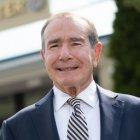
Dr. Martine Hackett, associate professor and chair of Hofstra’s Department of Population Health talked to Newsday about Long Island’s level of preparedness for another pandemic.


In 2020, “there really was no sense of what needed to be done,” and how to coordinate efforts, she said. “I think Long Island now understands what is required in terms of cooperation across health systems, health departments and the community.”

Connect with:
Martine Hackett

Martine Hackett

Associate Professor of Population Health

Dr. Hackett's research focuses on public health and health inequities, particularly in the American suburbs and minority communities.

Public HealthHealth CommunicationResearch MethodsMaternal-Child HealthInfant Injury
Powered by

You might also like...

Check out some other posts from Hofstra University

How Teachers Are Incorporating the 9/11 Anniversary in Their Classes featured image

1 min

How Teachers Are Incorporating the 9/11 Anniversary in Their Classes

Alan Singer, professor emeritus of learning, teaching, and technology, appears in a Newsday article about how teachers are approaching the 25th anniversary of 9/11 in their classrooms. “For the generation that lived through 9/11, it was a day that will live in infamy,” he said. “But for [younger] people, it may not. So the question then becomes, what do we want kids to learn about 9/11?”

Why Tornadoes on LI are a Rarity featured image

1 min

Why Tornadoes on LI are a Rarity

After an EF1 tornado touched down in Atlantic Beach on August 20, Dr. Jase Bernhardt, associate professor of geology, environment, and sustainability, talked to Newsday about this rare occurrence. Some parts of the country – particularly in the central United States – are more likely to have the atmospheric conditions required to form a tornado. One key condition these cyclones require is “a clashing of contrasting air masses,” said Bernhardt. “We just don’t have the ingredients that are necessary. The water around the island tends to moderate the climate a bit.”

ICE Arrests Decline on Long Island featured image

1 min

ICE Arrests Decline on Long Island

Lawrence Levy, associate vice president and executive dean of Hofstra University’s National Center for Suburban Studies, was interviewed by Newsday about the decline in ICE arrests on Long Island. This stands in contrast to the rest of the country where nearly 50,000 people were arrested in July, the highest number since President Donald Trump’s second term. Levy said the trend, if the data is accurate, suggests that organized opposition to aggressive immigration enforcement by Latino and non-Latino residents and organizations may be having an impact.

View all posts