No More Edits for “Face the Nation”

Sep 9, 2025

1 min

Mark Lukasiewicz

Mark Lukasiewicz, dean of Hofstra’s Lawrence Herbert School of Communication, is featured in an article in Variety: “CBS News Agrees Not to Edit ‘Face The Nation’ Interviews Following Homeland Security Backlash.”


The report covers a CBS News decision to discontinue editing taped interviews with newsmakers who appear on “Face the Nation.”


The agreement came after the Trump administration complained about an interview with Secretary of Homeland Security Kristi Noem. During the course of the segment, Noem made unsubstantiated statements about Kilmar Abergo Garcia, a Salvadoran man who was deported from the U.S., despite having protected legal status. CBS decided to air an edited version of the interview and to make the full exchange available online.


“A national news organization is apparently surrendering a major part of its editorial decision-making power to appease the administration and to bend to its implied and explicit threats. Choosing to edit an interview, or not, is a matter for newsrooms and news organizations to decide. The government has no business in that decision,” said Dean Lukasiewicz.
Connect with:
Mark Lukasiewicz

Mark Lukasiewicz

Dean, The Lawrence Herbert School of Communication

Dean Lukasiewicz is a veteran producer, journalist, and media executive. Before joining Hofstra, he was SVP of specials at NBC News.

news platformsnews industryBroadcast NewsDigital MediaMedia Ethics
Powered by

You might also like...

Check out some other posts from Hofstra University

Why Flash Flooding Is of Increased Local Concern featured image

1 min

Why Flash Flooding Is of Increased Local Concern

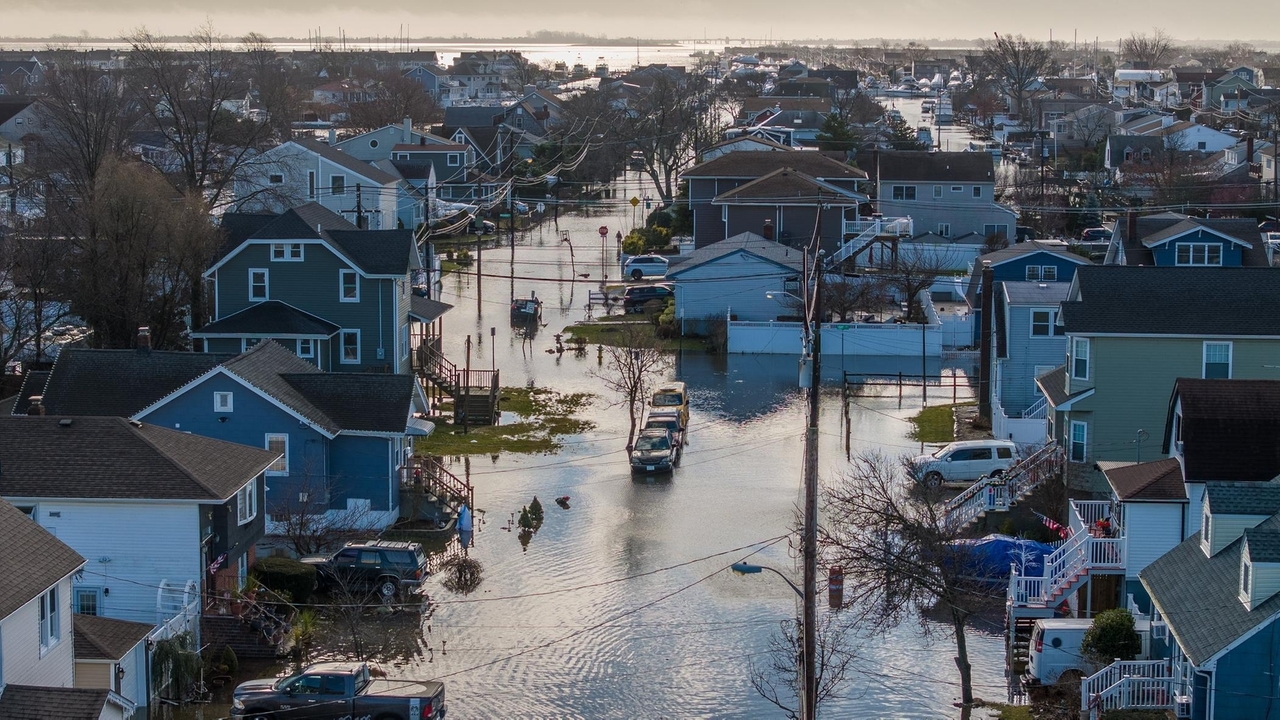
Jase Bernhardt, associate professor of geology, environment, and sustainability, was interviewed by Newsday about the increased risk of flash flooding on Long Island. The article explains that flash flooding is caused by heavy rainfall in a short period. It’s often caused by thunderstorms in the summer, when there’s more moisture in the air than in cooler months. It can happen anywhere across the region, as opposed to storm surge flooding, which mostly impacts low-lying coastal areas. Any change in the frequency of flash flooding on Long Island is also a function of the way water moves on the ground and ultimately of urbanization, Dr. Bernhardt said. “Poor drainage, sewer systems” and impervious surfaces like “parkways, parking lots” and other types of development all play a role.

Could President Trump’s Approval Ratings Rebound? featured image

1 min

Could President Trump’s Approval Ratings Rebound?

Newsweek interviewed Meena Bose, professor of political science, executive dean of the Public Policy and Public Service program, the Kalikow Chair in Presidential Studies and director of the Kalikow Center for the Study of the American Presidency, about President Donald Trump’s falling approval ratings due to voter frustration over the economy and inflation. Dr. Bose told Newsweek that the long-term consequences of a president’s leadership and policies are “most significant” in determining their legacy. “A president’s long-term legacy for leadership and policy making is most important for determining historic favorability. The passage of time and the assessment of the totality of a presidency also can lead to more favorable ratings, or at least split ones in different policy or political areas, but this is no guarantee,” she said.

James Sample Authors Guest Essay in The New York Times featured image

1 min

James Sample Authors Guest Essay in The New York Times

Professor James Sample of the Maurice A. Deane School of Law has published a guest essay in The New York Times examining a U.S. Supreme Court case that could reshape how courts interpret the Eighth Amendment’s Excessive Fines Clause. In the essay, Sample analyzes Jouppi v. Alaska, a case involving an Alaska pilot whose $95,000 airplane was ordered forfeited after a passenger transported a six-pack of beer to a dry village. He argues that the case gives the Supreme Court an opportunity to clarify when government-imposed financial penalties become so disproportionate that they violate the Constitution’s prohibition on excessive fines, reinforcing an important constitutional safeguard against excessive government power. The essay is the latest example of Sample’s national thought leadership on constitutional law, the Supreme Court, and the rule of law. Throughout the month, he has been a frequent legal analyst for leading national and regional media outlets, offering insight on major Supreme Court decisions, executive power, freedom of the press, immigration, election law, judicial ethics, and other pressing constitutional issues.

View all posts