No More Edits for “Face the Nation”

Sep 9, 2025

1 min

Mark Lukasiewicz

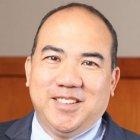
Mark Lukasiewicz, dean of Hofstra’s Lawrence Herbert School of Communication, is featured in an article in Variety: “CBS News Agrees Not to Edit ‘Face The Nation’ Interviews Following Homeland Security Backlash.”


The report covers a CBS News decision to discontinue editing taped interviews with newsmakers who appear on “Face the Nation.”


The agreement came after the Trump administration complained about an interview with Secretary of Homeland Security Kristi Noem. During the course of the segment, Noem made unsubstantiated statements about Kilmar Abergo Garcia, a Salvadoran man who was deported from the U.S., despite having protected legal status. CBS decided to air an edited version of the interview and to make the full exchange available online.


“A national news organization is apparently surrendering a major part of its editorial decision-making power to appease the administration and to bend to its implied and explicit threats. Choosing to edit an interview, or not, is a matter for newsrooms and news organizations to decide. The government has no business in that decision,” said Dean Lukasiewicz.
Connect with:
Mark Lukasiewicz

Mark Lukasiewicz

Dean, The Lawrence Herbert School of Communication

Dean Lukasiewicz is a veteran producer, journalist, and media executive. Before joining Hofstra, he was SVP of specials at NBC News.

news platformsnews industryBroadcast NewsDigital MediaMedia Ethics
Powered by

You might also like...

Check out some other posts from Hofstra University

Professor James Sample Provides National Commentary on Voting Rights, Key Supreme Court Cases featured image

1 min

Professor James Sample Provides National Commentary on Voting Rights, Key Supreme Court Cases

Professor James Sample of the Maurice A. Deane School of Law at Hofstra University continued to serve as a prominent national commentator this month, appearing across ABC News, MS NOW (formerly MSNBC), SiriusXM, and Newsday to analyze fast-moving developments in election law, constitutional doctrine, and executive power. Across these appearances, Professor Sample focused on the evolving legal and practical implications of the SAVE America Act, including its potential burdens on married voters and broader access concerns. He also examined a series of high-stakes Supreme Court matters, including disputes over mail-in ballot deadlines and the constitutional debate surrounding birthright citizenship, offering insight into how the Court’s rulings could reshape election administration and individual rights. In addition, Professor Sample provided analysis of expanding presidential authority following the Court’s immunity ruling, situating current developments within a broader conversation about the scope and limits of executive power.

“With Global Antisemitism Rising, ‘Never Again’ Rings Hollow” featured image

1 min

“With Global Antisemitism Rising, ‘Never Again’ Rings Hollow”

Hofstra Professor of Political Science and Director of the European Studies Program Carolyn Dudek wrote a guest essay for Newsday: “With global antisemitism rising, ‘Never Again’ rings hollow.” Dr. Dudek was awarded the 2024 Jean Monnet Chair to expand research, teaching, and course development on the European Union, with a specific focus on EU anti-discrimination policies that address marginalized groups, such as Jews, Muslims, Roma, women, communities of color and the LGBTQ+ community.

The Political Ripple of Iran at Home featured image

1 min

The Political Ripple of Iran at Home

Lawrence Levy, associate vice president and executive dean of the National Center for Suburban Studies, provided analysis to Newsday on how national political dynamic are shaping the electoral landscape on Long Island ahead of the midterms. In coverage of the ongoing U.S. military operation in Iran, Levy highlighted the political ripple effects of the conflict at home. While the war itself has prompted debate over national security and economic consequences such as rising gas prices, Levy emphasized its electoral implications, noting that voter perceptions of President Trump’s performance are likely to be the dominant factor in upcoming congressional and state races. He pointed out that even though the president will not be on the ballot, his influence will loom large, particularly among swing voters and segments of the Republican base.

View all posts