The First Amendment: Foundations, Freedoms, and Why It Still Matters

It's a hot topic these days - so let the experts help if you need to explain it for a story or part of your coverage.

Sep 21, 2025

2 min


The First Amendment is more than just words on paper — it’s a bedrock of American democracy. Adopted in 1791 as part of the Bill of Rights, it protects fundamental freedoms: speech, religion, press, assembly, and petition. Its influence ripples through every aspect of civic life, shaping what citizens can say, believe, hear, and demand from government.


How It Started


In the wake of the Revolutionary War and under the new Constitution, many Americans worried that the federal government could become too powerful — especially over individual rights. To allay those concerns, the Bill of Rights was proposed. The First Amendment was among those first protections ratified in December 1791, explicitly forbidding Congress from making laws that establish religion, restrain free speech or press, or curb the rights of people to assemble and petition their government.


Over time, this compact set of protections has been tested, expanded, and clarified. Landmark court decisions and historical crises—from the Sedition Act era in the 1790s, World Wars, civil rights struggles, to modern debates—have shaped how these freedoms are understood in practice.


What It Means Today


For citizens, the First Amendment offers more than legal guarantees: it gives voice. It underpins political debate, dissent, journalism, artistic expression, religious diversity, protests—and it enables citizens to hold power accountable. At school, at work, on social media, in place of worship, or in the press, these freedoms allow Americans to share ideas, critique policy, and petition for change.


But First Amendment rights are not unlimited. Legal doctrine has evolved to balance free speech with other social interests—such as national security, public safety, protection from defamation, or decency norms. The courts continue to adjudicate what constitutes protected speech, what kinds of regulations are permissible, and how emerging issues—like the internet, social media, and new forms of communication—fit into long-standing legal principles.


Why This Matters


The First Amendment remains essential because it shapes both the rights and responsibilities of citizenship. Without it, political dissent—vital to healthy democracy—can be stifled. Without free press, government actions may go unchecked. Without freedom of religion and conscience, personal beliefs may be coerced or marginalized.


As society changes—through technology, demographic shifts, and cultural dialogues—these freedoms are continually negotiated. Understanding the First Amendment helps individuals understand their power and limits. It shows why protests matter, why journalism matters, why speaking up matters. It also frames why legal protection matters in areas such as whistleblowing, religious diversity, and minority rights.


Connect with our experts about the history, protections, and current significance of the First Amendment for all Americans:


Check out our experts here : www.expertfile.com



Powered by

You might also like...

Check out some other posts from ExpertFile

Tony Awards: CMU Experts Unpack Broadway’s Biggest Night featured image

1 min

Tony Awards: CMU Experts Unpack Broadway’s Biggest Night

As Broadway prepares for the 2026 Tony Awards this Sunday, Carnegie Mellon University experts are available to help media explore the stories behind the stage, from the business of Broadway and the economics of major productions to costume design, theatre history and the behind-the-scenes teams that bring performances to life. CMU’s Tony Awards expert page brings together faculty and specialists who can provide timely commentary on the artistic, cultural and economic forces shaping Broadway’s biggest night. The Business of Broadway Production costs, commercial risk, tourism, jobs, touring productions and Broadway’s wider economic impact. Behind the Scenes The directors, designers, stage managers, technicians and production teams who turn a show into a fully realized theatrical experience. Costume in Theatre How costume design shapes character, period, mood and storytelling on stage. The History of Theatre and Broadway Broadway’s evolution, cultural influence and place within the broader history of theatre. Media can visit CMU’s Tony Awards page to explore available experts and connect directly with the right source for their story.

Expert Spotlight: Tiananmen Square -  37 Years Later, Why the World Still Remembers featured image

2 min

Expert Spotlight: Tiananmen Square - 37 Years Later, Why the World Still Remembers

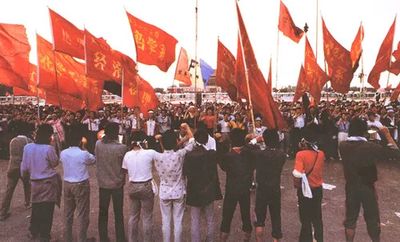
Thirty-seven years after the events in Beijing's Tiananmen Square, the anniversary continues to spark global reflection on democracy, freedom of expression, state power, and the importance of preserving historical memory. While discussion of the events remains heavily restricted within China, commemorations continue around the world as scholars, journalists, policymakers, and human rights advocates examine the lasting significance of what occurred in the spring of 1989. The movement began in April 1989 following the death of reform-minded Chinese leader Hu Yaobang. What started as student-led gatherings evolved into a nationwide protest movement calling for political reform, greater transparency, accountability, and action against corruption. Hundreds of thousands of demonstrators occupied Tiananmen Square, while similar protests spread to cities across China. After weeks of escalating tensions, martial law was declared. On the night of June 3 and into June 4, Chinese troops and tanks moved into Beijing to clear the protests. The exact number of deaths remains disputed and unknown, with estimates ranging from hundreds to thousands. The Chinese government has never released a full accounting of those killed, injured, detained, or disappeared. Perhaps the most enduring image from the crackdown is that of the unidentified "Tank Man" who stood alone before a column of tanks on June 5, 1989. The photograph became a global symbol of individual courage in the face of overwhelming state power and remains one of the most recognizable images of the twentieth century. Why Tiananmen Still Matters Beyond its historical significance, Tiananmen remains relevant because it raises enduring questions about civil liberties, government accountability, censorship, collective memory, and the role of citizen activism. Researchers continue to study how societies remember contested events and how governments shape historical narratives. The anniversary also serves as a reminder of the importance of preserving documentary evidence and firsthand accounts for future generations. Today, remembrance efforts continue through archives, academic research, museums, oral histories, and public commemorations outside mainland China. Recent reports highlight ongoing attempts by scholars, journalists, and activists to preserve photographs, diaries, eyewitness accounts, and other records associated with the 1989 protests and crackdown. Expert Perspectives Available Journalists covering the Tiananmen anniversary may wish to connect with experts in: Chinese history and politics Human rights and international relations Collective memory and historical preservation Democracy movements and social protest Media censorship and information control East Asian studies and contemporary China The Tiananmen Square anniversary remains more than a historical milestone. It continues to influence conversations about freedom, political participation, historical accountability, and the power of memory in shaping the future. If you're covering - connect now! See all of our experts at www.expertfile.com

Pride Month: From Protest to Global Celebration featured image

2 min

Pride Month: From Protest to Global Celebration

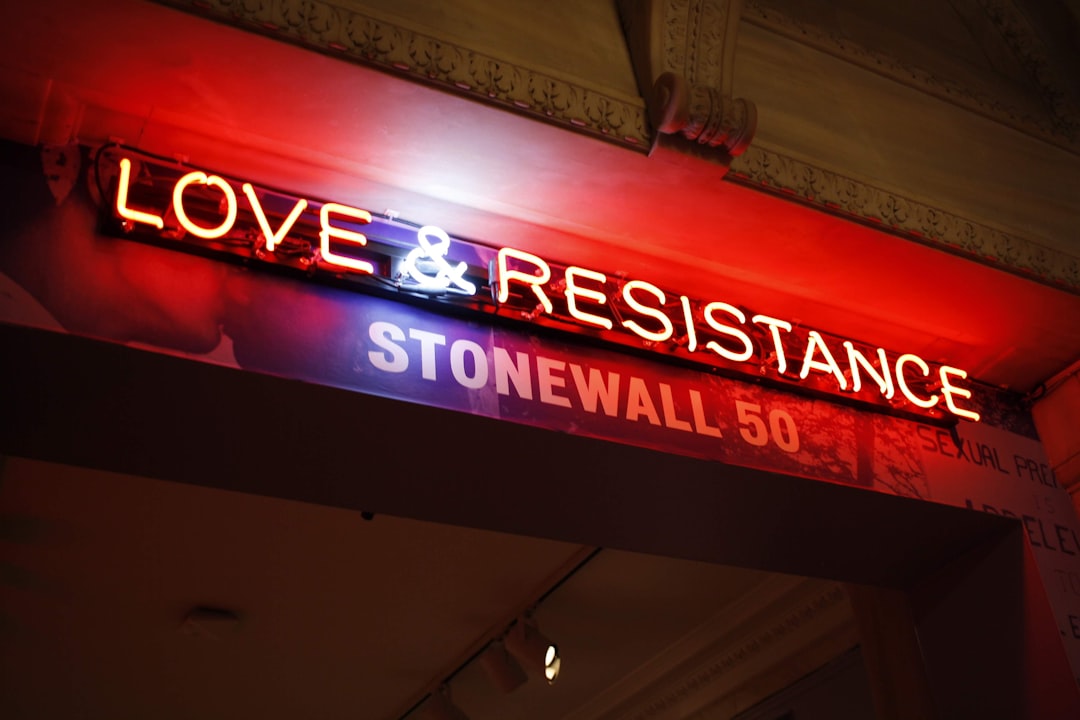
Pride Month is celebrated each June to honour the 1969 Stonewall Uprising in New York City, when LGBTQ+ patrons resisted a police raid at the Stonewall Inn. The uprising lasted several days and became a defining moment in the modern LGBTQ+ rights movement. One year later, the first Pride marches were held, transforming public protest into an annual call for visibility, dignity, safety, and equality. Today, Pride is marked around the world in many different ways. In Canada, the United States, and much of Europe, celebrations often include parades, festivals, concerts, flag-raisings, community events, and public education campaigns. In places such as Brazil, Mexico, South Africa, Japan, India, and Australia, Pride can blend celebration with activism, reflecting local histories, cultures, and legal realities. In countries where LGBTQ+ rights remain restricted or unsafe, Pride may take the form of smaller gatherings, private events, online campaigns, or human-rights advocacy rather than large public parades. What makes Pride powerful is that it is both celebration and protest. It recognizes progress, honours those who fought for change, and draws attention to the discrimination, violence, and legal barriers still faced by LGBTQ+ people in many parts of the world. For journalists, Pride Month offers a timely opportunity to explore history, human rights, culture, public policy, youth identity, corporate participation, faith communities, education, health, and the changing meaning of inclusion across borders. Connect with experts who can speak to the history of Pride, LGBTQ+ rights, identity, culture, and how communities around the world continue to mark this important month. Discover all of our experts here: www.expertfile.com

View all posts