Supreme Court’s New Term Puts Government Power and Constitutional Rights in Focus

Oct 7, 2026

2 min


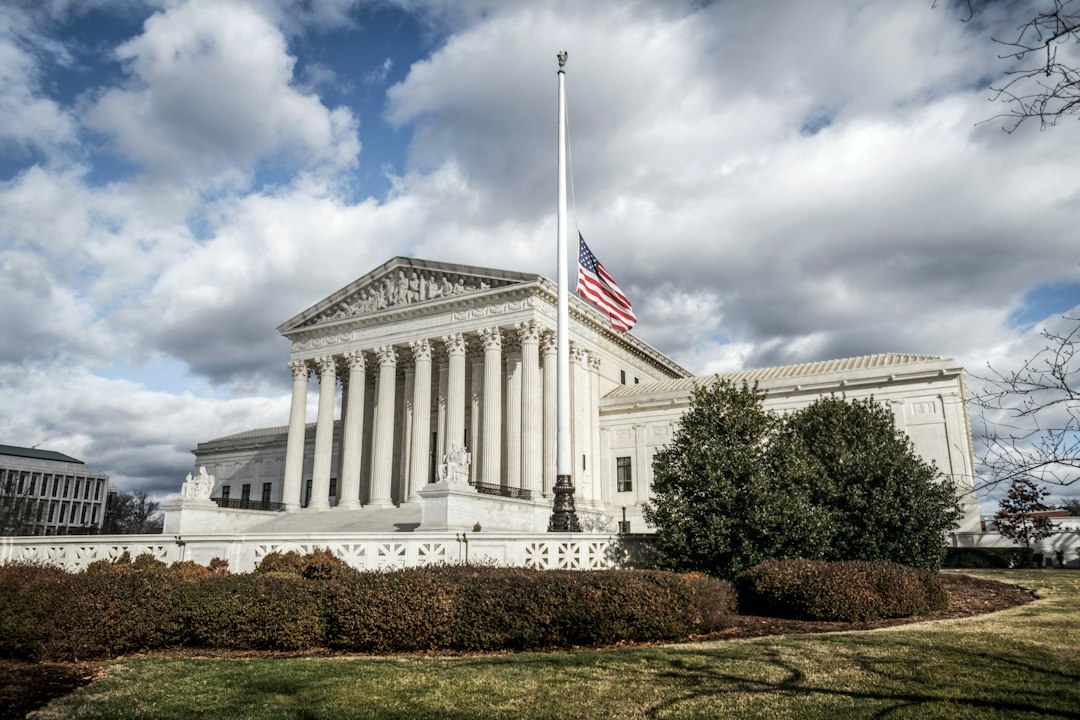
The U.S. Supreme Court began its new term October 5 with major cases involving climate change, gun rights, immigration and religious freedom. Although the disputes address different issues, they share an underlying question: What limits govern the exercise of government power? The answers could affect how communities seek compensation, how states regulate firearms and how religious institutions participate in publicly funded programs.


The climate change case centers on Boulder, Colorado’s efforts to hold Suncor Energy and ExxonMobil accountable for alleged local damage associated with greenhouse gas emissions. The companies argue that federal law prevents those claims from proceeding. Beyond the financial stakes, the dispute raises questions about whether state courts can provide remedies for local harm linked to a global problem. The outcome could influence the path available to other communities pursuing similar claims.


Gun rights cases will examine restrictions on semiautomatic rifles such as AR-15s. States defend the bans as public safety measures, while challengers argue that they prohibit commonly owned firearms protected by the Second Amendment. The cases could clarify how far states may go in regulating these weapons.


Immigration disputes concern detention without bond hearings and deportations to countries where migrants have no ties. These cases place the administration’s enforcement authority alongside questions about migrants’ opportunities to challenge government actions. Their practical consequences could reach people facing prolonged detention or removal to unfamiliar countries.


Religious freedom will receive particular attention in a case involving Catholic preschools seeking access to Colorado’s universal preschool funding. The schools argue that their exclusion amounts to religious discrimination, while Colorado maintains that participating schools must meet nondiscrimination requirements. The dispute asks how protections for religious exercise apply when faith-based institutions seek public benefits while retaining policies grounded in their beliefs.


For communities, policymakers and religious organizations, the significance of this term extends beyond individual victories or losses. These decisions could establish boundaries that guide future laws and government actions, shaping how Americans exercise their rights and seek accountability through the courts. 


Powered by

You might also like...

Check out some other posts from Cedarville University

Midterm Campaigns Enter Their Final Full Week featured image

1 min

Midterm Campaigns Enter Their Final Full Week

The final full week before the November 3 midterm elections is bringing a surge of campaign appearances, advertising and voter outreach as Republicans and Democrats compete for control of Congress. President Donald Trump and prominent Democratic leaders are campaigning across key states, while competitive races in places such as Mississippi illustrate how the political battleground has expanded. Republicans are defending their congressional majorities as Democrats seek to turn dissatisfaction with the administration into electoral gains. The stakes extend beyond which party wins the most seats. Congressional control helps determine which legislation advances, how federal spending priorities take shape and how closely lawmakers investigate executive branch decisions. Continued Republican control could help the president advance his agenda, while Democratic gains could create additional obstacles and strengthen congressional oversight. Voters are also choosing governors and other state officials whose decisions directly affect schools, public services and local economies. For campaigns, the closing days present a challenge: persuading undecided voters while ensuring existing supporters cast their ballots. For voters, the election offers an opportunity to evaluate both candidates’ promises and their ability to govern. The results will help shape the direction of national policy during the remaining two years of the president’s term. 

Supreme Court Expansion Debate Raises Questions About Judicial Independence featured image

1 min

Supreme Court Expansion Debate Raises Questions About Judicial Independence

Should the Supreme Court remain at nine justices, or would a larger bench strengthen the nation’s highest court? That question is drawing renewed attention after a Republican-backed constitutional amendment to permanently limit the court to nine seats failed in the House in September. Democratic proposals include expanding the court to 13 justices, while supporters and opponents disagree over whether changing its size would improve its credibility or deepen political divisions. Although nine justices may seem like a constitutional requirement, Congress determines the court’s size. Its membership changed several times before settling at nine in 1869. Legislation introduced by Rep. Al Green would increase that number to 13, reopening a debate over how much influence elected officials should have over the structure of the judiciary. Supporters see expansion as a way to restore balance and bring additional perspectives to the bench. Critics worry that adding seats to secure favorable rulings could encourage future majorities to pursue similar changes. The broader issue is how to preserve public confidence in an institution designed to exercise independent judgment. The Constitution’s protections for federal judges, including service during good behavior and protection against salary reductions, are intended to shield them from partisan pressure. Changing the court’s membership would create new opportunities for presidential appointments, with consequences that could extend well beyond a single administration. As the debate continues, Americans face a consequential question: What reforms would strengthen accountability while preserving the Supreme Court’s ability to interpret the law independently?

Inflation and Interest Rates Put Household Budgets and Business Plans Under Pressure featured image

1 min

Inflation and Interest Rates Put Household Budgets and Business Plans Under Pressure

For American families, inflation is felt in everyday decisions: what to buy at the grocery store, how much to spend on gas and whether a major purchase can wait. This week’s Consumer Price Index report will bring those pressures into focus as the Federal Reserve considers its next interest-rate decision. Some officials have signaled that another increase could wait until December, but stronger inflation data could strengthen the case for action at the October 27–28 meeting. The stakes extend beyond the price of everyday necessities. Higher interest rates can make credit card balances and new auto loans more expensive, adding pressure to households already managing rising living costs. Homebuyers also face difficult affordability decisions, with the average 30-year fixed mortgage rate reaching 7.40% last week. Mortgage rates respond to bond markets and inflation expectations as well as monetary policy, meaning uncertainty can affect buyers even before the Fed acts. Businesses face a similar calculation. When financing becomes more expensive, purchasing equipment, expanding operations or hiring additional employees can become harder to justify. Rising operating costs can also force companies to choose between raising prices and accepting smaller profit margins. For policymakers, the challenge is to bring inflation under control while preserving employment and economic growth. This week’s report will offer another signal about that balance—and help shape the financial decisions families and businesses make in the months ahead. 

View all posts