MEDIA RELEASE: CAA launches cannabis education campaign, geared towards a younger demographic

Dec 24, 2018

2 min

Teresa Di Felice


This holiday season will be the first time Ontarians will consume cannabis legally. Many of those experimenting will be young adults, who according to our research, are more likely to mix alcohol and cannabis together.


In response to the new laws and research, CAA has launched a cannabis education campaign called #DontDriveHigh. 


The campaign is geared towards novice drivers to remind them that even though cannabis is legal, it’s not harmless, especially in situations where reaction time, motor skills and judgment are critical. Driving high is driving impaired.


“Just because you think you may be able to drive while high, doesn’t mean you should,” said Teresa Di Felice, assistant vice president, government relations, CAA SCO. “It’s important to remember that if you are going to consume alcohol or cannabis, find an alternative to driving so you can arrive where you’re going safely.”


CAA’s research shows that there is a gap in awareness of the effects of using cannabis, specifically, in young men. Men aged 25 to 34 are the most likely to drive under the influence of cannabis. Many are novice drivers who live in busy, urban areas.


“Our research shows that many Ontario drivers believe that there is a strong need for public education around cannabis legislation,” said Teresa Di Felice. “Our campaign aims to educate young drivers with fun yet thought-provoking videos.” 

CAA SCO worked with The Turn Lab, to create a series of videos demonstrating the impact cannabis has on concentration, coordination, reaction time, and decision making.


CAA believes that education is one of the most critical elements to help Ontarians understand the issues surrounding cannabis legislations and safety.


If you are writing about cannabis and road safety – we can help. Teresa Di Felice is the Assistant Vice President of Government & Community Relations at CAA South Central Ontario (CAA SCO), Canada's largest CAA Club. She has been with CAA since 2005.


She is responsible for the overall direction and execution of the organization’s advocacy strategies and programs, representing and raising awareness on relevant issues to CAA’s over 2 million Members and with policymakers in Ontario.


Connect with:
Teresa Di Felice

Teresa Di Felice

Assistant Vice President, Government and Community Relations

Teresa oversees CAA SCO's advocacy and community relations efforts in Ontario.

Community & Government RelationsRoad SafetyPolicy AdvocacyTowing RegulationCongestion Management
Powered by

You might also like...

Check out some other posts from CAA Club Group

MEDIA RELEASE: 90 years of students helping students: CAA Manitoba celebrates School Safety Patrol milestone at the Manitoba Legislative Building featured image

3 min

MEDIA RELEASE: 90 years of students helping students: CAA Manitoba celebrates School Safety Patrol milestone at the Manitoba Legislative Building

For 90 years, generations of Manitoba students have stepped up to help their classmates get to and from school safely. This year, CAA Manitoba (CAA MB) is celebrating the 90th anniversary of the CAA School Safety Patrol® program and the thousands of young Manitobans who have been part of its history. The CAA School Safety Patrol program, CAA’s oldest traffic safety initiative, was developed to protect, educate and empower elementary school children on safe road-crossing practices. To mark the milestone, CAA School Safety Patrollers gathered today at the Manitoba Legislative Building for a special day-long itinerary that included a tour of the building, meetings with Ministers, participation in the Speaker's March, attendance at Question Period, and a commemorative 90th Anniversary photo on the steps of the building. This anniversary is about celebrating the generations of young Manitobans who have stepped up to help keep their classmates safe,” says Teresa Di Felice, assistant vice president, CAA Manitoba. “Today is a chance to recognize that legacy and the students who are carrying it forward.” From one Winnipeg school to 8,000 Patrollers The program began in Manitoba in 1936 at Greenway School in Winnipeg, where teacher Louise Staples organized Manitoba’s first CAA School Safety Patrol team. Within months, student Patrollers were introduced across the city to help promote pedestrian and road safety in school zones. Today, approximately 8,000 Patrollers at 250 schools participate in the program, working with police services to help deliver it. “For 90 years, this program has really been about students helping students,” says Di Felice. “Generations of young people have put on the patrol vest, learned about road safety and taken on the responsibility of helping their classmates get to and from school safely. That’s an incredible story, and it’s something worth celebrating.” Throughout 2026, CAA Manitoba has been marking the anniversary through activities that recognize current Patrollers and celebrate the program's history. The anniversary campaign includes Patroller recognition at sporting events and community engagement for the people who have been part of the program. Building student leadership and safer school communities CAA School Safety Patrollers receive annual training and are taught to model and encourage safe behaviour among their fellow students. The program also gives young people an opportunity to develop teamwork, volunteerism and leadership skills while playing an active role in their school community. Community partnerships have also been an important part of the program’s history. CAA works with schools, teachers and police, including Winnipeg Police, Brandon Police and Morden Police, to support the CAA School Safety Patrol program in Manitoba. “Our Patrollers may be young, but the contribution they make to their schools and communities is significant,” says Di Felice. “As we mark this achievement, we’re saying thank you to everyone who has been part of this program and especially to the students who continue that tradition today.” CAA School Safety Patrol by the numbers • 1936: Manitoba’s first CAA School Safety Patrol team was organized at Greenway School in Winnipeg. • 90 years: The milestone being celebrated by CAA Manitoba in 2026 • Approximately 8,000 Patrollers: Participate in Manitoba today. • Approximately 250 schools: Participate in the program across Manitoba. • Grades 5 to 8: The program is geared toward students in these grades. To learn more about the School Safety Patrol program, please visit: www.schoolpatrolmanitoba.com

MEDIA RELEASE: CAA brings road safety partners and first responders together to urge drivers to slow down and move over featured image

5 min

MEDIA RELEASE: CAA brings road safety partners and first responders together to urge drivers to slow down and move over

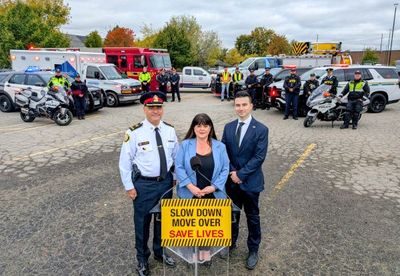
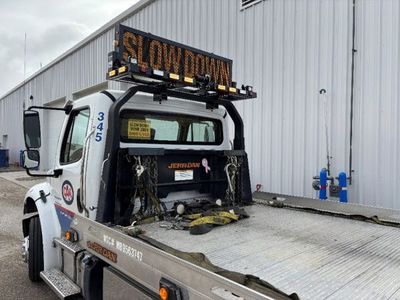
Ahead of National Slow Down, Move Over (SDMO) Day, CAA South Central Ontario, in partnership with the Ministry of Transportation, Canadian Towing Association, Toronto Police Service (TPS), Ontario Provincial Police (OPP), Toronto Fire, Toronto Paramedic Services, and 407 ETR, have joined forces to remind Ontario drivers that slowing down and moving over is one of the simplest actions they can take to help protect tow operators, first responders and other roadside workers. “For tow operators and first responders, the roadside is their workplace,” says Teresa Di Felice, assistant vice-president of government and community relations at CAA South Central Ontario. “When drivers see flashing lights, we need them to recognize that there is a trained professional helping someone at the roadside. Slowing down and moving over gives those workers the space they need to do their jobs more safely.” While most Ontario drivers are familiar with the law, that awareness does not always translate into consistent action on the road. “Every day, the men and women who respond to emergencies, assist stranded drivers and maintain our highways put themselves at risk to keep others safe,” said Prabmeet Sarkaria, Minister of Transportation. “That’s why, beginning January 1, 2027, we’re expanding Ontario’s Slow Down, Move Over law to protect more roadside workers on the job because something as simple as slowing down and moving over can save lives and help ensure those who keep our roads safe make it home to their families.” Toronto Police Service says those protections are critical for officers and other roadside workers who routinely work alongside moving traffic. "Many police officers have found themselves in situations where they are stopped on the side of the road doing their job, only to have vehicles pass dangerously close by," says Robert Johnson, Deputy Chief, Toronto Police Service. "When first responders or tow truck drivers have their lights flashing, drivers are legally required to slow down safely below the speed limit and leave space for emergency vehicles." As part of its continuing road safety work, CAA is piloting Variable Message Signs (VMS) technology on tow trucks across Ontario to determine whether enhanced visibility and directional messaging can help motorists recognize roadside incidents sooner and respond safely. Research from the AAA Foundation for Traffic Safety found drivers were 95 per cent more likely to change lanes when a VMS was active. CAA’s pilot will assess whether the technology can help motorists identify a roadside response earlier and encourage them to slow down and move over. “Drivers are processing a lot of information when they approach a roadside incident,” said Di Felice. “A clear, visible message may help them understand what is happening sooner and give them more time to slow down, check surrounding traffic and move over safely.” Putting drivers in the worker’s shoes Technology is one part of the solution. CAA is also using public education to help drivers understand the people Ontario’s SDMO law is intended to protect. CAA’s SDMO public service announcement puts motorists in the shoes of the people who assist stranded drivers every day. Rather than focusing only on the rules of the road, it highlights the individuals behind the flashing lights and the risks they face while working just feet from live traffic. Watch the PSA here. Ontario expanding slow down move over law to protect more workers Starting January 1, 2027, drivers must also slow down and move over for certain work vehicles stopped at roadside with flashing amber lights activated. Work vehicles under the expanded law include highway maintenance vehicles, public utility vehicles (such as electricity, water, natural gas, telecommunications), waste collection vehicles (such as garbage, recycling or organic waste trucks) and roadside assistance vehicles (like CAA or other providers). CN Tower to shine for roadside safety On Saturday, October 17, the CN Tower will be illuminated in yellow and black to mark National Slow Down, Move Over Day, commemorated by all the CAA clubs across the country, and in honour of the tow operators, emergency responders and other roadside workers who assist motorists every day. A standard light show will run for 5 minutes at the top of every hour, followed by another light show on the half hour. To learn more about SDMO laws, please visit: www.caasco.com/SDMO Quick Facts CAA research shows that Ontario drivers report slowing down and moving over for emergency vehicles more than 90 per cent of the time, but only 49 per cent of the time for tow trucks. Nearly 4 in 5 Ontario drivers have heard of the SDMO law, but only 55 per cent knew they were required to slow down and move over for stopped tow trucks with flashing lights. The same study found that 93 per cent of Ontarians support the use of Variable Message Signs. Respondents also said the signs would encourage drivers to slow down and move over, improving safety for roadside workers and stranded motorists. Quotes “Tow operators are often called to the roadside when someone needs help. Everyday members of our industry are available 24-hours in all kinds of weather. Doing the work safely depends in part on the actions of passing drivers. When motorists slow down and move over, they give tow operators the room they need to assist stranded drivers and clear vehicles safely. It is a small action behind the wheel that can make a big difference at the roadside.” – Joey Gagne, President, Canadian Towing Association "First responders are there to help those in crisis and keep our roads safe, but we can’t do it alone. When approaching a stopped emergency vehicle with its flashing lights activated, slow down and, where possible, move over. The Slow Down, Move Over law helps create a safer environment for emergency personnel working on our roads. It’s the law. Road safety is a shared responsibility, and a simple action can make a meaningful difference for everyone on our roads.” - Deputy Commissioner Bryan MacKillop, Ontario Provincial Police "Toronto Fire Services is proud to support CAA's Slow Down, Move Over campaign. Every day, emergency responders work in and around live traffic to keep our communities safe. Slowing down and moving over when approaching emergency scenes helps protect firefighters, paramedics, police officers, tow operators, and all roadside workers who put themselves at risk to serve others. This simple action can save lives." - Fire Chief Jim Jessop, Toronto Fire Services "Every day, emergency responders, tow truck operators and highway patrollers put themselves at risk to help keep people moving safely. At 407 ETR, we see this firsthand through the work of our patrollers, OPP officers and first responders who assist drivers and respond to incidents around the clock. That's why we're proud to support CAA's Slow Down, Move Over campaign. Slowing down and moving over isn't just the law, it's a simple action that helps protect the people working roadside and can prevent tragedies on our roads.” -Jose Espinosa, President & CEO, 407 ETR “Paramedics work in dynamic environments, including at the roadside alongside live traffic. When drivers slow down and move over, they help create a safer space for all emergency responders to do their jobs and care for those in need. Road safety is a shared responsibility.” - Chief Bikram Chawla, Toronto Paramedic Services

MEDIA RELEASE: CAA Manitoba calls for truck-mounted warning signs to improve roadside safety ahead of Slow Down, Move Over Day featured image

2 min

MEDIA RELEASE: CAA Manitoba calls for truck-mounted warning signs to improve roadside safety ahead of Slow Down, Move Over Day

Ahead of National Slow Down Move Over (SDMO) Day, acknowledged on October 17, CAA Manitoba is calling for regulatory changes that would allow tow trucks to use vehicle-mounted electronic warning signs, known as Variable Message Signs (VMS), to give approaching drivers an earlier warning of roadside incidents. Every day, tow truck operators work alongside live traffic to help stranded motorists, but many drivers still do not give them the same space and protection they provide emergency vehicles such as police, fire and ambulances. "For tow operators and first responders, the roadside is their workplace," said Teresa Di Felice, assistant vice president, government and community relations, CAA Manitoba. "Slowing down and moving over is a simple action drivers can take to make a meaningful difference to protect the people who assist Manitobans every day." Variable Message Signs (VMS) provide drivers with advance warning of roadside incidents, giving them more time to react safely. The technology is already authorized in over 40 U.S. states, as well as in Australia and across the European Union. Research from the AAA Foundation for Traffic Safety found drivers were more likely to slow down and move over when a VMS was active, with the odds of a vehicle moving over increasing by 95 per cent. CAA Manitoba continues to discuss the use of truck-mounted VMS technology with government and industry stakeholders as part of broader efforts to improve roadside safety. A pilot project underway in Ontario is testing how the technology can help protect roadside workers, including tow operators. Despite growing awareness of SDMO laws, compliance around tow trucks continues to lag behind other emergency vehicles. CAA research found members were less likely to move over for tow trucks than for police, ambulances or fire trucks. Among those who did not move over for a tow truck, nearly half said they did not know it was required by law. "Tow truck operators are often among the first people to arrive when someone needs help," says Di Felice. "They deserve the same care and protection we give other emergency responders." To help address the issue, CAA has launched a new public service announcement that puts motorists in the shoes of the roadside workers who assist drivers every day. Rather than focusing solely on the rules of the road, the campaign highlights the people those rules are designed to protect. Watch the PSA here. CAA research also found that while eight in 10 members understand the core Slow Down, Move Over message, some remain unclear about the exact action required when approaching a roadside incident. The campaign aims to close that gap through education and awareness. To learn more about SDMO laws, please visit: https://www.caamanitoba.com/SDMO

View all posts