You might also like...
Check out some other posts from ExpertFile
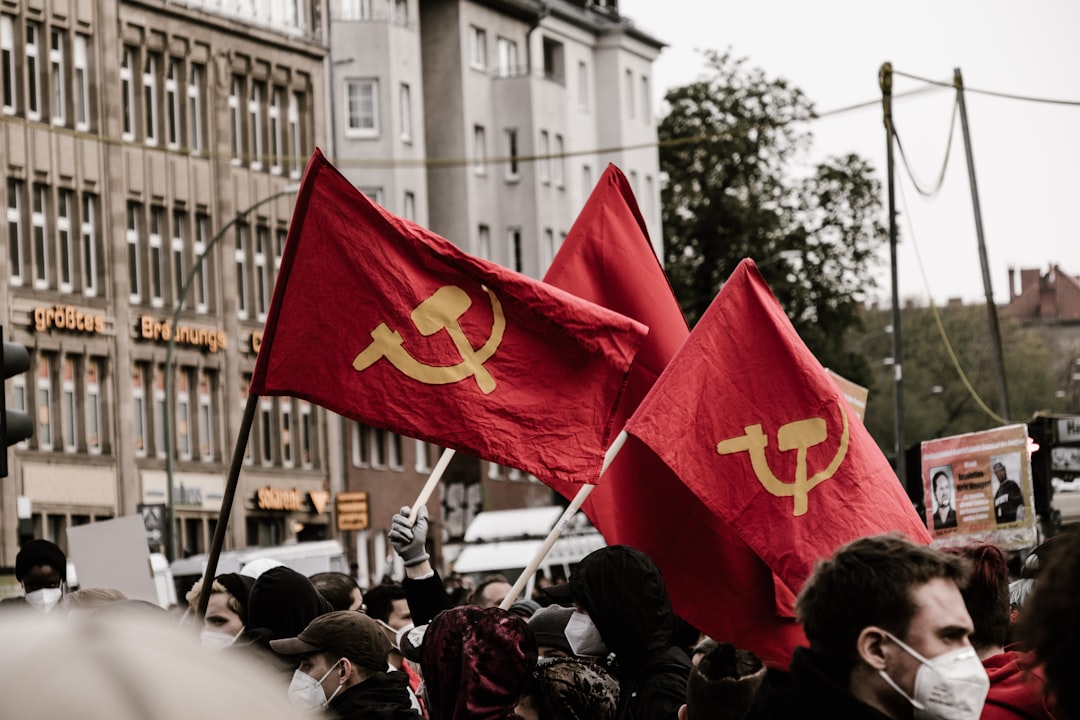
Each year on May 1, images of grand parades, waving flags, and tightly choreographed displays evoke a powerful legacy rooted in ideology, identity, and statecraft. In Russia, May Day—known as International Workers’ Day—has evolved from a revolutionary rallying point into a symbolic expression of national unity, political messaging, and historical continuity.
Origins in Revolution and Worker Solidarity May Day celebrations in Russia trace their roots to the late 19th century, inspired by international labour movements advocating for workers’ rights—particularly the push for the eight-hour workday. Following the Russian Revolution, the holiday was institutionalized by the Bolsheviks as a cornerstone of socialist identity.
Under leaders like Vladimir Lenin, May 1 became more than a labour holiday—it was a stage for demonstrating the strength and unity of the working class under communist rule. Early celebrations blended grassroots enthusiasm with emerging state control, reinforcing the ideological foundations of the new Soviet state.
The Soviet Spectacle: Power on Display During the era of the Soviet Union, May Day parades transformed into highly orchestrated spectacles. Held prominently in Red Square, these events showcased military hardware, industrial achievements, and mass participation from workers, students, and state organizations.
Under Joseph Stalin, the parades took on an increasingly propagandistic tone, emphasizing Soviet strength both domestically and to the outside world. Precision choreography, symbolic imagery, and sheer scale reinforced narratives of unity, productivity, and ideological superiority during the Cold War.
Post-Soviet Transition: From Ideology to Identity Following the collapse of the Soviet Union in 1991, the meaning of May Day in Russia shifted significantly. While it remains a public holiday, its overt ideological messaging has softened. Today, events often blend labour advocacy, political expression, and seasonal celebration.
Modern observances frequently include rallies organized by trade unions such as the Federation of Independent Trade Unions of Russia, alongside state-supported demonstrations that emphasize national unity and economic stability under leaders like Vladimir Putin.
Why May Day Still Matters May Day parades in Russia continue to serve as a barometer of the country’s political and social climate. While the overt revolutionary fervor of the early 20th century has faded, the event remains deeply symbolic:
Historical Continuity: A living link to the Soviet past and its defining narratives Political Messaging: A platform for governments to project stability and cohesion Labour Identity: An enduring reminder of workers’ rights and collective action Cultural Tradition: A widely recognized public celebration marking the arrival of spring Expert Insight What makes May Day in Russia particularly compelling is its adaptability. Across more than a century, it has shifted from protest to propaganda to public ritual, each iteration reflecting the priorities of the state and the sentiments of its people.
Connect with more experts here: www.expertfile.com

Every April 1, the world collectively loosens up. Friends prank friends, brands try to outdo each other with outrageous announcements, and even the most serious newsrooms occasionally get in on the joke. But behind the laughter and “gotcha” moments, the origins of April Fools’ Day are anything but straightforward - and that’s part of what makes it so fascinating.
One of the most widely accepted origin stories dates back to 1582 and the Gregorian calendar reform. When France shifted New Year’s celebrations from late March (around April 1) to January 1, not everyone got the memo, or chose to follow it. Those who continued celebrating in spring became the subject of ridicule, often tricked with fake gifts or sent on pointless errands. They were dubbed “April fools,” a label that stuck. Other theories reach even further back, connecting the day to ancient seasonal festivals like Hilaria, where people donned disguises, mocked authority, and celebrated the unpredictable shift into spring. Across cultures, the common thread is clear: a moment in the calendar where normal rules are bent, and mischief is not just accepted - it’s expected.
What started as localized traditions has evolved into a global cultural phenomenon. Media outlets, corporations, and public figures now participate in April Fools’ Day with increasingly elaborate hoaxes. Perhaps the most famous example came from the BBC in 1957, when it aired a segment about Swiss farmers harvesting spaghetti from trees, complete with convincing visuals. Viewers were fooled, and a legendary prank was born. Today, in an era of viral content and misinformation, April Fools’ Day walks a fine line between humor and credibility, forcing audiences to question what they see and hear.
Beyond the pranks, the day reveals something deeper about human nature. It’s a rare, socially sanctioned opportunity to challenge authority, play with truth, and share in collective amusement. For journalists, it also offers a unique angle: how stories spread, why people believe them, and what it says about trust in media. In a world often dominated by serious headlines, April Fools’ Day reminds us that sometimes, the most powerful connection comes not from facts alone, but from the shared experience of being delightfully fooled.
Our experts can help! Connect with more experts here: www.expertfile.com

Every March 17, cities around the world turn green as millions celebrate St. Patrick’s Day with parades, music, traditional foods, and a strong dose of Irish pride. But the origins of the holiday trace back more than 1,500 years to St. Patrick, the 5th-century missionary credited with bringing Christianity to Ireland. Over time, the feast day commemorating Ireland’s patron saint evolved into a broader celebration of Irish heritage, folklore, and culture.
Many of today’s traditions, wearing green, shamrocks, lively parades, and even the association with leprechauns — developed centuries later, particularly as Irish immigrants in North America began celebrating their heritage publicly. In fact, some of the world’s biggest St. Patrick’s Day traditions, including massive parades and even dyeing rivers green, originated in the United States and Canada rather than Ireland itself.
From the real history of St. Patrick to the myths, symbols, and global traditions that followed, historians and cultural experts can help unpack how this ancient religious observance transformed into one of the world’s most recognizable cultural celebrations.
ExpertFile connects journalists with historians, cultural scholars, and experts in Irish heritage who can provide insight on topics including:
The real story of St. Patrick and his mission in Ireland How shamrocks, leprechauns, and the color green became iconic symbols Why parades and public celebrations grew in North America How Irish immigration shaped the modern holiday The cultural and economic impact of St. Patrick’s Day celebrations worldwide Journalists looking for fresh angles on the history, traditions, and cultural significance of St. Patrick’s Day can connect with experts available through the ExpertFile platform.
Our experts can help! Connect with more experts here: www.expertfile.com