Terrorist attacks on home soil – let our expert help if you are covering

Dec 2, 2019

1 min

Glen Duerr, Ph.D.


It was another deadly attack in London, England as a 28-year-old man, known to authorities went on a rampage in broad daylight on the London bridge.


“It had previously been speculated that the attack may have been revenge for the death of ISIS leader Abu Bakr al-Baghdadi.  


Khan was shot and killed by armed police after he stabbed two people to death and wounded three others while wearing a fake suicide vest on London Bridge. 


The attacker, who was jailed in 2012 for his role in an al Qaeda-inspired terror group that plotted to bomb the London Stock Exchange, had first been tackled and disarmed by a group of brave bystanders on the bridge.” November 30 – The Daily Mail


The attack has many in Europe and America on edge, especially as the holiday season approaches.


But what can be done?


  • Is there any tried and true remedy for protecting against domestic terrorism?
  • Are these attacks actually affiliated or just copy-cat incidents?
  • And as countries begin considering repatriating former soldiers from Syria and the Middle East, will this only add fuel to the fire of concerns?


There are a lot of questions to be asked – and if you are a reporter covering this topic, let our experts help with your coverage.


Dr. Glen Duerr's research interests include domestic and international terrorism, comparative politics, and international relations theory. Glen is available to speak to media regarding this topic– simply click on his icon to arrange an interview.

Connect with:
Glen Duerr, Ph.D.

Glen Duerr, Ph.D.

Professor of International Studies

Dr. Deurr's research interests include nationalism and secession, comparative politics, and international relations theory

International TerrorismDomestic TerrorismInternational RelationsBrexit
Powered by

You might also like...

Check out some other posts from Cedarville University

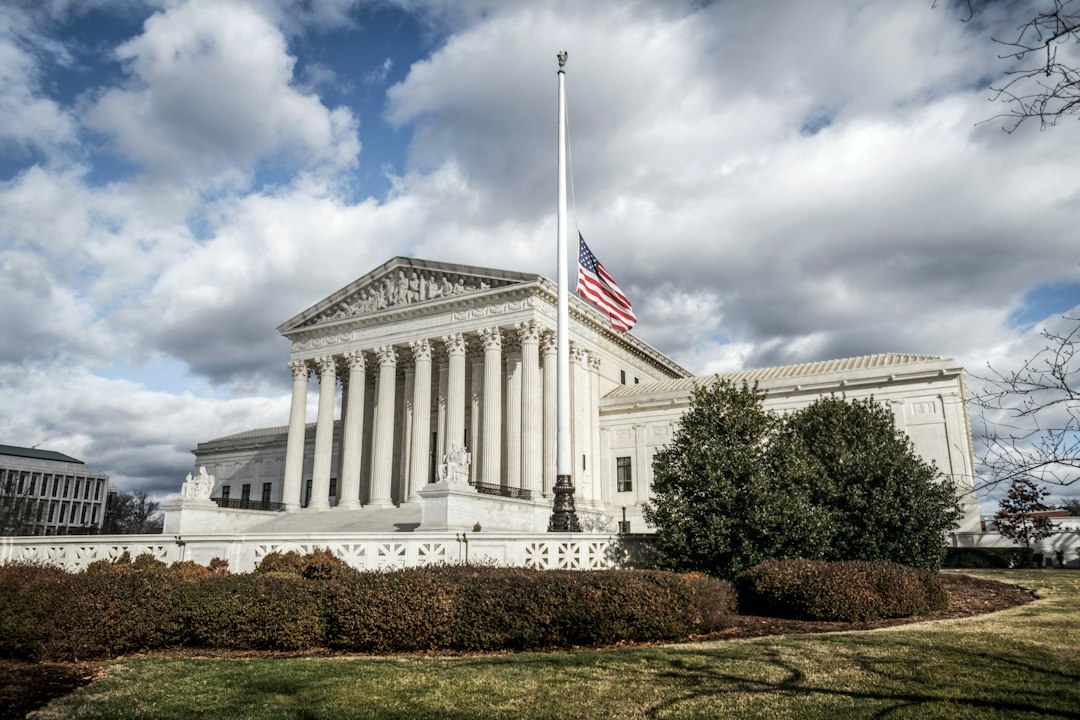
Supreme Court Expansion Debate Raises Questions About Judicial Independence featured image

1 min

Supreme Court Expansion Debate Raises Questions About Judicial Independence

Should the Supreme Court remain at nine justices, or would a larger bench strengthen the nation’s highest court? That question is drawing renewed attention after a Republican-backed constitutional amendment to permanently limit the court to nine seats failed in the House in September. Democratic proposals include expanding the court to 13 justices, while supporters and opponents disagree over whether changing its size would improve its credibility or deepen political divisions. Although nine justices may seem like a constitutional requirement, Congress determines the court’s size. Its membership changed several times before settling at nine in 1869. Legislation introduced by Rep. Al Green would increase that number to 13, reopening a debate over how much influence elected officials should have over the structure of the judiciary. Supporters see expansion as a way to restore balance and bring additional perspectives to the bench. Critics worry that adding seats to secure favorable rulings could encourage future majorities to pursue similar changes. The broader issue is how to preserve public confidence in an institution designed to exercise independent judgment. The Constitution’s protections for federal judges, including service during good behavior and protection against salary reductions, are intended to shield them from partisan pressure. Changing the court’s membership would create new opportunities for presidential appointments, with consequences that could extend well beyond a single administration. As the debate continues, Americans face a consequential question: What reforms would strengthen accountability while preserving the Supreme Court’s ability to interpret the law independently?


Inflation and Interest Rates Put Household Budgets and Business Plans Under Pressure featured image

1 min

Inflation and Interest Rates Put Household Budgets and Business Plans Under Pressure

For American families, inflation is felt in everyday decisions: what to buy at the grocery store, how much to spend on gas and whether a major purchase can wait. This week’s Consumer Price Index report will bring those pressures into focus as the Federal Reserve considers its next interest-rate decision. Some officials have signaled that another increase could wait until December, but stronger inflation data could strengthen the case for action at the October 27–28 meeting. The stakes extend beyond the price of everyday necessities. Higher interest rates can make credit card balances and new auto loans more expensive, adding pressure to households already managing rising living costs. Homebuyers also face difficult affordability decisions, with the average 30-year fixed mortgage rate reaching 7.40% last week. Mortgage rates respond to bond markets and inflation expectations as well as monetary policy, meaning uncertainty can affect buyers even before the Fed acts. Businesses face a similar calculation. When financing becomes more expensive, purchasing equipment, expanding operations or hiring additional employees can become harder to justify. Rising operating costs can also force companies to choose between raising prices and accepting smaller profit margins. For policymakers, the challenge is to bring inflation under control while preserving employment and economic growth. This week’s report will offer another signal about that balance—and help shape the financial decisions families and businesses make in the months ahead. 

Slowing Job Growth Raises Questions About the Economy’s Momentum featured image

1 min

Slowing Job Growth Raises Questions About the Economy’s Momentum

The U.S. economy added just 29,000 jobs in September, while unemployment edged up to 4.2%, raising concerns about the strength of the labor market. Downward revisions to July and August’s employment figures further weakened the picture, suggesting hiring had been less robust than previously reported. For workers seeking their first job or a new opportunity, the slowdown adds uncertainty to an already challenging economic environment. The report also complicates the Federal Reserve’s next interest-rate decision. Weaker hiring reduced expectations for another rate increase this month, as policymakers weigh inflation concerns against the risk of slowing the economy further. Higher borrowing costs can make business expansion more expensive and discourage spending on homes, vehicles and other major purchases. A softer labor market gives the Fed another reason to consider how much financial pressure households and employers can absorb. September’s figures do not establish that a recession is underway: unemployment has remained between 4.1% and 4.3% since March, and employers are still adding jobs. Nevertheless, the report raises a broader question about whether the economy can sustain growth while hiring remains subdued. The coming months will help reveal whether September represented a temporary slowdown or a more persistent loss of momentum—with consequences for household confidence, business investment and monetary policy. 

View all posts