What will the extradition of Meng Wanzhou mean for relations between Canada, China, and the U.S.?

Jun 10, 2020

2 min

Glen Duerr, Ph.D.


There is the rule of law, and there’s politics – but what happens when you are a country like Canada stuck in the middle of an ugly legal battle between China and America?


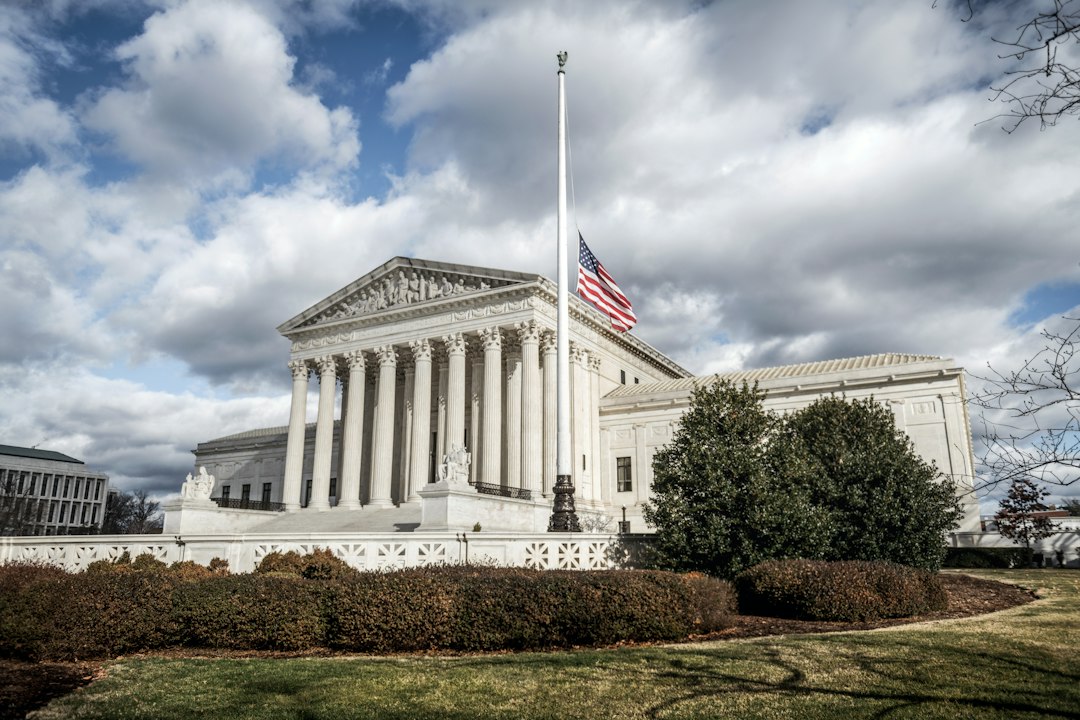
This Monday, in Vancouver – a hearing is underway that will see one of the world’s titans victorious and the other, probably quite angry.


Legal arguments at the B.C. Supreme Court in the extradition case of Huawei executive Meng Wanzhou may stretch into next year.


Crown lawyer Robert Frater told the court Wednesday that lawyers for both sides will propose a new schedule later this month that would bring the hearings to a close in early 2021 at the latest, instead of this fall.


The Unites States wants Canada to extradite Meng over allegations she misrepresented the company’s relationship with Skycom Tech Co., putting HSBC at risk of violating U.S. sanction against Iran, a charge both she and Huawei deny.


Associate Chief Justice Heather Holmes dismissed the first phase of arguments last week by Meng’s lawyers who claimed the case should be thrown out because the U.S. allegations against her wouldn’t be a crime in Canada.  Global News - June 03


It has been a long and drawn out process and will likely stretch into this year, and odds are patience is wearing thin.


  • Can any of the countries expect retaliation and what would that look like?
  • Is the United State right seeking extradition of this official?
  • Will a change at the Whitehouse see this effort dropped?
  • And what are the underlying issues at play that may be attributing to this drama?


If you are a journalist covering this topic – then let our experts help.


Dr. Glen Duerr's research interests include comparative politics and international relations theory. Glen is an expert on this subject and is available to speak to media regarding this topic– simply click on his icon to arrange an interview.

Connect with:
Glen Duerr, Ph.D.

Glen Duerr, Ph.D.

Professor of International Studies

Dr. Deurr's research interests include nationalism and secession, comparative politics, and international relations theory

International TerrorismDomestic TerrorismInternational RelationsBrexit
Powered by

You might also like...

Check out some other posts from Cedarville University

From the Pump to the Bond Market: Why Rising Oil Prices Matter for Borrowing Costs featured image

2 min

From the Pump to the Bond Market: Why Rising Oil Prices Matter for Borrowing Costs

From the Pump to the Bond Market: Why Rising Oil Prices Matter for Borrowing Costs Rising oil prices are often felt first at the gas pump, but their effects can quickly extend to the broader economy. As higher costs for gasoline, diesel and jet fuel work their way through transportation, manufacturing and food production, investors are increasingly concerned that inflation could remain elevated longer than expected. That concern is helping push Treasury yields higher. When investors expect inflation to erode the future value of fixed-income returns, they typically demand higher yields on government bonds. The result can be a ripple effect across the economy: mortgage rates, auto loans, credit-card rates and business borrowing costs may all remain high or move higher. This is an important second stage of the oil-price story. The first concern is the direct impact on consumers and businesses as energy costs rise. The next concern is whether those higher costs become embedded in the economy, causing inflation expectations to increase and making it more difficult for the Federal Reserve to ease interest rates. For policymakers, the dilemma is clear. Raising or maintaining higher interest rates can help slow inflation, but it also makes borrowing more expensive for families, businesses and the federal government. If high energy prices persist, the Federal Reserve may face added pressure to prioritize inflation control even as consumers and employers feel the effects of tighter financial conditions. The issue is also global. Oil markets respond quickly to geopolitical instability and supply disruptions, while Treasury yields influence borrowing and investment decisions far beyond the United States. Together, high energy prices and rising yields can become a powerful test of economic resilience—affecting household budgets today and financial decisions for months to come. 

White House Pushes Back on Calls for Broader AI Safety Guardrails featured image

1 min

White House Pushes Back on Calls for Broader AI Safety Guardrails

As calls grow from technology leaders, researchers and lawmakers for stronger artificial intelligence safety rules, the White House is signaling a different priority: keeping the United States at the forefront of AI innovation. The administration has pushed back on proposals that could slow development or create sweeping federal approval requirements for new models, arguing that excessive regulation could weaken America’s competitive position—especially against China. That does not mean the administration is ignoring AI-related risks. Its approach emphasizes national security, cybersecurity and enforcement against criminal misuse of AI. Recent White House action has encouraged voluntary collaboration between government and AI developers to assess the cyber capabilities of advanced models, protect critical infrastructure and strengthen defenses against malicious actors. But the framework specifically avoids mandatory licensing or government preclearance before companies develop or release new AI systems. The debate raises important questions for business leaders, policymakers and the public: How can innovation move quickly without sacrificing security, privacy and public trust? And where should responsibility rest—within individual companies, through voluntary government-industry partnerships or through enforceable federal safeguards? 

View all posts