Combating Climate Change

Draft

2 min

Jase BernhardtRosanna PerottiGregory DeFreitas

A recent survey of 26 nations found that climate change ranks as the world’s top security threat, even ahead of terrorism and cyber attacks, while a NASA report shows that the last five years have been the warmest on Earth in 140 years of record keeping – a clear sign that human activity has caused major shifts in global climate and weather patterns. The fight to find an effective solution has now come to Congress, where Democrats and Republicans are clashing over the Green New Deal, a proposal that lays out a broad vision to address climate change and economic inequality.


Hofstra experts who can address environmental and political issues related to climate change include:


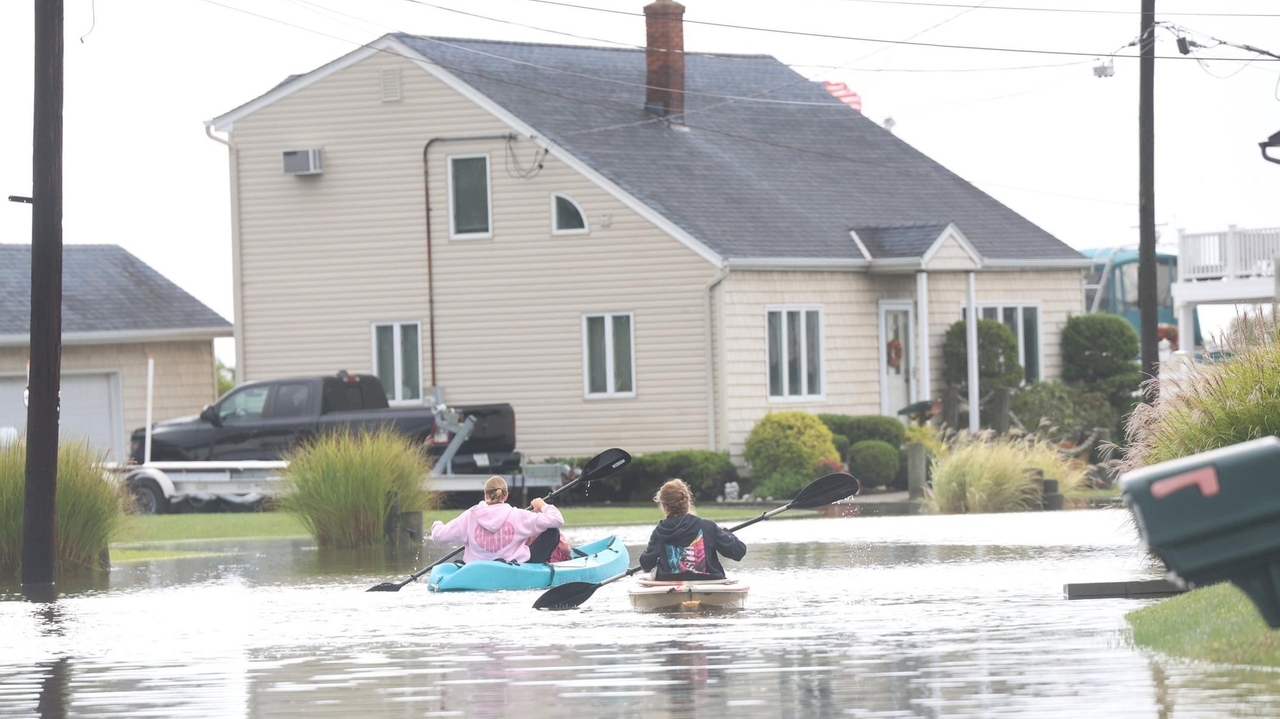
Professors Jase Bernhardt and Bob Brinkmann, experts in sustainability, environment, and climate change, can discuss how warmer air and water increase the likelihood of more intense hurricanes,  wildfires and droughts, melting glaciers, and rising sea levels – all of which can displace communities and habitats, affect food and water supplies, and cripple important ecosystems.


Public health professor Anthony Santella can explain how climate change poses a global health concern, with potentially higher rates of asthma, cardiovascular disease, injuries, heat-related illness and death, and forced migration – particularly for at-risk communities such as ethnic minorities, older adults, children and adolescents, low-income persons, and persons with chronic diseases.


Biology professor Lisa Filippi can discuss how the extinction of insect species can affect the earth’s ecosystems. A new study published by the journal Biological Conservation warns that over 40% of insect species are facing extinction due to factors such as habitat loss, pollutants and climate change. Some species, however – such as cockroaches and houseflies – will thrive under these conditions.


Political science professor Rosanna Perotti can discuss how government and politics play a role in how climate change is addressed, while economics and labor studies professor Gregory DeFreitas can discuss the potential economic impact of the Green New Deal.  


Connect with:
Jase Bernhardt

Jase Bernhardt

Associate Professor of Geology, Environment, and Sustainability

Dr. Bernhardt's current research is focused on using VR technology to teach about dangerous weather conditions.

Rip Tide safetyHurricanesClimatologyClimate ChangeWeather
Rosanna Perotti

Rosanna Perotti

Professor of Political Science

Professor Perotti's expertise is in American politics, including Congress, elections and political parties.

American PoliticsCongressMedia and PoliticsAmerican Political PartiesAmerican Elections
Gregory DeFreitas

Gregory DeFreitas

Professor of Economics, Director of the Center for the Study of Labor and Democracy

Prof. DeFreitas is an expert on labor studies.

Labor EconomicsResearch MethodsUrban EconomicsMicroeconomicsAfrican Economic Development
Powered by

You might also like...

Check out some other posts from Hofstra University

1 min

Housing Shortage Could Cost NY Politically

Lawrence Levy, associate vice president and executive dean of the National Center for Suburban Studies, was interviewed by the Investigative Post for the article: “Housing shortage could cost New York politically.” New York’s persistent housing shortage, driven in part by restrictive local zoning and slow homebuilding, is contributing to population loss that could cost the state two U.S. House seats after the 2030 Census as people relocate to more affordable areas. Levy said that because housing policy is handled town by town, many communities “become villages of no,” resisting new housing and exacerbating the problem.

1 min

Blizzard of ’26 – One for the History Books

“The blizzard of ‘26 will be remembered in meteorology circles,” Dr. Jase Bernhardt told Newsday about the historic storm this week that dropped approximately 30 inches of snow on parts of Long Island. The Hofstra University associate professor of geology, environment, and sustainability and director of meteorology explained the blizzard hit what’s known as the “70/40 benchmark." That’s 40 degrees north latitude and 70 degrees west longitude, geographic coordinates for a spot over the Atlantic Ocean: “That’s the sweet spot,” said Dr. Bernhardt. “Say it tracks 50 miles south and east, that means the heaviest snow shifts farther away. If it tracks closer, oftentimes, it’s bringing in warm air closer to the center [of the storm], and if it tracks too close, it might yield heavy precipitation, but it’s going to be too warm for all snow.”

1 min

Pennsylvania Officials Highlight Snow Squall Safety

Research by Dr. Jase Bernhardt, Hofstra University associate professor of geology, environment, and sustainability, was recently highlighted during a press conference held by several state agencies in Pennsylvania on snow squall safety. The Pennsylvania Department of Transportation (PennDOT), Pennsylvania Turnpike Commission (PA Turnpike), Pennsylvania Emergency Management Agency (PEMA), Pennsylvania State Police (PSP), and the National Weather Service (NWS) highlighted investments by Governor Josh Shapiro’s administration that have led to an average of 7% fewer winter crashes and a 34% decrease in serious injuries and fatalities in those crashes. Media outlets that covered the press conference included the Times News Online.

View all posts