
World Cup 2026
Georgia Southern University Experts on the
Game Behind the Game
Atlanta is one of the World Cup's biggest host cities. Georgia Southern faculty across economics, health sciences and international studies are ready to speak to the stories behind the tournament.
Connect with Georgia Southern Experts below.
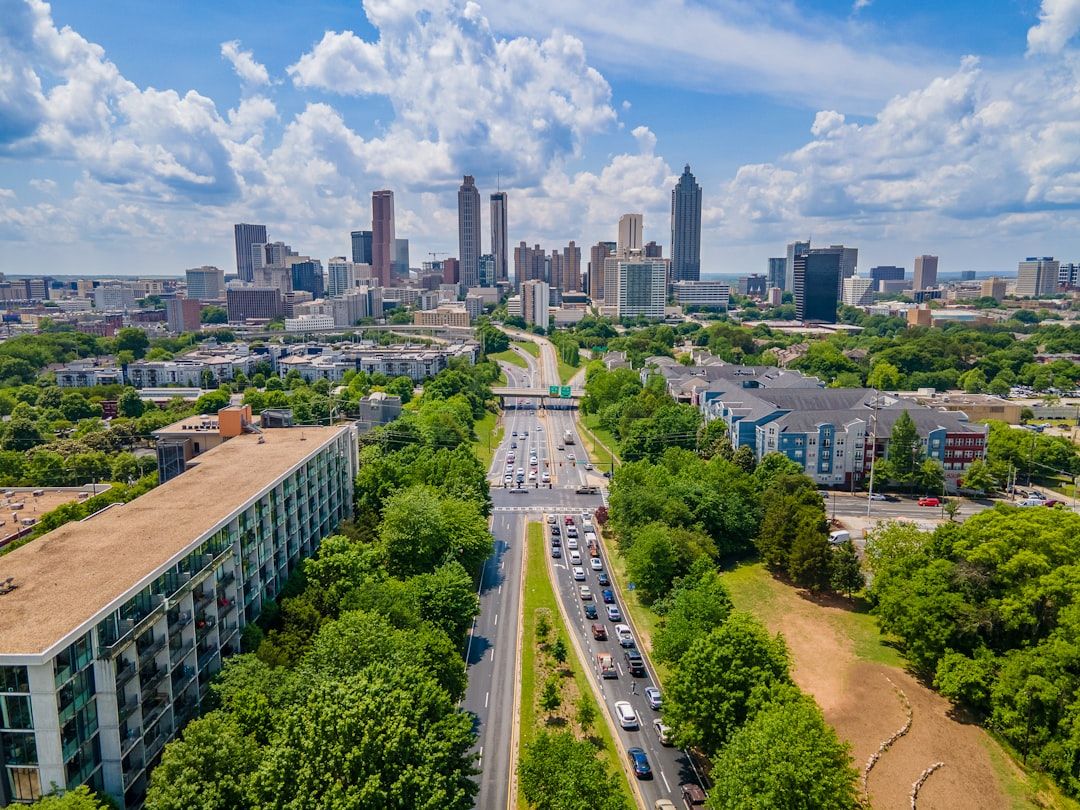
The Atlanta Advantage: Regional Economics of Hosting the World Cup
What it means for local businesses, tourism, and the long-term economic legacy of a host city
Atlanta's World Cup moment is as much an economic story as a sporting one. Georgia Southern University economics professors Michael Toma, Ph.D., and Anthony Barilla, Ph.D., can speak to tourism revenue, infrastructure investment and what host cities actually gain — and manage —- when the world comes to town.
Experts
Michael Toma, Ph.D. - Regional Economics and Development
Anthony Barilla, Ph.D. - Economics and Public Policy
Playing Across a Continent: The Physical Demands of a 48-Team Tournament
What elite athletes face competing across climates, time zones and a month-long schedule
48 teams. Multiple cities. Almost no recovery time. Georgia Southern health sciences and kinesiology professor Samuel Wilson, Ph.D., and sports psychologist Brandonn Harris, Ph.D., can explain how a World Cup schedule affects the human body and how elite teams prepare for it.
Experts
Samuel Wilson, Ph.D. - Health Sciences and Athletic Performance
Brandonn Harris, Ph.D. - Kinesiology and Exercise Science

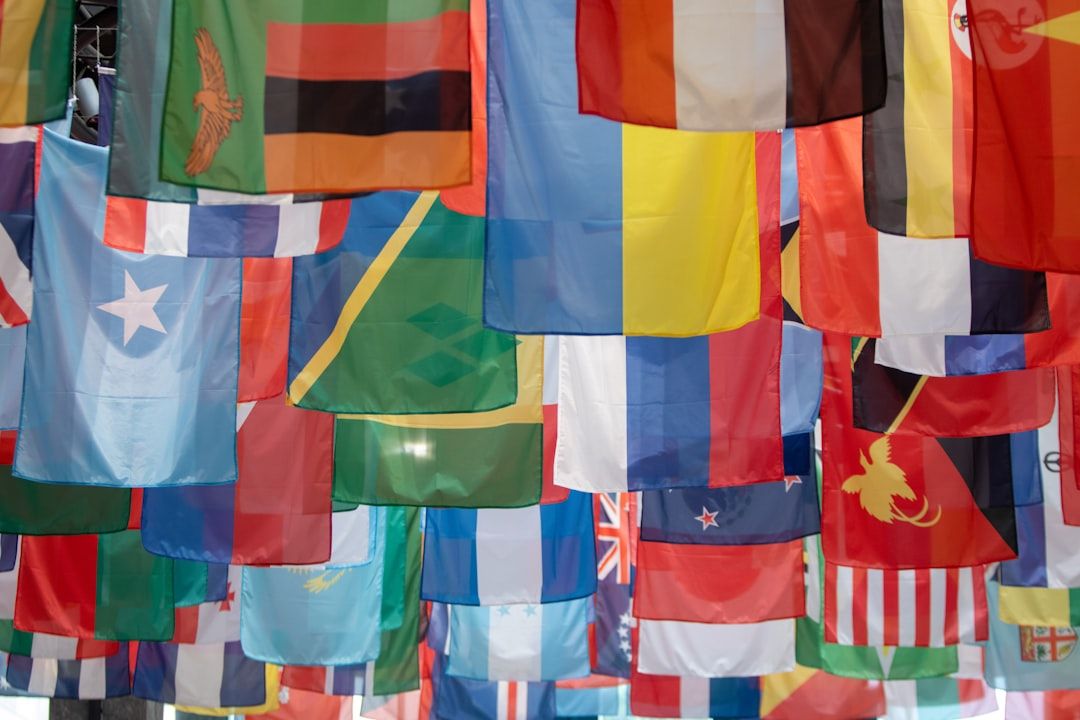
More Than a Match: The World Cup as Cultural and Political Exchange
How the world's biggest sporting event becomes a stage for diplomacy, identity, and soft power
When 48 nations converge on American soil, the game is only part of the story. Political science and international studies expert Christopher M. Brown, Ph.D., can speak to the geopolitical dimensions — national identity, soft power and what it means for the U.S. to host global soccer for the first time in a generation.
Experts
Christopher M. Brown, Ph.D. - Political Science and International Studies