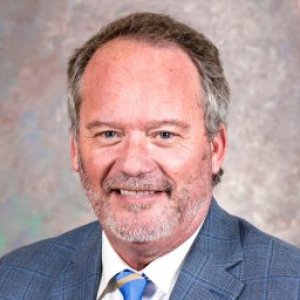
John Allgood II
Instructor of Sports Management
Expertise includes professional sport business strategic management, college athletics administration and strategy
College AthleticsSport and EntertainmentSport Management
Tammy Anderson
Professor, Sociology and Criminal Justice
Professor Anderson's work focuses on the sociology of deviance, substance abuse, criminology and social problems.
Substance AbuseOpioid EpidemicCriminologySocial ProblemsDeviance
Cristina L. Archer
Professor, Geography and Spatial Sciences
Prof. Archer's research interests include: renewable energy, wind power, climate change, and numerical modeling of atmospheric processes.
Air QualityWind PowerRenewable EnergyMeteorologyClimate Change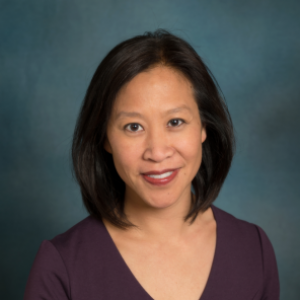
Alice Ba
Associate Chair and Professor, International Relations and Comparative Politics
Prof. Ba researches US-China-Southeast Asia relations; institutional cooperation/competition in Asia; and regionalism.
International Relations of East and Southeast AsiaASEANSoutheast Asian PoliticsChinese Foreign Policy & RelationsInternational Relations
Harsh Bais
Professor, Plant and Soil Sciences
Prof. Bais conducts research in plant signaling – how plants recognize and communicate with one another.
Plant-Microbe InteractionsPlant BiologyPlant SignalingRoot ExudationPlant and Soil Sciences and Horticulture
Dominique Baker
Associate Professor
Expert on the way that education policy affects and shapes the access and success of minoritized students in higher education
Inclusivity in Higher EducationEducation Policy
Kathryn Bender
Assistant Professor of Economics
Research focuses on the economic pedagogy as well as the economics of food waste, experimental economics and consumer behavior.
Food Marketing and PolicyEconomic PedagogyTaylor SwiftData VisualizationData Analysis
Federica Bianco
Associate Professor
Federica works on data-driven solutions to problems across disciplines
Data ScienceAstronomical Survey ScienceComputer vision applied to astronomy and geographyPhysics and Astronomy Time Domain Astronomy
Jennifer Biddle
Professor, Marine Science and Policy
Prof. Biddle's research interests include microbial ecology of marine systems, deep biosphere life, benthic archaea and bacteria.
GeobiologyDeep Biosphere LifeMicrobial EcologyMarine SystemsBenthic Archaea and Bacteria
Kevin Brinson
Assistant Research Professor and Delaware State Climatologist
Applied climatologist specializing in hydroclimatology, weather observation systems, and climate services.
Climate Data AnalysisEnvironmental Data Systems ManagementEnvironmental Data AnalysisOperationsApplied Research
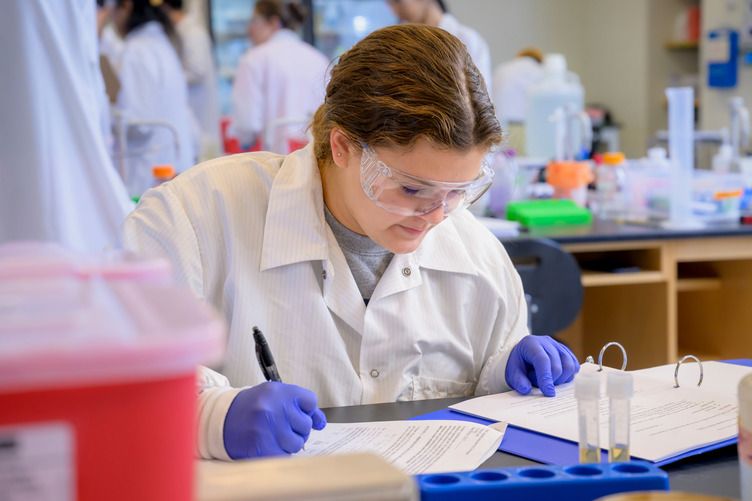
Featured Research
New and innovative research from University of Delaware experts across a wide range of subjects.
University Of Delaware's Research Bureau makes it easy for media, event organizers and collaborators to discover scholarship that informs decisions, advances knowledge and creates impact. Find research expertise ready to guide your next story, event or collaboration.
Connect with Researchers
Tap an expert to learn more, then use the Contact button to reach out.


Latest Research Stories
Fresh discoveries and breakthroughs from across the University of Delaware research community.
Ask the Experts
Quick answers to timely research questions from University of Delaware faculty.
- How are public health students impacted by a weakened public health emergency preparedness system?
CaptionResizeWrap TextRemoveSupport for, and trust in, public health is at a nadir. Recent accomplishments include the rapid development and approval of a safe and effective COVID-19 vaccine, effective mpox response, declines in opioid overdose deaths through harm reduction, and evidence-based public health initiatives addressing root causes of gun violence. Despite these initiatives, which have significantly reduced the population-level impact of injury and illness, perceived missteps in the management of COVID-19, pervasive mis- and disinformation, increasing public distrust, and a lack of financial support have contributed to the deterioration of public health’s ability to respond to disasters and emergencies. The impact of false narratives and disinvestments interrupt the public health workforce pipeline, denying students opportunities to be trained for and participate in public health emergency preparedness activities. In 2003, I began my career as a disaster epidemiologist conducting household interviews for rapid needs assessments being conducted by the US Centers for Disease Control and Prevention (CDC), the N.C. Division of Public Health, and the University of North Carolina following Hurricane Isabel.For more than two decades, I deployed with students in partnership with local, state, and federal public health agencies to respond to disasters and collect data that contributed to both the immediate and long-term mitigation of the negative health impacts of disasters.This work, conducted in communities across the United States, is only possible because of a community’s trust in public health agencies and individuals’ willingness to share their postdisaster needs with our interview teams, which typically include a public health student and a local resident.The collection of perishable data in postdisaster contexts is challenging regardless of circumstance, and alterations have been made over time to ensure better representation of pregnant women, migrant workers, and rural populations in these postdisaster assessments. Yet, these assessments would not be possible at all without trusted connections between governmental agencies, academic public health, and disaster-affected communities.Politicization threatens our ability to respondPoliticization of disaster response and disaster assistance, and the mis- and disinformation that has now become prevalent around it, make it more difficult to collect these data. Following Hurricane Helene, one of my public health students at the University of Delaware worked with the western North Carolina nonprofit Sustaining Essential and Rural Community Healthcare to conduct key informant interviews and a Community Assessment for Public Health Emergency Response community survey. Both officials and residents reported that misinformation took time and attention away from response activities and disinformation led residents to distrust the response and recovery.After the pandemic, we have a dramatically under-resourced public health preparedness and response system, even in the face of more frequent and severe disasters and public health emergencies. These challenges will continue to mount as the Trump administration dismantles not only public health but also science more broadly. If the administration continues with their stated intent to dismantle the National Center for Atmospheric Research, this will further limit our ability to understand the human health impacts of extreme weather and weather-related hazards associated with climate change. This comes after significant damage to other federal agencies, including the CDC, the Environmental Protection Agency, and the Occupational Safety and Health Administration, all of whom monitor and collect data on disasters caused by natural, biological, and technological or industrial hazards and risks.A weakened workforce pipelineWith the rapidly changing landscape, students are learning about “how things used to be,” with an asterisk next to almost all federal disaster and public health policies and legal frameworks noting that the material could be outdated quickly. However, it is important that students are aware of the mechanisms and functionalities that have existed before this most recent political upheaval. For new public health professionals to help build back programs in more sustainable and resilient ways, it is vital that they have a comprehensive understanding of the policies that were dismantled, as well as their strengths and weaknesses. However, limited job opportunities and ongoing uncertainty will steer this generation of public health students away from governmental public health careers, leaving a long-term deficit of expertise.The difference between an emergency and a disaster is that in an emergency, actions can be taken to avoid a disaster, which exceeds the capacity of an impacted community. The Federal Emergency Management Agency’s (FEMA’s) workforce is 20% smaller under the Trump administration, and mitigation grants through the Flood Mitigation Assistance and Building Resiliency Infrastructure and Communities programs have been eliminated. Reducing community capacity to manage social, systemic, and infrastructural risks through disaster risk reduction, mitigation, and anticipatory action will result in emergencies more frequently progressing into disasters. Furthermore, without federal capacity to respond in agencies like FEMA or CDC, the risks that a given emergency will become a disaster also drastically increase simply because of the ways resources are allocated. Students will no longer have the opportunity to participate in fieldwork when there are no federally supported disaster responses or to learn about disaster epidemiology when there is no longer funding for academic programs that teach students public health in complex emergencies and disaster epidemiology concepts. A safety net that is frayed in nondisaster times will simply unravel during a public health emergency.Overall, it is critical for both the current and future public health workforce to continue to work to identify and understand the social drivers of health and the ways in which the current regulatory, technological, and political moment is affecting public health in both the short and long term. Discussing the ongoing stress impacts of the “triple disaster” in Japan in 2011 (i.e., earthquake, tsunami, and nuclear accident at the Fukushima power plant), Adam highlighted the importance of identifying and understanding the impacts of new and unexpected stressors on population health.A call to action Borrowing from this framing, the next generation of public health professionals must now begin to engage in quantifying the public health impacts of these policies to generate the essential evidence base for the future reinvestment in, and reinvigoration of, public health emergency preparedness.Current public health students can begin to actively capture the baseline state of public health, commit to ongoing active surveillance and measurement, and engage with both objective measures of health and self-reported perceptions to track how the human-made and unexpected stressors like artificial intelligence, climate change, and political polarization may affect us.While being “political” has often been seen as a negative for public health officials, now is not the time for public health students to be insular or isolated. Although engaging with the political, legislative, legal, and business sectors as a public health student or professional may feel daunting, public health must now more than ever engage with a variety of new partners and tools for public health practice. We cannot respond to the current attacks on public health in isolation. Businesses must speak up regarding how important a healthy and safe workforce is to their success. Local officials must advocate for the health of their residents and communities.The long-held sovereignty of local public health governance must give way to regional collaborations like the recently announced Northeast Public Health Collaborative, which brings together 10 states and New York City to work together on issues like vaccine policy, public health financing, and public health data collection, management, and analysis.Public health has always had the impetus to protect previous achievements—vaccination, robust surveillance systems, workplace and environmental safety, maternal and child health, reducing health disparities—through monitoring and evaluation, education, regulatory enforcement, and other essential public health services. For public health students, now is the time to find your passion, engage with partners that can support you, and prepare to lead.
- How can job candidates successfully navigate AI-driven interviews?
AI interviews have become common practice in today’s hiring process. Even though a job candidate is talking to a computer and not a person, it’s important for them to treat this process the same as any other interview. Most AI platforms don’t just record answers, they also provide an analysis of interviews including keywords, clarity, depth of examples, confidence, tone, eye contact and facial expressions. While AI does not make the final hiring decision, it will provide a score or summary that recruiters could use to determine if a candidate moves on to the next round. These quick tips can help candidates prepare for these types of interviews.Before you record:• Check equipment to make sure everything is working and the software is updated. • Dress professionally including a jacket if appropriate.• Set up your space with good lighting, a neutral background, and turn off all notifications to avoid distractions.• Prepare as you would for any other interview - review the job description, research the organization, use the STAR method when providing examples.During the recording:• Be sure to look at the camera and not the screen. It might feel awkward but that’s technically where the "eye contact" will be.• Smile and be energetic as some AI software will assess your tone and engagement.• If you stumble, keep going. Your answers don’t have to be perfect but should be authentic.After the recording:• Some platforms will allow you to review your recording before submitting. Use this opportunity to take notes about your body language, pacing and clarity.• Keep track of the questions you were asked as they can help you prepare for similar questions in future interviews.
- Can teacher anxiety impact student anxiety and performance?

In a recent study funded by the Institute of Education Sciences, University of Delaware associate research professor Leigh McLean and her co-authors found a strong connection between teachers’ math and science anxiety and the respective math and science anxiety of their low socioeconomic status (SES) students. When a teacher was more anxious in these content areas, their low-SES students were also more anxious; and, when teachers were less anxious, so were their low-SES students.

Behind the Research
Watch University of Delaware research come to life.
Bird Migration
Food Frontiers
Sergio Cabrera-Cruz, a Fulbright Foreign Student from Mexico, traveled to the University of Delaware to study bird migration as a Ph.D. student with wildlife ecology professor Jeff Buler. Together, they are using the only radar of its kind in the Western Hemisphere to track how birds in flight are affected by streetlights.
Food Frontiers showcases six projects from around the United States that are increasing access to healthy food in varied ways – from a pioneering farm-to-school project to creative supermarket financing to cooking classes in a doctor’s office and a teen-managed grocery store.
Featured Researchers
Meet the faculty pushing the boundaries of their fields.
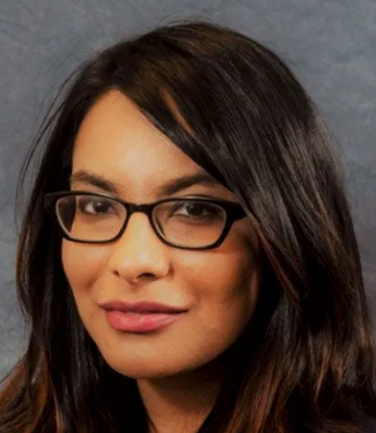
Sambeeta Das
Assistant Professor of Mechanical Engineering Sambeeta Das builds microrobots so small they could get lost inside a single human cell — some no larger than a molecule of glucose. Guided by magnetic fields, her patented technology is designed to deliver medication directly to diseased cells or destroy cancerous ones from within. Her work recently earned a $2 million NIH Maximizing Investigators' Research Award.
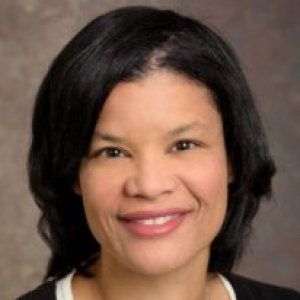
LaShanda Korley
Distinguished Professor LaShanda Korley directs the Center for Plastics Innovation, a Department of Energy-funded research hub reimagining the entire plastics value chain — from how polymers are designed and manufactured to how they're recycled and reused. Her work on sustainable, bio-inspired materials has earned her a place in the College of Fellows of the American Institute for Medical and Biological Engineering.