Lynn Adler
Professor of Biology
Lynn Adler examines the interaction between flowers, pollinators and pathogens.
PollinatorsBeesFloral TraitsPlant-Animal InteractionsEcology and Evolution of Insect-Plant Interactions
Mariana Chilton
Professor of Practice in the School of Public Health & Health Sciences
Mariana Chilton is a nationally recognized expert on food security, human rights, trauma and economic empowerment with families.
Women's RightsHealth EquityFood Security/Food AccessFood Security Hunger
Clem Clay
Director of Extension Agriculture Program
Clem Clay oversees professionals serving the agriculture, forestry, fruit-growing and commercial horticulture industries in Massachusetts.
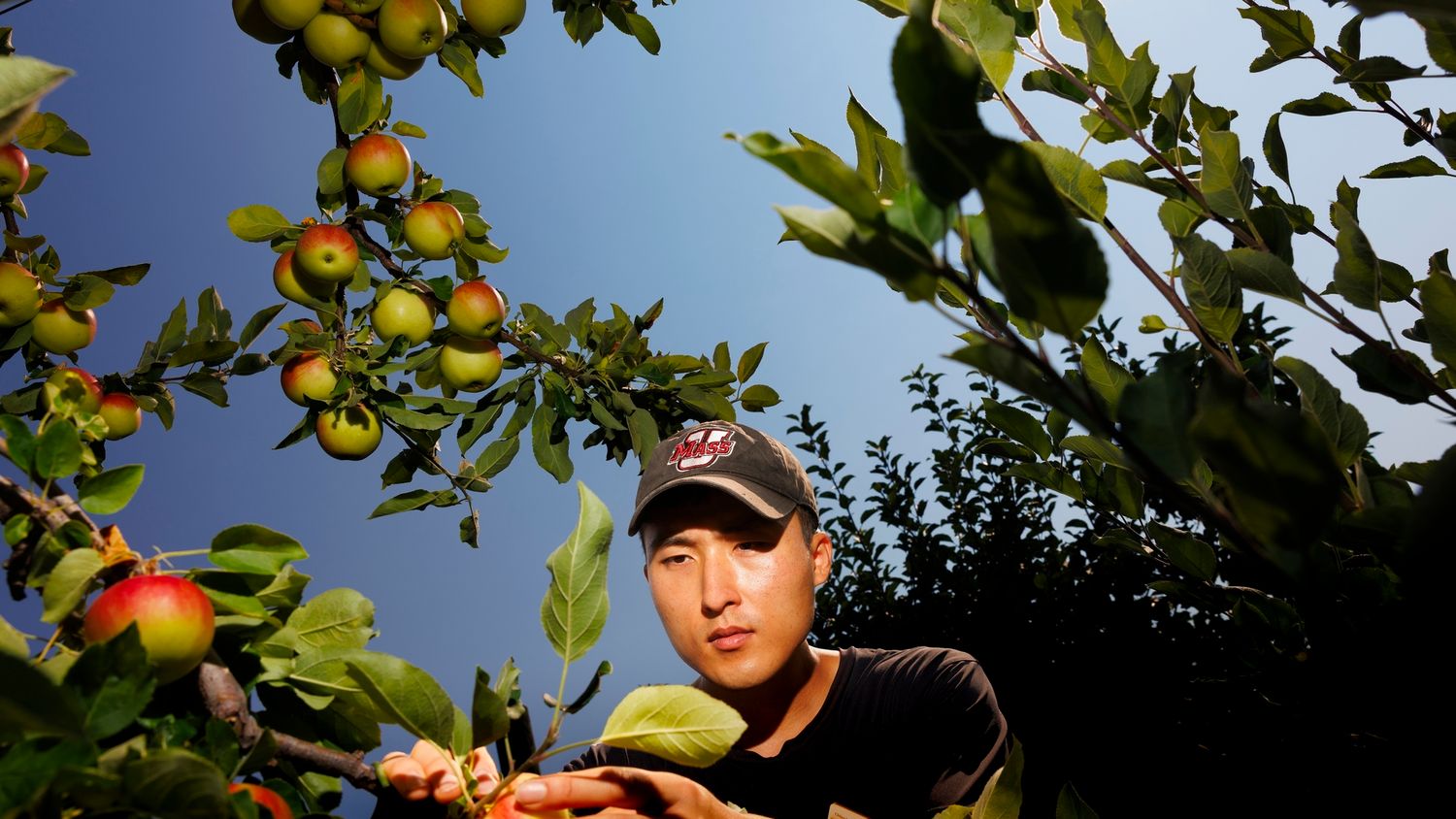
Agriculture ExtensionFarmingSustainabilityEnvironmental PolicyPublic Policy
Eric Decker
Professor of Food Science
Eric Decker's work focuses on lipid oxidation and health implications of bioactive lipids and on preventing oxidation in our food supply.
Food ScienceLipid OxidationOxidation in the Food SupplySeed Oils
David Julian McClements
Distinguished Professor of Food Science
D. Julian McClements is the most highly cited food scientist in the world, known for his leading research on plant-based food.
Ultra-processed foodsPlant-based FoodFood ScienceFood NanotechnologyFood Architecture
Lynne McLandsborough
Professor of Food Science
Lynne McLandsborough's research focuses on food safety including biofilm formation of pathogenic and spoilage organisms in food processing.
Food Safety Biofilm Formation and RemovalCleaning and Safety in the Food Industry
Alissa Nolden
Assistant Professor of Food Science
Alissa Nolden is a sensory scientist whose research focuses on chemosensory perception in humans.
Human Responses to FoodChemosensory Receptor BiologyIndividual DifferencesChemosensory DisordersSensory Evaluation
Isabella Weber
Associate Professor of Economics
Economist Isabella Weber has gained international attention and accolades for her ground-breaking ideas on price controls and inflation.
Price CapsSeller's InflationInflationHistory of Economic Thought
Future of Food
The science, the farms, and the people shaping what the world eats
UMass Amherst launched a $120 million Future of Food initiative to turn research into safer, healthier and more sustainable food, from farm to table. Our food scientists, agricultural specialists, public health researchers and economists work on every link in that chain, and they are available to the media on deadline. This hub puts the experts, the coverage and the story angles in one place so you can get to the right source fast.
Featured Experts
From the lab bench to the farm field to the grocery aisle, these UMass Amherst experts can explain what is changing in our food system and why it matters.


Our experts are available for interviews, background briefings, and breaking news commentary.
Could Western Mass. be to food's future what Boston is to biotech?
The Boston Globe put UMass Amherst's $120 million Future of Food initiative on its cover. The story covers the plan for a 36,000 square foot innovation hub, a new center for the future of food, and why Western Massachusetts could become a food-innovation region the way Boston became a biotech one. The program that anchors it, UMass food science, is the nation's first, founded in 1918.
A Bold New Vision for the Future of Food
Food shapes our health, our cultures, our communities, our economies, and our planet. UMass Amherst’s $120 million Future of Food initiative—a joint commitment from the university, the Commonwealth of Massachusetts, and the Manning Family Foundation—will transform how we understand, produce, and experience food.
Connecting researchers, students, industry, and communities across disciplines, Future of Food will accelerate discovery and turn research into solutions for healthier people, stronger communities, and more sustainable food systems.
Featured Topics
Four story angles tied to the Future of Food initiative, each with the UMass Amherst experts who can speak to it.
Keeping Food Safe from Plant to Plate
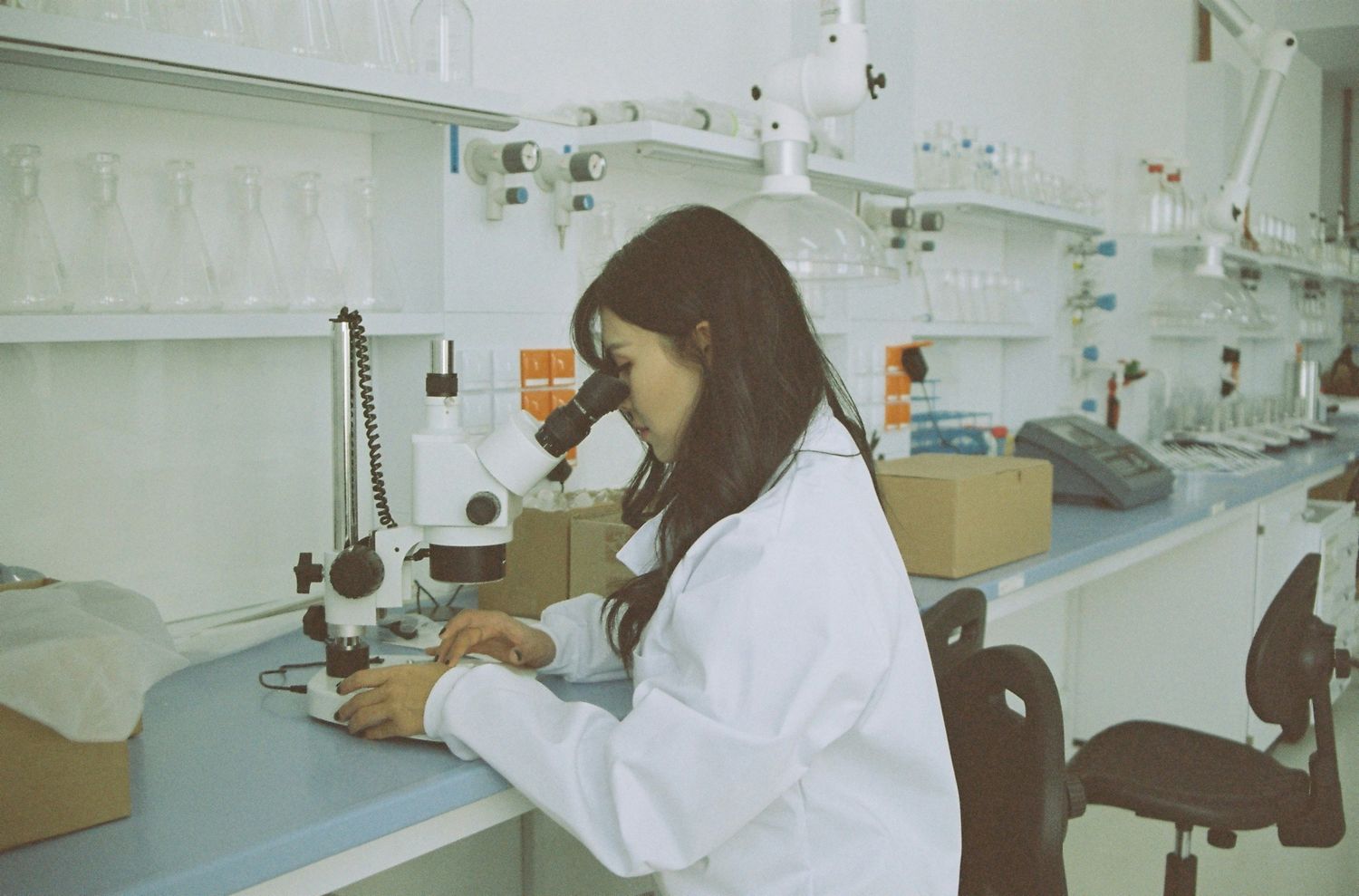
Foodborne illness is rising alongside raw produce consumption, and the plants that make everyday snacks have their own contamination risks. UMass researchers are building faster tests for dangerous bacteria and cleaner ways to sanitize facilities that handle foods like peanut butter and chocolate.
Experts
Lynne McLandsborough: Food microbiologist whose lab developed an award-winning method to sanitize low-moisture food facilities.
Lili He: Food scientist who co-invented BactiSee, a smartphone-based bacteria detection technology.
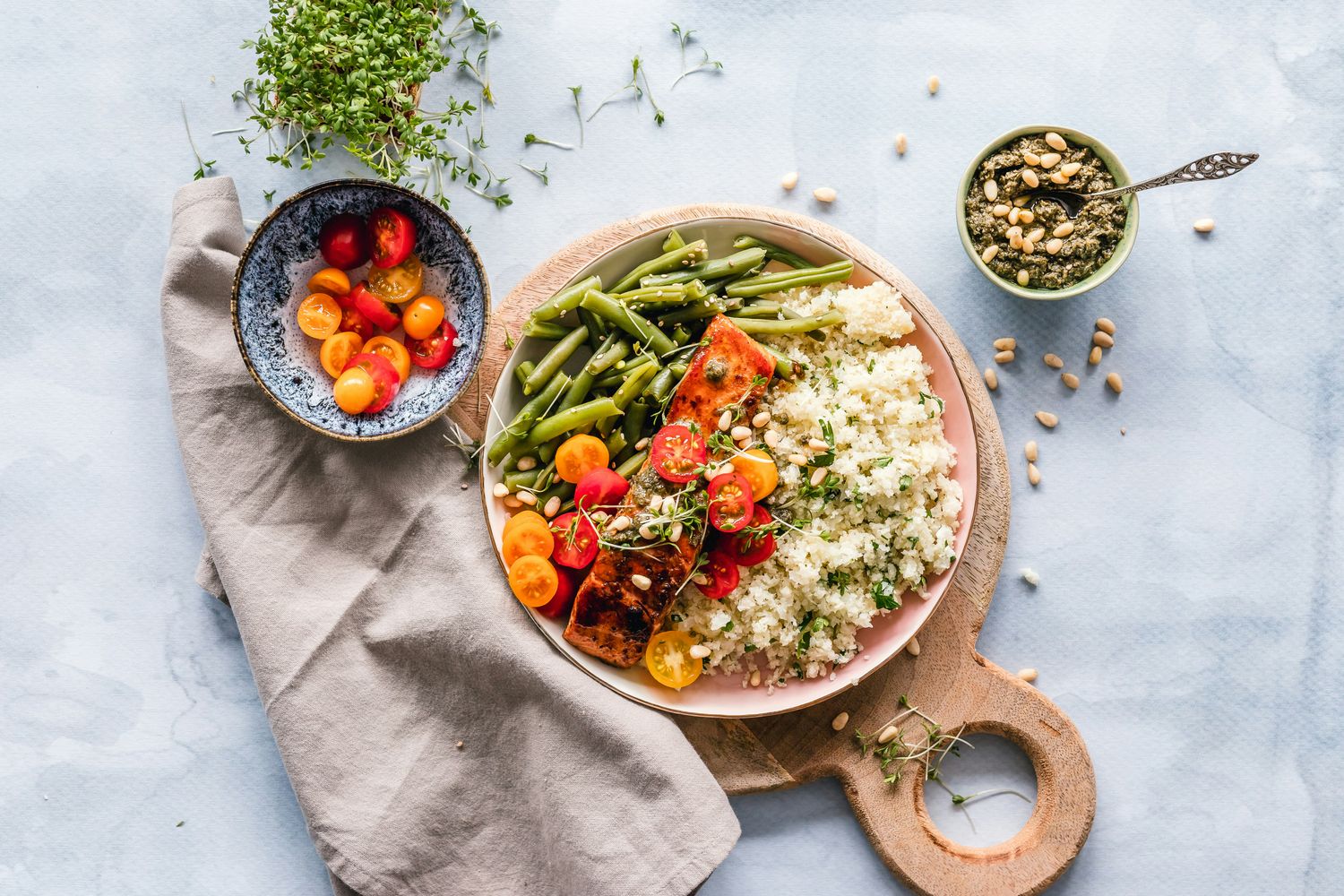
Inside the Science of What We Eat
From plant-based meat to seed oils to ultra-processed foods, the questions consumers ask about food are science questions. These experts can explain what is in our food, how it changes, and what the evidence says about health and taste.
Experts
David Julian McClements: Plant-based foods, ultra-processed foods and food nanotechnology.
Eric Decker: Lipid oxidation, seed oils and how fats break down in the food supply.
Alissa Nolden: Sensory science and why people respond differently to the same food.
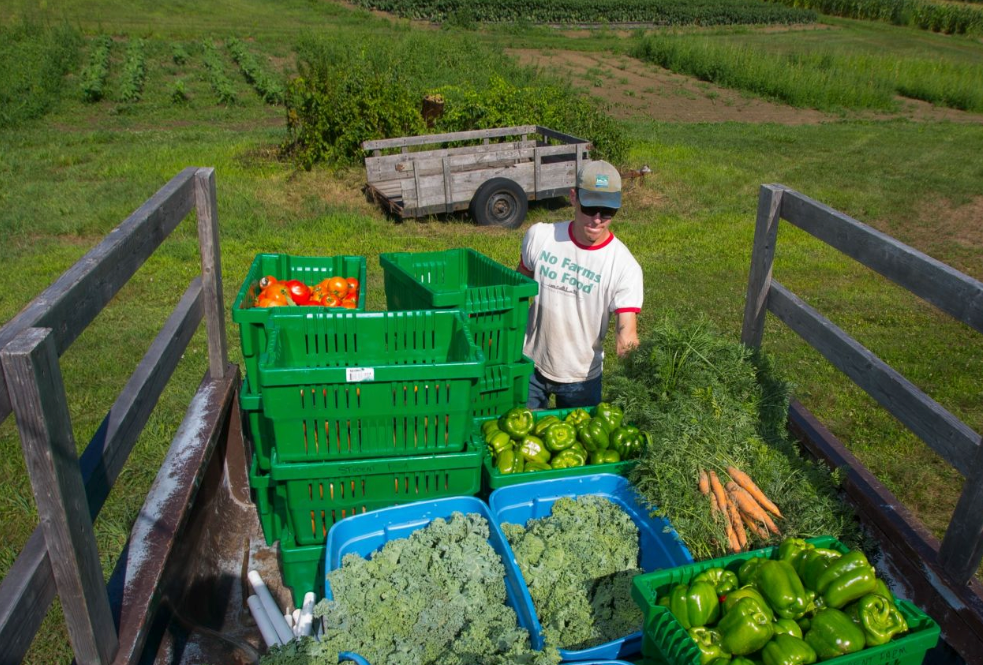
Farms, Land and a Changing Climate
Massachusetts farmers are dealing with floods, soil loss, shifting land use and pressure on pollinators. These experts connect field-level realities to the research and policy that shape how food is grown.
Experts
Clem Clay: Director of Extension Agriculture, on farming, land use and sustainability.
Lynn Adler: Pollinator ecology and the bee health that crops rely on.
Isaac Larsen: Landscape evolution and soil loss.
Katherine Kahl: Director of the Gloucester Marine Station, on the blue economy.
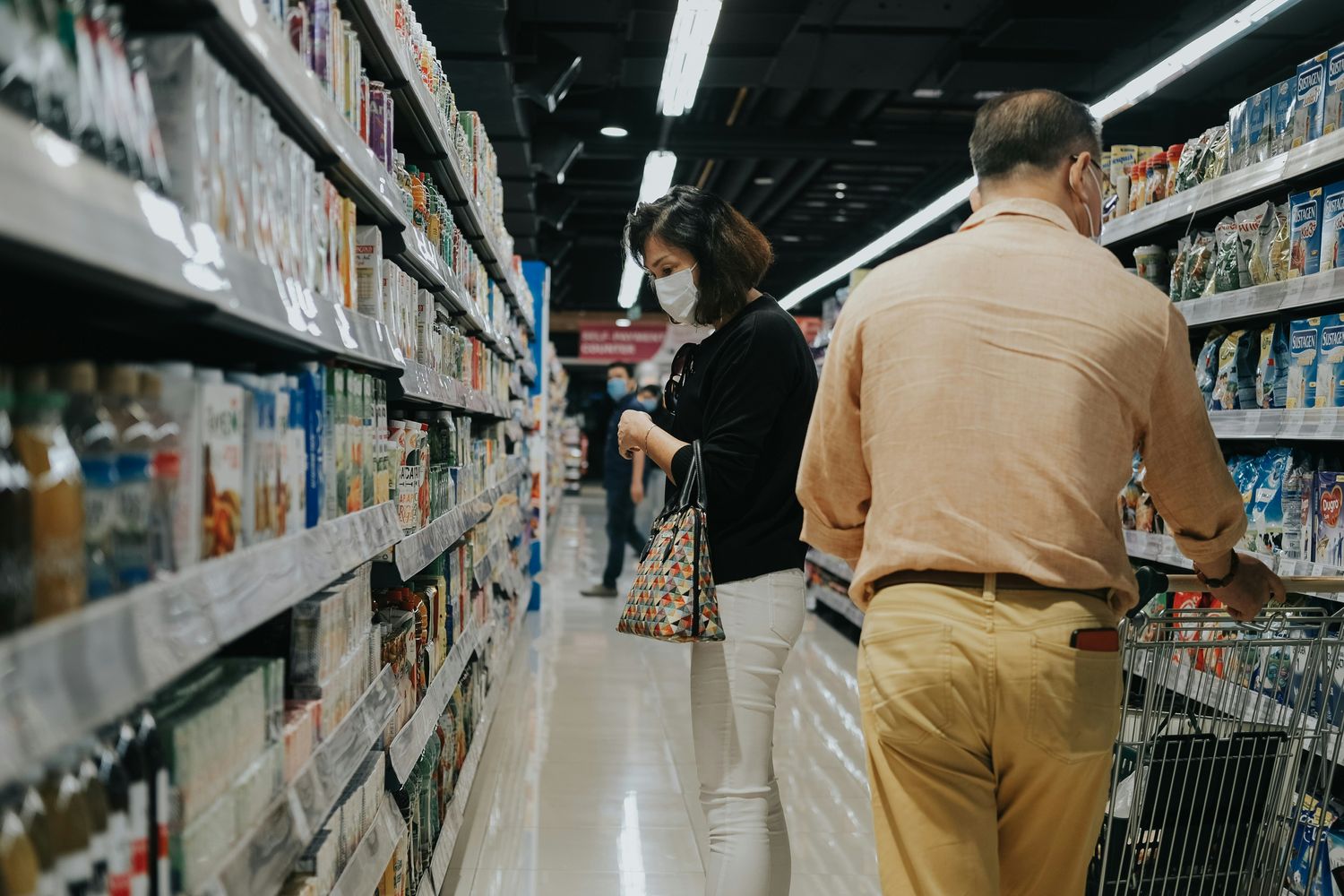
Food Access, Prices and Affordability
A stronger food system only works if people can afford and reach what it produces. These experts study hunger, SNAP, grocery prices and the supply chains that move food to the shelf.
Experts
Mariana Chilton: Hunger, food insecurity and SNAP policy.
Isabella Weber: Inflation, price caps and seller's inflation.
Anna Nagurney: Operations management, for supply chain angles.
Featured Spotlights
Recent expert commentary and research from UMass Amherst on the stories shaping food.
In The News
Recent coverage featuring UMass Amherst's food and agriculture experts.
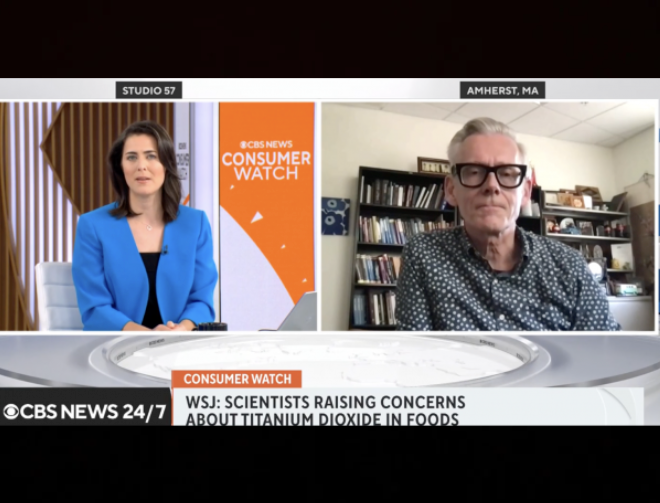
Concerns about titanium dioxide in foods
Slowing recalls: Inside the UMass Amherst Labs working to make your food safer
Titanium dioxide, an ingredient usually found in some sunscreens, is turning up in foods consumed by many Americans, according to a report by the Wall Street Journal. David Julian McClements, a food science professor at the University of Massachusetts Amherst, joins CBS News with more details. Read More.
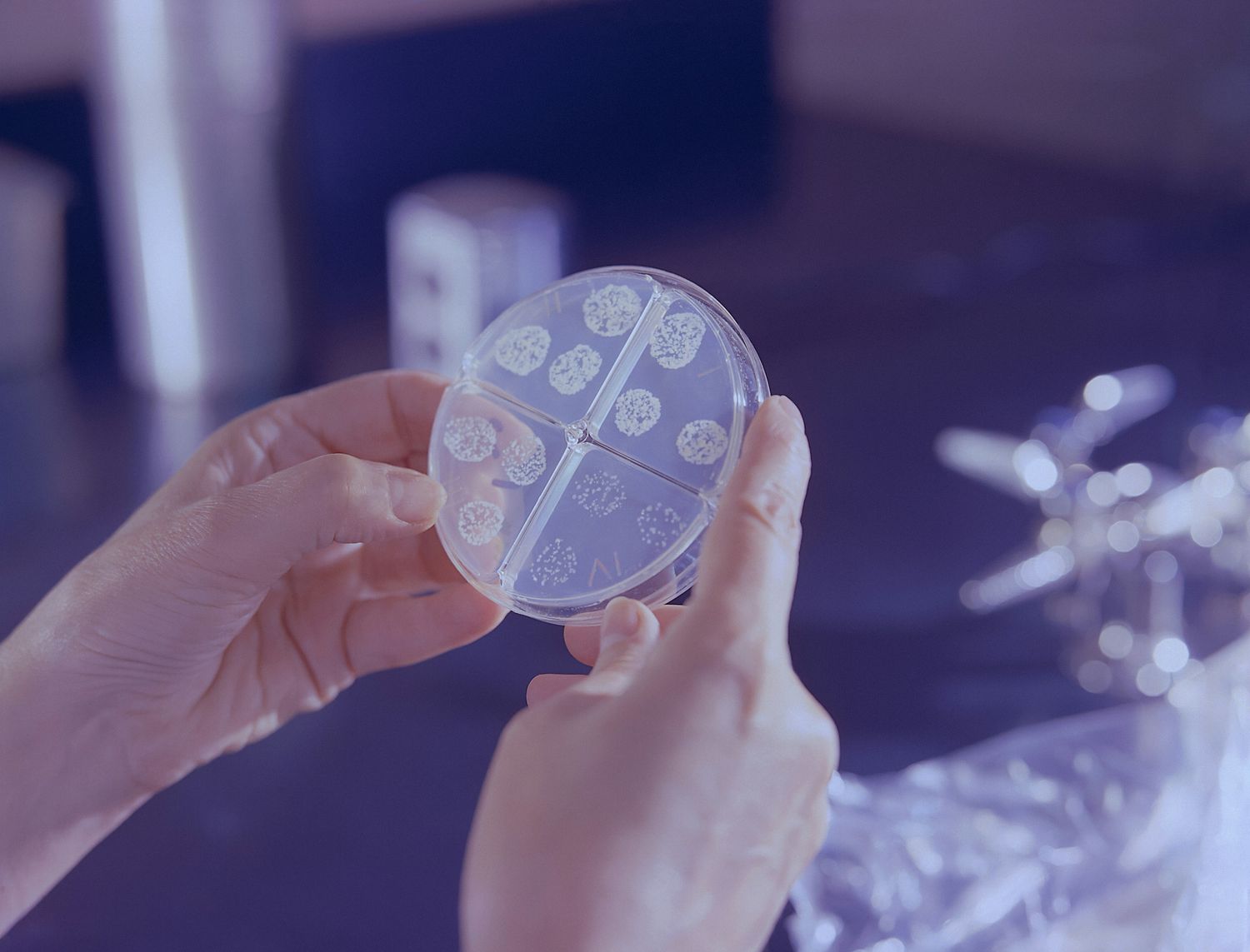
Boston 25′s Catherine Parrotta got an inside look at the work being done at UMass Amherst. The day began with Professor Lynne McLandsborough. She studies salmonella contamination in two foods many of us love: peanut butter, and chocolate. McLandsborough says roasting the peanuts and beans is designed to kill salmonella, and manufacturers routinely test for contamination. Read More.