MEDIA RELEASE: Eglinton Avenue East voted Ontario’s Worst Road

Jun 4, 2019

3 min


The votes are in and the CAA Worst Road for 2019 is Eglinton Avenue East in Toronto.  


Taking the second and third place spots are Riverdale Drive, in the community of Washago (north of Orillia) and Dufferin Street in Toronto.


Toronto’s Eglinton Avenue East is currently undergoing one of the largest transit expansions in North America, which has significantly impacted road conditions during construction.    


Voters cited crumbling pavement, potholes, traffic congestion and poor road signage as the main reasons for concern. With Eglinton Avenue West appearing on the Top 10 list last year, the entirety of this road appears to be of concern.


“While the condition of Eglinton Avenue is of concern to the public, many of the challenges for all road users will hopefully be resolved with the completion of the Eglinton Crosstown project,” says Raymond Chan, government relations, CAA South Central Ontario. “The gridlock and congestion that many motorists are currently experiencing should ease as construction winds down, repairs to the road are made and as more people choose new transit options.”


Two notable changes in the list over the past year are; Duckworth Street in Barrie dropping off the Ontario Top 10 list and Hamilton’s Burlington Street East  dropping from first to sixth place.


“Those campaign success stories are because governments are prioritizing infrastructure through multi-year capital investments,” added Chan. “CAA will continue to advocate for longer-term dedicated infrastructure funding to help municipalities prepare, plan, budget and execute on repair backlogs and capital projects.”


In Ontario, 53 per cent of municipalities saw roads in their community nominated.  Drivers accounted for over three-quarters of the votes cast, while roughly 12 per cent of votes were from cyclists and a further 12 per cent from pedestrians.


The primary reason for selecting their road: 85 per cent cited potholes or crumbling pavement, and 6 per cent chose congestion as their biggest concern.


Ontario’s Top 10 list is verified by the Ontario Road Builders’ Association (ORBA).

“ORBA is pleased to partner with CAA on the 2019 Worst Roads Campaign. Using a technical checklist, ORBA members inspected and verified the condition of the identified roads across Ontario. This effort enabled ORBA and CAA to collect information as to why the road was chosen and to validate the issues raised," said Andrew Hurd, ORBA.


Ontario’s Top 10 Worst Roads for 2019

  1. Eglinton Avenue East, Toronto
  2. Riverdale Drive, Washago
  3. Dufferin Street, Toronto
  4. County Road 49, Prince Edward
  5. Barton Street East, Hamilton
  6. Burlington Street East, Hamilton
  7. Avondale Road, Belleville
  8. Sheppard Avenue East, Toronto
  9. Carnegie Beach Road, Scugog
  10. Bathurst Street, Toronto


Worst Roads by Region

  • Central – Riverdale Drive (Washago)
  • Eastern – County Road 49 (Prince Edward)
  • Halton-Peel-York-Durham – Carnegie Beach Road (Scugog)
  • Niagara – McLeod Road (Niagara Falls)
  • North - Regent Street (Greater Sudbury)
  • South West – Plank Road (Sarnia)
  • Western – Wharncliffe Road South (London)


The CAA Worst Roads campaign is a platform for Ontarians to make roads safer by helping municipal and provincial governments understand what roadway improvements are important to citizens, and where they need to be made.


For the full list of 2019 Worst Roads, please visit caaworstroads.com 


Powered by

You might also like...

Check out some other posts from CAA Club Group

MEDIA RELEASE: Warmer weather doesn’t mean drivers can skip winter prep: CAA shares winter driving tips for Ontario motorists featured image

3 min

MEDIA RELEASE: Warmer weather doesn’t mean drivers can skip winter prep: CAA shares winter driving tips for Ontario motorists

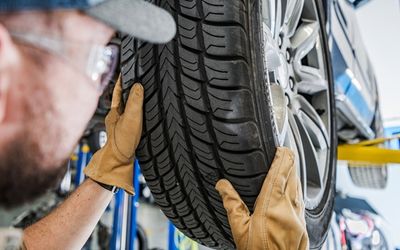
Warmer days may have some Ontario drivers wondering when they really need to prepare their vehicles for winter. CAA South Central Ontario (CAA SCO) says the answer comes down to more than just snowfall. Ontario weather can change quickly during the transition from fall to winter, bringing a mix of rain, sleet, slush, snow and ice. As temperatures fluctuate, CAA SCO is encouraging motorists to prepare before difficult driving conditions arrive. “A warmer day can make winter feel far away, but Ontario drivers know how quickly conditions can change,” says Nadia Matos, Manager of Communications and Content, CAA South Central Ontario. “Winter driving isn’t only about snow. Cold pavement, slush, freezing rain, and ice can all affect how your vehicle responds. Preparing early means you’re ready for the conditions, whatever they may be.” When should drivers put winter tires on in Ontario? CAA SCO recommends installing four matching winter tires when temperatures are consistently around or below 7 C. Cold pavement alone can reduce the performance of all-season tires. In contrast, winter tires are designed for cold conditions, not just snowy roads. Their rubber compound remains flexible as temperatures drop, helping the tires maintain contact with the road and improving traction, stability, and braking. Why changing temperatures matter for drivers Periods of milder weather do not eliminate winter driving hazards. Moisture on the road can freeze as temperatures fall, creating black ice that can be difficult for motorists to see. Drivers should slow down, leave additional following distance, and adjust their driving to road and weather conditions. Depending on speed and weather conditions, winter tires can reduce braking distance by up to 25 per cent, or approximately two vehicle lengths, compared with all-season tires. How to prepare your car for winter driving Winter tires are only one part of getting a vehicle ready for colder weather. CAA SCO recommends that Ontario drivers: Test the battery. Replace a weak battery before it leaves you stranded. CAA SCO will test Members’ batteries free of cost during a service call. Pack an emergency car kit. Include a flashlight, extra batteries, warning devices, first aid supplies, blankets, jumper cables, non-perishable food and water, a phone charger, ice scraper, small shovel and snow brush. Service the vehicle. Have the brakes checked, change the oil as required, and make sure windshield washer fluid and other fluids are topped up. Check windshield wipers, headlights and signal lights. Visibility and lighting becomes especially important during the darker winter months. Keep the gas tank at least half full. At a minimum, keep your tank half full. If you’re ever stuck in an emergency on the road, you’ll be able to run your car for short periods of time to stay warm. “Winter preparation doesn’t have to be complicated,” says Matos. “Check your tires, battery, fluids and lights, and make sure there is an emergency kit in the car. Taking care of those basics now can help you avoid being caught unprepared when the weather changes.” Drivers looking for assistance with winter vehicle maintenance can also consider a CAA Approved Auto Repair Services (AARS) facility.

MEDIA RELEASE: Warmer doesn’t always mean safer: CAA Manitoba urges drivers to prepare for changing winter conditions featured image

3 min

MEDIA RELEASE: Warmer doesn’t always mean safer: CAA Manitoba urges drivers to prepare for changing winter conditions

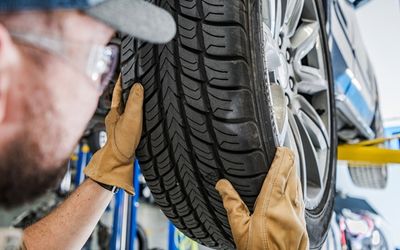
A mild day in November can quickly turn into an icy morning, and CAA Manitoba (CAA MB) is reminding drivers that winter driving preparation is about more than waiting for the first major snowfall. During the transition from fall to winter, Manitoba drivers can encounter rapidly changing conditions, including rain, sleet, slush, snow and ice. CAA Manitoba recommends installing four matching winter tires as temperatures fall because they provide better traction, handling and braking in cold conditions “When we get stretches of warmer weather, it can be tempting to think winter preparation can wait, but Manitoba weather can change quickly,”says Nadia Matos, manager communications and content, CAA Manitoba. “Winter tires aren’t just about driving through deep snow. They’re designed for cold temperatures and changing road conditions, which is why we encourage drivers to prepare before the weather changes, rather than after.” When should drivers put winter tires on in Manitoba? CAA Manitoba recommends motorists install four matching winter tires when temperatures are consistently around or below 7 C. Winter tire rubber is designed to remain flexible as temperatures drop, helping tires maintain contact with the road, including when roads are cold but appear clear. Why changing temperatures matter for drivers Periods of milder weather do not eliminate winter driving hazards. Moisture on the road can freeze as temperatures fall, creating black ice that can be difficult for motorists to see. Drivers should slow down, leave additional following distance and adjust their driving to road and weather conditions. Depending on speed and weather conditions, winter tires can reduce braking distance by up to 25 per cent, or approximately two vehicle lengths, compared with all-season tires. How to prepare your car for winter driving Winter tires are only one part of getting a vehicle ready for colder weather. CAA SCO recommends that Ontario drivers: Test the battery. Replace a weak battery before it leaves you stranded. CAA SCO will test Members’ batteries free of cost during a service call. Pack an emergency car kit. Include a flashlight, extra batteries, warning devices, first aid supplies, blankets, jumper cables, non-perishable food and water, a phone charger, ice scraper, small shovel and snow brush. Service the vehicle. Have the brakes checked, change the oil as required, and make sure windshield washer fluid and other fluids are topped up. Check windshield wipers, headlights and signal lights. Visibility and lighting become especially important during the darker winter months. Keep the gas tank at least half full. At a minimum, keep your tank half full. If you’re ever stuck in an emergency on the road, you’ll be able to run your car for short periods of time to stay warm. “Winter preparation doesn’t have to be complicated,” says Matos. “Check your tires, battery, fluids and lights, and make sure there is an emergency kit in the car. Taking care of those basics now can help you avoid being caught unprepared when the weather changes.” Motorists who need help preparing their vehicle for winter can also consider a CAA Approved Auto Repair Services (AARS) facility for winter maintenance and service.

MEDIA RELEASE: CAA Insurance launches new guide to help Ontarians understand property insurance coverage featured image

2 min

MEDIA RELEASE: CAA Insurance launches new guide to help Ontarians understand property insurance coverage

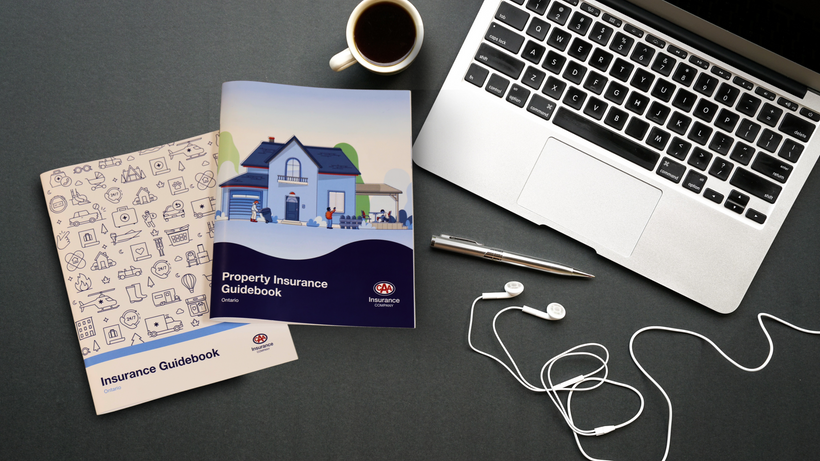
Having property insurance is one thing. Understanding what it covers is another. CAA Insurance Company has released a new Property Insurance Guidebook to help Ontario homeowners, condo owners and renters better understand property insurance, including what different types of coverage mean, questions to ask about their policy and what to consider before making a claim. “Insurance is there to help protect the places and belongings that matter to us, but understanding a policy can sometimes feel overwhelming,” says Elliott Silverstein, Director of Government Relations, CAA Insurance Company. “This guidebook gives Ontarians a practical starting point so they can ask informed questions and have more confident conversations with their insurance agent or broker.” What does property insurance cover? Coverage varies by policy, but common property insurance concepts include dwelling coverage, detached structures, personal belongings or contents, and additional living expenses. The CAA Insurance Property Insurance Guidebook explains these and other common insurance terms in clear, everyday language. What Ontario consumers can learn from the Property Insurance Guidebook The guide provides plain-language information to help consumers understand: Common property insurance terminology Coverage considerations for homeowners, condo owners and renters How replacement value differs from market value How renovations may affect insurance coverage What to consider before a property insurance claim Questions to ask an insurance agent or broker Understanding your property insurance before making a claim Consumers should not wait until they need to make a property insurance claim to learn what their policy covers. Understanding the basics of a policy ahead of time can help consumers identify questions about their coverage and reduce the chance of unexpected surprises. Updated guide helps Ontario drivers navigate auto insurance CAA Insurance has also updated its Auto Insurance Guidebook with information about changes to auto insurance in Ontario. Originally introduced in 2022, the guidebook takes a back-to-basics approach to common auto insurance terms and helps Ontario drivers have more informed conversations about their policies and coverage needs. “Whether someone is protecting their home, condo, apartment or vehicle, they should feel comfortable asking questions about their coverage,” adds Silverstein. “These guides are designed to make insurance information more approachable, so consumers can make informed decisions based on their individual needs.” The guidebooks are educational resources and are not intended to replace the expertise of a licensed insurance agent or broker or provide advice about an individual policy. Consumers with questions about their coverage should speak directly with their insurance representative. Both the Property Insurance Guidebook and Auto Insurance Guidebook are available for download through the CAA Insurance website.

View all posts