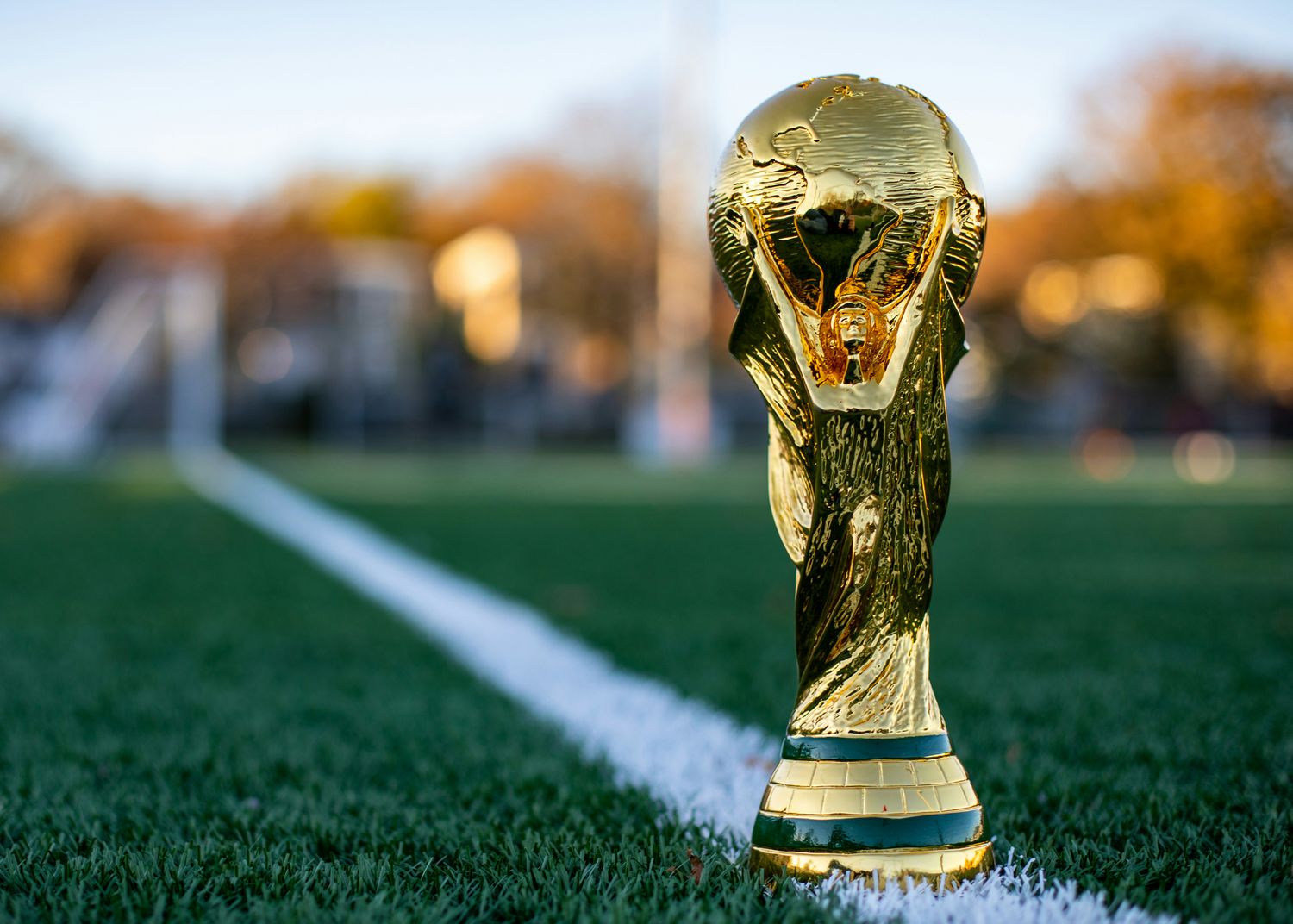
World Cup 2026
Hofstra experts on the science, health, and business behind the tournament.
The 2026 FIFA World Cup comes to the New York metro area, and Hofstra University is ready. From the training room to the boardroom, Hofstra faculty bring research-backed expertise to the stories journalists are chasing this tournament season.
Health and Performance
on the World Stage
Expert insight on what it takes to compete and recover at a World Cup.
Competing at this level means managing the body and the mind across weeks of high-stakes matches with almost no recovery time. Hofstra's health and kinesiology faculty are your sources for the stories behind the performance.
Experts
Jayne Ellinger - Athletic Training
Katie Sell - Exercise Physiology
Anna Len - Physical Therapy
Genevieve Weber - Mental Health
The Cultural Game
Why soccer means what it means and what this World Cup moment represents
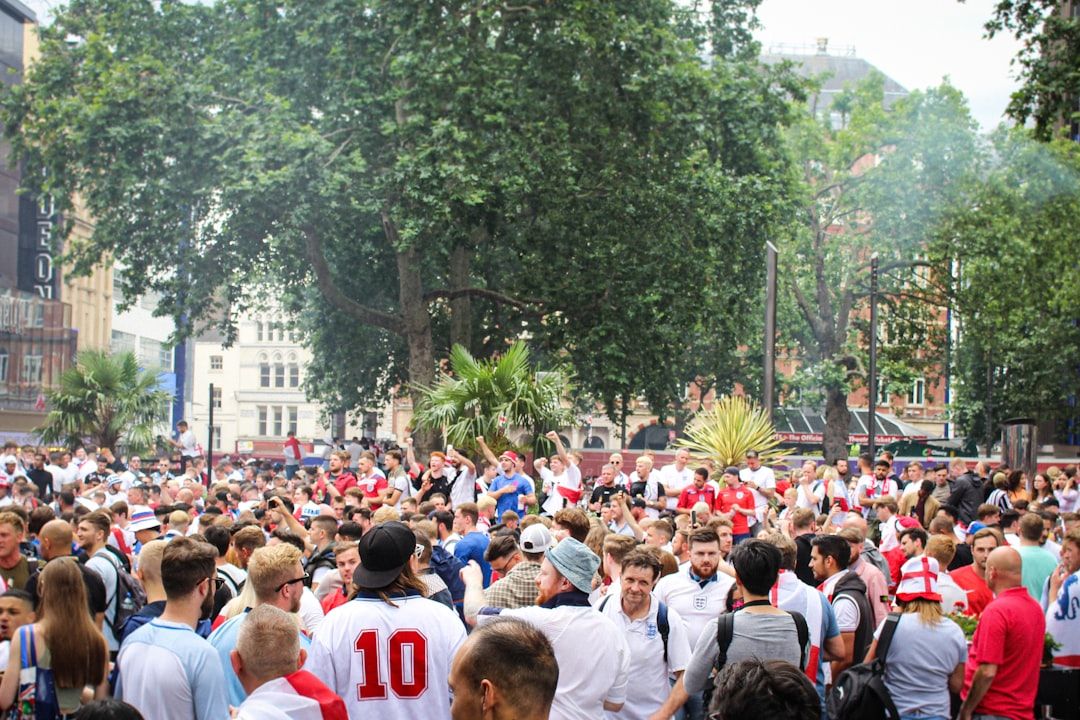
The World Cup has always been about more than the game. Brenda Elsey, Professor of History, studies soccer as a cultural and political force across the Americas -- from grassroots identity to gender and power. She can speak to what this tournament represents as a historical moment, on and off the field.
Expert
Brenda Elsey - History
Beyond the Pitch
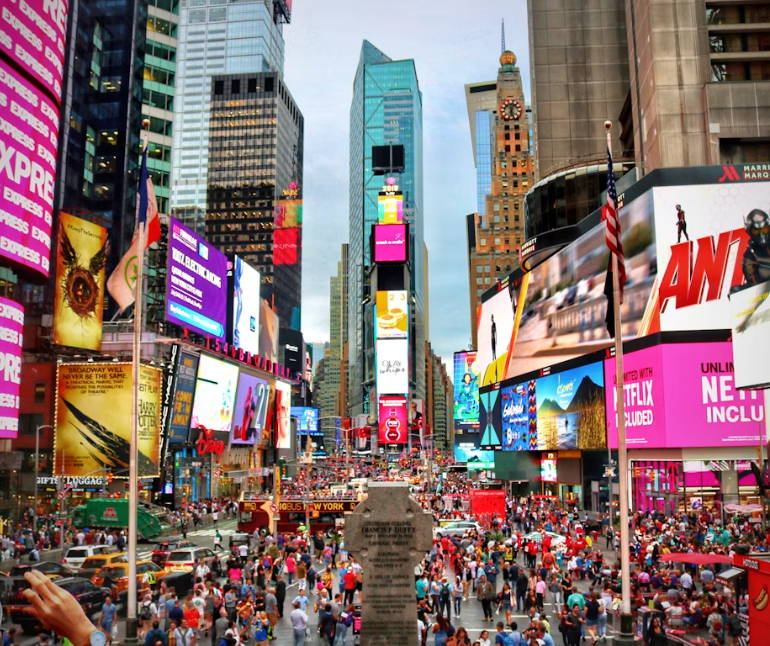
What the World Cup does to cities, economies, and public health systems
From local business impact and tourism economics to disease surveillance and emergency preparedness - Hofstra faculty are ready to talk.
Experts
Andy M. Forman - Marketing & Tourism
Lauren Hindman - Management
Martine Hackett - Population Health
Meshack Achore - Population Health
Connect with Hofstra Experts
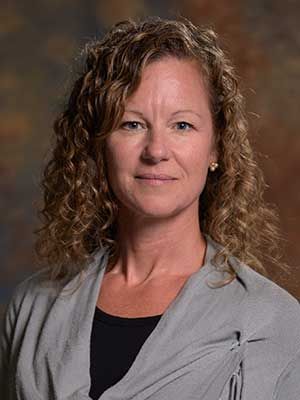
Jayne Ellinger, Associate Professor of Athletic Training.
Can speak to how teams manage recovery across a grueling tournament schedule, the decision-making behind returning an injured player to the field, concussion and heat illness protocols, and injury prevention strategies for elite competition.
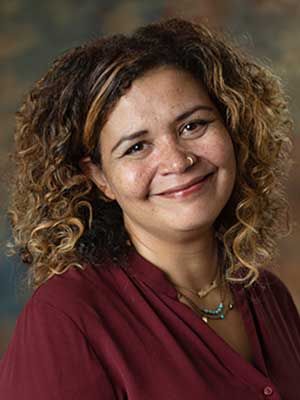
Martine Hackett, Associate Professor of Population Health.
Can speak to the public health implications of hosting a global tournament -- international travel and disease surveillance, how mass gatherings strain health systems, and what emergency preparedness looks like for cities expecting millions of visitors.
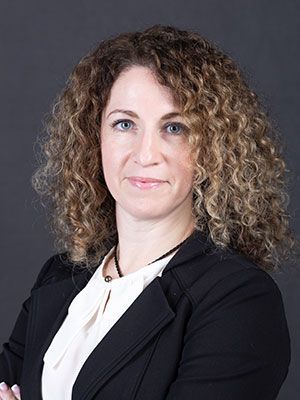
Anna Len, Assistant Professor of Physical Therapy.
Can speak to the rehabilitation science behind common tournament injuries -- ACL tears, ankle sprains, and soft tissue damage -- why recovery timelines vary so widely between athletes, and the long-term physical consequences of repeated injury.
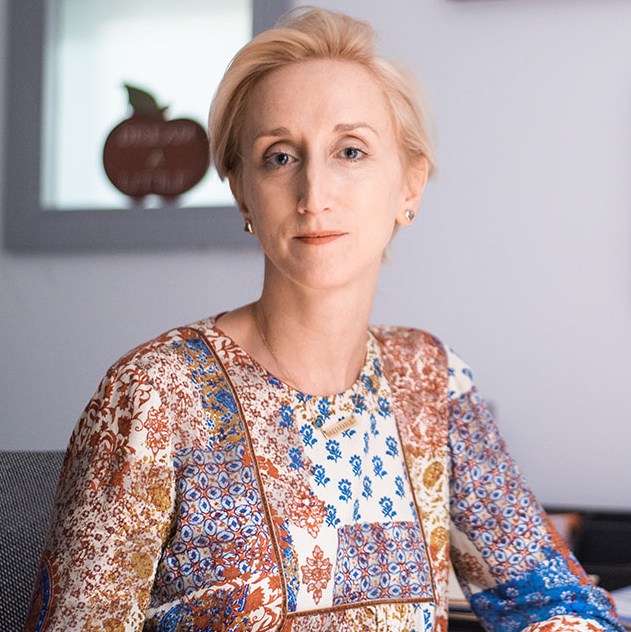
Genevieve Weber, Associate Professor of Counseling and Mental Health.
Can speak to the psychological demands of high-stakes competition -- performance anxiety, the mental preparation that separates elite competitors, how athletes cope with social media scrutiny, and what psychological recovery looks like after a costly mistake on the world stage.

Katie Sell, Professor of Exercise Physiology.
Can speak to how elite athletes prepare physically for a World Cup -- endurance training, hydration, nutrition, sleep, and how performance monitoring technology is changing the way coaches manage fatigue and peak performance.
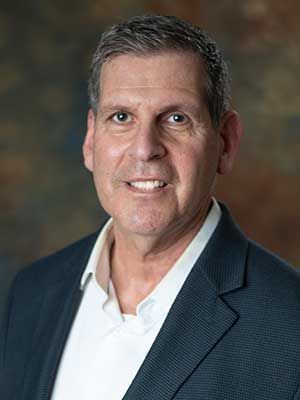
Andrew M. Forman, Associate Professor and Chair, Marketing, International Business and Legal Studies.
Can speak to how the World Cup reshapes the local economy -- what it means for small businesses, restaurants, and hotels in host cities, how ticket pricing and resale markets work, and the long-term tourism legacy for the New York metro region.
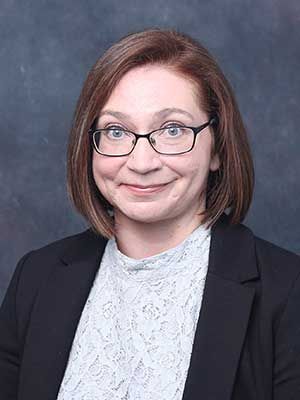
Lauren Hindman, Assistant Professor of Management and Entrepreneurship.
Can speak to the entrepreneurial opportunity a World Cup creates -- how local business owners can capitalize on tournament traffic, what separates businesses that thrive during major events from those that don't, and the short and long-term economic activation strategies available to the region.
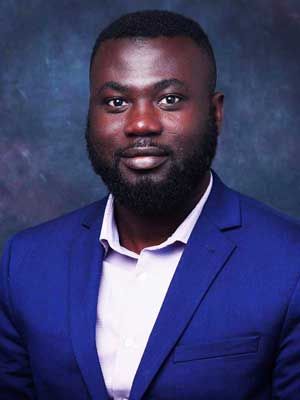
Meshack Achore Assistant Professor of Population Health.
Can speak to global health equity in the context of major sporting events -- disease surveillance across participating nations, health disparities among traveling populations, and public health infrastructure readiness in host cities.
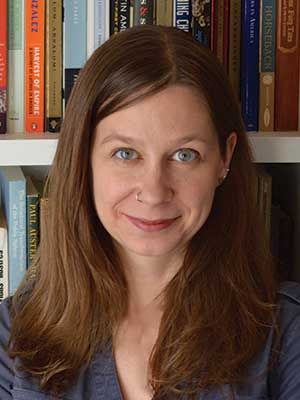
Brenda Elsey, Professor of History.
Can speak to the cultural and political history of soccer in Latin America -- how the sport has shaped identity, gender dynamics, and grassroots movements across the Americas, and what the 2026 World Cup represents as a historical moment.