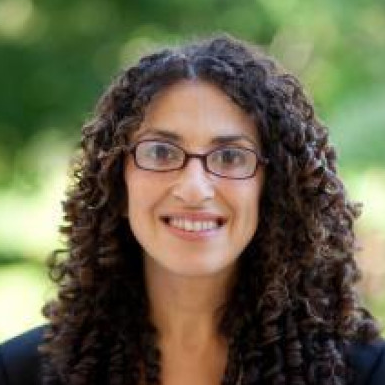
Amel Ahmed
Professor of Political Science
Political scientist specializing in democracy, elections, voting systems and legislative politics.
Democratic studiesComparative PoliticsAmerican Political DevelopmentPolitical InstitutionsResearch Methods
Paul M. Collins, Jr.
Professor of Legal Studies and Political Science / Director of Legal Studies
Paul Collins' research focuses on bias and inequality in the legal system, the selection and work of judges and social movement litigation.
Bias in Judicial AppointmentsJudicial AppointmentsPublic LawInequality in the Legal SystemAmerican Politics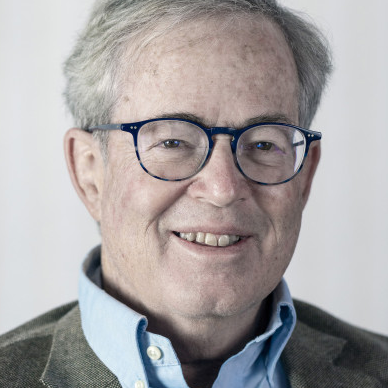
Gerald Epstein
Professor of Economics | Co-Director PERI
Economist specializing in central banking, financial regulation, macroeconomic policy and international finance
MacroeconomicsPolitical EconomyFinancial EconomicsMonetary PolicyEconomic Policy
Rebecca Hamlin
Professor of Legal Studies and Political Science | Director of Legal Studies
Legal studies and political science professor specializing in immigration law, refugee policy and migrant categorization.
Immigration LawRefugee PolicyMigration PoliticsPublic LawComparative Politics
Ray La Raja
Professor of Political Science / Co-Director of UMass Poll
Ray La Raja's research interests include political parties, interest groups, elections, campaign finance and political participation.
Public Policy and OrganizationsElections and PollingPolitical ScienceCampaign FinanceAmerican Politics
David Mednicoff
Professor of Middle Eastern Studies and Public Policy
David Mednicoff is a lawyer and political scientist whose work relates central issues of Middle Eastern politics, law and US foreign policy.
Middle EastArab PoliticsIsraeli PoliticsU.S. Foreign PolicyInternational Law
Tatishe M. Nteta
Provost Professor of Political Science / Director of UMass Poll
Tatishe Nteta's research lies at the intersection of the politics of race and ethnicity, public opinion, and political behavior.
Political PollsAmerican PoliticsPolitics and Political AnalysisRace Culture and EthnicityPolling
Jesse Rhodes
Professor of Political Science and Co-Director of the UMass Poll
Jesse Rhodes is a leading expert in social policy, voting rights, inequality, and political behavior.
PollsPolitical PollingVoting RightsAmerican PoliticsCivil Rights
Alexander Theodoridis
Associate Professor of Political Science / Co-director of UMass Poll
Alex Theodoridis looks at the ways in which citizens interact with the political world in an era of hyper-polarization.
Public Opinion and American PoliticsPolitical BehaviorPollingPublic Opinion and Public Policy
Ethan Zuckerman
Associate Professor of Public Policy, Communication and Information
Ethan Zuckerman's work focuses on building alternatives to the commercial internet and interrogating tech platform power.
Social Media GovernanceTechnology and Social ChangeDigital Public InfrastructureOnline Community GovernanceSocial Media
The 2026 Midterms
The pollsters, scholars and policy experts explaining what is at stake on Nov. 3
With control of Congress at stake on Nov. 3, UMass Amherst scholars from political science, economics, public policy and other disciplines are available to explain how forces like artificial intelligence, affordability and political polarization are shaping the races for the House and Senate. This hub puts the experts, the story angles and the coverage in one place so you can get to the right source fast.
Featured Experts
From polling and voting rights to the economy, AI and the courts, these UMass Amherst experts can explain what is driving the midterms and what comes next.


Our experts are available for interviews, background briefings and analysis before and after Election Day, by phone, email or video conference.
The UMass Amherst Poll
Four of the experts on this page lead the UMass Amherst Poll. Explore its latest data and findings ahead of Election Day.

What Americans are thinking, and why: read the UMass Poll Report on Substack
The UMass Poll’s directors write a Substack that goes beyond the horse race and job approval numbers to explain why Americans hold the views they do. It draws on UMass Poll data and is written by political scientists and survey researchers, including Tatishe Nteta, Raymond La Raja, Jesse Rhodes and Alexander Theodoridis, all featured on this page.
Featured Topics
Six story angles tied to the 2026 midterms, each with the UMass Amherst experts who can speak to it.
Polls, Turnout & Voter Behavior
Control of Congress could come down to who shows up and what voters are thinking. These experts read the polls, explain turnout and unpack how polarization shapes the way Americans vote.
Experts
Tatishe Nteta: Polls leading up to Election Day, turnout, and the participation and opinion of people of color.
Alexander Theodoridis: Political behavior and psychology, hyper-polarization and public opinion polling.
Jesse Rhodes: Public opinion and co-director of the UMass Amherst Poll.
Raymond La Raja: Co-director of the UMass Amherst Poll, with expertise on political parties, elections and polling.

Voting Rights & Election Rules
Who can vote, how they vote and how districts are drawn all shape the outcome. These experts can explain the rules, the fights over them and what they mean for access and electoral integrity.
Experts
Jesse Rhodes: Gerrymandering, voting rights, mail-in voting, voter ID, same-day and automatic registration, and election-related violence and conflict.
Raymond La Raja: Redistricting, election reform and campaign finance.
Amel Ahmed: Voting systems, electoral integrity and voting rights and access.
Congress, the Presidency & the Courts
Will the midterms become a referendum on President Trump, and what could a change in control of Congress mean for the administration’s legislative agenda, oversight and investigations? These experts can put the stakes in context.
Experts
Paul M. Collins Jr.: Executive power, constitutional checks, the Supreme Court and legal challenges around the elections.
Raymond La Raja: Midterm contests, including Massachusetts ballot initiatives and statewide races.
Jesse Rhodes: The history of the American presidency.

Economy & Affordability
Affordability is one of the forces shaping races for the House and Senate. These experts can explain how the economy may influence voters and what the midterms mean for federal spending.
Experts
Gerald Epstein: The economy, inflation and affordability, and federal budgets and spending in the final two years of the Trump presidency.
Anna Nagurney: Tariffs, supply chains and the effects of war on supply chains.

AI, Social Media & Election Legitimacy
AI and social media are changing how voters see candidates and how they judge whether an election is legitimate. These experts can explain how.
Experts
Ethan Zuckerman: How artificial intelligence and social media influence voters and perceptions of candidates and election legitimacy.
Wayne Wu Xu: Disinformation and its role in elections and on social media.
Raymond La Raja: Public opinion on artificial intelligence and data centers, and how the issue is playing with voters and parties heading into the midterms.

Immigration, Refugees & Foreign Policy
Immigration law, refugee politics and U.S. foreign policy are part of the backdrop to this election. These experts can explain the law and the politics behind them.
Experts
Rebecca Hamlin: Law and immigration politics, citizenship, refugees and judicial intervention.
David Mednicoff: Middle Eastern politics and law, U.S. foreign policy and refugee law.
Charli Carpenter: International law, the laws of war and human security.
Featured Spotlights
Recent expert commentary and research from UMass Amherst on the stories shaping the midterms.
In The News
Recent coverage featuring UMass Amherst’s midterm election experts.
Why a growing number of Trump supporters are experiencing voter’s remorse
Trump Defended A.I. Data Centers on Truth Social, and Commenters Clapped Back
UMass Amherst researchers Tatishe Nteta, Jesse Rhodes and Adam Eichen surveyed 1,000 U.S. adults and found 84% of 2024 Trump voters would vote for him again, but moderates, independents, young people and African American voters are wavering. The authors say that could cost Republicans Congress in 2026. Read More.

As A.I. and data centers become a midterm flashpoint, The New York Times turns to UMass Amherst’s Raymond La Raja to explain why Trump’s stance is meeting resistance from his own base. Read More.
