You might also like...
Check out some other posts from ExpertFile
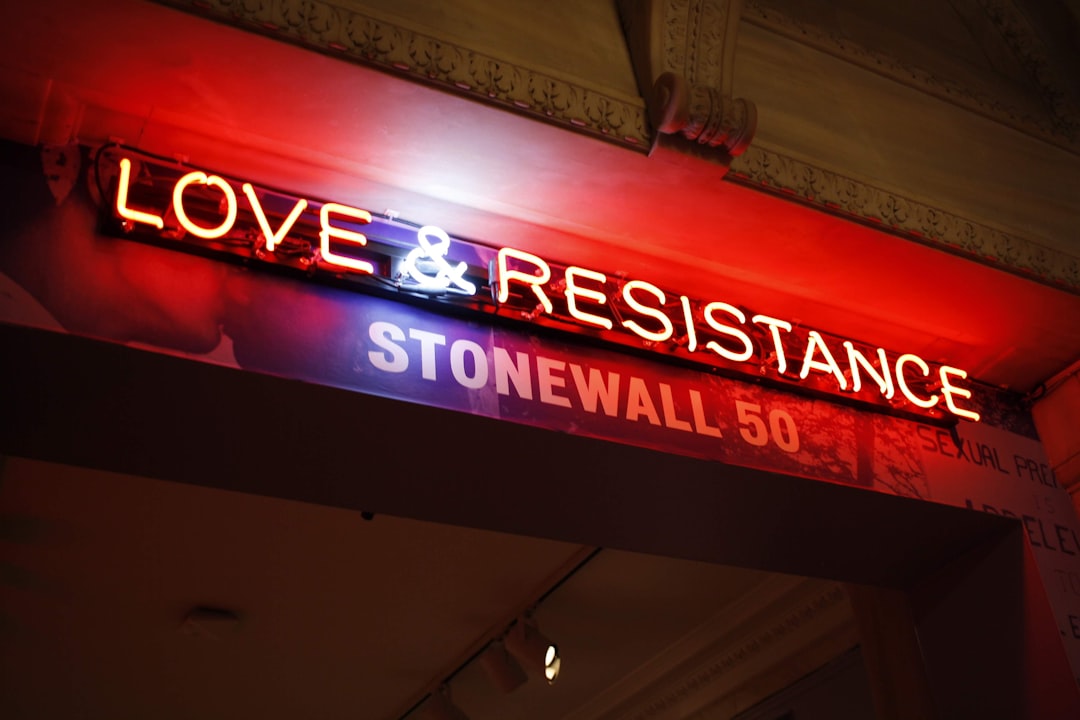
Pride Month is celebrated each June to honour the 1969 Stonewall Uprising in New York City, when LGBTQ+ patrons resisted a police raid at the Stonewall Inn. The uprising lasted several days and became a defining moment in the modern LGBTQ+ rights movement. One year later, the first Pride marches were held, transforming public protest into an annual call for visibility, dignity, safety, and equality.
Today, Pride is marked around the world in many different ways. In Canada, the United States, and much of Europe, celebrations often include parades, festivals, concerts, flag-raisings, community events, and public education campaigns. In places such as Brazil, Mexico, South Africa, Japan, India, and Australia, Pride can blend celebration with activism, reflecting local histories, cultures, and legal realities. In countries where LGBTQ+ rights remain restricted or unsafe, Pride may take the form of smaller gatherings, private events, online campaigns, or human-rights advocacy rather than large public parades.
What makes Pride powerful is that it is both celebration and protest. It recognizes progress, honours those who fought for change, and draws attention to the discrimination, violence, and legal barriers still faced by LGBTQ+ people in many parts of the world. For journalists, Pride Month offers a timely opportunity to explore history, human rights, culture, public policy, youth identity, corporate participation, faith communities, education, health, and the changing meaning of inclusion across borders.
Connect with experts who can speak to the history of Pride, LGBTQ+ rights, identity, culture, and how communities around the world continue to mark this important month.
Discover all of our experts here: www.expertfile.com
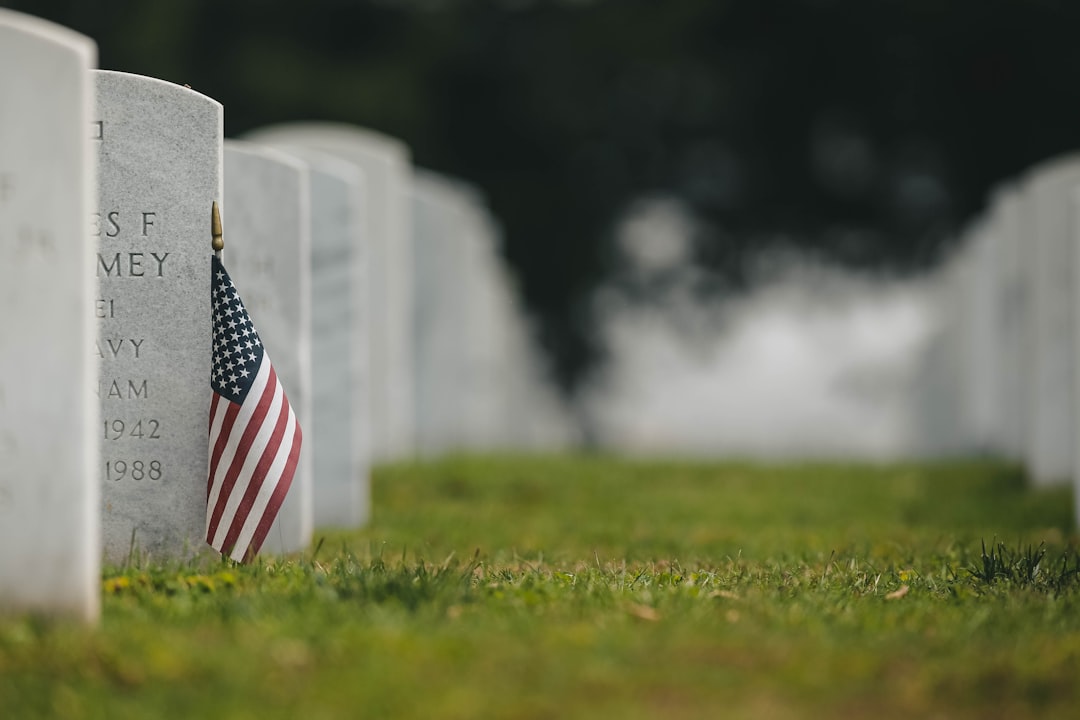
Every year, millions of Americans gather for backyard barbecues, parades, family gatherings, and the unofficial start of summer. But at its heart, Memorial Day is something far deeper - a national day of remembrance dedicated to the men and women who died while serving in the United States Armed Forces.
Originally known as “Decoration Day,” the holiday emerged after the American Civil War, when communities began decorating the graves of fallen soldiers with flowers and flags. Over time, the observance expanded to honour all U.S. military personnel who made the ultimate sacrifice in service to their country. Memorial Day officially became a federal holiday in 1971 and is observed annually on the last Monday in May.
Today, Americans commemorate the day in many ways. Traditional ceremonies include visits to cemeteries and memorials, moments of silence, flag placements on graves, military flyovers, and community parades. The National Moment of Remembrance at 3 p.m. local time encourages citizens across the country to pause and reflect on the cost of freedom and the lives lost defending it.
While celebrations and long weekends have become part of the modern Memorial Day experience, historians and veterans’ advocates often remind people that the holiday’s true significance lies in remembrance, gratitude, and national reflection. It remains one of the most meaningful civic observances in the United States — a day that connects generations through sacrifice, service, and shared history.
Story Angles Journalists May Explore The historical origins of Memorial Day after the Civil War How Memorial Day differs from Veterans Day The evolution of military remembrance traditions in America Why symbols like poppies, flags, and wreaths matter The role of cemeteries, monuments, and memorial sites in preserving national memory How younger generations are reshaping the meaning of patriotic observances Journalists covering Memorial Day, military history, civic traditions, remembrance culture, or the evolving meaning of patriotism may wish to connect with experts in American history, military studies, sociology, or cultural traditions surrounding national remembrance days.
Covering or have questions? Our experts are here to help:
To see all of our experts - simply visit www.expertfile.com
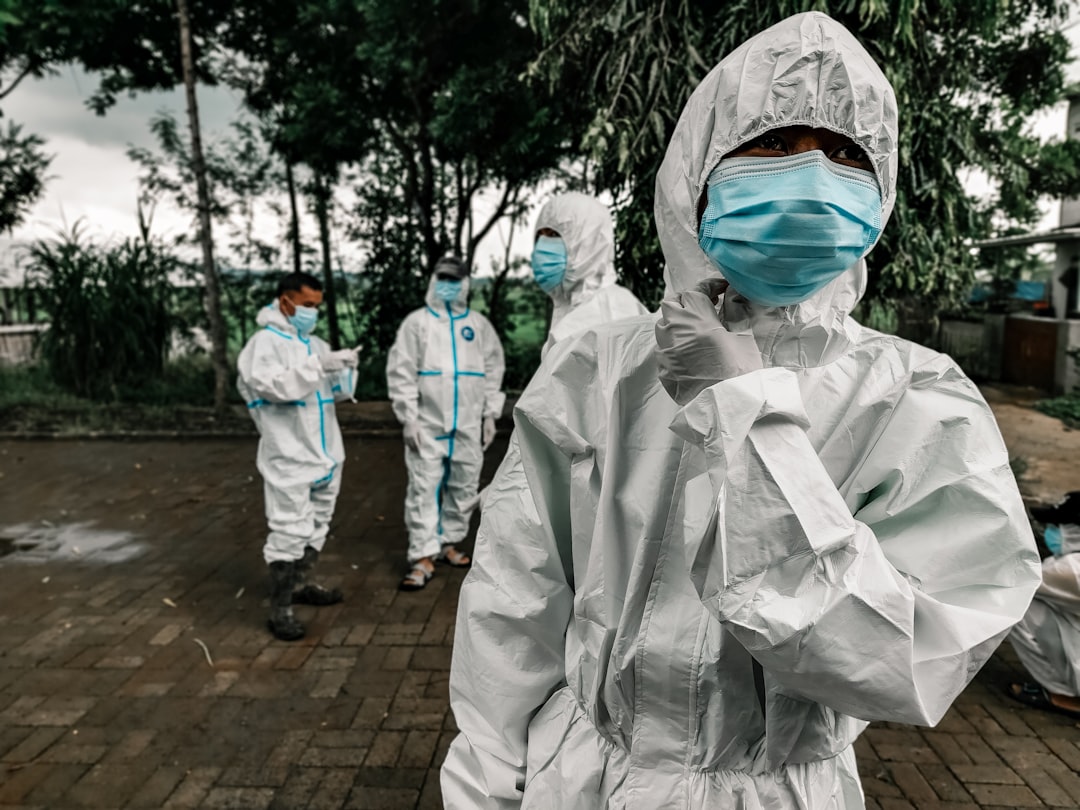
Few diseases in modern history have generated the level of fear associated with Ebola. With graphic symptoms, high mortality rates, and images of overwhelmed treatment centres etched into public memory, Ebola became synonymous with the dangers of global outbreaks long before COVID-19 reshaped how the world thinks about pandemics.
But what exactly is Ebola? Where did it come from? How dangerous is it today? And should the public still be worried?
A Deadly Virus with a Modern Legacy Ebola virus disease was first identified in 1976 during simultaneous outbreaks in what is now the Democratic Republic of the Congo and South Sudan. The virus was named after the nearby Ebola River, and from the beginning it proved exceptionally dangerous, capable of causing severe hemorrhagic fever with fatality rates that have ranged from 25 to 90 percent depending on the outbreak and available medical care.
For decades, Ebola outbreaks were typically isolated to remote regions of Central and West Africa. That changed dramatically in 2014 when the largest Ebola outbreak in recorded history spread through Guinea, Liberia, and Sierra Leone, infecting more than 28,000 people and killing over 11,000. The crisis exposed major weaknesses in global health preparedness and demonstrated how quickly infectious diseases can overwhelm healthcare systems and destabilize economies and communities.
The outbreak also fundamentally changed international public health policy. Governments, hospitals, and health organizations around the world began investing more heavily in infectious disease surveillance, emergency response planning, quarantine procedures, and vaccine development.
What Ebola Actually Does to the Body Ebola begins much like many common viral illnesses, which can make early detection difficult.
Initial symptoms often include:
Sudden fever Severe fatigue Muscle pain Headache Sore throat As the disease progresses, patients may develop:
Vomiting and diarrhea Rash Liver and kidney impairment Internal and external bleeding Multi-organ failure The virus attacks the immune system and damages blood vessels and organs, often leading to shock and death in severe cases. Patients who survive can still face long-term complications including joint pain, neurological problems, eye disorders, and ongoing fatigue months or even years later.
How Ebola Spreads - And How It Does Not
One of the most important public health facts about Ebola is that it does not spread through the air like influenza or COVID-19.
Transmission occurs through direct contact with:
Blood or bodily fluids of infected individuals Contaminated needles or medical equipment Infected animals Surfaces contaminated with infectious fluids This means Ebola is highly contagious in healthcare settings and among close family caregivers without proper protective equipment, but far less transmissible in casual public settings than many people assume.
Funeral practices involving direct contact with deceased individuals have also historically contributed to outbreaks in some regions, making culturally sensitive public health education critically important during containment efforts.
Treatments and Vaccines Have Changed the Outlook For years, Ebola was viewed almost as a death sentence. That perception has begun to change.
Major advances in medicine and outbreak response have significantly improved survival rates, including:
Rapid testing and surveillance systems Specialized isolation units Improved supportive care and hydration Monoclonal antibody treatments Effective vaccines for certain Ebola strains The development of the rVSV-ZEBOV vaccine represented a major breakthrough and has helped contain several recent outbreaks before they expanded into international crises.
Global health organizations are now far better equipped to identify and isolate cases quickly compared to the early years of Ebola response.
Should the Public Be Worried? Ebola remains a serious and deadly disease, but experts generally emphasize that widespread public panic is not warranted.
Most outbreaks remain geographically limited and are aggressively monitored by national governments, the World Health Organization, and international health agencies. Countries with advanced healthcare systems also have far stronger infection prevention and containment capabilities than existed during earlier outbreaks.
Still, Ebola continues to command attention because it highlights how interconnected global health has become. International travel, fragile healthcare systems, political instability, climate pressures, and human interaction with wildlife all increase the risk of future outbreaks of emerging infectious diseases.
In many ways, Ebola serves as both a warning and a lesson: deadly viruses can emerge unexpectedly, but rapid science, coordinated public health measures, and global cooperation can dramatically reduce their impact.
The world’s experience with Ebola helped shape many of the outbreak response systems now used to confront emerging diseases today, and public health experts continue to view it as one of the clearest examples of why pandemic preparedness remains essential.
Connect with an expert: