You might also like...
Check out some other posts from ExpertFile
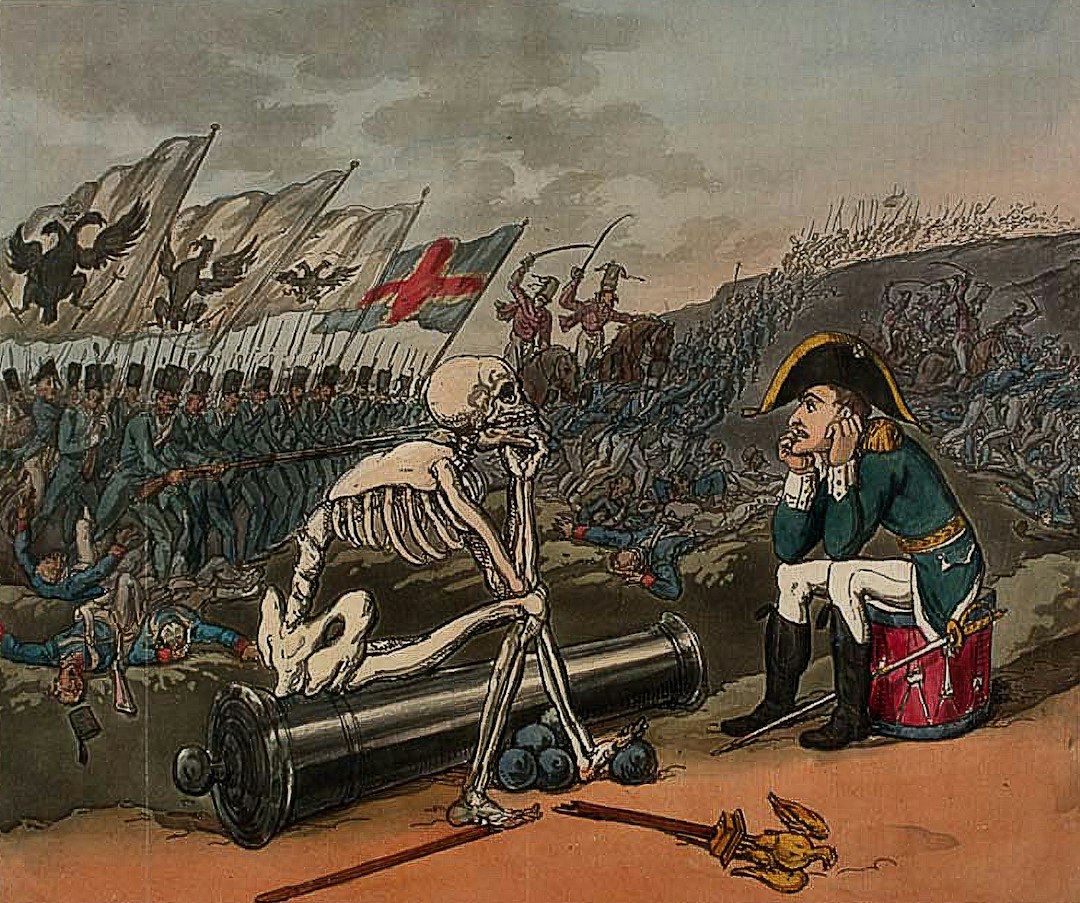
Few diseases carry the historical weight of plague.
Caused by the bacterium Yersinia pestis, plague has been responsible for some of the deadliest disease outbreaks in recorded history. The most infamous was the Black Death of the 14th century, which swept through Europe, the Middle East and North Africa and killed tens of millions of people. The World Health Organization estimates that more than 50 million people died in Europe alone.
But plague is not simply a disease of the past.
The bacterium continues to circulate naturally among wild rodents and their fleas in parts of the world, and human cases still occur. The World Health Organization reports that most cases recorded between 2019 and 2025 occurred in the Democratic Republic of the Congo and Madagascar.
What Is Pneumonic Plague? There are three primary forms of plague: bubonic, septicemic and pneumonic.
Bubonic plague - historically the best-known form - usually develops following the bite of an infected flea and is characterized by painful, swollen lymph nodes known as “buboes.”
Pneumonic plague occurs when Yersinia pestis infects the lungs. It can develop when untreated bubonic or septicemic plague spreads to the lungs, or when someone inhales infectious respiratory particles from a person or animal with pneumonic plague.
That distinction is important: pneumonic plague is the only form of plague that can spread directly from person to person through respiratory particles.
What Are the Symptoms? Pneumonic plague can progress remarkably quickly.
According to the CDC, symptoms include fever, headache and weakness followed by rapidly developing pneumonia. Patients can experience shortness of breath, chest pain and coughing, sometimes producing bloody or watery mucus. Symptoms following inhalation can begin as soon as one day after exposure.
Without treatment, pneumonic plague is extremely dangerous. The World Health Organization describes untreated pneumonic plague as invariably fatal, making rapid recognition and medical intervention critical.
From Medieval Killer to Treatable Disease What separates plague today from the disease that devastated populations centuries ago is modern medicine.
Plague is a bacterial infection and can be successfully treated with antibiotics. The CDC recommends beginning treatment as soon as plague is suspected rather than waiting for laboratory confirmation. Depending on the severity of the illness, treatment can involve intravenous or oral antibiotics, with gentamicin and fluoroquinolones among the first-line treatments used in the United States.
Early detection matters enormously. Modern antibiotics, infection-control practices, surveillance and public-health responses mean that a disease once capable of devastating entire communities can now be identified, contained and treated.
Yet its persistence also offers an important reminder: diseases that profoundly shaped human history do not necessarily disappear.
Plague remains present in animal populations, continues to cause human infections and provides researchers with a remarkable window into the relationship between infectious disease, human behaviour, public health and even human evolution.
Experts in infectious diseases, epidemiology, public health, microbiology, global health, medicine and the history of disease can help provide perspective on pneumonic plague, how it spreads, the risks it poses and what centuries of experience with plague can teach us about preventing and responding to outbreaks today.
Connect with our experts today: View all of your experts here at www.expertfile.com
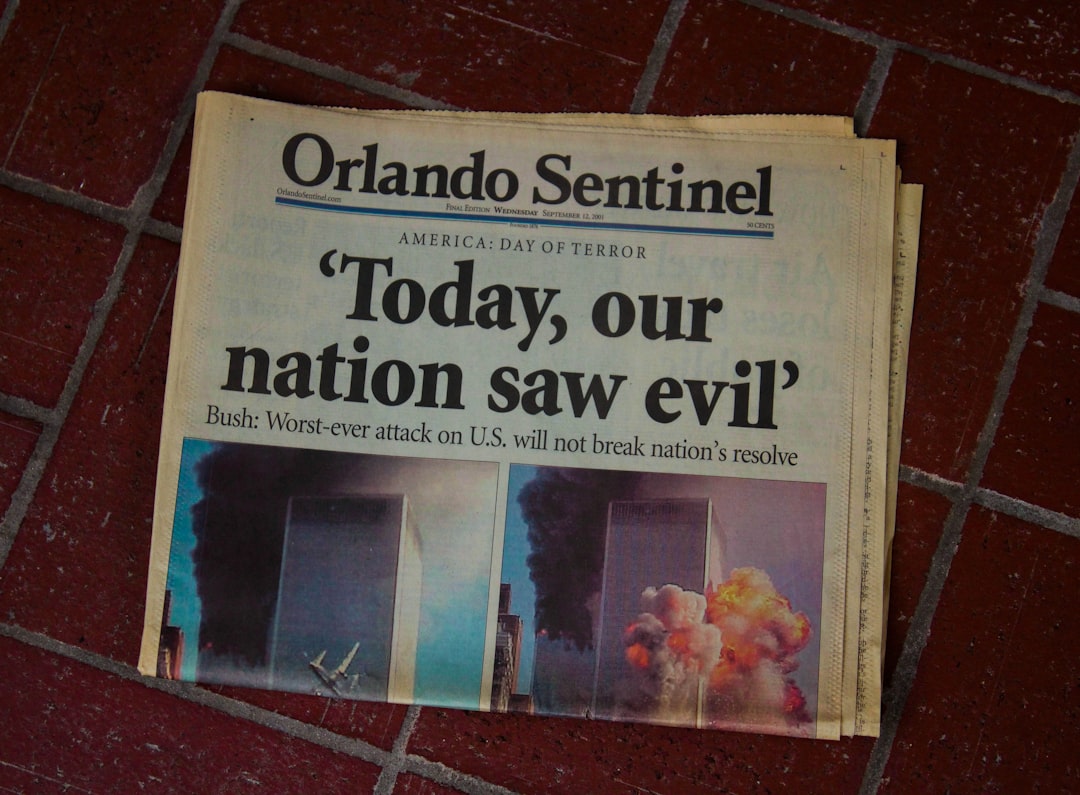
On September 11, 2001, the world watched as nearly 3,000 people were killed in terrorist attacks that would become one of the defining moments of the 21st century.
Twenty-five years later, 9/11 remains much more than a moment in history. Its consequences continue to shape the world we live in.
The attacks transformed national security and intelligence, changed how people travel, reshaped airport and border security, and ushered in a new era of surveillance and counterterrorism. They also profoundly influenced American foreign policy, leading to wars in Afghanistan and Iraq and decades of debate about security, military intervention and America's role in the world.
The effects were cultural as well as political. September 11 changed how a generation viewed safety, terrorism and global conflict. It also sparked difficult conversations about civil liberties, immigration, religious tolerance and the balance between individual freedoms and collective security.
For younger generations, 9/11 is increasingly an event learned about rather than remembered. For millions of others, memories of where they were and what they saw that day remain remarkably vivid.
A quarter-century later, the anniversary offers an opportunity to remember those who were lost, recognize the first responders and countless others affected by the attacks, and examine how the decisions made in their aftermath continue to influence our world.
Experts in history, political science, international relations, national security, terrorism, public policy and sociology can help provide perspective on September 11, its legacy and how the world has changed 25 years later.
Connect with our experts today: View all of your experts here at www.expertfile.com
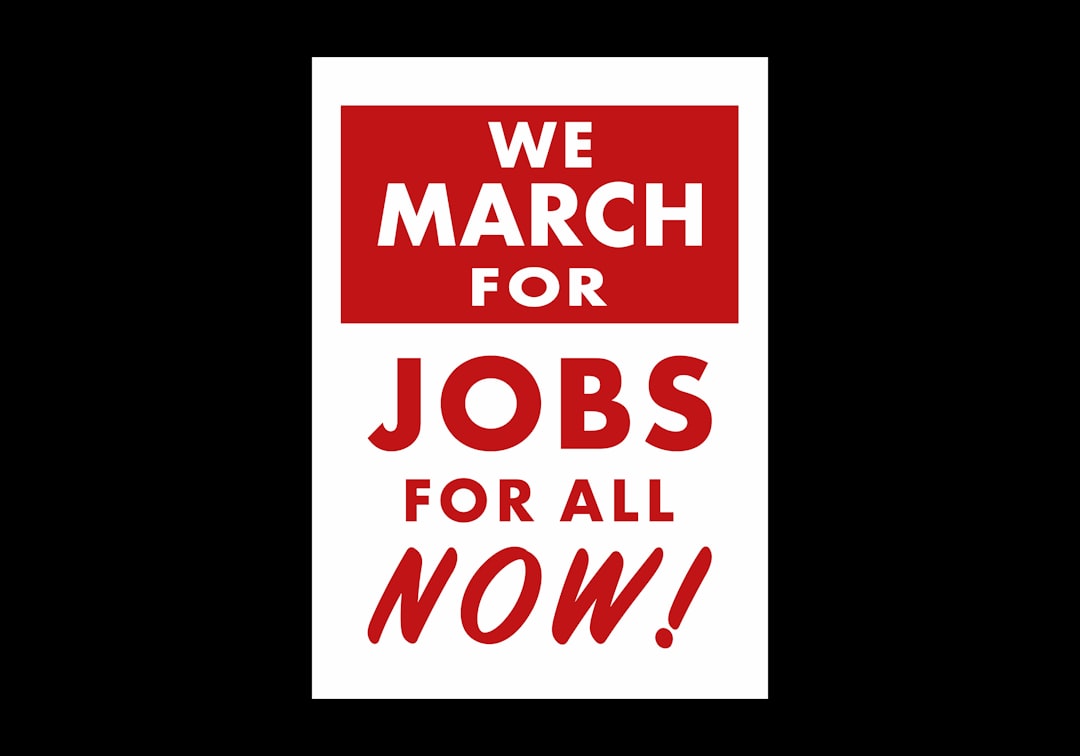
For millions of Americans, Labor Day means the unofficial end of summer , a final long weekend before schools are back in full swing and the fall routine takes over.
But behind the barbecues, travel and end-of-summer sales is a holiday rooted in the history of American workers and the transformation of the workplace.
Observed on the first Monday in September, Labor Day recognizes the social and economic achievements of American workers. Its origins date to the labor movement of the late 19th century, with the first Labor Day celebration held in New York City on September 5, 1882. In 1894, it became a federal holiday.
More than 130 years later, Labor Day remains an opportunity to look at the role work plays in American life, particularly at a time when the workplace itself is undergoing enormous change.
Artificial intelligence and automation are reshaping jobs and industries. Remote and hybrid work have changed where and how millions of people work. Employers continue to navigate workforce shortages, recruitment and retention, while workers are reconsidering expectations around compensation, flexibility, benefits and work-life balance.
Labor Day can also open the door to broader conversations about the American labor movement, organized labor, workplace protections, wages and the economic contribution of workers.
For journalists, that makes the holiday much more than a date on the calendar. It's a timely opportunity to explore both how work in America has changed and where it is heading next.
Experts across economics, business, labor relations, history, human resources, public policy and emerging technology can provide valuable perspective on Labor Day and the changing American workplace.
Journalists covering Labor Day and looking for expert perspective on the history of the holiday, labor and employment, workplace trends, organized labor, artificial intelligence and the future of work can connect with experts directly through ExpertFile profiles below: