
Doug Coulson
Associate Professor of English
250th Anniversary, Pre-Modern Studies, Professional Writing, Rhetoric, How legal language shapes justice, identity, and power
Justice and RightsLegal LanguageRhetoricProfessional WritingPre-Modern Studies
Edda L. Fields-Black
Professor of History and Director of The Humanities Center
Dr. Fields-Black is a specialist in the trans-national of West African farmers and enslaved laborers on rice plantations.
Higher EducationSlave TradeHistoryAfrican HistoryRice Farmers
Sam Lemley
Curator of Special Collections Director of the Posner Center for Special Collections
Sam Lemley studies the history of the book, analytical bibliography, the history of science and technology, and rare book librarianship.
BibliographyThe History of Science & TechnologyThe History of the BookRare Books
America at 250
America's 250th anniversary isn't just a celebration. It's a moment to ask harder questions about who we are, how we got here, and where we're going. CMU historians, legal scholars, and archivists are ready to help journalists and researchers tell the full story.
On July 4, 2026, the United States turns 250. It's one of the most covered milestones in a generation, and journalists are approaching it from every angle -- founding documents and constitutional rights, untold stories of the people who shaped the nation, the evolution of democracy, and the movements that pushed America closer to its own ideals.
Connect with CMU
Meet Our America at 250 Experts
Carnegie Mellon University faculty are ready to be part of that conversation. From a rare 1792 printing of the Bill of Rights held right on campus to original scholarship on slavery, suffrage, and the rhetoric of the Supreme Court, CMU's historians, legal scholars, and archivists bring depth and range to the stories journalists are already working on.

*Each of these experts is available for interviews, background briefings, and breaking news commentary.
What CMU Experts Can Help You Cover
From founding documents to untold histories, CMU experts can speak to the full range of America at 250 coverage.
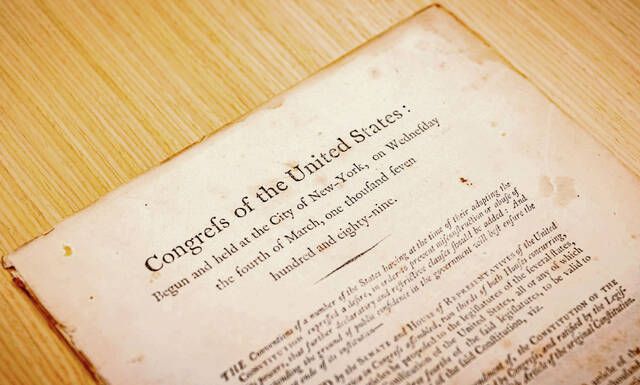
The Document in the Archive
One of only five known copies of the 1792 Bill of Rights is held at Carnegie Mellon University. As America marks its 250th anniversary, this rare artifact is on public display -- and the story behind it connects directly to debates about rights, citizenship, and constitutional interpretation that are as live today as they were in the founding era.
Expert:
Sam Lemley -- rare books and manuscripts, founding documents, Special Collections
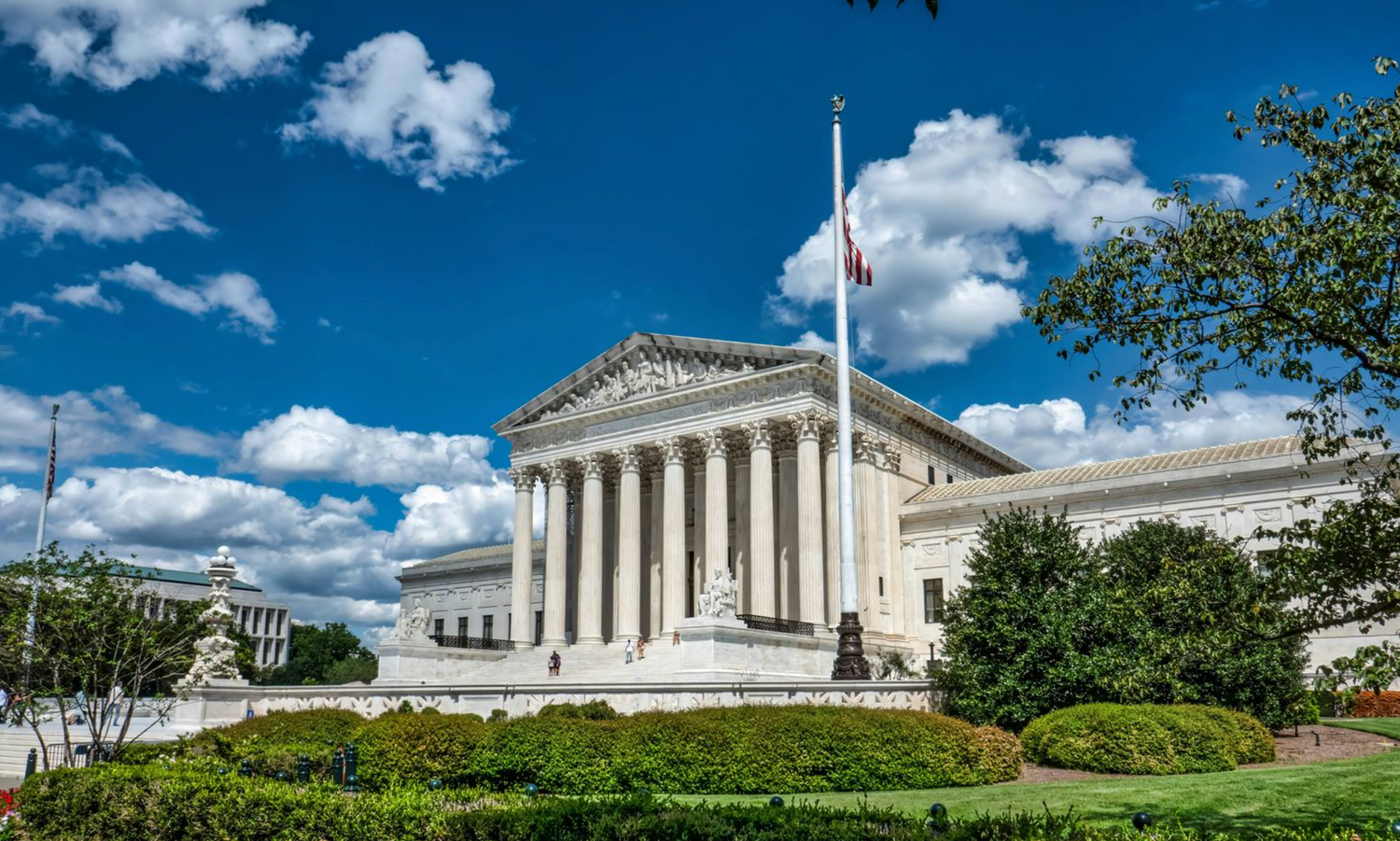
The Constitution on Trial
For 250 years, the Supreme Court has been the ultimate interpreter of America's founding documents. But how justices write those decisions -- the rhetoric, the emotion, the moral grandstanding -- shapes how law is understood and applied for generations. What does the language of fundamental rights decisions tell us about American democracy?
Expert:
Doug Coulson -- legal rhetoric, constitutional rights, demagoguery, Supreme Court writing
The History That Was Left Out
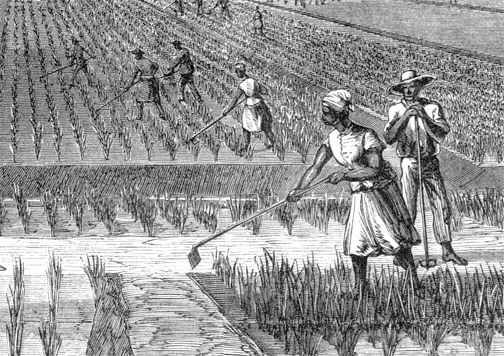
Official celebrations tend to center on the founders. But historians have spent decades recovering the stories of enslaved people, women, immigrants, and communities whose contributions shaped the nation and whose experiences complicate the triumphant narrative. Dr. Edda Fields-Black's 2025 Pulitzer Prize-winning book on Harriet Tubman and the Combahee River Raid is a reminder of just how much of that history is still being uncovered. What does a fuller American history look like at 250?
Expert:
Edda L. Fields-Black -- slavery, the Lowcountry, Harriet Tubman, Black freedom movements
Suffrage, Memory, and the
Myth We Tell
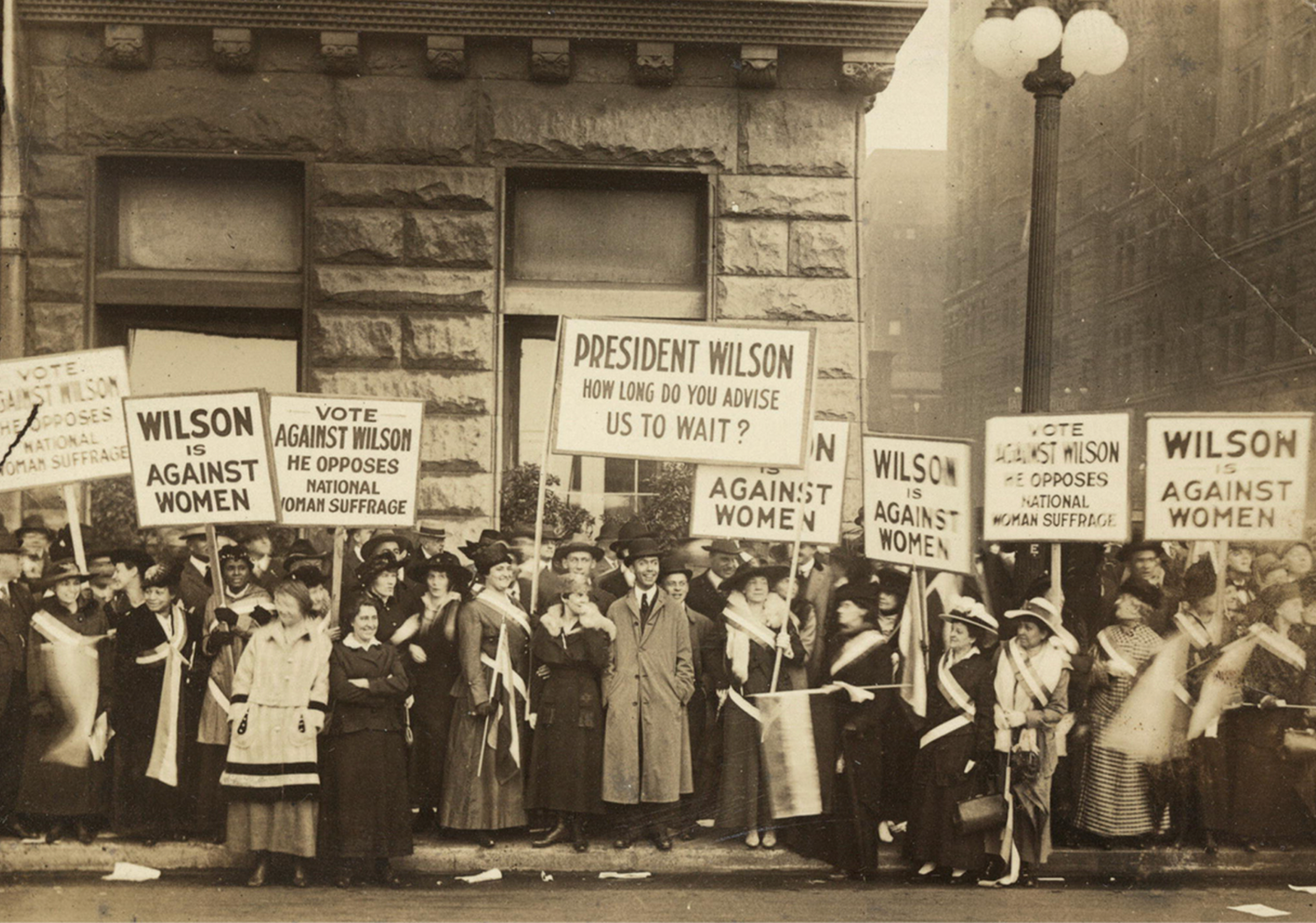
The story of how American women won the right to vote is one of the most retold in the country's history -- and one of the most mythologized. As the nation reflects on 250 years of democracy, what does the suffrage movement really tell us about how America progresses, and how it remembers its own progress?
Expert:
Lisa Tetrault -- women's suffrage, social movements, gender and democracy