
Dick Block
Associate Head of School Teaching Professor of Design
Scenic Design Expert
Theatre EducationTheatreBroadwaySet DesignScenic Design
Julia Corrin
Associate Dean for Distinctive Collection (DisCo) and University Archivist
Archives and Records Management and Preservation of Information
university archivesimpact of technical debt on digital collections in the GLAM fielduse of archival materials in storytellingdigitization of historic materialsthe emergence of reparative practices in archives
Rick Edinger
Area Chair of Acting & Music Theatre Associate Professor of Music Theatre Co-Artistic Director, Center for New Work
Rick Edinger (he/they) is a proud queer AAPI educator, music director, vocal coach, pianist, and actor based in New York & Pittsburgh.
Acting for Theatre and On-CameraMusical TheatreTheatreNew Work DevelopmentDEI
Sam Lemley
Curator of Special Collections Director of the Posner Center for Special Collections
Sam Lemley studies the history of the book, analytical bibliography, the history of science and technology, and rare book librarianship.
BibliographyThe History of Science & TechnologyThe History of the BookRare Books
Susan Tsu
Bessie F Anathan Professor of Design & University Professor
As a costume designer, Tsu has spent a lifetime examining the human condition and the semiotics of what others don.
University Costume Curriculum DevelopmentCostume Drawing & Painting with Multiple MediumsInternational Costume Curation for Performance & FashionCostume Design for Professional Theatre and Opera
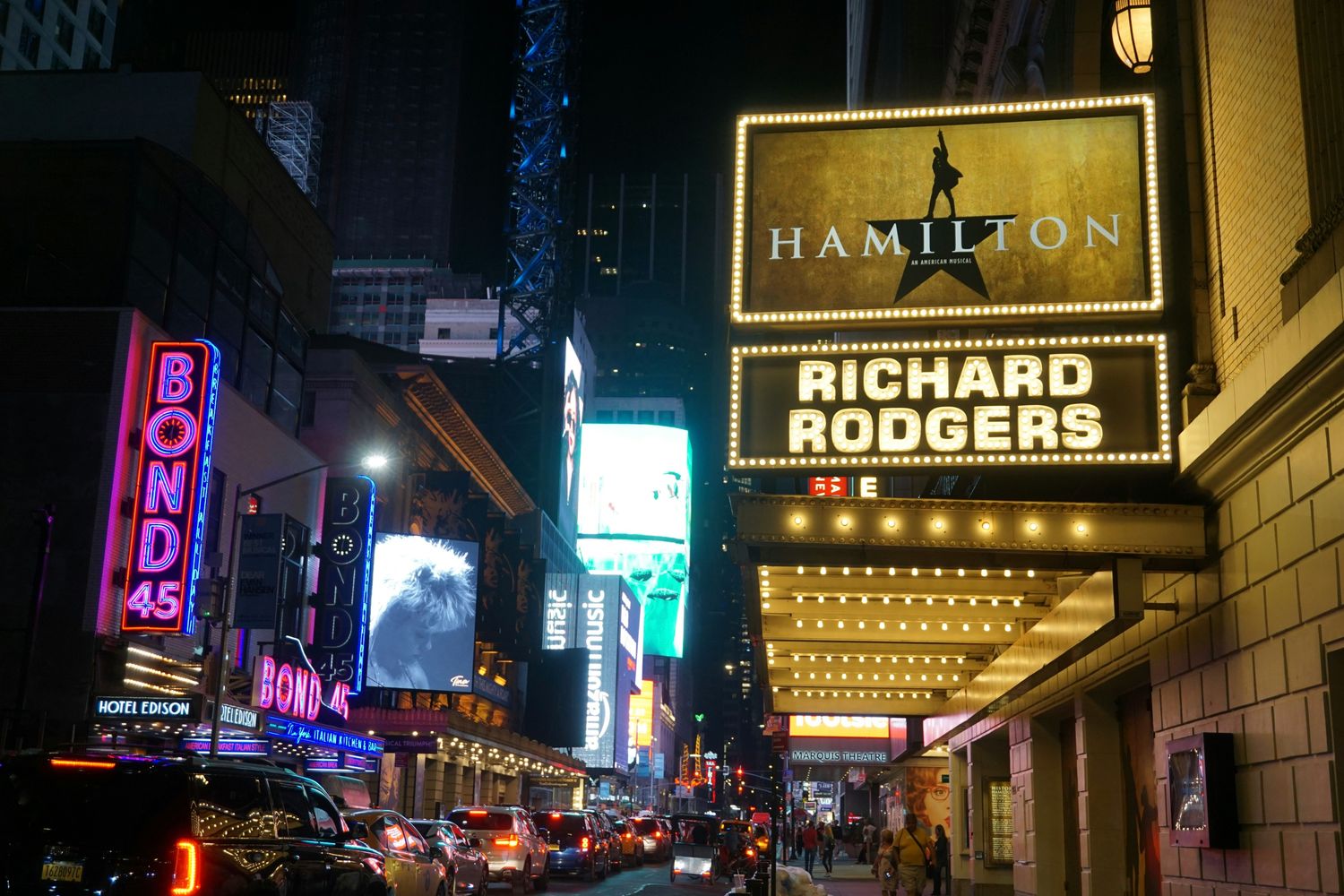
TONY AWARDS
CMU Experts Unpack Broadway's Biggest Night
The Tony Awards celebrate the best of Broadway, but the stories behind the stage run deeper than opening night. From the vocal training that shapes a performance to the scenic design that transforms an empty stage into a world, Carnegie Mellon University experts bring decades of professional and academic expertise to the conversations that matter most this awards season.
Connect with CMU Experts below to discuss the 2026 Tony Awards.

The Business of Broadway:
Costs and Benefits of Putting on a Show
Broadway is both an artistic endeavor and a major business enterprise. Producing a Broadway show requires significant investment, with costs often reaching millions of dollars before opening night. Expenses include theatre rental, cast and crew salaries, costumes, sets, lighting, marketing, insurance, and ongoing operating costs.
The potential benefits, however, extend far beyond ticket sales. Successful productions create jobs, attract tourism, generate economic activity for surrounding businesses, and can lead to national tours, international productions, merchandise sales, and film adaptations. Broadway contributes billions of dollars annually to New York City's economy and serves as a powerful example of how the arts can drive economic growth.
Experts
Dick Block - Broadway Theatre | School of Drama
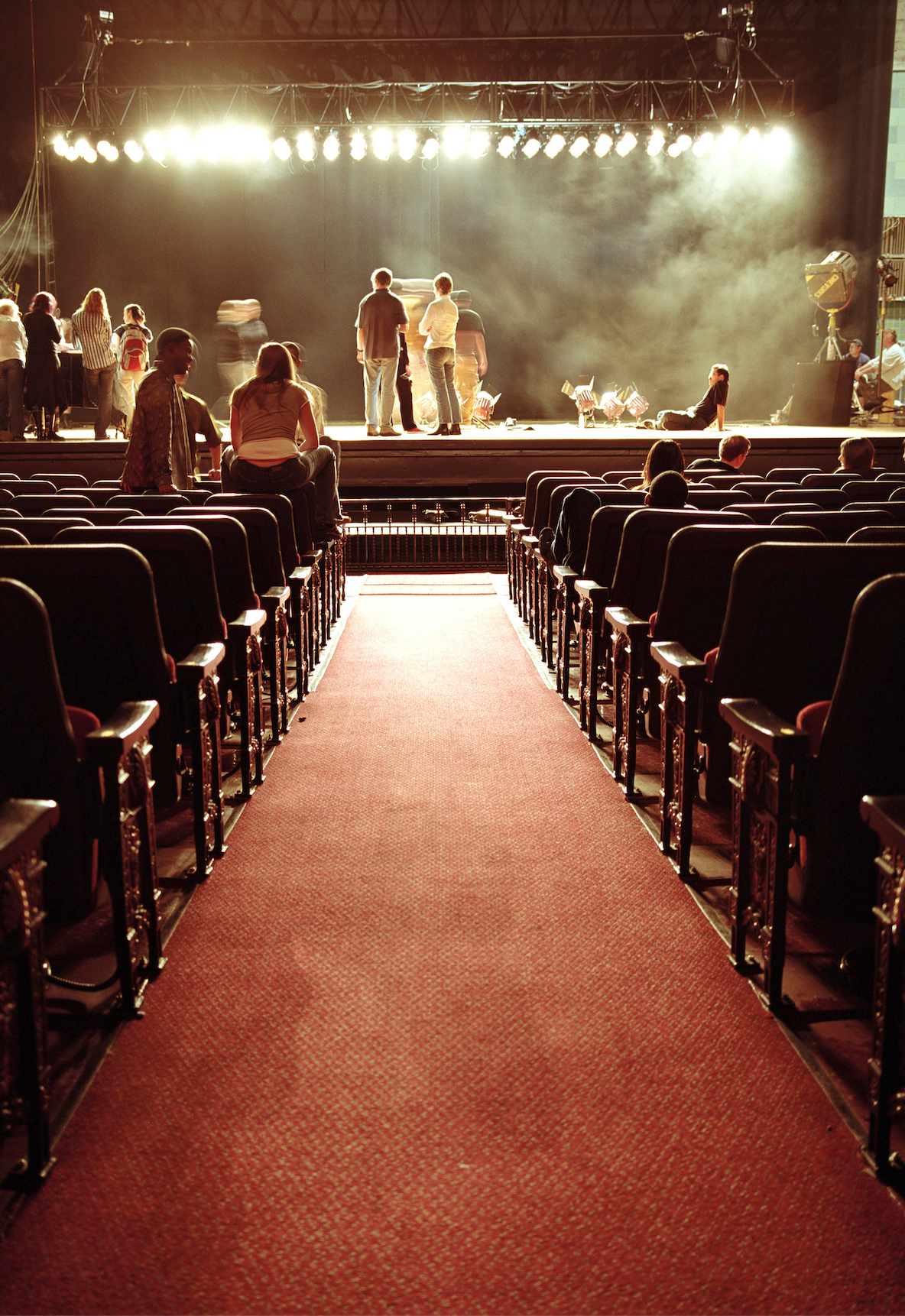
Behind the Scenes:
The People Who Make the Art Come to Life
While audiences see actors on stage, every production relies on a vast network of professionals working behind the scenes. Directors, choreographers, stage managers, designers, carpenters, electricians, sound engineers, costume makers, hair and makeup artists, and countless others collaborate to bring a production to life.
Many theatergoers may never see these individuals, but their work is essential. From coordinating scene changes to creating costumes that reflect a character's personality and era, these professionals combine creativity, craftsmanship, and technical expertise. Theatre is one of the most collaborative art forms, and its success depends on the contributions of everyone involved.
Experts
Rick Edinger - Theatre Production | School of Drama
Julia Corrin - Theatre History | CMU Libraries
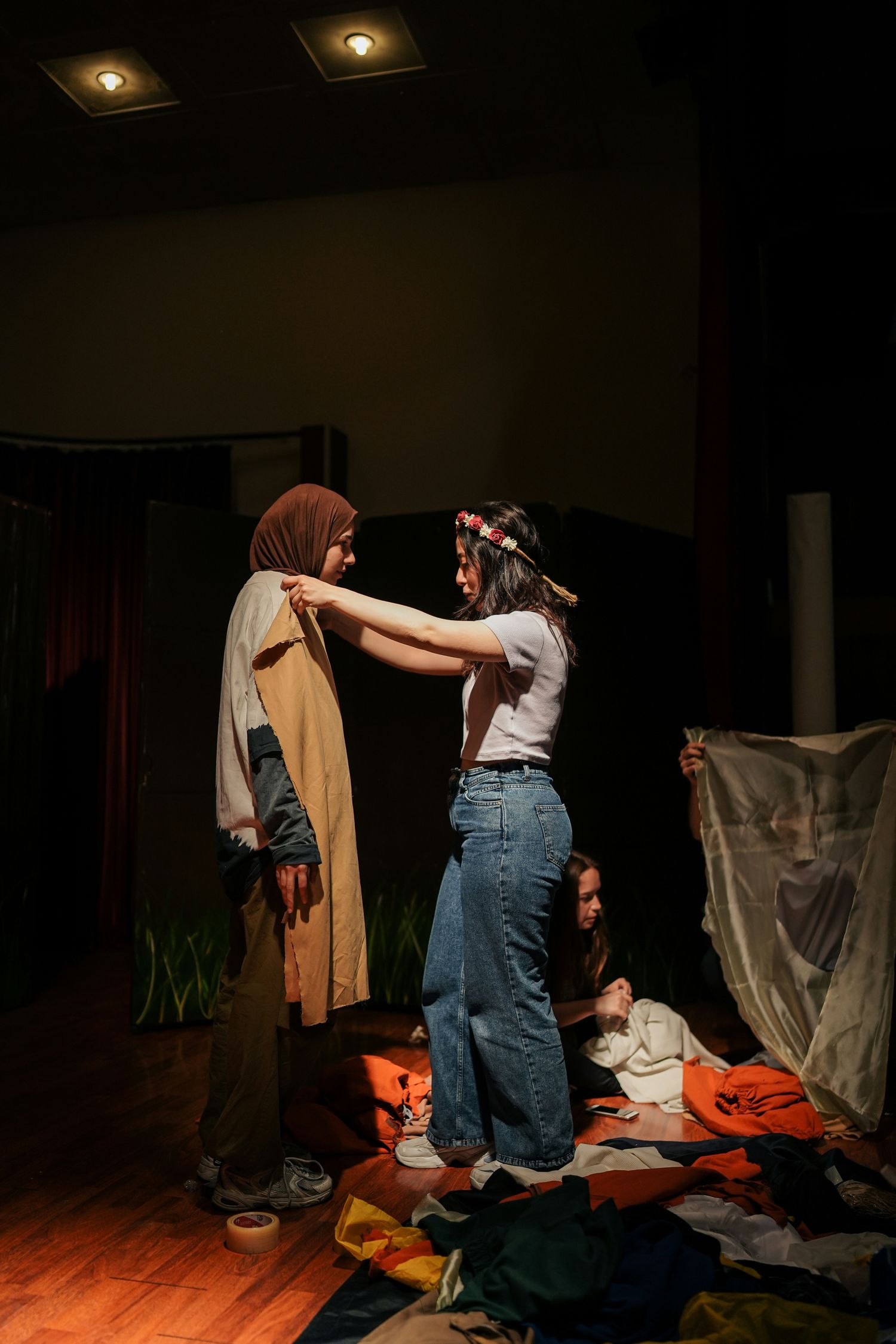
The Impact and History
of Costume in Theatre
Costumes do far more than simply dress performers. They help establish time period, social status, personality, and mood while supporting storytelling. A well-designed costume can communicate important information about a character before a single line is spoken.
Historically, costumes have evolved alongside theatre itself. Early productions often used contemporary clothing, while later eras emphasized historical accuracy and artistic interpretation. Today, costume designers blend research, technology, and creativity to create garments that are innovative, visually compelling, durable, and functional for performance. Costumes help audiences immerse themselves in the world of the play and remain one of theatre's most powerful storytelling tools.
Experts
Susan Tsu - Costume Design | School of Drama
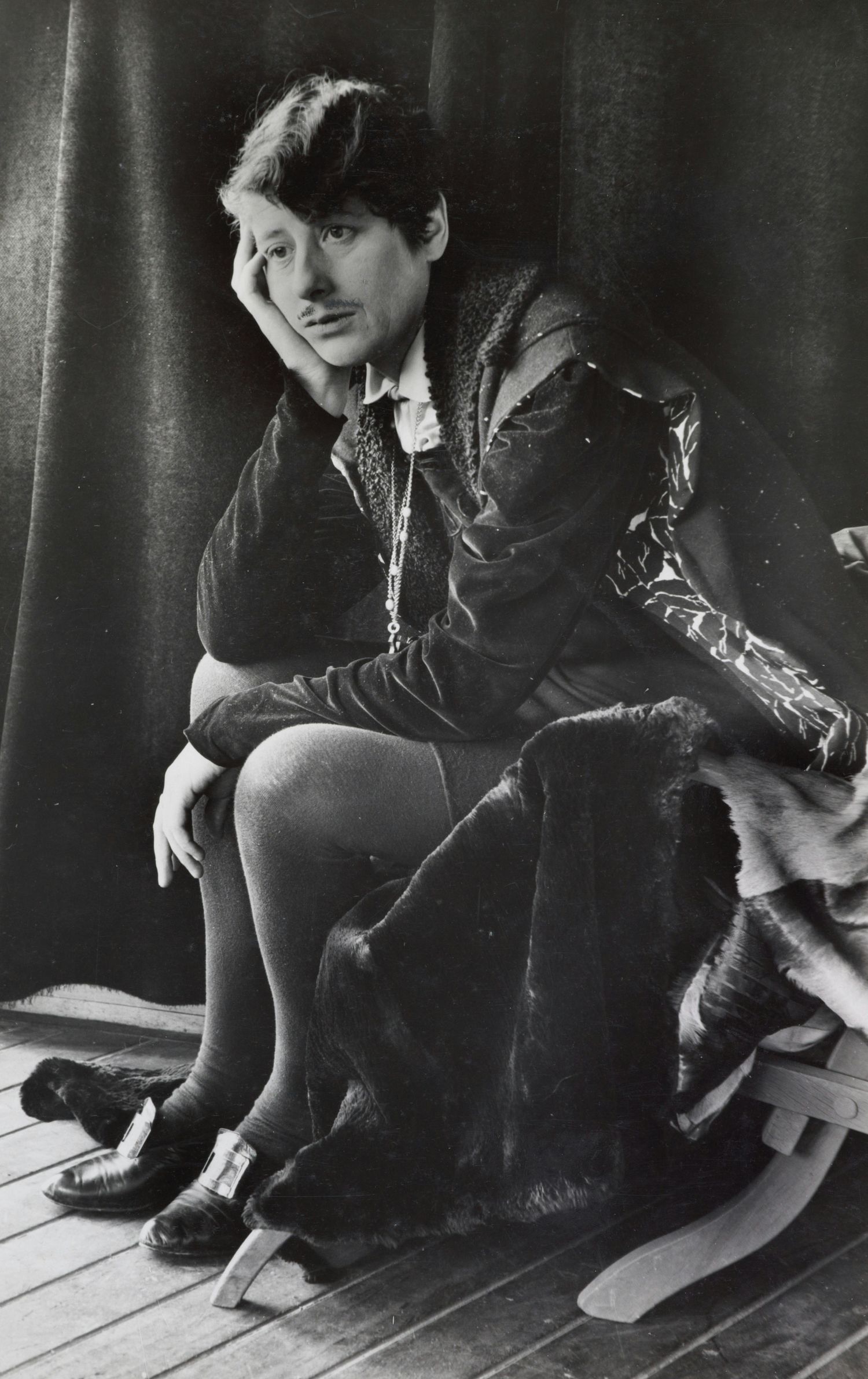
History of Theatre and Broadway
Theatre traces its roots to ancient civilizations, particularly Greece, where dramatic performances were central to cultural and civic life. Over centuries, theatre evolved through Shakespearean England, European opera houses, and American stages, reflecting the social and political issues of each era.
Broadway emerged as the center of American theatre in the late 19th and early 20th centuries. What began as a collection of entertainment venues grew into the world's most influential theatre district. Broadway has introduced groundbreaking productions, launched careers, and shaped popular culture through music, storytelling, and innovation. Today, it remains a symbol of artistic excellence and continues to evolve alongside changing audiences and technologies.
Experts
Sam Lemley - Broadway Theatre History | CMU Libraries