Biomedical Experts
Connect for media, speaking, professional opportunities & more.
When Science Can't Be Repeated: Tackling a Crisis in Research
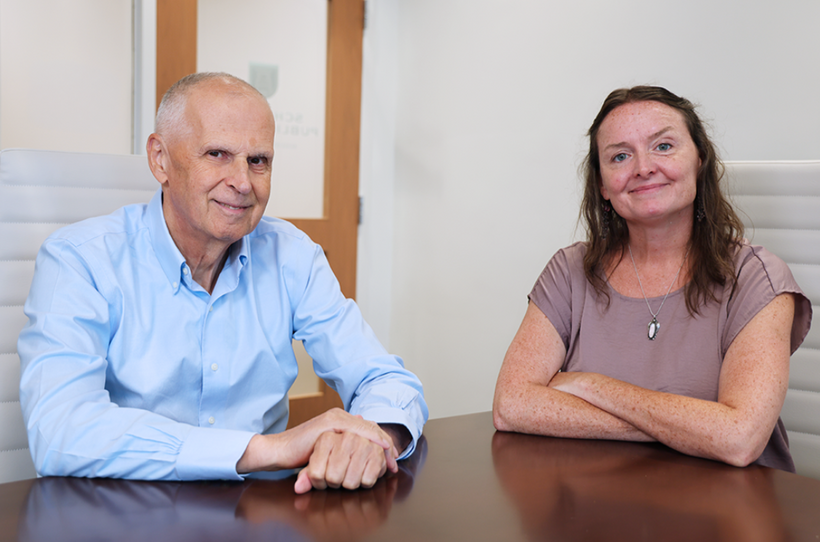
Science depends on a simple but critical principle: Research findings should be reliable enough that other researchers can reproduce them. But what happens when they can't? Biomedical research is confronting what has become known as the “reproducibility crisis,” with major scientific journals estimating that more than 80% of published biomedical research is negatively affected by defects that can make findings non-reproducible or unusable. Now, researchers at Augusta University are taking a closer look at why research goes wrong – and, more importantly, whether those problems can be prevented before findings are published. Backed by a new $2.5 million R01 grant from the National Institutes of Health, researchers in Augusta University's School of Public Health will identify common research defects and develop strategies to help scientists avoid them. The project is led by E. Andrew Balas, MD, PhD, a professor in the Department of Health Management, Economics, and Policy who has spent more than a decade studying the research process itself. “Research quality is not only a matter of detecting errors after they occur. The critical question is, how can we understand the conditions that produce research defects and develop effective ways to prevent them before they compromise scientific results?” E. Andrew Balas, MD, PhD The consequences extend well beyond the laboratory. Unreliable findings can influence patient care, waste research funding and send other scientists down paths built on results that were never dependable. They can also contribute to something increasingly important for the scientific community: declining public trust. The Augusta University team plans to create a database of common research defects and examine which stages of the research process are particularly vulnerable. Researchers also envision a tool that could eventually allow scientists to enter information about their methodology and identify potential problems before completing and publishing their work. Wendy Burnett, PhD, an assistant professor in the School of Public Health and co-investigator on the study, summed up the stakes: “Years of work and substantial funding may be invested in studies based on results that were never dependable.” Wendy Burnett, PhD The interdisciplinary project will also examine the human side of the problem, gathering perspectives from researchers, peer reviewers and journal editors to better understand why research defects happen and what may prevent people from recognizing or addressing them. Ultimately, the research asks a question that goes to the heart of modern science: How can we make research more trustworthy before mistakes become part of the scientific record? After the project is complete, Balas and his team hope the results will ultimately impact science and society in many significant ways. “Research has made wonders in our lives – we have life-saving drugs, we have a lifestyle that is healthier than ever before and so forth. If research could produce more valuable, useful, trustworthy, reproducible results, then we will all be better, and it should also increase public trust in research.” For media covering scientific integrity, biomedical research, public trust in science, research funding, peer review or the reproducibility crisis, this work offers a timely look at how the scientific community can improve not only what it discovers, but how those discoveries are made.


Specialized brain imaging tracks hormone-driven changes
A new study out of the University of Delaware shows that fluctuations in estrogen influence the brain, helping reshape connections between neurons. Researchers showed that a specialized imaging technique called magnetic resonance elastography (MRE) can detect estrogen-dependent mechanical changes in the hippocampus, a brain region involved in memory and learning, across the reproductive cycle. The findings, published in Brain Communications, lay the groundwork for future studies exploring how hormonal changes, including long-term transitions like menopause, affect brain health in women. “Across the reproductive cycle, the brain adapts, relying more heavily on different regions at different times. This was step one: can we track these changes with MRE in rats, and then eventually in humans?” said first author Katrina Milbocker, a postdoctoral researcher in Curtis Johnson’s laboratory and a UD alumna with a doctorate in behavioral neuroscience. “Imaging is often viewed as a tool for detecting disease, but it can also help us understand brain health dynamically,” said Johnson, an associate professor of biomedical engineering. “Our ultimate goal is to understand how brain mechanics change across life stages and what those changes can tell us about health and aging.” Toward clinical translation While the study links hormone fluctuations to changes in hippocampal mechanics, the question of whether those changes influence brain function remains. A key next step is connecting MRE measurements with cognition, including memory and learning. Johnson’s team is also extending the work into rat models of menopause, a life stage in which the body produces much lower levels of estrogen. “We suspect there may be a mechanical ‘stuck state’ when estrogen is first depleted, contributing to disrupted cognitive function like brain fog, and we are trying to test this next,” he said. At the same time, the team is working to translate the findings to humans through parallel rodent and human studies. “One unique advantage at UD is that the human and animal imaging facilities are in the same building, which makes collaboration easier,” Milbocker said. Ultimately, they hope to make MRE fast enough to be incorporated into routine MRI exams, ideally adding less than a minute to a standard scan. “Transitions such as menopause span years, and we want to understand how brain health changes across them and how to support individuals during those periods,” Johnson said. To speak with Milbocker or Johnson, email mediarelations@udel.edu.

AU Hosts Congressional Hearing on 'Building an AI-Ready America'
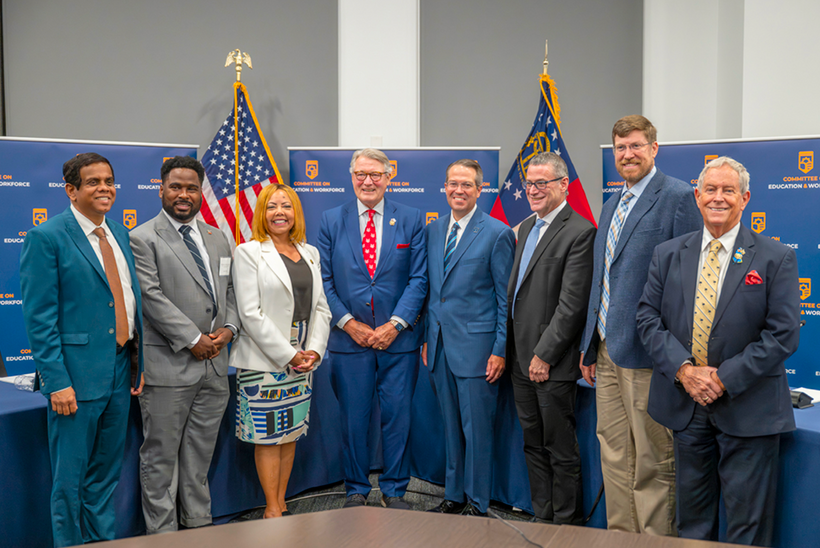
The U.S. House Committee on Education and Workforce held its first artificial intelligence field hearing of the year, titled "Building an AI-Ready America: How AI Is Creating Opportunities Across America's Workforce," at the Georgia Cyber Center at Augusta University on July 24. U.S. Rep. Rick W. Allen, who represents Georgia's 12th District and chairs the committee's Subcommittee on Health, Employment, Labor, and Pensions, chaired the hearing. He was joined by U.S. Rep. Joe Wilson of South Carolina and U.S. Rep. Lucy McBath of Georgia. Jeffery Talbert, PhD, chair of Augusta University's Department of Artificial Intelligence and Health at the Medical College of Georgia and a Georgia Research Alliance Eminent Scholar, served as one of four witnesses at the hearing. "Today, we examine how artificial intelligence, AI, is creating economic opportunities for American workers, job creators and our communities," Allen told the committee. "There's no better place to hold this hearing than right here in Augusta." Allen said the combination of the Georgia Cyber Center and Fort Gordon provides the expertise needed to discuss AI. "Fort Gordon is just a short 30-minute drive from where we currently sit," he said. "It hosts the Army Cyber Center of Excellence and is home to Army Cyber School, which trains, educates and develops the Army's Cyberspace and Electronic Warfare workforce. Every year, thousands of people leave Fort Gordon looking for work." He added that the Georgia Cyber Center "was created to meet this growing demand and drive collaboration between academia, government and industry stakeholders to equip a superior cybersecurity workforce with the skills they need." Augusta University President Russell T. Keen told the committee it was an honor for AU's Georgia Cyber Center to host the hearing. "Congressman Allen has long recognized the important role that education, innovation and workforce development play in strengthening our state and our nation," Keen said. He added that AI "will continue to change how we live, how we learn, how we work and how we solve problems," and that Augusta University "intends to lead in that transformation in ways that strengthen our workforce, advance discovery, improve lives, change lives and save lives." Talbert, who has more than 30 years of experience in biomedical informatics, has published approximately 260 times and has led more than 100 funded research projects totaling more than $130 million. He told the committee that in health care, AI is demonstrating its greatest value through augmentation, helping professionals "work more effectively, reducing administrative burdens, improving patient outcomes and expanding workforce capacity." He pointed to ambient documentation technology, which converts clinical conversations into draft notes clinicians review and approve, as one of the industry's most successful AI applications. "Multiple studies show these tools reduce documentation burden, after-hours work and burnout," Talbert said. "One multisystem implementation found clinician burnout fell from approximately 52 percent to 39 percent." He also cited studies showing AI-assisted breast cancer screening detecting approximately 29 percent higher cancer rates, "helping more patients benefit from earlier diagnosis and treatment." America's opportunity, Talbert said, "is not simply to adopt AI, but to lead its responsible development, education and implementation." He pointed to Augusta University's Department of AI and Health, the first of its kind in Georgia, as an example of that approach. Allen closed the hearing by cautioning against a one-size-fits-all approach to AI policy. "The needs of a family farm are not the same as those of a hospital, a manufacturing plant or a small business," he said. "Congress must pursue flexible policies that allow businesses to adopt AI in ways that best suit their industry and workforce." JagWire has the full recap of the hearing and the Augusta Chronicle, Innovation & Entrepreneurs News and Traders Union also covered the field hearing. Augusta University experts in artificial intelligence, healthcare innovation and workforce development are available for interviews. If you're covering similar stories, reach out to schedule time.

Decoding epilepsy, one brainwave at a time
Epilepsy isn’t always easy to diagnose. Seizures often don't occur during routine brain-wave recordings, leaving doctors without the direct observation they need to make a clear diagnosis. In a proof-of-concept study in mice, University of Delaware researchers and collaborators showed that using artificial intelligence to detect early warning signs hidden in the brain's electrical rhythms can identify subtle EEG differences linked to a genetic form of epilepsy, even when no visible seizures occurred. The findings, published in the Journal of Neural Engineering, set the stage for the next phase of the research, which will test the method on EEGs from children being evaluated for epilepsy at Nemours Children's Health. A dictionary of brain waves Neurologists often use EEGs to help diagnose epilepsy, but routine recordings offer only about a 20-minute snapshot of brain activity. Without a seizure captured during that window, clinicians must look for far subtler clues that can be difficult to detect visually. That's where AI comes in. “Our machine-learning approach lets the algorithm learn the brain’s ‘language’ of waveforms, spotting subtle patterns humans might miss during manual review,” said Austin Brockmeier, assistant professor in electrical and computer engineering and computer and information sciences. Starting small with a mouse model When Brockmeier presented his computational neuroscience research at a seminar, he caught the attention of Amanda Hernan, an affiliated associate professor of psychological and brain sciences and biomedical engineering at UD and senior research scientist at Nemours Children’s Health. Hernan studies how variations in brain activity affect thinking and learning in children with epilepsy. The two decided to put machine learning to the test using EEGs from mice with epilepsy-causing variations in the TSC1 gene. The researchers used a panel of more than 40 mice, including animals with and without the gene variation, across three different genetic backgrounds, or strains. They extracted EEG segments from five days of recordings from each mouse for analysis. Because the EEG segments contained no seizure activity, the algorithm had to detect differences in the brain's baseline activity alone. It was able to distinguish between the mouse strains and to detect the TSC1 gene variation with high accuracy in two of the three strains. “These results show that EEG patterns contain measurable signals of neurological differences, even without visible seizures,” Hernan said. Taking it to the clinic Now, Brockmeier and Hernan will next apply their approach to EEG recordings from children being evaluated for epilepsy at Nemours Children's Health. Pediatric EEGs are shorter than the multi-day recordings used in the mouse study, and children present with many different types of epilepsy. But the researchers are optimistic. “The goal is to identify biomarkers that flag underlying changes in the brain’s electrical activity before seizures occur,” Hernan said. Earlier detection could lead to earlier treatment and less uncertainty for families. That uncertainty, Hernan said, takes a toll. “Seizures follow natural cycles, but without a way to know where you are in that cycle, the anticipation can be incredibly anxiety-provoking,” she explained. Better pattern recognition could also improve treatment decisions. For example, if a new medication is introduced during a natural lull in seizure activity, its benefits could be overestimated. Looking further ahead, the researchers envision a future where wearable EEG devices allow continuous, real-time monitoring for those with high risk of seizures. Similar approaches could eventually be applied to other neurological conditions, including autism and ADHD. "This is a step toward precision medicine," Brockmeier said. "Brain-wave typing could help identify which interventions will work best for a given patient." For families navigating the daily uncertainty of epilepsy, that kind of precision could make a huge difference. To speak with Brockmeier and Hernan, please reach out to mediarelations@udel.edu.

University of Delaware biomedical engineer helps develop first immune-capable cervix-on-a-chip
A major breakthrough in biomedical engineering is changing how scientists study sexually transmitted infections (STIs) – and a researcher from the University of Delaware is at the forefront. Published in Science Advances, the study introduces the first immune-capable “cervix-on-a-chip,” a cutting-edge microphysiological system that replicates the human cervical environment. The platform allows researchers to observe how infections, the immune system and the vaginal microbiome interact in real time – something not previously possible with traditional lab models. Co-lead author Jason Gleghorn, associate professor in the College of Engineering, led the development of the model. His work highlights how engineering-driven approaches are advancing critical research in women’s health. By integrating engineering with biology, we can now simulate complex human systems more accurately and make these tools accessible to a wider range of researchers, Gleghorn said. The model recreates key features of the cervix using human cells, immune components and naturally occurring microbiomes within a dynamic system that mimics physiological conditions. When tested with infections such as chlamydia and gonorrhea, the platform revealed how protective bacteria can reduce infection risk – while imbalanced microbiomes can worsen outcomes. These findings could help accelerate the development of new therapies, including probiotics and other preventative strategies aimed at strengthening the body’s natural defenses. The research underscores the growing impact of the College of Engineering, where interdisciplinary collaboration is driving innovation across biomedical engineering and beyond. By combining expertise in engineering, microbiology and immunology, the team has created a powerful new tool that could reshape how STIs – and other complex diseases – are studied. To speak with Gleghorn further about this advancement, email mediarelations@udel.edu.
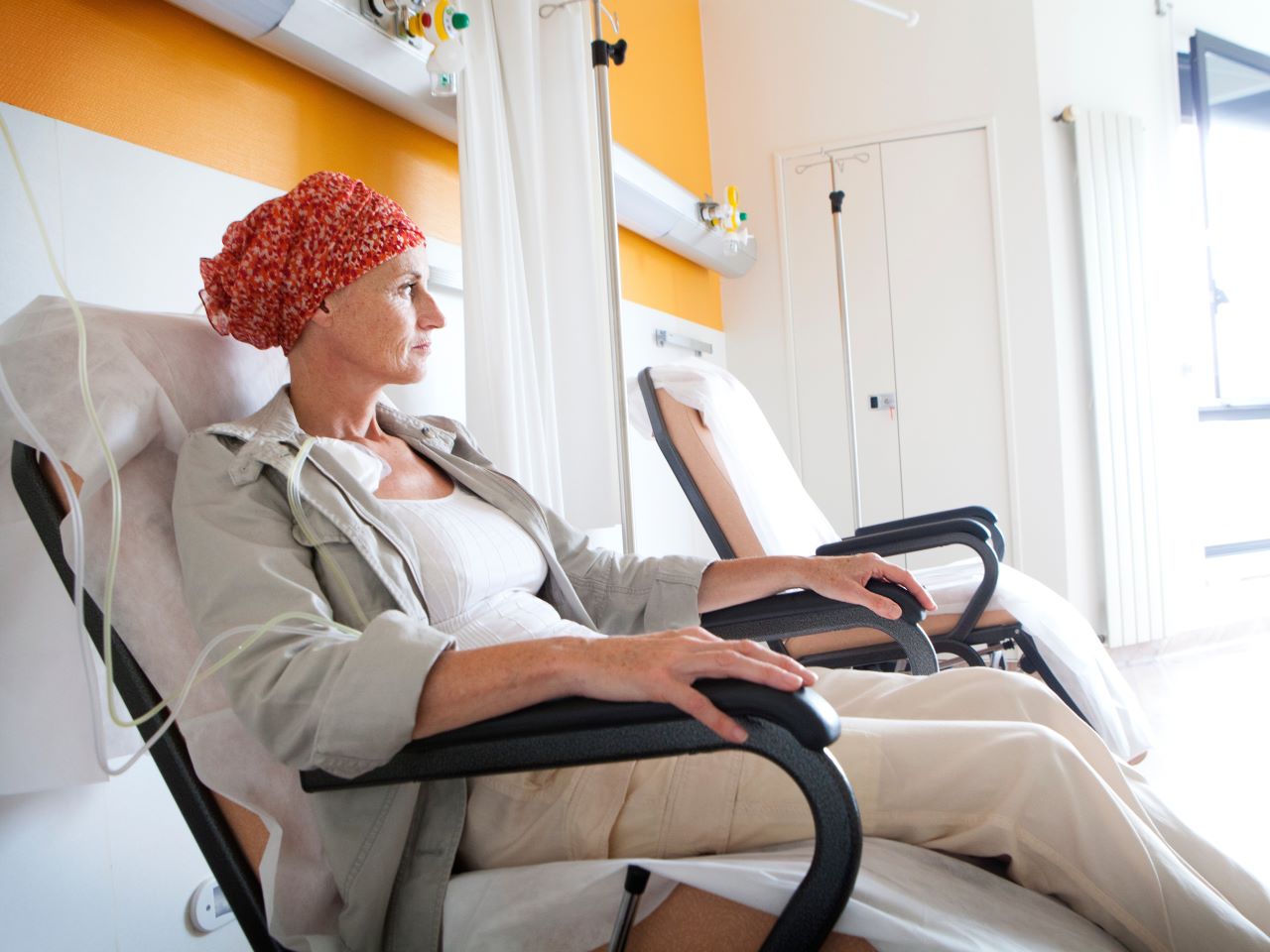
Ninety-three percent of patients with a new cancer diagnosis were exposed to at least one type of misinformation about cancer treatments, a UF Health Cancer Center study has found. Most patients encountered the misinformation — defined as unproven or disproven cancer treatments and myths or misconceptions — even when they weren’t looking for it. The findings have major implications for cancer treatment decision-making. Specifically, doctors should assume the patient has seen or heard misinformation. “Clinicians should assume when their patients are coming to them for a treatment discussion that they have been exposed to different types of information about cancer treatment, whether or not they went online and looked it up themselves,” said senior author Carma Bylund, Ph.D., a professor and associate chair of education in the UF Department of Health Outcomes and Biomedical Informatics. “One way or another, people are being exposed to a lot of misinformation.” Working with oncologists, Bylund and study first author Naomi Parker, Ph.D., an assistant scientist in the UF Department of Health Outcomes and Biomedical Informatics, are piloting an “information prescription” to steer patients to sources of evidence-based information like the American Cancer Society. The study paves the way for other similar strategies. Most notably, the study found the most common way patients were exposed to misinformation was second hand. “Your algorithms pick up on your diagnosis, your friends and family pick up on it, and then you’re on Facebook and you become exposed to this media,” Parker said. “You’re not necessarily seeking out if vitamin C may be a cure for cancer, but you start being fed that content.” And no, vitamin C does not cure cancer. Health misinformation can prevent people from getting treatment that has evidence behind it, negatively affect relationships between patients and physicians, and increase the risk of death, research has shown. People with cancer are particularly vulnerable to misinformation because of the anxiety and fear that comes with a serious diagnosis, not to mention the overwhelming amount of new information they have to suddenly absorb. While past research has studied misinformation by going directly to the source — for instance, studying what percentage of content on a platform like TikTok is nonsense — little research has looked at its prevalence or how it affects people. The team first developed a way to identify the percentage of cancer patients exposed to misinformation. UF researchers collaborated with Skyler Johnson, M.D., at Huntsman Cancer Institute, an internationally known researcher in the field. The survey questions were based on five categories of unproven or disproven cancer treatments — vitamins and minerals, herbs and supplements, special diets, mind-body interventions and miscellaneous treatments — and treatment misconceptions. The myths and misconceptions were adapted from National Cancer Institute materials and included statements like “Will eating sugar make my cancer worse?” The team surveyed 110 UF Health patients diagnosed with prostate, breast, colorectal or lung cancer within the past six months, a time when patients typically make initial treatment decisions. Most had heard of a potential cancer treatment beyond the standard of care, and most reported they had heard of at least one myth or misconception. The most common sources were close friends or family and websites, distant friends/associates or relatives, social media and news media. The findings mark a shift in misinformation research, with major implications for the doctor-patient relationship, said Bylund, a member of the Cancer Control and Population Sciences research program at the UF Health Cancer Center. “I still think media and the internet are the source and why misinformation can spread so rapidly, but it might come to a cancer patient interpersonally, from family or friends,” she said. Most patients rarely discussed the potential cancer treatments they had heard about with an oncologist, the study also found. Next, the researchers plan to survey a wider pool of patients, then study the outcomes of interventions designed to decrease misinformation exposure, like the information prescription.


Surprising finding could pave way for universal cancer vaccine
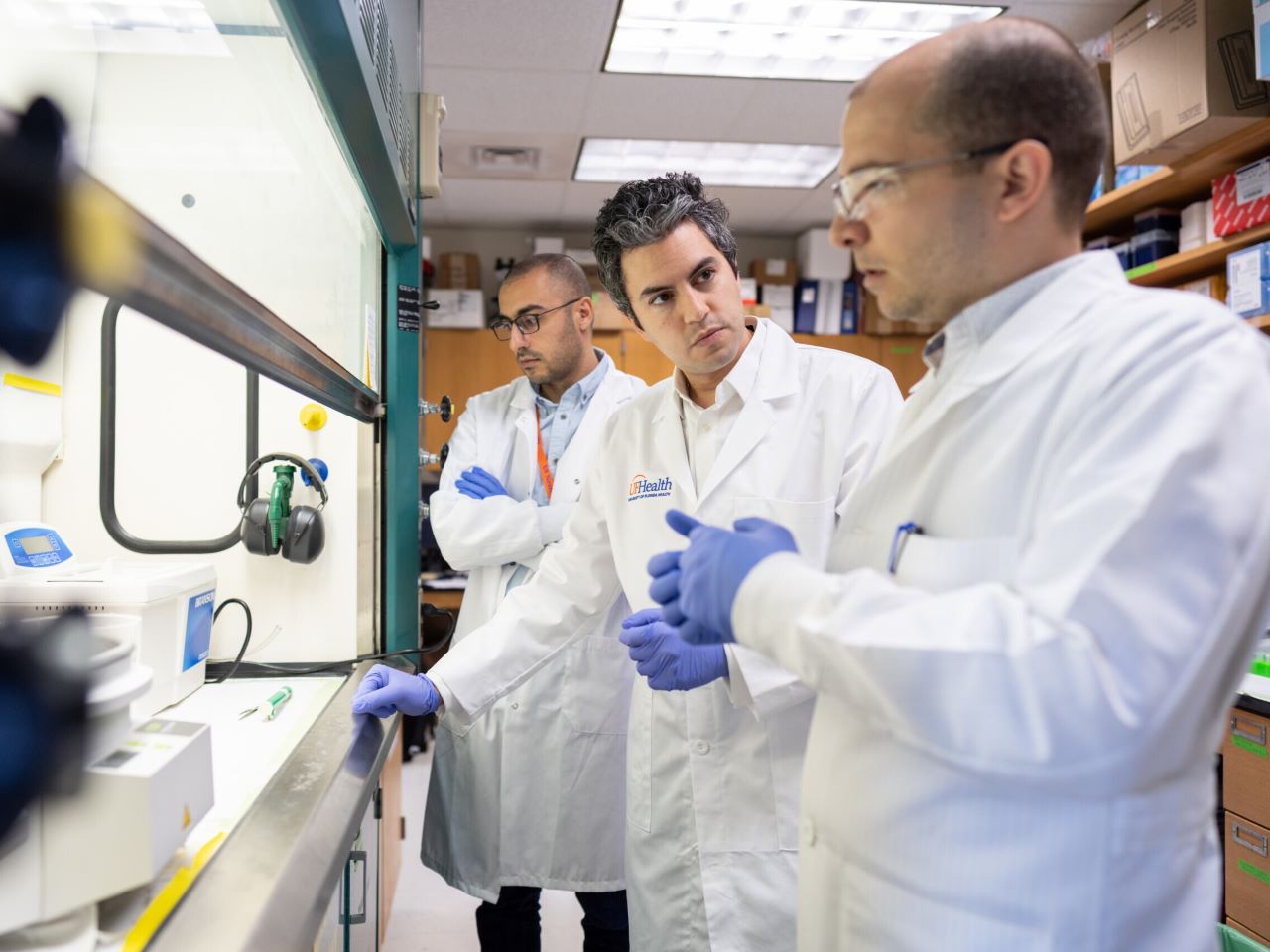
An experimental mRNA vaccine boosted the tumor-fighting effects of immunotherapy in a mouse-model study, bringing researchers one step closer to their goal of developing a universal vaccine to “wake up” the immune system against cancer. Published today in Nature Biomedical Engineering, the University of Florida study showed that like a one-two punch, pairing the test vaccine with common anticancer drugs called immune checkpoint inhibitors triggered a strong antitumor response in laboratory mice. A surprising element, researchers said, was that they achieved the promising results not by attacking a specific target protein expressed in the tumor, but by simply revving up the immune system — spurring it to respond as if fighting a virus. They did this by stimulating the expression of a protein called PD-L1 inside of tumors, making them more receptive to treatment. The research was supported by multiple federal agencies and foundations, including the National Institutes of Health. Senior author Elias Sayour, M.D., Ph.D., a UF Health pediatric oncologist and the Stop Children's Cancer/Bonnie R. Freeman Professor for Pediatric Oncology Research, said the results reveal a potential future treatment path — an alternative to surgery, radiation and chemotherapy — with broad implications for battling many types of treatment-resistant tumors. “This paper describes a very unexpected and exciting observation: that even a vaccine not specific to any particular tumor or virus — so long as it is an mRNA vaccine — could lead to tumor-specific effects,” said Sayour, principal investigator at the RNA Engineering Laboratory within UF’s Preston A. Wells Jr. Center for Brain Tumor Therapy. “This finding is a proof of concept that these vaccines potentially could be commercialized as universal cancer vaccines to sensitize the immune system against a patient’s individual tumor,” said Sayour, a McKnight Brain Institute investigator and co-leader of a program in immuno-oncology and microbiome research. Until now, there have been two main ideas in cancer-vaccine development: To find a specific target expressed in many people with cancer, or to tailor a vaccine that is specific to targets expressed within a patient's own cancer. “This study suggests a third emerging paradigm,” said Duane Mitchell, M.D., Ph.D., a co-author of the paper. “What we found is by using a vaccine designed not to target cancer specifically but rather to stimulate a strong immunologic response, we could elicit a very strong anticancer reaction. And so this has significant potential to be broadly used across cancer patients — even possibly leading us to an off-the-shelf cancer vaccine.” For more than eight years, Sayour has pioneered high-tech anticancer vaccines by combining lipid nanoparticles and mRNA. Short for messenger RNA, mRNA is found inside every cell — including tumor cells — and serves as a blueprint for protein production. This new study builds upon a breakthrough last year by Sayour’s lab: In a first-ever human clinical trial, an mRNA vaccine quickly reprogrammed the immune system to attack glioblastoma, an aggressive brain tumor with a dismal prognosis. Among the most impressive findings in the four-patient trial was how quickly the new method — which used a “specific” or personalized vaccine made using a patient’s own tumor cells — spurred a vigorous immune-system response to reject the tumor. In the latest study, Sayour’s research team adapted their technology to test a “generalized” mRNA vaccine — meaning it was not aimed at a specific virus or mutated cells of cancer but engineered simply to prompt a strong immune system response. The mRNA formulation was made similarly to the COVID-19 vaccines, rooted in similar technology, but wasn’t aimed directly at the well-known spike protein of COVID. In mouse models of melanoma, the team saw promising results in normally treatment-resistant tumors when combining the mRNA formulation with a common immunotherapy drug called a PD-1 inhibitor, a type of monoclonal antibody that attempts to “educate” the immune system that a tumor is foreign, said Sayour, a professor in UF’s Lillian S. Wells Department of Neurosurgery and the Department of Pediatrics in the UF College of Medicine. Taking the research a step further, in mouse models of skin, bone and brain cancers, the investigators found beneficial effects when testing a different mRNA formulation as a solo treatment. In some models, the tumors were eliminated entirely. Sayour and colleagues observed that using an mRNA vaccine to activate immune responses seemingly unrelated to cancer could prompt T cells that weren’t working before to actually multiply and kill the cancer if the response spurred by the vaccine is strong enough. Taken together, the study’s implications are striking, said Mitchell, who directs the UF Clinical and Translational Science Institute and co-directs UF’s Preston A. Wells Jr. Center for Brain Tumor Therapy. “It could potentially be a universal way of waking up a patient’s own immune response to cancer,” Mitchell said. “And that would be profound if generalizable to human studies.” The results, he said, show potential for a universal cancer vaccine that could activate the immune system and prime it to work in tandem with checkpoint inhibitor drugs to seize upon cancer — or in some cases, even work on its own to kill cancer. Now, the research team is working to improve current formulations and move to human clinical trials as rapidly as possible. While the experimental mRNA vaccine at this point is in early preclinical testing — in mice not humans — information about available nonrelated human clinical trials at UF Health can be viewed here.
A future in pharmacy, made possible by support and mentorship
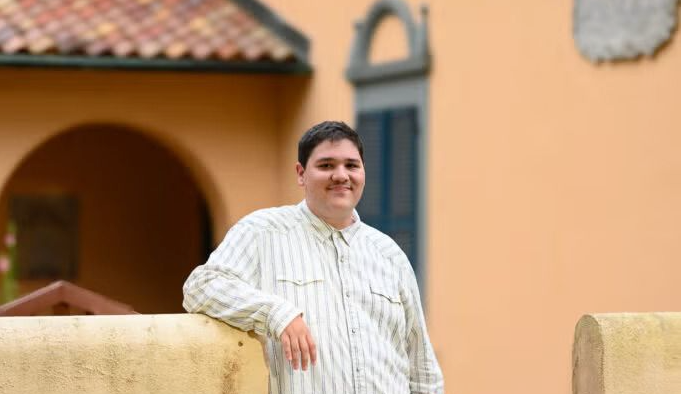
A freshman chemistry major from Hinesville, Georgia, Geovanii Pacheco already has his sights set on a career in pharmacy. His ambition is rooted not just in a love for science, but in personal experience. Growing up, his family spent countless hours navigating prescriptions and insurance coverage for his older brother, Devin, who has autism. During those moments, one pharmacist consistently stood out. This was someone who advocated for his family, helped them through paperwork and made sure Devin got the medication he needed. “It really resonated with me,” Pacheco said. “As a pharmacist, I’d like to embody what she did for us, for others as well.” That goal brought Pacheco to Georgia Southern University where he is now supported by the National Science Foundation’s S-STEM Scholarship Program Award. This is a nearly $2 million grant designed to support Pell-eligible students pursuing degrees in biochemistry, biology, chemistry, geosciences, mathematics, physics or sustainability science. For Pacheco, the program has been nothing short of life-changing. “I can say that I’m not going to college with any financial stress,” he said. “I have no money coming out-of-pocket.” Administered through Georgia Southern’s College of Science and Mathematics, the federally funded program provides last-dollar scholarships that cover remaining costs after Pell Grants and other aid are applied. In addition to financial support, the program pairs students with dedicated faculty mentors and offers structured programming aimed at retention, professional development and long-term success. Sara Gremillion, Ph.D., professor of biology and principal investigator on the grant, said the goal is to ensure that students don’t just enroll in college, but that they also thrive once they arrive. “They may not have a strong expectation about what to expect in college,” said Gremillion. “This program not only removes financial barriers, but it also surrounds students with the support they need to navigate college and plan for their future.” Pacheco has felt that impact from day one. Thanks to the program, he moved into his residence hall a week early to attend a one-week Basebamp program to jump start his college experience. There, he met fellow scholarship recipients and connected with his faculty mentor before classes even began. His mentor, Shainaz Landge, Ph.D., associate professor of chemistry, has helped connect Pacheco with opportunities from joining the Student Affiliates of the American Chemical Society to learning about upcoming pre-pharmacy organizations and undergraduate research. “Students such as Geovanii serve as prime examples of the fulfillment derived from mentorship and teaching,” said Landge. “Their growth and engagement highlight the critical role that effective mentorship plays in fostering both academic development.” That blend of mentorship and financial support is exactly what the grant was designed to provide. Over five years, the program will serve dozens of students in eligible majors such as chemistry, biology, biomedical science, biochemistry, physics, mathematics, sustainability science and geoscience. Each student receives individualized scholarship support, up to $15,000 per year, based on need, along with a faculty mentor who stays with them throughout their undergraduate journey. For Pacheco and his family, the scholarship brought immediate relief. He vividly remembers opening the acceptance email with his mother and scrolling down to see the financial aid details. “She was tickled, let me tell you,” he said. “It lifted so much stress off her shoulders. It was life-changing.” Applications to be part of the next cohort of COSM S-STEM Scholars are open until Feb. 1, 2026. Eligibility requirements, necessary documentation and other information can be found at this webpage. Looking to know more about Georgia Southern University or the National Science Foundation’s S-STEM Scholarship Program Award? Simply contact Georgia Southern's Director of Communications Jennifer Wise at jwise@georgiasouthern.edu to arrange an interview today.

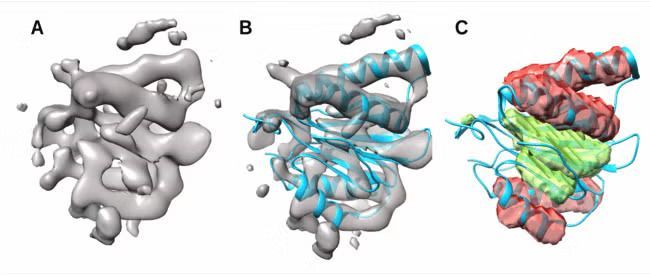
Proteins, often called the building blocks of life, play a central role in drug development. When scientists develop new treatments, they must understand how drugs interact with proteins involved in disease mechanisms and with proteins in the human body that influence drug response. Scientists commonly use cryo-electron microscopy (cryo-EM) 3D imaging data to study proteins. While recent advances have enabled higher-resolution images that are easier to analyze, medium-resolution images—which are more difficult to interpret—are still the most common for larger protein complexes. Salim Sazzed, Ph.D., an assistant professor in the computer science department of Georgia Southern University’s Allen E. Paulson College of Engineering and Computing, has been awarded a two-year National Science Foundation grant of about $175,000 to lead a groundbreaking project to develop novel Artificial Intelligence (AI) techniques for determining protein secondary structures from medium-resolution cryo-electron microscopy (cryo-EM) images. Improved modeling from medium-resolution images will help researchers study more proteins efficiently, giving new insights into diseases and potentially guiding the development of new treatments and future drugs. At its core, this research will combine biology and machine learning to study protein structures. The multidisciplinary approach and potential impacts on public health are what most excite Sazzed. “The impetus behind this research is the positive impact on public health and possibly contributing to the biomedical workforce,” he said. “Seeing biology and computer science combine for that kind of impact is incredibly moving.” As the Principal Investigator (PI) for the project, Sazzed will use his expertise in deep learning computer models to focus on a major challenge in structural biology: identifying the two main secondary structures of proteins—the alpha helix and the beta sheet. These structures are critical for a protein’s overall shape and function, but in medium-resolution cryo-EM images they often appear indistinct or lack clear detail, making them particularly difficult to analyze. Sazzed’s research will focus on two main goals. First, he will quantify the variability of alpha helices and beta sheets in medium-resolution images, comparing them to idealized structures. Second, by integrating this structural variability with the image data in a deep learning model, he will aim to generate more precise and accurate representations of protein secondary structures. “When we feed this information into a deep learning model along with the image data, the model should be able to determine protein secondary structures more precisely,” Sazzed elaborated. Sazzed believes students will greatly benefit from this multi-disciplinary approach. In addition to a Ph.D. student, several undergraduate students will be directly engaged in the research. A full-day workshop will also be organized, allowing Georgia Southern students from diverse disciplines to participate. This initiative will build on Georgia Southern’s strong tradition of involving undergraduates in research and will support the University’s recent focus on biomedical and health sciences. “There are many different knowledge areas coming together in this work,” Sazzed said. “It involves computer science, biology, chemistry, and even public health. I look forward to students following the research and exploring these different fields themselves.” Allen E. Paulson College of Engineering & Computing Interim Associate Dean of Research, Masoud Davari, Ph.D., echoes this sentiment and emphasizes its importance to the University’s research profile. “Sazzed’s interdisciplinary research, which bridges the gap between biology and computer science, will foster multidisciplinary research in our college—as it is cutting-edge and potentially groundbreaking in drug development to impact people’s lives nationally and globally,” Davari said. “It’s also well aligned with the college’s strategic research plan—as we make the move to R1 status to be aligned with ‘Soaring to R1,’ which is among the transformational initiatives for the University.” Looking to know more about Georgia Southern University or connect with Salim Sazzed — simply contact Georgia Southern's Director of Communications Jennifer Wise at jwise@georgiasouthern.edu to arrange an interview today.
Aston University’s approach to a global challenge Across industries, companies face mounting pressure to cut carbon, improve resource efficiency, and contribute to the UN Sustainable Development Goals (SDGs). Yet many firms still struggle to move from vision statements to measurable action. At Aston Business School, Dr Breno Nunes, reader in sustainable operations management, is developing practical frameworks that help organisations embed sustainability at their core. His concept of 'sustainability fitness' captures how firms can build the capabilities they need to adapt, compete, and thrive in the transition to a net zero economy. “Many organisations want to be sustainable but struggle to operationalise what that means. My work is about bridging that gap — helping businesses translate strategies into practice.” — Dr Breno Nunes The sustainability fitness concept involves both meeting human needs and respecting environmental limits. While it can also be applied at the societal and individual level, Dr Nunes focuses on organisations, where capability building delivers the fastest, measurable change. Corporate sustainability fitness examines how a firm is able to survive and meet its own needs, while aligning itself to wider essential needs of society and operating within limits imposed by its surrounding natural environment. From research to real-world action Dr Nunes’ research examines how organisations design, implement, and monitor sustainability strategies across operations, supply chains, facilities, and product development. He is the main author of the book Sustainable Operations Management: Key practices and cases, which applies the issues of sustainability to all strategic decisions of operations. His work is already making a tangible difference, including international partnerships in Brazil, Canada, and the US, bringing cross-cultural insights into organisational transformation, as well as for various companies and organisations. In an Innovate UK Knowledge Transfer Partnership (KTP) with automotive supplier Metal Assemblies, Dr Nunes and Professor Alexeis Garcia Perez, professor of digital business and society at Aston University, are working to calculate and report the carbon cost of metal components used in car production, tackling one of the industry’s biggest sustainability challenges. The digitalisation of processes will allow Metal Assemblies to meet customers' requirements and position itself as a trusted and transparent supplier of low-carbon components. In another KTP with Brockhouse Group, a forging manufacturer in the West Midlands, Dr Nunes worked with Aston colleague Dr Muhammad Imran, reader in mechanical, biomedical and design engineering. Together they developed a sustainable manufacturing strategy centred on carbon reduction and process improvement. The work involved the development of an energy dashboard, allowing analysis of data on gas and electricity consumption. The project also included analysis of alternatives for energy recovery systems, and development of routines and procedures to improve the manufacturing process. As a result, Brockhouse group is more competitive to supply in non-captive markets. Dr Nunes has also been involved with a collaboration with Birmingham Botanical Gardens to integrate sustainability into policy and practice, expanding the use of business sustainability theories to nonprofit sectors. Sustainability can be embedded across different areas of organisations while seeking financial stability. As an environmental education charity, it is important to for Birmingham Botanical Gardens to 'practise what it preaches'. It was recently awarded almost £20m from various grants (including Heritage Lottery) in a capital project, thanks to having sustainability at the core of renovation plans. These projects highlight Aston University’s role in bridging academia, industry, and policy — ensuring research findings reach the boardroom as well as the factory floor. Key insights from the research Dr Nunes’ studies highlight several critical factors for turning sustainability from intention into measurable results: • Organisational capabilities are central to embedding sustainability. These include empowering sustainability “champions” (institutional entrepreneurs), supportive structures, superior technologies, and the ability to learn and balance economic, environmental, and social performance. • The tensions in implementing sustainability vary not just by function (supply chains, governance, innovation) but also by an organisation’s maturity level. • Start with the low-hanging fruit: tools like self-assessments, capability diagnostics, and learning games allow firms to act at lower cost before committing to full environmental impact assessments or formal reporting. • Collaboration between academia, industry, and policymakers accelerates real-world impact. Why this matters The stakes are high. Businesses worldwide are expected to reduce carbon emissions, demonstrate social responsibility, and remain competitive in a rapidly changing global economy. Aston University’s research shows that strengthening sustainability capabilities not only improves environmental outcomes but also boosts resilience and cost savings. In pilot projects, teams working with Dr Nunes have achieved up to 30% reductions in both cost and carbon emissions — proof that sustainability can drive operational performance as well as compliance. Looking ahead: expanding the Sustainable Growth Hub The next phase of Dr Nunes’ work centres on Aston’s Sustainable Growth Hub, which is being developed as a reference point for SMEs seeking sustainability solutions. In 2025, the Hub will: • Launch its first industry club cohort and expand its team. • Roll out new self-assessment tools to size sustainability needs and decarbonisation goals. • Introduce new learning formats and follow-up courses to Aston’s Green Advantage programme, alongside sessions to play a new corporate sustainability game. • Host events to bring together businesses, policymakers, and the wider sustainability management community. • Attract new research grants and publish results to share knowledge across both academic and practitioner circles. These initiatives aim to equip organisations not only to meet today’s challenges, but to anticipate tomorrow’s. Get involved Follow Dr Nunes via his profile below, and soon through the Sustainability Fitness website. Businesses can also attend Aston Business School events to explore workshops, tools, and courses first-hand. About Dr Breno Nunes Dr Breno Nunes is reader in sustainable operations management at Aston Business School and president of the International Association for Management of Technology (IAMOT). He serves as associate editor of the IEEE Engineering Management Review and has published widely on sustainability strategy execution and innovation. Aston University’s work in sustainable operations — shaped by researchers like Dr Nunes — is helping organisations worldwide move from ambition to action, building the 'sustainability fitness' needed for a net zero future.