
Experts Matter. Find Yours.
Connect for media, speaking, professional opportunities & more.

Every football game has a moment when the players jog off, the field goes dark, and everyone wants to see what the halftime show will bring. My version came without a marching band or a surprise appearance by Beyoncé. Apparently, at seventy years old and doing my MBA (Yes, this is part IV of a series, links to Part I, II and III), halftime entertainment means staring at your grades, reviewing the game film, and asking yourself one honest question: what have you actually learned? Twelve courses down. Twelve to go. I am at that exact point, catching my breath, and somewhere in the distance I can hear the crowd murmuring, "Is she going to slow down now?" Spoiler alert: no. But let me show you the film first. The first half taught me a few things I did not expect. Technology and I reached an uneasy truce. Brightspace, Carleton University’s online Learning Management system, no longer feels like a hostage negotiation. I can upload a file, format a citation, and navigate a discussion board without a quick prayer beforehand. I would not call us friends, but we can now be left alone in the same room. Group work stopped being terrifying, too, once I understood something I probably should have known after decades in business: most people, students very much included, want to do their best work with the least effort required to get there. It used to sound like an insult. Now it strikes me as the most honest description of how most of us move through life, and in a program with this much content to cover, it is less a character flaw and more a survival strategy everyone quietly agrees to. If I had to pick one night that captures the whole term, it would be the one at ten o'clock, alone in my office, wrestling with an IEEE-formatted statistics report. The references would not cooperate. The formatting seemed to have developed free will, moving when I did not ask it to and refusing to move when I did. My dog Dottie had already gone to bed, which, from her, is roughly the equivalent of a slammed door. What made that night worse was that I was still stinging from a C+ in Financial Accounting. I wish I could tell you I shrugged it off with the wisdom of a mature student. I did not. When the grade first posted, I sat with the portal open for a good ten minutes, refreshing it as though the university might suddenly announce, "Our mistake, Sue. Clearly an A." No such luck. The grade stung more than I expected, and I carried some of that venom into the next course. Somewhere between the misbehaving references and the formatting that refused to cooperate, I realized I was not actually angry at the report. I was doubting myself. That C+ had cracked open a little door I suspect we all carry somewhere inside us, the one self-doubt likes to slip through when nobody is watching. Funny how quickly one lousy grade and a badly behaved reference list can turn into a full existential crisis at 10pm on a Tuesday. Even C's get degrees I kept going anyway and eventually fixed the report. Not gracefully. Not quickly. But I fixed it, closed the laptop, and sat in the dark for a minute, oddly proud of myself over a reference list. That was when the mantra found me again. Even C's get degrees. A friend handed me that one over a year ago, and it has never let me down, mostly because it keeps reminding me that the goal was never a perfect transcript. The goal was to stay in the game. Here is the adjustment I did not see coming. Business school quietly rewired how I make decisions. Full stop. Every decision, including coursework. The MBA program has an annoying habit of asking for evidence. Apparently, "it felt like a good idea at the time" is not an accepted decision-making framework. Who knew? Decades in sales and business taught me to read people, situations, and opportunities quickly, and I still trust that instinct. I just make it work harder now. I review the evidence, clarify what I am trying to accomplish, and ask whether the decision moves me closer to it. I used to pick a vacation package the way most people do. I looked at the brochure, felt something, booked it, and occasionally arrived to discover the "ocean view" required a telescope and a great deal of optimism. I still let myself feel the brochure, but now I also run the numbers, location, reviews, and value relative to cost. Whether it fits what I am trying to accomplish on this trip, rather than the fantasy I had while sitting on my couch. It has also taught me the difference between fear and desire, which sounds very self-helpy for a business degree. Stay with me. Demons run faster than dreams. Fear is fast. Give it half a chance, and it will make the decision before desire has even found its shoes. It tells you not to take the course, introduce your self to a stranger, or book the trip. Not to have the hard conversation. Not to risk looking foolish. As we get older, fear gets clever. It learns to dress itself up as common sense: be careful, be realistic, maybe it's time to slow down, don’t risk. I am learning to ask which one is driving before I commit to anything. A trip. A course load. A conversation I have been avoiding. Somewhere in all of this, I picked up a rule I am borrowing for the rest of my life: know when to stub your toe and when to put on safety boots. Some decisions can survive a little recklessness, the kind where you bump into the coffee table, yelp, and carry on with your evening. Others need the boots laced up before you take a single step. I am also in no hurry to rush toward a tub that enters from the side, thank you very much. That purchase can wait a decade or two. Caution has its place; it just does not get to run my whole calendar yet. The competition for my attention did not step aside just because I enrolled in school. Family wants time. Travel wants planning. Fitness classes want me to learn near choreography. My retirement advocacy wants everything I have left after that, plus a little more it did not ask permission for. Juggling it all has required negotiation skills I learned from a ten-pound dog. Dottie never begs or nags. She picks the one thing she wants, plants herself by the door, and waits, calm and immovable, until it happens. Everything else in the house can carry on without her weighing in. I am trying to negotiate my own priorities the same way. Decide what matters this week. Plant myself there. Let the rest of the noise wait its turn at the door. There is a voice in me that insists I should be doing it all, all the time, at full volume. This new way of deciding has meant learning the difference between what I want and what simply keeps me busy and conveniently away from the things that matter more. If I am being truthful, some of that motion is me pushing back against getting older, trying to prove something, mostly to myself. I have not figured out the balance yet, but at least I am aware enough to keep asking the question. Retirement, as a word, comes loaded with baggage. For most people, retirement still means earned rest, a slower pace, the right to finally exhale. For me, it has meant speeding up. Saying yes to things I never had time for. Treating this next chapter like an accelerator somebody left floored. People ask me, gently and sometimes not so gently, whether I am planning to slow down. I think some of them are really asking whether it is acceptable for them to slow down, and they are hoping I will give them permission. Of course you can. But I suspect others are quietly wondering the opposite, whether they are still allowed to speed up. Again, absolutely. So here it is, freely given, however you need it. Slow down. Speed up. Do some of both and change your mind next Tuesday. Take up Pickleball, or refuse to pick up a paddle just because apparently everyone over sixty has been issued one. Retire your way, not the way the world has always been sold to you. The only permission that truly matters is the one you give yourself. I have more years behind me than ahead of me now, which strikes me as a particularly good reason not to let fear decide what I do with the ones I have left. Most of us compare ourselves to people in similar circumstances. It is useful until it convinces you there is only one correct way to do this. I have never been particularly good at conforming, and it has always clashed with most of my outfits. There is an elective I keep hoping to find in this MBA, the one that teaches that ambition and quiet contentment can share a syllabus. Have not found it yet. Would sign up in a heartbeat. So here is where I stand at the halfway mark. My average has settled at an A- (that’s a minus, not an em dash. Take that Pangram!) This grade still surprises me every time I refresh the grade portal, the same one that put me through those ten rough minutes in Financial Accounting. But the transcript is not really the story. I am not just learning finance, statistics, and marketing. I am getting better at deciding what truly deserves my time, my energy, and, increasingly, the years still ahead of me. Already using the playbook for vacations, for priorities, and for what earns a spot on my calendar and what gets quietly cut. If you are somewhere in your own halftime, take the ten minutes the C+ asked of me. Let the sting have its moment. Mine reminded me that self-doubt can show up at any age. Fortunately, so can the determination to tell it to get lost. Then get back to writing your second half. The halftime show is supposed to be the big spectacle everyone remembers, with fireworks, a surprise guest, the works. I used to think I was waiting for my own JLo and Shakira moment, a grand, glittering proof that all this effort adds up to something spectacular. I do not think that is coming, and I have made my peace with it. That spectacle belongs to somebody else's show. Mine is different. In the second half, I am just calling my own plays, one deliberate decision at a time, with a ten-pound dog refereeing from the sidelines and no patience for a false start. Not to be outdone by JLo, my MBA halftime show featured its own wardrobe malfunction. My costume never slipped on live television. Instead, I changed out of a sixty-nine-year-old outfit called Perfection and into something that fits: my own judgment, a mantra with some mileage on it, and whatever grade shows up next. All out in the open for anyone to see. Cameras can roll. So, second half. Still curious. Occasionally humbled. Considerably less afraid of a C+ than I was a few weeks ago. There is still time on the clock, and I intend to use every last minute. Don't Retire… ReWire! Sue My Book is Available for Pre-Order I hope you will consider pre-ordering a copy of Your Retirement Reset for you, a friend or loved one. It's available September 29, 2026 published by ECW Press - You can now order at Indigo or Amazon. And if you love supporting Canadian booksellers, please also check with your local independent bookstore. Most can easily order it for you.



The Tipping Point: How Gratitude Grew into a Guilt Trip (and How to Get Off It)
My dog Dottie is, and I say this with love, a con artist in a fur coat. She has trained me to hand over a treat every time she sits, spins, or simply exists in my general direction, those big brown eyes fixed on me. If I hesitate even three seconds, she tilts her head and stares at me as if I have personally bankrupted her. I always fold. It turns out that I am not the only sucker for this routine. These days, entire industries have figured out that if you make a person stand there long enough while a screen stares back at them, they will fold too. Except instead of a milk bone, they want eighteen to twenty-two percent of your bill, and instead of a good girl, you get a receipt. Welcome to modern tipping culture, where a simple thank-you has somehow become a math test administered under duress, with a cashier watching as you decide, and somewhere behind the screen, a very deliberate mind has already worked out exactly how to nudge your answer higher. A Short History of Guilt with Percentages Tipping began as a compliment, not a demand. Historians trace it to a Tudor England custom called a vail, in which a noble slipped an extra coin to a servant for going above and beyond (Blueprint Financial, 2024). North America initially wanted nothing to do with it, meeting tipping's arrival in the late 1800s with the kind of suspicion usually reserved for chain letters. Americans who travelled to Europe came home grumbling about being nickeled and dimed by porters and waitstaff, and in 1884 the New York Times ran an editorial calling English-style tipping downright un-American (Mentzer, 2013). Between 1909 and 1915, six American states banned tipping outright, but it did not work. Tipping also has a less charming cousin: bribery, extra money paid in advance for special treatment, a jump on the waitlist, or a better table, not a reward for service already rendered. That is also roughly where the phrase "nickel and dimed" comes from, back when tipping meant tossing a server the smallest coins in your pocket. These days, the phrase seems to describe the opposite, a whole system of small additions that always land in the business's favour. Researchers who study why people tip find that the reasons run deeper than economics. One ethnographic study of servers and diners in Vancouver found that people tip for good service, to follow the social norm, out of sympathy, to signal status, or to lock in a preference for next time. Tipping has never been just a transaction; it has always been part performance and part quiet social contract, which is probably why opting out feels so uncomfortable. Then Tipping Went on a Growth Spurt Fifteen percent used to be the polite standard and twenty percent was for showing off. That range has crept steadily upward. Canadians now commonly tip eighteen to twenty percent at restaurants, bars and at hair salons. Even coffee shops and fast-food counters are edging toward five to fifteen percent as digital prompts normalize the ask (Blueprint Financial, 2024). Nearly two thirds of Canadians say they feel pressured to tip more than they used to, and the share tipping twenty percent or higher has more than doubled in under a decade (Blueprint Financial, 2024). In the US food industry alone, tipping adds up to an estimated forty-seven billion dollars a year (Azar, 2011), proof that this habit is not shrinking on its own. The Power of Suggestion (and the Screen That Stares Back) Once you know the tactics at play, it becomes easier to push back without guilt. The first is plain old anchoring. When a screen offers eighteen, twenty, and twenty-five percent as your only real options, your brain quietly narrows its sense of what is normal to fit that range, even if fifteen felt generous a few years ago. The second is assumptive closing, a sales trick in which, instead of asking whether you would like to tip, the screen assumes you already said yes and only asks how much, with the highest number often listed first or made visually larger. The third is technology itself, which makes the ask frictionless in places it never used to be, a tap and a swivel where someone just handed you a bag. And the fourth is old-fashioned shaming, the discomfort of picking a lower number while the cashier watches your thumb hover over the screen. If this sounds suspiciously like how Dottie gets her treats, that is because it is the same playbook. Offer a limited set of flattering options, stand there expectantly, and let the silence do the persuading. Research shows this tip-screen genuinely works, boosting tips by fifteen to thirty percent compared with a plain jar on the counter, largely because people gravitate to the middle option and nobody wants to look cheap in front of an audience (GlobalTill, 2026). One Toronto bakery owner told CBC that customers get visibly upset just being asked, even with signs posted that tips are not expected (CBC, 2022). University of Saskatchewan professor Marc Mentzer called the whole system a human rights catastrophe we are simply stuck with (CBC, 2022). None of these four tactics are about rewarding good service. They are behavioural design, and once named, they lose a surprising amount of power over you. Then the Pandemic Showed Up and Ruined Math for Everyone It is worth remembering why this all accelerated, because the original impulse was genuinely kind. When the pandemic hit, restaurant workers were being laid off and dining rooms were closed. Tipping generously was in solidarity, meant as temporary help during a crisis. Except it did not stay temporary, and that part was not really an accident either. Once businesses saw customers would tolerate a higher default tip during a crisis, many kept it in place long after. What began as compassion got hardwired into the software as the new normal, with no memo ever announcing that the emergency measure was now permanent. And Then Delivery Apps Moved the Tip Jar to Before Dinner Even Arrives Just as the tip screen had already rewired one part of the routine, delivery apps quietly rewired another. With services like Uber Eats and Skip the Dishes, you are asked to tip before your food has even left the restaurant, a bit like tipping a movie based on the trailer. The gratuity is baked into checkout, so what used to be a reward for good service becomes a pre-negotiated cost of doing business from your couch. Drivers often rely on that upfront tip because base pay per delivery is thin, meaning customers are subsidizing wages before a single doorbell rings, tipping blind. Wait, What? Are We Tipping the Government Too? If the delivery app section left you feeling like every corner of a transaction has been quietly monetized, buckle up, because there is one more layer nobody warns you about. Tipping etiquette has always technically called for calculating your percentage on the pre-tax total, but the machine does not know or care about etiquette. It simply applies a percentage to whatever total is on the screen, tax already included. So, the moment you tap one of those preset percentage buttons, you are effectively handing your server a tip on the government's cut of the meal too, not just on your food. The good news is the money itself still goes straight to the server, not to the government (phew). A flat twenty percent tip, calculated the way the machine calculates it, works out closer to twenty-two percent in provinces with a combined sales tax around thirteen percent, a touch less where the tax rate is lower, once the tax already baked into that total gets factored in (ouch). Let that marinate for a second. You went in planning to leave twenty and walked out having left twenty-two. When There Was No Service to Begin With And then there is the increasingly common experience of being asked to tip somewhere where no actual service happened. The dry cleaners. Seriously? You hand over a bag of shirts, come back two days later, and someone hands you the same shirts on a hanger, and now there is a tip screen. Insert the mother of all eye rolls. Nobody brought anything to a table; nobody checked on you twice. The job was already priced into what you paid. This is the moment tipping stops being gratitude and starts being a business outsourcing payroll onto customers who never agreed to it. Let's Talk About What This Does to Seniors This part matters to me personally, since I spend my days helping retirees stretch every dollar with intention. Tipping fatigue hits seniors differently and being asked to add another eighteen to twenty-two percent to everyday errands can feel less like generosity and more like an unplanned pop quiz. I have heard from clients who now avoid certain errands or choose a drive-through, specifically to sidestep the awkward prompt. Seventy-three percent of Canadians already believe tipping lets employers get away with underpaying staff, and fifty-nine percent would rather see fair wages built into prices than keep gambling on tip guilt (Blueprint Financial, 2024). If tipping anxiety is nudging older adults toward staying home instead of enjoying a coffee with a friend, this so-called social norm is quietly chipping away at connection, not what any of us want for our golden years. This is not strictly a seniors’ problem either. Many people across every age group now quietly admit to choosing pickup over dine-in, skipping a small business altogether, or simply going out less, purely to avoid the awkward math of a screen and an audience. The difference for seniors is that the squeeze lands on top of a fixed income and a lifetime of budgeting habits that never had to account for an eighteen percent surcharge for saying yes to a friend's invitation. Maybe It Is Time for a Cash Tip Movement Here is an idea worth trying and sharing with your friends. The next time the screen swivels toward you, select no tip (usually tucked into the custom tip section rather than sitting out with the percentage buttons), pay the bill, and leave whatever cash tip you want directly on the table or in the jar afterward. To be clear, this is not about skipping the tip; it is about choosing how and when you deliver it. The server still gets paid fairly, just without a screen and an audience deciding for you. That one move sidesteps the anchoring, the assumptive question, the audience, and the algorithm quietly nudging the suggested amount upward. You decide the amount in private, hand it over with a genuine thank you, and walk out having tipped exactly what you meant to, power fully intact. If anyone asks why you skipped the prompt, just smile and say you do not tip machines; you tip people. This is also a great excuse to talk about it with your people. Ask your friends what they tip and why and figure out together where you all want to draw the line. Strength in numbers works on tipping the same way it works on everything else. Taking Back the Tipping Wheel A couple of practical notes before the cheat sheet below. Most screens that appear to offer only percentages hide a custom tip option that lets you enter zero or a flat dollar amount. It is worth finding, since a flat five dollars does not creep upward the way twenty percent does as prices rise. What to Tip, By Service Tipping Around the World Check Please! At the end of the day, tipping culture can feel like a money furnace, quietly burning through your paycheque, one percentage point at a time, while insisting the whole thing was your idea. And when the topic is your own money and your own life, also known around here as YMYL, letting action absorb anxiety beats letting anxiety run the show every time. Decide your numbers ahead of time, carry a bit of cash, ask a friend what they think, and stop apologizing for wanting a system that rewards real effort rather than clever design. Dottie has never apologized for expecting a treat, and to be fair, she earns hers. A screen swivelling toward you over a bagel has not. Tipping began as a genuine thank-you for genuine effort, so keep it simple. Decide your number before the screen decides it for you and save the big percentages for those who earned them. Next time that screen stares you down for twenty-two percent, channel your inner Dottie: sit, stay, and reward only the performance that deserves it. Don't Retire…ReWire! Sue My Book is Now Available for Pre-Order I hope you will consider pre-ordering a copy of Your Retirement Reset for you, a friend or loved one. It's available September 29, 2026 published by ECW Press - You can now order at Indigo or Amazon. And if you love supporting Canadian booksellers, please also check with your local independent bookstore. Most can easily order it for you.
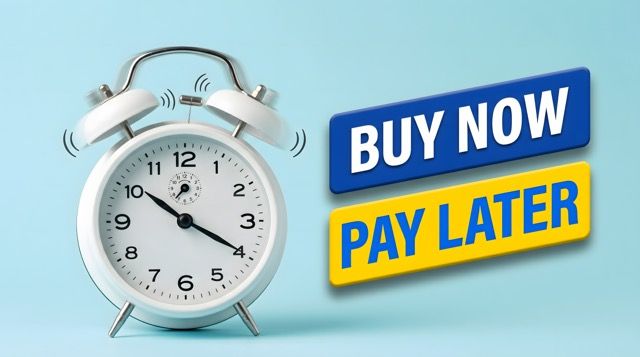
Everything Old Is New Again. Even Layaway.
I've noticed a flurry of articles lately about the explosive growth of Buy Now, Pay Later. The Globe and Mail reported that BNPL has gone fully mainstream, with Canadians across income levels stretching groceries and gadgets into “manageable” monthly bites. The Walrus ran a piece by Vass Bednar arguing that BNPL has quietly become a shadow credit system that doesn't show up on any credit bureau's radar until it implodes. Reading both, I couldn't help but smile. Not because the trend is amusing, quite the opposite. It's because we've been here before. Long before Klarna, Afterpay, Sezzle and Affirm, there were Sears, Woolworth's, Kmart and Leon's. Canadians had layaway. No app, no one-click checkout, no influencer urging you to split a purchase into four easy instalments. Just a patient store clerk, a paper receipt, and a straightforward deal: you made payments over time, and only after the last one cleared did you take the item home, along with the quiet pride of knowing you'd earned it. Delayed gratification wasn't a burden; it was simply how responsible people bought things. Try explaining that to a twenty-five-year-old today. “Wait... what? You paid for it, and they wouldn't let you take it home?” Over the past forty years, we quietly flipped the model upside down. Yesterday's philosophy was pay first, enjoy later. Today, we enjoy first, pay later. The payment schedule looks remarkably similar, but the psychology could not be more different. That took me straight back to my childhood, when my parents represented two entirely different schools of financial thought. To Dad, cash wasn't just king; it was emperor, prime minister, pope, and captain of the soccer team, all rolled into one. If he didn't have it, he didn't buy it. Mom's favourite line was different: “If I waited until I could afford it, I'd never get it!” One afternoon, she came through the door beaming and announced, “I saved a thousand dollars today!” This was the 1970s, real money, and we waited breathlessly to hear how. “I bought a baby grand piano,” she said. “It was four thousand, on sale for three. I saved a thousand dollars!” The room went silent. Technically, she wasn't wrong. Dad never fully embraced Mom's definition of “saving.” I believe he eventually paid off the piano. I'm less convinced he ever settled the argument. Looking back, I don't think they were arguing about money at all. They were arguing about time. Dad believed that sacrificing today made tomorrow easier. Mom believed that tomorrow would work itself out. If they were alive now, Dad would still be carrying cash in his wallet, and Mom would have four BNPL apps on her phone and know exactly which one had the best promo running. I suspect most of us carry a bit of both. We're remarkably good at convincing ourselves that Future Me will be wealthier, more disciplined, and generally more together than Present Me. Future Me will get the raise, won't mind another monthly payment, will eat well, will sleep eight hours, will exercise regularly, and will never procrastinate. Read that again. Now look in the mirror. Got you, didn't I? Future Me usually looks a lot like Present Me, just with a few more wrinkles and a little less earning power. Behavioural economists call this present bias, or hyperbolic discounting: we place a much higher value on immediate rewards than on future ones. Nobel laureate Richard Thaler and Shlomo Benartzi built much of their retirement research around this tendency, and their Save More Tomorrow program showed how much help people need to overcome it (Thaler & Benartzi, 2004). Once you see that, BNPL stops looking like a payment option and starts looking like brilliant behavioural design. A $2,000 purchase quietly becomes “only $83 a month.” The price hasn't changed; our perception has. That, not the payment plans themselves, is the real story: the tug-of-war between Present Me and Future Me. That explains why so many Canadians struggle to save for retirement and often arrive there wishing we decided differently decades earlier. Why Is BNPL Suddenly Everywhere? Convenience is only part of the answer. The real drivers are rising living costs, stubborn inflation, and a culture that's grown allergic to waiting. BNPL fits that mindset perfectly: Payments Canada data shows usage rising from roughly 9% in 2022 to 25% in 2024. Younger Canadians cite quick access to credit, while middle-aged Canadians call it a budgeting tool. One group sees borrowing; the other sees it as managing cash flow as paycheques stretch less far. A recent Globe and Mail report on Koho's Grocery Gap data found that BNPL use for groceries more than doubled between May 2025 and May 2026, while incomes barely budged. Dad would have hated that explanation. Mom would have reminded him that life doesn't wait for your savings account to catch up. Like most financial tools, BNPL is neither inherently good nor bad. A hammer can build a house or break a window, depending on who's holding it. If your furnace dies mid-winter, financing the replacement is one of the smartest moves you'll make. The same goes for emergency dental work or a computer you need for work. Those are investments, not expenses. Financing concert tickets or a smartphone upgrade because yours is eighteen months old is a different category, one where Future Me keeps paying long after Present Me has finished enjoying the fun. Whenever I'm unsure where a purchase belongs, I ask one question: will this make my financial life stronger a year from now, or will I still be paying for it? Retailers didn't embrace BNPL out of concern for our budgeting skills; they embraced it because it works. Research from the National Bureau of Economic Research found that offering BNPL at checkout increases sales by roughly 20%, largely by nudging people to spend more than they otherwise would (Berg et al., 2024). The product hasn't changed, and your income hasn't changed; only the payment method has. That's why “$89 a month” feels far less alarming than “$2,500,” even though the math is identical. A Word on Fraud Here's a related trend that concerns me, especially for older homeowners: be cautious when someone knocks on your door offering a new roof, windows, or solar panels for “only a few dollars a day.” Before signing, ask: did I think I needed this before the salesperson showed up? Sometimes yes. Roofs wear out. But sometimes the problem is manufactured right along with the financing, and a $25,000 renovation can sound reasonable when framed as “less than your cable bill.” Dad would have insisted on three quotes; Mom would have admired the enthusiasm. Listen to Dad: get multiple estimates, loop in someone you trust, and never sign on the spot. Read that again. Never sign on the spot! The RRSP Parallel and What Retirees Should Watch For BNPL also parallels something I wrote about recently in Canada's RRSP Program Has Too Many Jobs. The Home Buyers' Plan looks nothing like Buy Now, Pay Later on the surface, but look closer, and they sound alike. Both solve today's problem by borrowing from tomorrow's resources. It's helped thousands get into homes, and homeownership remains one of the best long-term wealth builders. But every dollar pulled from an RRSP stops compounding for retirement. We celebrate the house and quietly forget the retirement income we gave up for it, Present Me negotiating a deal Future Me eventually must honour. And Future Me always shows up, whether we're ready or not. It's tempting to think of BNPL as a young person's problem, but the psychological pull intensifies in retirement, not diminishes. When you're working, the next paycheque is a couple of weeks away. In retirement, every purchase competes with a finite pool of assets that may need to last thirty years. Financing groceries isn't a budgeting strategy; it's a signal that your income isn't keeping pace with your lifestyle. If every purchase starts with “what's the monthly payment?” instead of “can I actually afford this?” it's time to step back. I've long recommended imagining every purchase as a conversation with your retired self: would Future Me thank me, or wish I'd shown more restraint? Isn't a Reverse Mortgage the Same Thing? Some readers wonder whether reverse mortgages belong in this conversation. I'd argue they're nearly the opposite. Both involve money today and repayment later, but that's where the similarity ends. BNPL borrows against tomorrow's income to finance today's consumption, while a reverse mortgage, used appropriately, converts wealth you've already built into retirement income. One asks Future Me to earn more; the other recognizes that Past Me already did the heavy lifting. There's a world of difference between borrowing against tomorrow and drawing on yesterday's success. Whatever Happened to Paying Cash? Dad's advice was simple: if you can't pay cash, don't buy it. It's a little outdated now. Few of us carry cash anymore, and digital payments are so seamless that spending barely feels like spending. Tap, click, done. Maybe the rule just needs updating. Instead of “can I pay cash?” try “if I had to pay for this in full today, would I still buy it?” That shifts our focus from the monthly payment to the total cost and from affordability to value. BNPL isn't inherently good or bad; it's a tool like any other, and the real danger is forgetting that every financial decision is a negotiation between Present Me and Future Me. What My Parents Really Taught Me Looking back, my parents weren't really arguing about money; they were arguing about time. Dad taught me the value of patience and living within my means, and he understood instinctively what behavioural economists would later prove: delaying gratification pays remarkable dividends. Mom taught me something just as important: that life isn't meant to be spent waiting forever, and that some experiences create memories no investment account can measure. The wisdom lies in knowing the difference. Retirement requires both the discipline to save while working and the wisdom to enjoy what you've built. Save every penny and never spend it, and you've missed the point, tragically. Spend it all before retirement arrives, and biology has a nasty habit of showing up right on schedule, winning every time, just as tragically. Perhaps that's the real story behind Buy Now, Pay Later. It was never really about payment plans; it's about patience, priorities, and the lifelong conversation between who we are today and who we're becoming tomorrow. Present Me always gets the microphone, while Future Me waits quietly in the wings, hoping today's decisions leave something to work with. Next time you're offered four easy payments, ask the better question: will Future Me thank me for saying yes? Someday, Future Me becomes Present Me, and that's the day we find out whether today's purchase was an investment in our happiness or just another bill waiting, not so patiently, for retirement. I have a feeling Dad would smile reading this, quietly certain he'd finally won the argument. Mom would smile too, already wondering if she could get that validation in four easy instalments, and still call it saving money. Don’t Retire … Re-Wire! Sue My Book is Now Available for Pre-Order I hope you will consider pre-ordering a copy of Your Retirement Reset for you, a friend or loved one. It's available September 29, 2026 published by ECW Press - You can now order at Indigo or Amazon. And if you love supporting Canadian booksellers, please also check with your local independent bookstore. Most can easily order it for you.

The Business of Sports Is Booming
A recent Forbes article highlights the rapid growth of sponsorship revenue across North America's major professional sports leagues, which generated a record $7.66 billion in sponsorship revenue last season. According to research from SponsorUnited, Major League Baseball led the way with nearly $300 million in new sponsorship business in 2024, reaching $1.84 billion league-wide. One of the biggest drivers was the arrival of Japanese superstar Shohei Ohtani in Los Angeles. SponsorUnited estimates the Dodgers added 12 Japanese-based partners and $70 million in incremental sponsorship revenue during Ohtani's first season with the club. The impact extended beyond the Dodgers, with Japanese brands purchasing advertising and signage opportunities at ballparks across the league whenever Ohtani played on the road. The article also points to broader industry trends fueling sponsorship growth, including jersey patch advertising, digital signage, premium fan experiences, international expansion, and increasingly sophisticated audience targeting. Tim Derdenger is an Associate Professor of Marketing and Strategy at Carnegie Mellon’s Tepper School of Business. An expert in sports markets, his research is centered around celebrity endorsements and how to optimize their impact on product sales. View his profile According to Carnegie Mellon University marketing expert Tim Derdenger, technology will play a critical role in the future of sports sponsorship. "Using technology to reach customers and personalize those messages for them is going to be a key player in the growth of sponsorship across the leagues." As teams seek new revenue opportunities and brands look for more effective ways to engage fans, sponsorship has become one of the fastest-growing segments in professional sports. The trend reflects how leagues are increasingly leveraging data, technology, and innovative marketing strategies to create value for partners while connecting with audiences in new ways. Connect with Tim Derdenger from Carnegie Mellon University's Tepper School of Business, who is available to discuss: • The economics of sports sponsorship • How technology is transforming sports marketing • The business impact of global athletes and superstar brands • Fan engagement and personalized advertising • Emerging trends in professional sports business


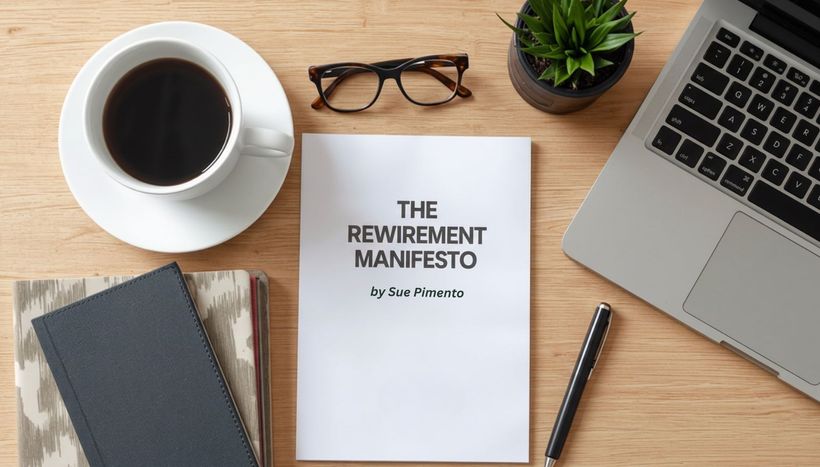
The Grace to Fail: My MBA Journey (Part 3)
I have a confession to make. My wife Bonnie and I are addicts. Not the kind that requires an intervention, exactly, but close. We are addicted to home improvement. We are always planning the next upgrade, the next project, the next thing to tear apart and make better. It gives us genuine pleasure and a profound sense of accomplishment. Bonnie leads most of these endeavours. She is remarkably capable with power tools and can pull off a tool belt like she is strutting down a Home Depot runway (aisle). Our shared obsession has even spawned a series of Facebook posts called the 2 Capable Women, where we document everything from felling trees to the deeply humbling art of Ikea assembly. So there we were, driving in traffic, and Bonnie was telling me about her next project: removing the circa-1960 wood panelling and replacing it with modern shiplap. Mid-conversation, she went quiet for a moment and said, almost to herself, “I guess I need to allow myself the grace to fail.” I nearly drove off the road. You must understand something about Bonnie. She is a self-declared perfectionist. Not casually. She is committed to being a perfectionist at being a perfectionist. So, hearing those words come out of her mouth, unprompted, while discussing a renovation project, was like hearing your accountant quote Oprah. It stopped me completely. The truth has a certain ring to it. I heard that bell loud and clear. Because sometimes wisdom does not arrive in a lecture hall or a leadership book or a TED talk. Sometimes it arrives in a car, in traffic, from the person sitting next to you holding a coffee and thinking about shiplap. That phrase has not left me since. Many of us do this. We replay mistakes endlessly, convinced that self-criticism is somehow productive. We lie awake revisiting conversations and missteps, assuming that if we beat ourselves up long enough, we will emerge wiser. All we accomplish is a thorough self-beating followed by self-flagellation. Lots of noise. Zero progress. Zero calories burned. This is not just a problem for people climbing mountains or starting businesses. It plays out in perfectly ordinary moments. You send an email and immediately wish you had worded it differently. You make a comment at dinner that lands wrong and spend three days replaying it. You make a small error at work and carry it around like luggage for a week. The inner courtroom convenes regardless. Most of us are not failing spectacularly. We are just living, occasionally getting things slightly wrong, and treating that as evidence of something deeply and permanently wrong with us. It is not. It is just Tuesday. I have been thinking about this a lot lately because I am in the middle of my MBA at the Sprott School of Business. I wrote about My MBA at age 69 in Part I and Part II. Back in graduate school after four decades in the workforce, opportunities to feel uncomfortable, uncertain, and occasionally like you have wandered into the wrong building are plentiful. A recent assignment on crafting Team Charters and enhancing my leadership skills inspired me to write a personal manifesto for my graduate studies and to take a closer look at myself. You can read mine here. While working through it, I made a surprising discovery. Most of the commitments I was making to myself had nothing to do with school. They were about life. Read the instructions carefully. Ask for help sooner. Pay attention to what your emotions are trying to tell you. Trust your experience. Hold yourself to your own standards. And this one, which stopped me cold, and sounded very familiar: Allow yourself the grace to fail. There was that bell again. Those six words turned out to be the most important thing I wrote. Not because failure is something to celebrate, but because the willingness to risk it is the price of admission for virtually everything worth doing. Failure is not a topic most of us rush toward. It is about as pleasant as stubbing your toe in the dark. Yet every meaningful thing I have ever done required me to risk it. Starting a new career. Leading a sales team. Launching a business. Climbing a mountain. Writing a book. Going back to school at 69. None of it came with guarantees. All of it came with uncertainty, mistakes, and moments where I genuinely wondered whether I had lost my mind. The jury is still out on some of those. The irony is that failure and growth are inseparable. Dweck (2006) found that people who view setbacks as learning opportunities rather than evidence of inadequacy are more likely to persevere and ultimately succeed. Duckworth (2016) agreed, and in Grit, one of my favourite books, long-term success depends less on talent and more on the willingness to keep going after things fall apart. Neff (2023) added that people who respond to failure with self-compassion rather than harsh self-judgment show greater improvement and are more likely to try again. The friction produced by failure is often exactly what generates learning, but only if we give ourselves enough grace to stay in the game. I see this everywhere. Professionals are staying in jobs they no longer enjoy because starting over feels too risky. Retirees hesitate to try something new because they might not be good at it right away. Students who will not ask a question because they do not want to appear uninformed. And if I am being honest, I see it in myself. Every time I hesitate to contribute to class because everyone else seems younger and sharper. Every time I catch myself wondering whether I belong in the room. One exercise has helped me enormously. When I catch myself spiralling into negative self-talk, I imagine my five-year-old self standing beside me, listening. Would that little girl feel encouraged? Not a chance. So why do we think inner dialogue helps us? A recent example: I made a point in a meeting that got a polite nod and complete silence. You know the silence. The one that could mean anything from “interesting” to “what on earth did she just say?” I replayed that moment for two days. Eventually, I asked a colleague how the meeting had gone, and she said she barely remembered it. The forensic investigation was conducted entirely in my own head. I am not suggesting we lower our standards. We should hold ourselves accountable, learn from our mistakes, and strive to do better. But there is a meaningful difference between accountability and cruelty. Between reflection and rumination. Between learning from a mistake, and building a summer cottage on top of it, and checking in every long weekend. I worry about what this means for the generation behind us. Research by Professor Gabriel Rubin at Montclair State University found that despite living in one of the safest periods in history, Gen Z perceives risk virtually everywhere (Rubin, 2023). They have grown up knowing that at any moment, someone has a phone. One stumble, one terrible dance move, and the clip is posted before you catch your breath. Permanent, searchable, shareable public failure is something entirely new, and the consequences are showing up in surprising places. Monocle magazine noted young people standing completely still on nightclub dance floors, phones in hand, unable to lose themselves to the music. The club has become a stage, and the crowd has become the content. Instead of dancing, people film. Instead of connection, there is performance. This is not a small thing. Dancing is how humans have always signalled availability, built trust, and found each other. It requires a willingness to look slightly absurd. If we have raised a generation so terrified of being captured mid-stumble that they will not move to the music, we have handed surveillance culture a victory it does not deserve. Calculated risks lead to new opportunities, foster innovation, and teach lessons that comfort never could (Rubin, 2023). Risk aversion makes short-term sense. As a way of life, it quietly closes doors that were never meant to stay shut. Give yourself and the young people around you, explicit permission to be unpolished in public. To dance badly. To say the wrong thing and survive it. The phone will always be there. So, fortunately, will the music. Here is what I keep learning inside this MBA: wisdom arrives disguised as failure. The assignments that challenge me teach me more than the ones that come easily. The questions I most resist asking are usually the most important. I did not expect graduate school to teach me this. Then again, I did not expect to be here at seventy. I no longer think in terms of Wins and Losses. Those categories are too simple. I think in terms of Wisdom and Learning. Success builds confidence. Setbacks build insight. Both move us forward. Read that again. So the next time you find yourself at two in the morning replaying something you said three days ago, ask whether your five-year-old self would find your internal monologue useful. If the answer is no, offer yourself a little grace. Which brings me back to Bonnie. Last weekend, she pulled off that 1960s panelling. Every last piece. It was messy and uncertain, and at several points she was unsure what she would find underneath. There were surprises. There were moments of doubt. She kept going anyway. By the end of the weekend, the shiplap was going up, clean and bright and exactly right. She did not do it perfectly. She did it anyway. And it is beautiful. That is the whole lesson, right there, delivered by a woman with a pry bar and a tool belt, on a weekend in June. Failure is not the enemy. Most of the time it is just fear wearing a funny hat. And if you are lucky, it will teach you something genuinely worth knowing. Sometimes it comes from a research paper. Sometimes it comes from your wife, in a car thinking out loud about shiplap. Either way, listen for the bell. Writing my manifesto was one of the most clarifying things I did this year. Not because it solved anything, but because it forced me to decide, on paper, who I was going to be when things got hard. I want that for you, too. So I created the ReWirement Manifesto: a simple template for anyone navigating a new chapter, a big transition, or simply a Tuesday that did not go as planned. It is not a bucket list. It is not a vision board. It is a set of honest commitments you make to yourself, in your own words, that you can return to when your inner courtroom calls you to order. Download your free ReWirement Manifesto template here. Fill it in. Keep it somewhere you can find it. And the next time you are staring at a wall of 1960s panelling, wondering if you are in over your head, remember: the grace to fail is not a consolation prize. It is the whole point. Don’t Retire…Re-Wire! Sue My Book is Now Available for Pre-Order I hope you will consider pre-ordering a copy of Your Retirement Reset for you, a friend or loved one. It's available September 8, 2026 published by ECW Press - You can now order at Indigo or Amazon. And if you love supporting Canadian booksellers, please also check with your local independent bookstore. Most can easily order it for you.

Pause for Water. Stay for the Ads. FIFA's $500 Million Timeout
FIFA's decision to introduce mandatory hydration breaks in every match of the 2026 FIFA World Cup is drawing attention far beyond player welfare circles. The new rule requires a three-minute stoppage in each half of all 104 tournament matches, creating more than 10 hours of additional broadcast inventory that did not exist in previous World Cups. Analysts estimate the added commercial value could approach $500 million, making the breaks one of the most significant business stories of the tournament. While FIFA has emphasized player health and safety amid concerns about summer temperatures across North America, broadcasters and advertisers have quickly recognized the value of guaranteed in-game breaks. Networks are now able to sell premium advertising inventory during some of the most highly watched sporting events on the planet, creating opportunities that resemble the commercial structure of American sports broadcasts. Tim Derdenger is an Associate Professor of Marketing and Strategy at Carnegie Mellon’s Tepper School of Business. An expert in sports markets, his research is centered around celebrity endorsements and how to optimize their impact on product sales. View his profile The move has generated debate among fans and observers, with some questioning whether commercial considerations played a role in expanding hydration breaks to every match regardless of venue or weather conditions. Critics argue the stoppages alter the traditional flow of soccer, while supporters point to growing concerns about extreme heat and player safety. For brands, however, the development represents a rare opportunity. Unlike traditional halftime advertising, hydration breaks occur while viewers remain actively engaged in the match, creating premium moments for sponsors seeking global reach and attention. The breaks also open new possibilities for branded content, integrated sponsorship activations, and enhanced fan engagement strategies during live play. Looking to know more? We can help. Tim Derdenger is an expert in sports marketing, sponsorship strategy, media rights, and the business of major sporting events. He can discuss: • How hydration breaks create new revenue opportunities for broadcasters and sponsors • The growing commercialization of global sports properties • Whether fans will accept more advertising during live sporting events • How brands can maximize engagement during high-profile World Cup broadcasts • What this development signals about the future of sports media rights and sponsorship Looking for expert insight on the business side of the 2026 FIFA World Cup? Connect with Tim Derdenger today to discuss how FIFA's hydration breaks could reshape sports marketing, sponsorship activation, and broadcast economics for years to come.

Villanova Sports Business Expert Bret Myers, PhD, Previews the World Cup
Move over, American football fans. Hello, American… fútbol fans. Soon, the homes of NFL franchises like the Kansas City Chiefs, Dallas Cowboys and Philadelphia Eagles will play host to the 2026 FIFA World Cup, returning to the United States for the first time in 32 years. Through five-plus weeks of action-packed matches, soccer lovers from across the country—alongside more than 1.2 million international visitors—will flock to the nation’s metro areas to take in and celebrate the “beautiful game,” contributing to an atmosphere of revelry, drama and overall excitement. One person adding to the chorus of “olé”s will be Bret Myers, PhD, a sports business expert and professor of the practice of Management and Operations at Villanova University. Formerly a consultant with the Philadelphia Union, the Columbus Crew and Toronto FC, he recently shared some thoughts concerning the upcoming World Cup, its stateside appeal and the latest developments relating to the international contest. Q: The last World Cup game played on U.S. soil took place in 1994. How has soccer’s profile, and the American relationship with the sport, evolved since then? Dr. Myers: Undoubtedly, soccer has grown in this country since 1994 across all relevant metrics—namely, youth participation and academy development, domestic professional league development, TV and streaming viewership and the strength of the national team. A recent Economist survey even identified soccer as the third most popular sport in the country. A lot of that can be attributed to different demographic trends. Many Gen Xers grew up playing and following the sport, and Millennials and younger have become accustomed to engaging with it through social media. The popularity of EA Sports’ FIFA on gaming consoles has also helped with brand and player recognitions domestically. That said, while there have been many positive signs of growth, it is still a complex landscape in the U.S. Major League Soccer (MLS) has increased in quality over its 30 years of existence, but it has been challenging for them to carry the same kind of stature and appeal as the English Premier League, Mexico’s Liga MX, Spain’s La Liga and Germany’s Bundesliga—whose global broadcast rights and merchandising have attracted a lot of American fans due to higher standards of play and tradition. Q: How effective are promotions surrounding the World Cup? And do domestic professional and youth soccer teams benefit from the interest cultivated? DM: Honestly, it doesn’t take much to generate interest in World Cup games. Back in 1994, promotional efforts were arguably more important because soccer was in its infant stages of growth in the U.S., and the ticket prices were accordingly much lower, to spur demand. For this year’s World Cup, there’s an inverse problem. There is so much demand that FIFA is capitalizing with high ticket prices, unfortunately pricing out a lot of avid soccer fans. As for youth soccer and MLS, I don’t see a direct relationship between the promotional effort for the World Cup and the dynamics there. Participation in youth soccer is already high, and it has become a very competitive landscape with a lot of different tiers across multiple age groups, male and female. Meanwhile, MLS interest and ticket sales really boil down to the talent the league attracts. For instance, Lionel Messi’s decision to sign with Inter Miami was an enormous lift factor, bumping up attendance levels and increasing revenue levels for tickets, sponsorships and broadcast rights. Q: This year’s competition marks the first that will feature 48 teams, up from 32 previously. Could you speak about the logic and potential benefits of boosting the number of participants? DM: With the expansion of the World Cup field, there are certainly revenue benefits that come with more matches, more ticket sales, more consumption by fans and more viewership potential. That is the business side of things. From a competition standpoint, the clear beneficiaries are the smaller nations from less competitive continents that get the opportunity to participate, like Curaçao and Cape Verde. These teams are not going to win the World Cup, but they will make things interesting at times in the group phase, as there is always the potential for a surprise knockout or qualification for the next stage. Q: As Sports Illustrated reports, a series of rule changes have been put into effect for the World Cup to “maximize fairness and eliminate the dark arts.” Do you see any of these tweaks meaningfully impacting the product on the pitch? DM: While I think it’s good that FIFA is continuing to examine how to make the game safer, fairer and more exciting, I don’t think the World Cup is the place to experiment. Players should have the chance to get accustomed to rule changes during other types of competitions, so that they can better understand how they are being enforced. That said, in the long term, I think the proposed changes [aimed at preventing time-wasting and feigned injuries] will impact the sport positively. On-field theatrics compromise the integrity of the game, and most fans pick up on it and don’t appreciate it. Q: What elements of the upcoming tourney have you most excited? Are there any particular trends or stories you suggest fans track? DM: Personally, I’m satisfied to see that certain players are defying the traditional notion of an “age curve.” Many countries have players over 35 on their roster, with some of the bigger names being Messi (38), Cristiano Ronaldo (41) and U.S. team captain Tim Ream (38). It is also interesting to see the other end of the spectrum, with emerging talents like Spain’s Lamine Yamal (18) and Brazil’s Estêvão (19). With all the “GOATs” and “young bucks,” it isn’t exactly clear who is effectively the best player in the world right now. It’ll be interesting to see who emerges at the end of the World Cup to stake a claim.


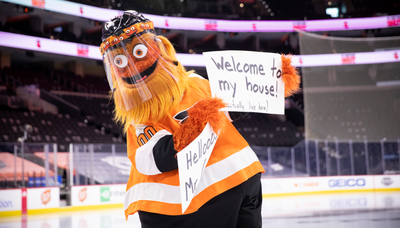
Gritty like his city: How the Philadelphia Flyers' mascot went from punchline to sensation
How did Gritty, the fluffy, orange, menacing whatchamacallit that backs the Philadelphia Flyers, go from a punchline when he was rolled out in 2018 to one of sports' most well-known and beloved mascots? The University of Delaware's Matt Robinson took a shot, and scored, with some answers. Robinson, a professor of sport management at UD's Lerner College of Business & Economics, said Gritty embodies the tough attitude that Philadelphia is known for. Also, some of his bizarre features and personality traits go straight to the heart of the demeanor and history of the Flyers, who are currently battling their way through the NHL playoffs. Those are among the ingredients that go into marketing and launching a successful mascot. Robinson can discuss the following: • Why some mascots take off and others flop. After his launch, Gritty was ridiculed as a concept on late night TV and "Saturday Night Live." But he was still garnering billions of views on social media and millions in earned media for the franchise. The Flyers kept pushing the concept despite its early unpopularity, which led to his eventual success. "Any public relations is good public relations," Robinson said. • Mascots need to be authentic. Gritty embodies the team he represents and the city that team plays in. Robinson noted Philadelphia's "grit" and love of players who play hard, like the Broad Street Bullies – the nasty group of Flyers' players who led the team to two Stanley Cup wins in the 1970s. • The best mascots transcend sports. Robinson pointed to the film and character "Rocky," whose statue sits in the front of the city's Art Museum, as well as the city's reputation as one with a bit of an edge. "We're the ones who threw snowballs at Santa Claus," Robinson said, referring to the infamous 1968 incident when Philadelphia Eagles fans pelted Kris Kringle from the stands. • Players and coaches come and go, but the mascot stays the same. Mascots can be part of ticket sales and community engagement in the offseason, when players may not be in the city or moving to another via free agency. • Mascots offer an attachment point for fans that is not sport related. Kids respond to mascots and, from there, connection with the team, players and the sport can grow. To contact Robinson directly for an interview, visit his profile and click on the "contact" button. Interested reporters can also email MediaRelations@udel.edu.



Target Can’t Seem to Escape the Crosshairs
The on-again-off-again nationwide boycott of Target has the retailer’s new chief executive, Michael Fiddelke, officer facing relentless pressure from activists on both sides of the issue. David Primo, a professor of political science and business administration at the University of Rochester, says Fiddelke can’t seem to move Target from the crosshairs despite slashing prices on thousands of products and investing in stores, workers, and technology. “Target remains a battleground for activists on the left and the right, and its new CEO hasn’t yet figured out how to extricate the company from this role,” Primo recently told USA Today. “Fiddelke already faces a huge challenge in turning around a company with significant operational issues. This certainly doesn’t help matters.” Target has reported 13 straight quarters of sluggish sales. Company officials have admitted that shopper anger has contributed. Activists in Minneapolis, where Target is based, organized a nationwide boycott last year over the company’s rollback of diversity, equity, and inclusion policies. From church pulpits to community gatherings, the policy about-face was widely viewed as a betrayal of Black Americans who had propped up the retail giant’s bottom line. Primo studies corporate political strategies, among other areas, and regularly shares his insights with business journalists and political reporters. His essays have appeared in The New York Times and The Wall Street Journal, and he’s been interviewed by many radio and television outlets, including Bloomberg and National Public Radio. Contact him by clicking on his profile.


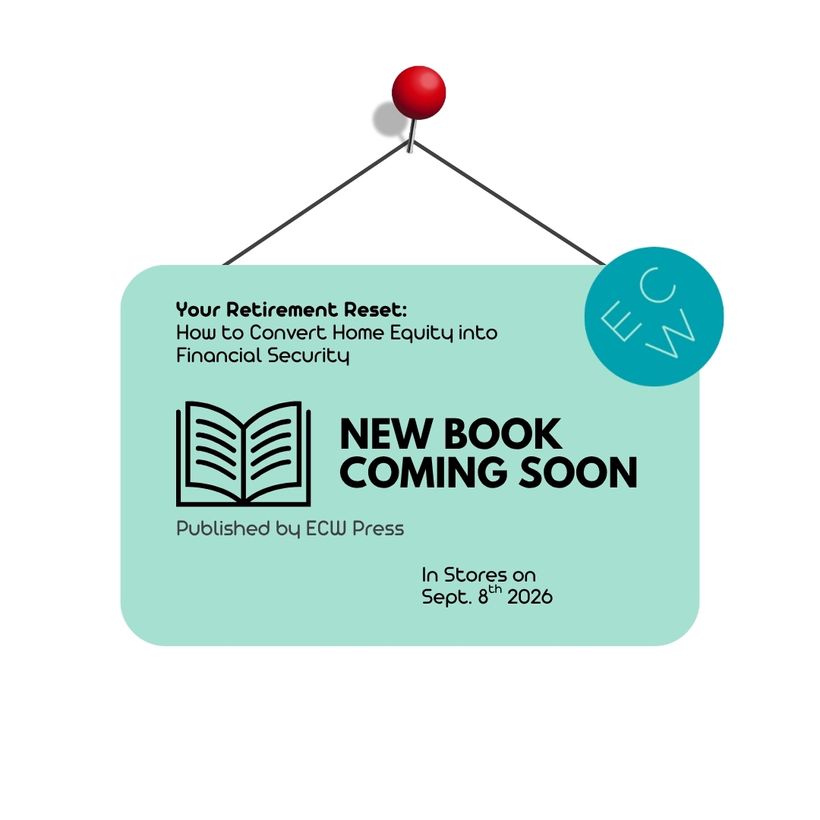
Your Retirement Reset: My New Book will Be in Stores on Sept. 8th
This one has been a long time coming. My new book, Your Retirement Reset: How to Convert Home Equity into Financial Security, published by ECW Press, finally has a publication date. Why I Wrote This Book I have spent decades watching far too many older Canadians carry unnecessary financial stress into what should be a more secure and dignified stage of life. Throughout my career as a mortgage broker, business owner, and later as an executive at HomeEquity Bank, I saw the same painful pattern again and again: people who had worked hard, paid down their homes, built real equity, and still felt trapped. Many were living with fear, cutting back on basic pleasures, worrying about every bill, and feeling ashamed that they had not “saved enough.” Meanwhile, a major asset was sitting right beneath their feet. What struck me most was this: younger homeowners often see home equity as a financial tool, but many retirees do not. For many older Canadians, the idea of borrowing against their home feels frightening, even when it could improve their quality of life and help them stay independent. This resistance is not just about math. It is emotional. It is psychological. And it is deeply tied to identity, security, family, and fear. The Retirement Problem We Are Not Talking About Honestly Enough The old retirement script is failing too many people. We are living longer. The cost of living keeps rising. Private sector pensions have largely disappeared. Healthcare and long-term care costs are real concerns. And many people reaching retirement are discovering, far too late, that the traditional advice to simply save, downsize, and make do does not reflect today’s reality. At the same time, most older Canadians want to age in place. They want to remain in the homes and communities they know and love. They do not want to be pushed into selling, renting, or moving in with family unless they truly choose that path. Yet many are gripped by what I call FORO — Fear of Running Out. That fear shapes countless decisions and robs people of peace of mind. It’s actually rooted in neuroscience and the way we’re wired to behave as we do. I’ve posted about this here in my newsletter and Substack a lot. Because it’s important. This is not a fringe issue. It is a national issue. And it deserves a more honest conversation. Why This Book Matters for Canadians 55+ There is a critical gap in this country when it comes to retirement literacy. Many Canadians over 55 have substantial value tied up in their homes, yet traditional retirement advice often does not seriously incorporate home equity into the conversation. At the same time, the information people do find is often fragmented, biased, overly technical, or scattered across lenders, planners, brokers, lawyers, accountants, media stories, and well-meaning family members. That leaves people vulnerable. They may rely on outdated assumptions. They may wait too long to explore options. They may make decisions out of fear rather than clarity. And because older adults usually do not have decades to recover from a financial mistake, the stakes are high. I want to be direct about this: one wrong decision later in life can be extremely hard to reverse. Seniors need unbiased, transparent information they can actually trust. I wanted to create a resource that is practical, plainspoken, and empowering. Not a sales pitch. Not a jargon-filled textbook. Not a one-size-fits-all solution. What I Hope This Book Will Accomplish I hope “Your Retirement Reset” helps Canadians 55+ do a number of things. First, I hope it helps people understand their options more clearly. Too many retirees only hear about a narrow set of choices. I want readers to see the full landscape and understand how different strategies work, including the pros, cons, and trade-offs. Second, I hope it helps people replace fear with confidence. Retirement should not be defined entirely by scarcity thinking. When people understand how to use all of their assets strategically, including home equity, they can make decisions from a position of strength rather than panic. Third, I hope it helps families have better conversations. One of the great hidden challenges in retirement planning is communication. Adult children often mean well, but they may not understand the emotional reality of aging, independence, or financial vulnerability. These conversations matter, and they are often avoided until a crisis forces them. This book is meant to encourage healthier, earlier, and more respectful dialogue. Fourth, I hope it helps more older Canadians protect their dignity and independence. To me, this is the heart of the matter. As I work through my current MBA studies, my life today is filled with spreadsheets. But retirement shouldn’t be. It is about autonomy, confidence, lifestyle, peace of mind, and the ability to live on your own terms for as long as possible. The Information Gap Nobody Is Filling One reason I felt so compelled to write this book is that the resources simply are not where they need to be. There is no shortage of opinions in the marketplace. But there is a shortage of clear, balanced, accessible education specifically designed for older Canadians trying to navigate retirement in the world as it actually exists now. Many books in this category are dated, narrowly focused, or too technical for many of the people I speak with. And it’s to be expected that much of the consumer-facing content around financial products like reverse mortgages comes from lenders themselves. Many seniors are left trying to piece together a life-changing financial strategy from disconnected advice and Google searches. That is the gap I am trying to fill. Canadians need impartial, balanced information they can trust — especially around home equity strategies and retirement financing. I believe Canadians deserve better than that. They deserve a resource that speaks to them in plain language, respects their intelligence, acknowledges the emotional complexity of these decisions, and gives them practical tools to move forward. We Need a More Modern Retirement Roadmap This book is built around a simple idea: retirement planning cannot just be about accumulating savings. It also has to be about learning how to use those resources wisely. That includes understanding how to: • create income • manage spending • shelter income from unnecessary tax pressure • protect savings from fraud and bad decisions • evaluate whether home equity should play a role in your retirement strategy These are the pillars I keep coming back to. They reflect what I believe Canadians in this stage of life truly need. I want readers to come away not just informed, but steadier. More capable. More hopeful. This Is Personal for Me I am part of this demographic myself. I understand the questions, the transitions, the uncertainty, and the pressure. I also know from lived experience that retirement is not simply a financial event. It is a life event. It affects your confidence, your relationships, your routines, your health, and your sense of who you are. That combination — professional experience and personal experience — is exactly what I bring to every page. That is why I have approached this book not simply as a finance book, but as a practical guide for real people facing real decisions. My hope is simple: that this book helps more Canadians 55+ move into the next chapter of life with greater knowledge, less fear, and a stronger sense of possibility. Because retirement should not just be about getting by. It should be about living with confidence, dignity, and choice. The Book is Now Available for Pre-Order If this message speaks to you, or to someone you love, I hope you will pre-order a copy of Your Retirement Reset. Available September 8, 2026. PRE-ORDER NOW: https://ecwpress.com/products/your-retirement-reset And if you love supporting Canadian booksellers, please also check with your local independent bookstore. Most can easily order it for you. Don’t Retire… Re-Wire! Sue